Inspiration

Uji’s Temples and Shrines: Uncover the Spiritual Beauty of Uji, Kyoto

2024.07.03

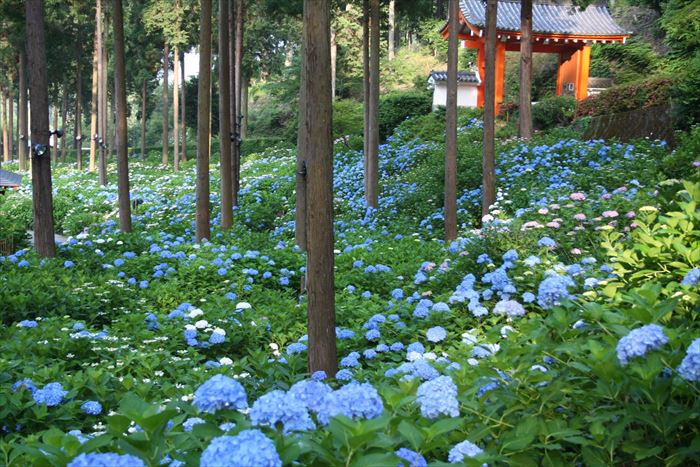
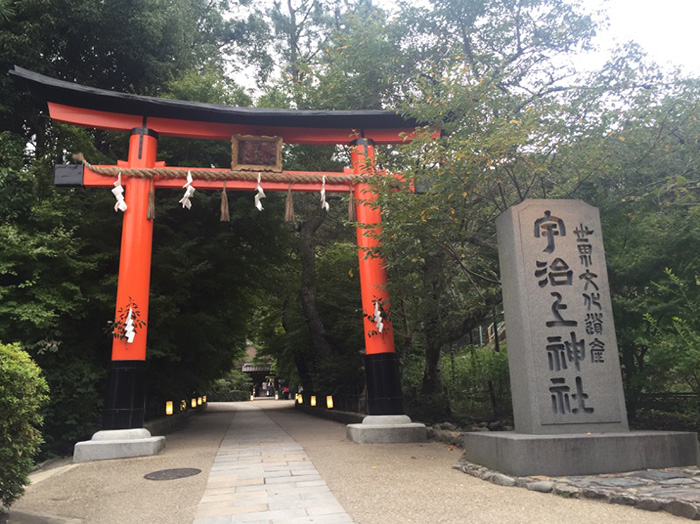
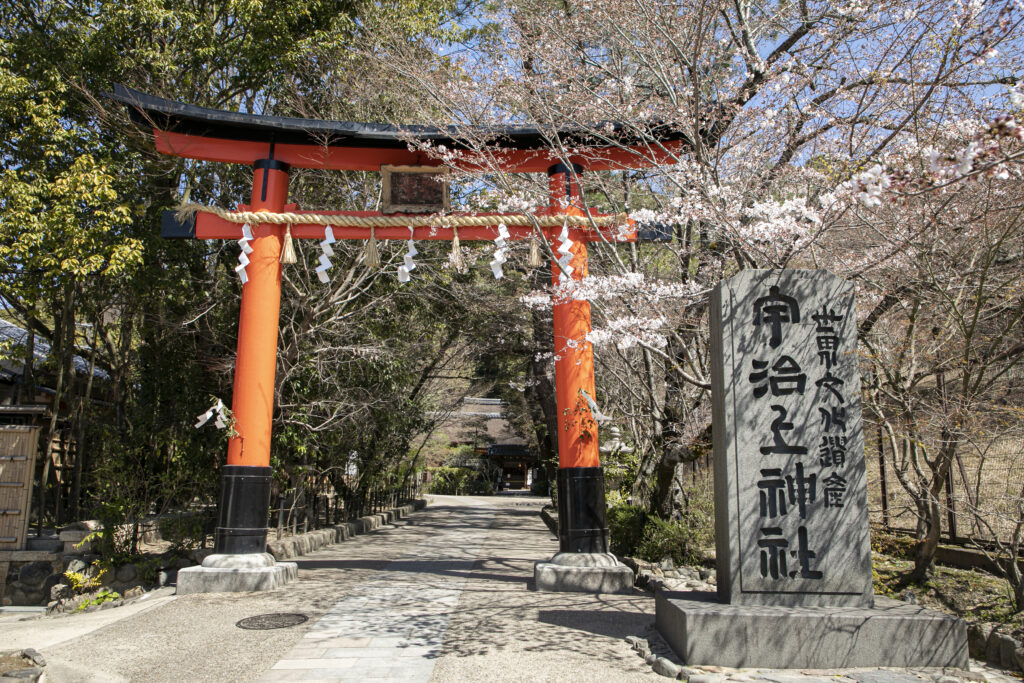
A pathway to Ujigami Shine bordered with lush greenery and a bright red torii
Kyoto Tea Country

Sightseeing is exciting, but don’t you feel suffocated by the tourist crowds? We have you covered. From central Kyoto, take a train south for about 15-45 minutes, and you’ll arrive in Uji City, nestled in “Kyoto Tea Country.” A short walk will bring you to historical temples and shrines, each with its own fascinating story to tell. From the majestic Byodoin Temple to the serene, beautiful Koshoji Temple, they beckon you to explore their enchanting worlds. Furthermore, the picturesque bridges that grace the Uji River, coupled with surrounding nature, create a tranquil beauty. Once you’ve soaked up the atmosphere around the river, extend your journey to the nearby areas. Temples such as Mimurotoji and Manpuku-ji Temple offer unique charms of their own.

Byodoin Temple

©Byodoin Temple

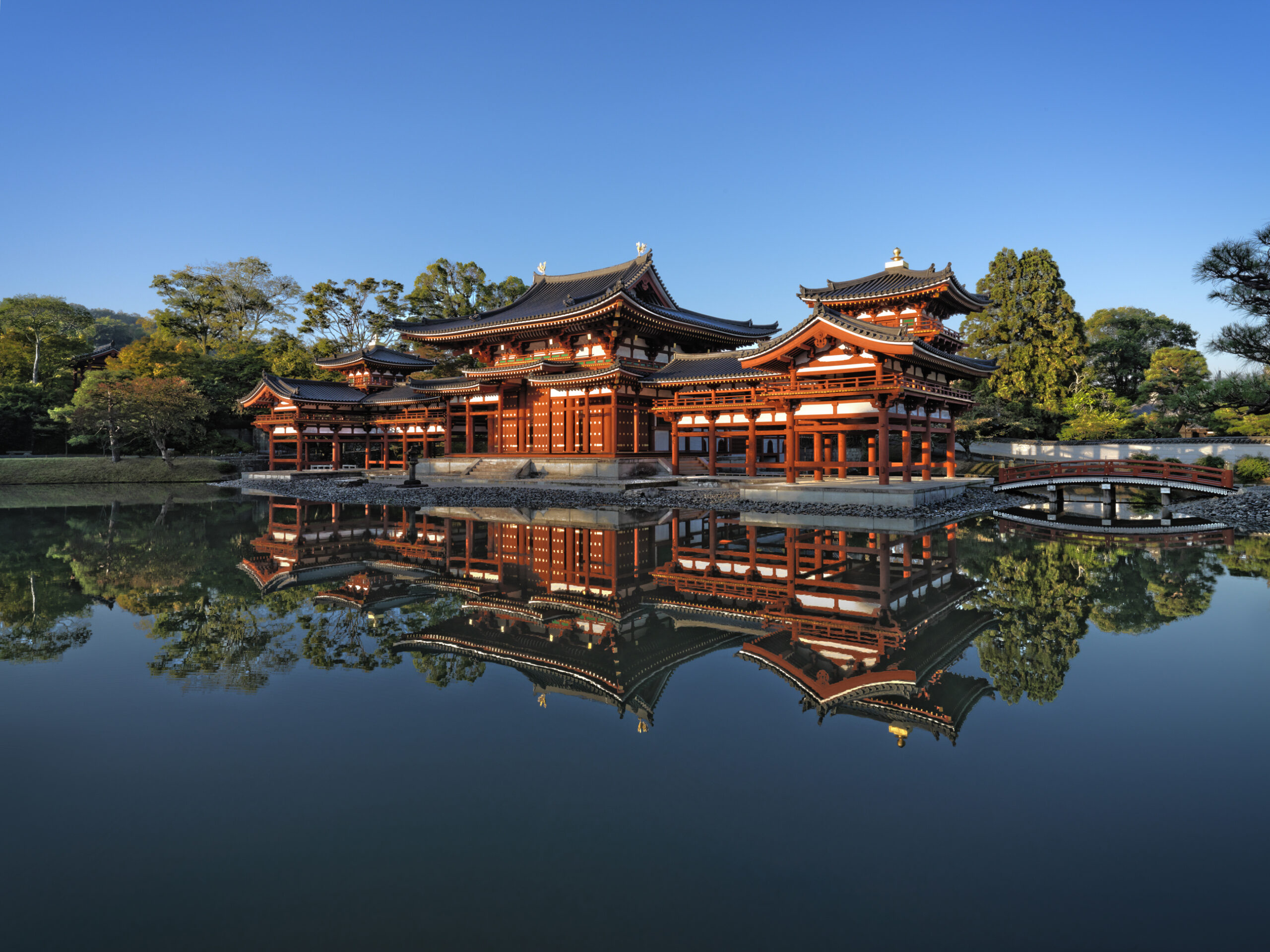
Byodo-in Temple, the World Heritage site, is a peaceful place that offers a glimpse into the spiritual side of Japan. Originally Minamoto no Toru’s villa, it was later acquired by Fujiwara no Michinaga, and his son Yorimichi converted it into the temple in 1052. You might want to visit the stunning Phoenix Hall (Hou-ou-do), which you can see on the ten yen coin. So, what are you waiting for? Take a moment to admire the intricate architecture of this temple, escaping the hustle and bustle of daily life.
Byodoin Temple

Byodoin Temple

Byodoin Temple, located on the west bank of the Uji River, shows the historical glory of the Fujiwara clan’s prosperity. Originally Minamoto no Toru’s villa, it was later acquired by Fujiwara no Michi …
Uji Shrine

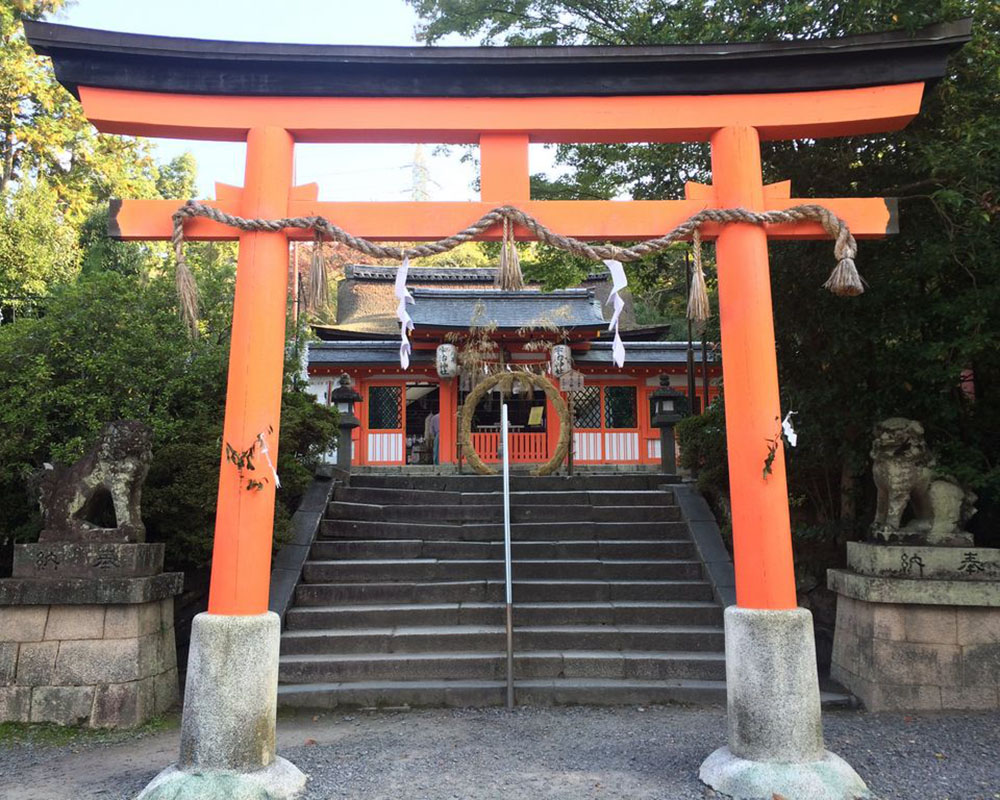
Steps leading up to Uji Shrine

Established in 313, Uji Shrine holds great historical and cultural significance. It is dedicated to the deity Uji no Wakiiratsuko, a son of Emperor Ojin. The shrine houses interesting cultural properties, such as the oldest existing wooden komainu (a pair of guardian creatures called lion-dogs in colloquial English), and a valuable mask used in nō (a classical Japanese performing art). A visit to this shrine offers a glimpse into the Shinto traditions of Uji, which might touch your heart.

Uji-Shrine

Uji-Shrine was established in 313 on the right bank of the Uji River. The current main hall (an Important Cultural Property) was built in the Kamakura Period (1185-1333). Built in the architectural style called Sangensha Nagare-zukuri, it has a large roof and a facade with four pillars (creating three spaces). The shrine also preserves other various cultural properties, such as the oldest existing wooden komainu (a pair of guardian creatures called lion-dogs in colloquial English) and a valuable mask used in nō (a classical Japanese performing art).
The enshrined deity is Uji no Wakiiratsuko, believed to be a deity of academic achievement and success in entrance exams. This area was once home to Kirihara-Higeta-no-Miya, the detached palace of Emperor Ojin and the residence of his son, Uji no Wakiiratsuko.
Legend has it that when Uji no Wakiiratsuko lost his way, a rabbit appeared and guided him, looking back repeatedly to ensure he was following. According to one theory, this is the origin of the place name Uji (rabbit path). At Uji-Shrine, Mikaeri Usagi (looking-back rabbit), a messenger of a deity, guiding people to the right direction, is worshipped. There is a temizuya (place to purify hands with water) with a rabbit motif, cute rabbit omikuji (small items containing fortune-telling slips) and ema (small plaques to write wishes), and so on.

Ujikami Shrine

Pathway to Ujigami Shine bordered with lush greenery and cherry blossoms.

Ujikami Shrine is designated as a World Heritage site. The main hall (a National Treasure), built in the late Heian Period (794-1185), is the oldest existing shrine building in Japan. The worship hall (a National Treasure) is part of a building constructed in the Shinden-zukuri, the representative architectural style of aristocratic residences in the Heian Period. The intricate details of these wooden halls’ structure and the historical ambience that fills the air create an awe-inspiring experience. Immerse yourself in the shrine’s dignity and beauty.

Ujikami Shrine

Ujikami Shrine is one of the World Heritage sites. It was once a single shrine together with Uji-Shrine, as a guardian shrine for Byodoin Temple.
The main hall (a National Treasure), built in the late Heian Period (794-1185), is the oldest existing shrine building in Japan. Built in the Nagare-zukuri style characterized by its long, flowing roof, it houses three structures to enshrine deities, which are two larger shrines flanking a smaller one in the center.
The worship hall (a National Treasure) is part of a building constructed in the Shinden-zukuri, the representative architectural style of aristocratic residences in the Heian Period.
The enshrined deities are Emperor Ojin, Uji no Wakiiratsuko, and Emperor Nintoku.
Ujikami Shrine offers charming rabbit omamori (Japanese amulets), omikuji (small items containing fortune-telling slips), and so on.

Manpuku-ji Temple

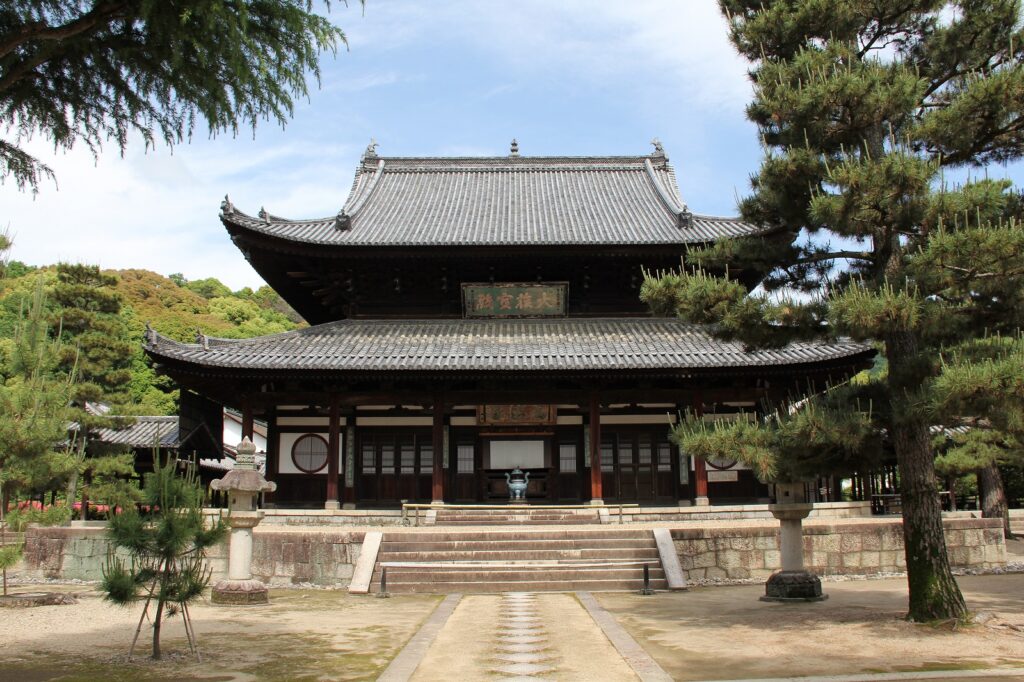
Obaku-san Manpuku-ji Temple from the front with tall pine trees

Obaku-san Manpuku-ji, the head temple of the Obaku sect of Zen Buddhism, offers a serene environment perfect for meditation and contemplation. It was founded in 1661 by Ingen Ryuki (Yinyuan Longqi). When you step inside the vast precincts, which are imbued with a quiet ambiance, you will feel peace and calm wash over you. Take some time to visit this temple. It will provide a break from the hectic pace of modern life and allow you to find inner peace. You can take part in one-day, overnight, or two-night training programs for groups of four or more, including experiences such as zazen (Zen meditation) and shakyo (sutra copying). (Reservations are required.)

Manpuku-ji Temple

Obaku-san Manpuku-ji is the head temple of the Obaku sect of Zen Buddhism. In 2024, three of its buildings, including the main hall, were designated as National Treasures.
This temple was founded in 1661 by Ingen Ryuki (Yinyuan Longqi), a Chinese Zen Buddhist priest who came to Japan in 1654.
He introduced not only Zen Buddhism but also many things and cultural elements to Japan, such as ingen (common beans) and lotus roots.
One of them, Fucha Ryori (Chinese Buddhist cuisine), can actually be enjoyed at the temple (reservations required). It is characterized by its diverse offerings, with some artfully mimicking other foods, like one that resembles eel. It is fun to experience Chinese culture through food.
Also, the Chinese-style sutra chanting called Bonbai sounds like a song.
The precincts, with their historic buildings, are filled with a Chinese atmosphere. Other impressive sights include the Kaipan (wooden fish board), said to be the original form of mokugyo (a percussion instrument used to keep rhythm during sutra chanting), the golden statue of a deity Hotei Son (Budai), and the statue of Ragora Sonja (Rahula), from whose chest the face of Buddha emerges.

Another Kyoto Partners