The Oura Peninsula, tucked into the northeastern corner of Maizuru City, is a place of quiet natural beauty. Stretching from the peaceful Maizuru Bay to the open waters of Wakasa Bay, it’s a land where fishing villages hug the coast and farming communities are cradled by the mountains. Now, the residents of Oura are sparking a revitalization effort with some exciting new crops! Join us as we explore the initiatives of Blueberry valley Maizuru a wonderful tourism farm, and the dedicated producer group Oura Papa Lemon.
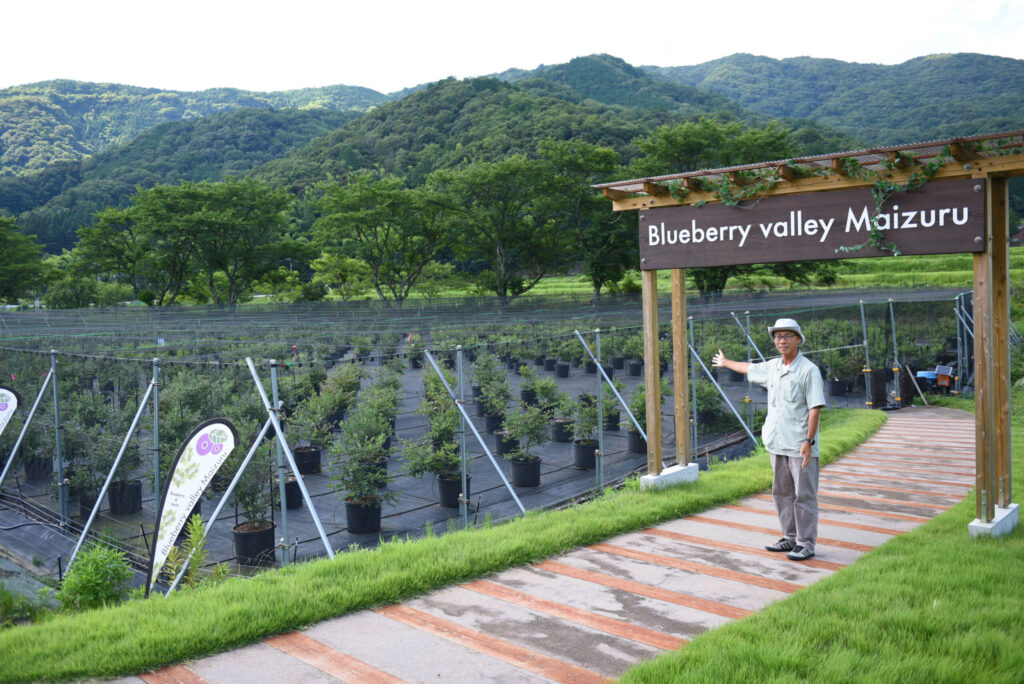
The newly opened Blueberry valley Maizuru in Muroji, Maizuru City.
Blueberry valley Maizuru, which just opened last year, is truly a remarkable spot. Tucked away in the mountains and rice paddies of Muroji, Maizuru City, it offers a fantastic experience. You can enjoy picking fresh blueberries in the summer, and the Blueberry and Herb Farm Café stays open until around December. This farm is contributing to the vitality of this peaceful rural community on the Oura Peninsula.
◆A Bright Future for Muroji District: Blueberry valley Maizuru
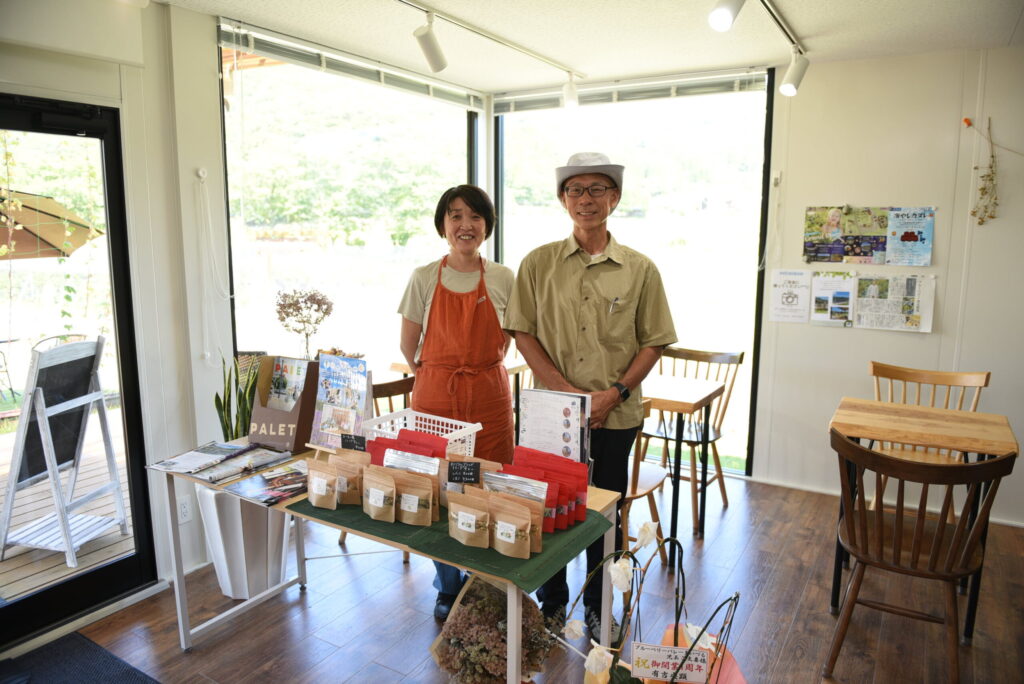
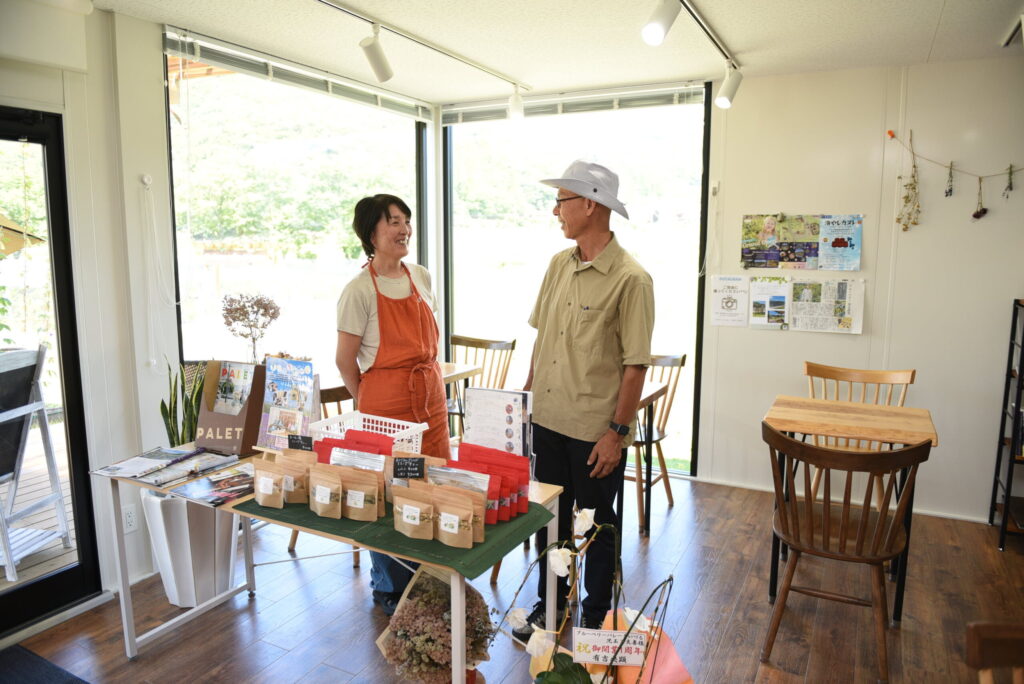
The owners, Mr. and Mrs. Kodama, at the farm café.
The owner, Mr. Wataru Kodama, is a Muroji district resident who retired from the city office at 51. Muroji, part of the Kawabe area on the Oura Peninsula, is a village with just seven households and 15 residents. Concerned about the rapid aging of his hometown, Mr. Kodama and his wife, Tomoko (also a former city office employee), took early retirement to begin farming. They established a blueberry tourism farm, hoping to bring visitors to the village and develop sustainable agriculture.
◆Attracting Visitors and Promoting Sustainable Agriculture
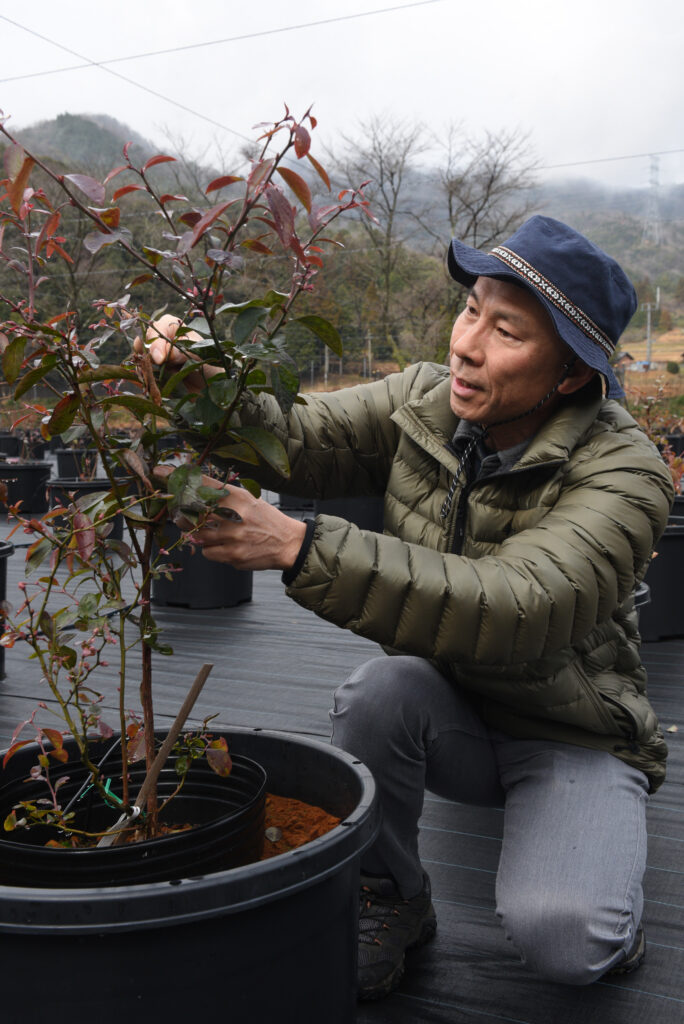
Mr. Kodama, who opened the blueberry farm with the aim of sustainable agriculture.
Blueberry picking is still a rare sight across Japan, which makes farms like this quite the attraction! In the US, blueberries are already seen as a beauty-boosting superfood, and they’re a perfect fit for Japan’s growing healthy-eating trend. Plus, they’re highly versatile, making them suitable for a range of products, including jam and juice.
The blueberry season runs from June to August, which has the added benefit of allowing the farm to operate between the rice planting and harvesting seasons.
Mr. Kodama shared his thoughts: “I saw the potential. This is a new, promising crop that also works perfectly in our region where rice farming is so central. I truly believe this is the key to achieving sustainable agriculture here.”
Everyone can enjoy blueberry picking with peace of mind.
After studying other successful farms, they made the decision to adopt the latest hydroponic cultivation system, growing their blueberries in pots. This technique offers superior sanitation to ground planting, allowing for efficient cultivation of many varieties. To ensure maximum comfort and accessibility, weed sheets are laid on the ground, keeping shoes clean and the surface level. This thoughtful design means visitors with strollers or wheelchairs, as well as the elderly and small children, can all safely and easily enjoy the fun of picking fresh blueberries.
◆Blueberry and Herb Farm Café
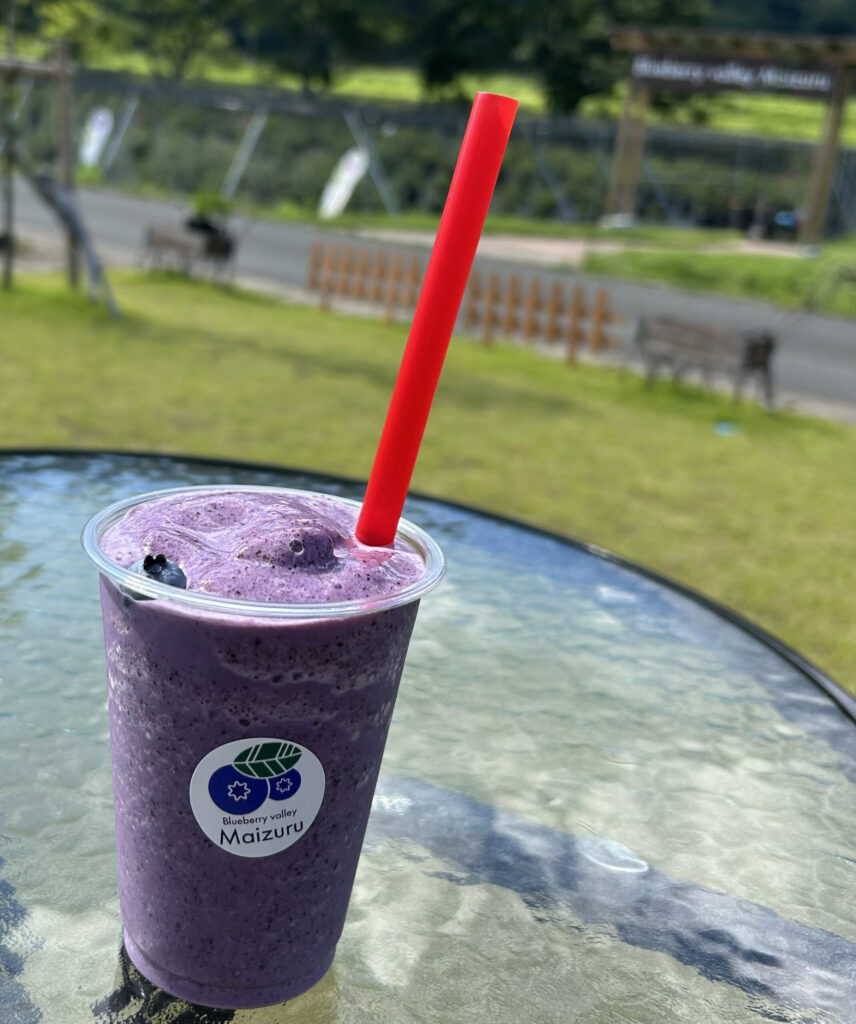
Blueberry smoothie served at the farm café.
They transformed around 2,400 square meters of their rice paddies right in front of their house into a thriving blueberry farm. With 600 bushes representing 40 different varieties, visitors can enjoy sampling and comparing the unique tastes of each kind.
The farm café offers smoothies, ice cream, and pizza made with freshly picked blueberries, as well as original herb teas using herbs grown in the herb garden by Tomoko, who is a public health nurse and certified Herb Therapist. The café is a favorite, particularly with their female customers, and its unique natural setting provides an unmatched experience.
◆A New Breeze for the Smallest Village
Mr. Wataru Kodama (right) says that the Oura Peninsula still has many beautiful landscapes and resources.
The first year saw about 1,400 visitors over 40 days of operation. In the second year, that number jumped to over 2,500 visitors from both near and far, thanks to great word-of-mouth and social media buzz. An impressive 660 of those visitors enjoyed the hands-on fun of blueberry picking! With over 4,000 cumulative visitors to the Muroji district since the opening, it’s clear this farm is bringing a fresh, new energy to the smallest village on the Oura Peninsula.
Looking ahead, they’re planning to welcome more visitors as the blueberry bushes grow, while also focusing on bringing in new varieties and improving their offerings. Mr. Kodama shared his vision to market the farm to city dwellers as a ‘healing escape for both mind and body,’ adding excitedly, “The Oura Peninsula is packed with other spots boasting gorgeous scenery and natural resources like the sea and mountains. There are so many people, like me, who are dedicated to revitalizing the village, and I truly believe the Muroji blueberry farm is becoming a spark for a fresh look at the area. We aim to be a successful example for others to follow.”
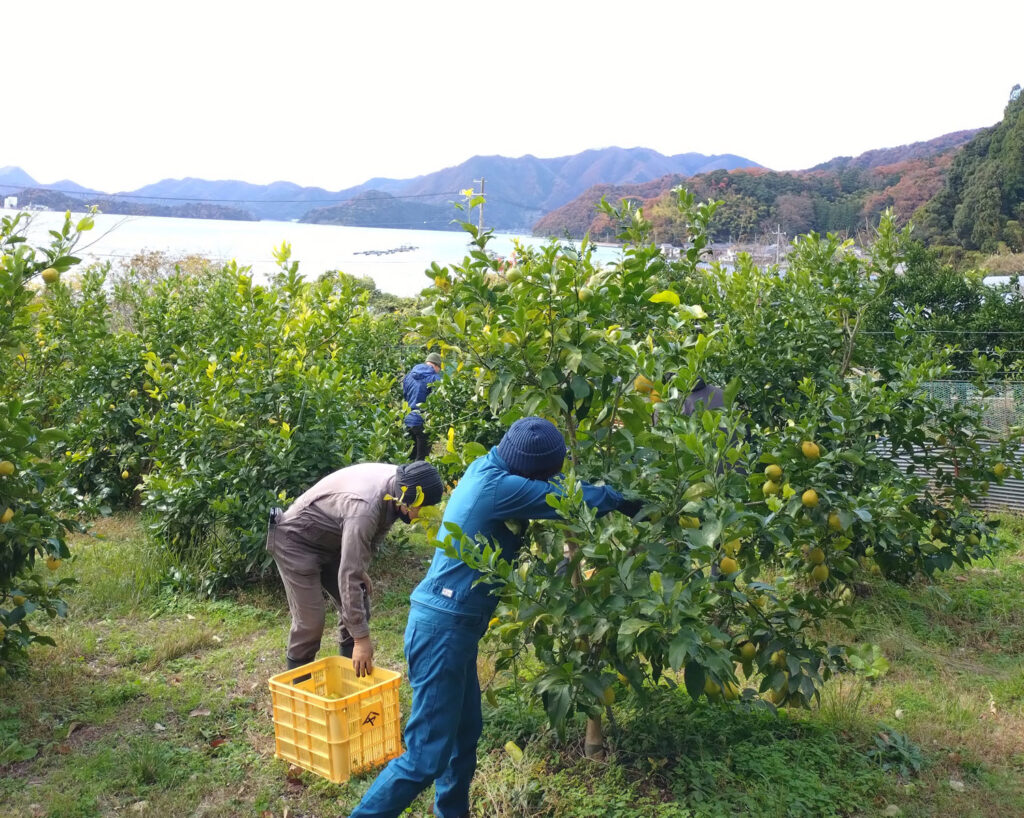
Oura Papa Lemon staff. Mr. Mori, the representative, is second from the left.
The farming group Oura Papa Lemon was established three years ago by local farmers and fishermen. They aim to cultivate safe, high-quality branded lemons on the Oura Peninsula with the hope of passing it on to the next generation.
◆Agriculture for the Next Generation: Oura Papa Lemon
Lemons being cultivated on the sunny slopes of Sabaka in Maizuru City.
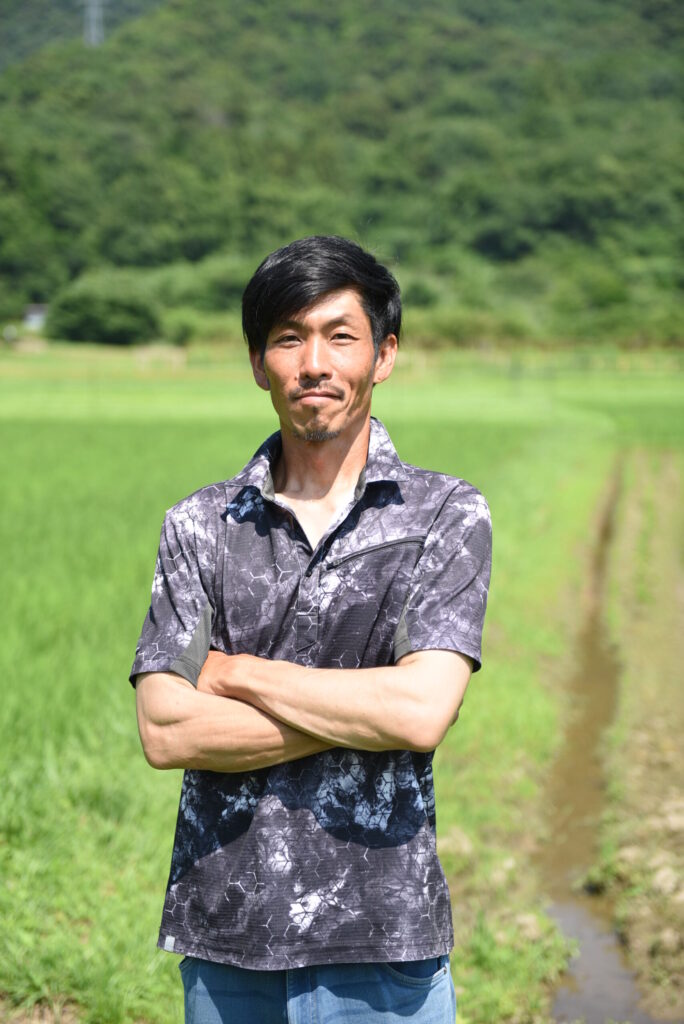
The group’s representative is Tsuyoshi Mori, who produces strawberries, Manganji sweet peppers, rice, and other crops at his farm in Akano, Maizuru City.
The group includes six members from various backgrounds, including oyster farmers, corporate employees, and self-employed individuals. The lemon orchard is located on a sunny slope in the Sabaka district of the city, utilizing idle farmland within the peninsula.
◆Kyoto Sea Breeze Lemon: A New Brand Rises from the Reclaimed Slopes of Oura Peninsula
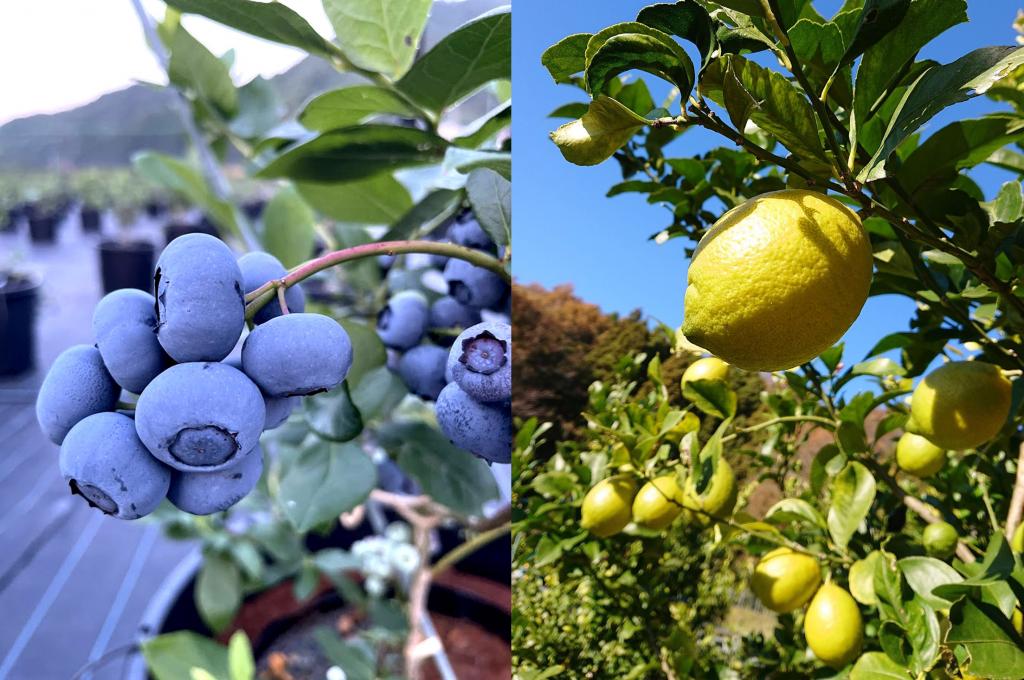
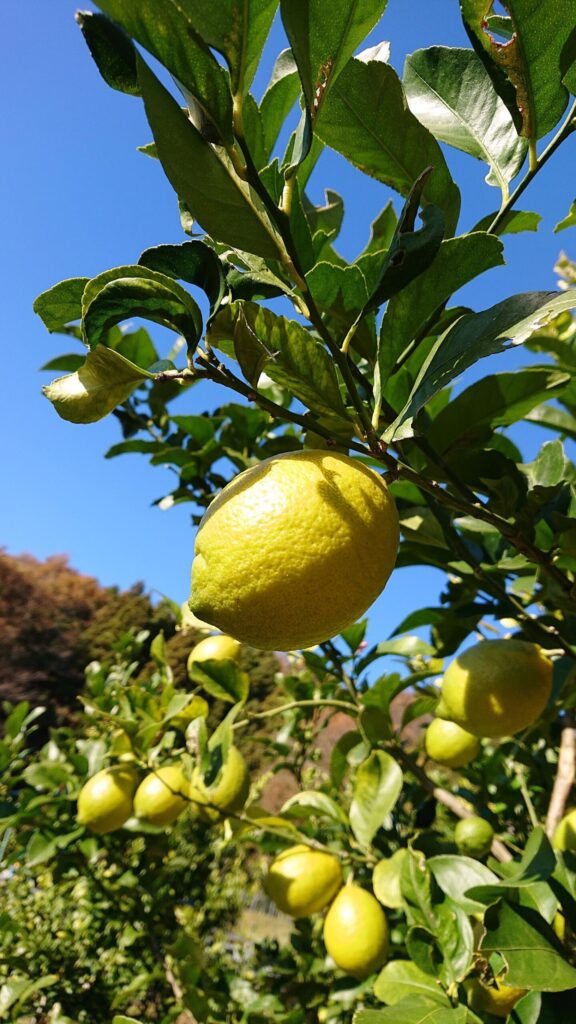
The Kyoto Sea Breeze Lemon, ripened to perfection
The Oura Peninsula is an amazing place for growing citrus, including the local favorite, Oura Mikan, along with hassaku and natsumikan. But why lemons? Mr. Mori believes lemons “hold infinite potential” because they’re so versatile in cooking and processed goods. Plus, there’s a huge market for safe, domestically grown lemons since the imported ones often have fungicides on their peels.
The sunny Sabaka district proved to be the optimal location for cultivating the lemons, which are vulnerable to cold and frost. In an effort to promote sustainable agriculture, they repurpose unused farmland, applying bamboo from untended bamboo forests as fertilizer and discarded oyster shells to condition the soil.
The lemon farm, which cultivates approximately 500 trees, has expanded significantly to about 70 are (7,000 square meters). Sold under the name Kyoto Sea Breeze Lemon (Kyoto Shiokaze Lemon), the lemons are distributed primarily through direct sales outlets and to local restaurants. Customers have enthusiastically praised the product for being “fresh, rich in flavor, and sufficiently acidic,” with the added benefit of being able to “use the peel worry-free.”
◆A Food Truck as a Billboard: Selling Lemonade and More
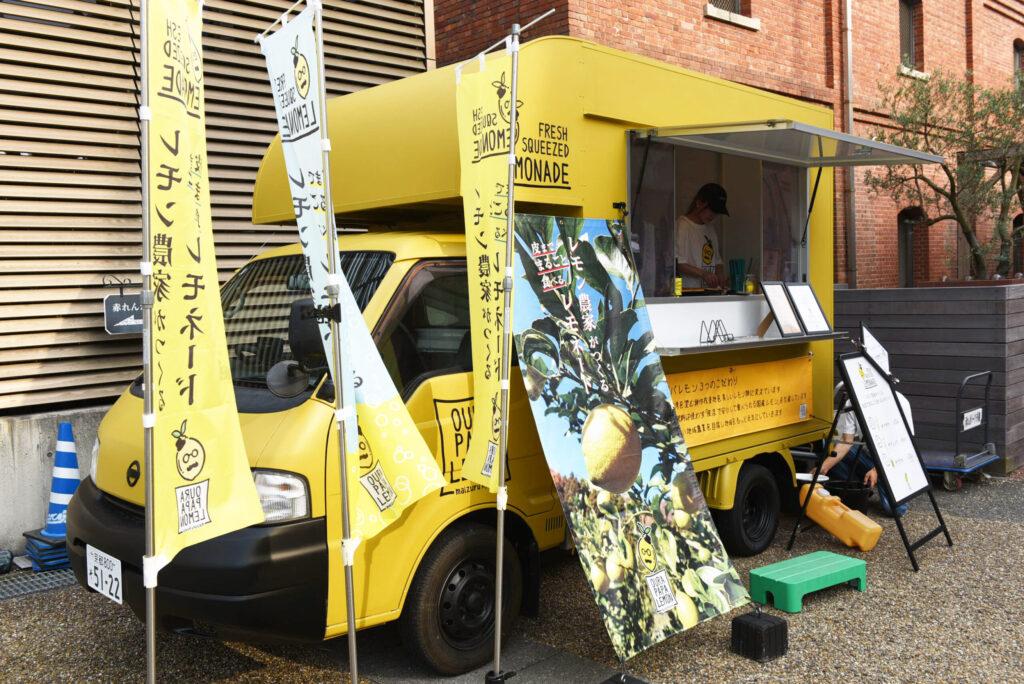
The food truck used to sell lemonade and other products at events.
To expand the market for Oura-grown lemons, they are actively promoting them by selling easy-to-drink beverages like lemonade, lemon squash, and beer. This strategy, implemented alongside continuous efforts to improve quality and ensure stable supply, aims to introduce the fruit to a wider audience. They also started using a food truck, which serves as both a mobile billboard and venue to sell their products at various events. This season’s lemons are scheduled to go on sale starting in December, with an expected shipment of 1.6 tons next year.
“We want to cultivate lemons that local children can be proud of, fostering agriculture that attracts and reunites young people in Maizuru,” says Mr. Mori. “Our goal is to create an environment where children feel connected to the community and aspire to be involved in its future,” he adds enthusiastically.
◆Developing a Local Farm Stand to Boost Regional Identity and Tourism
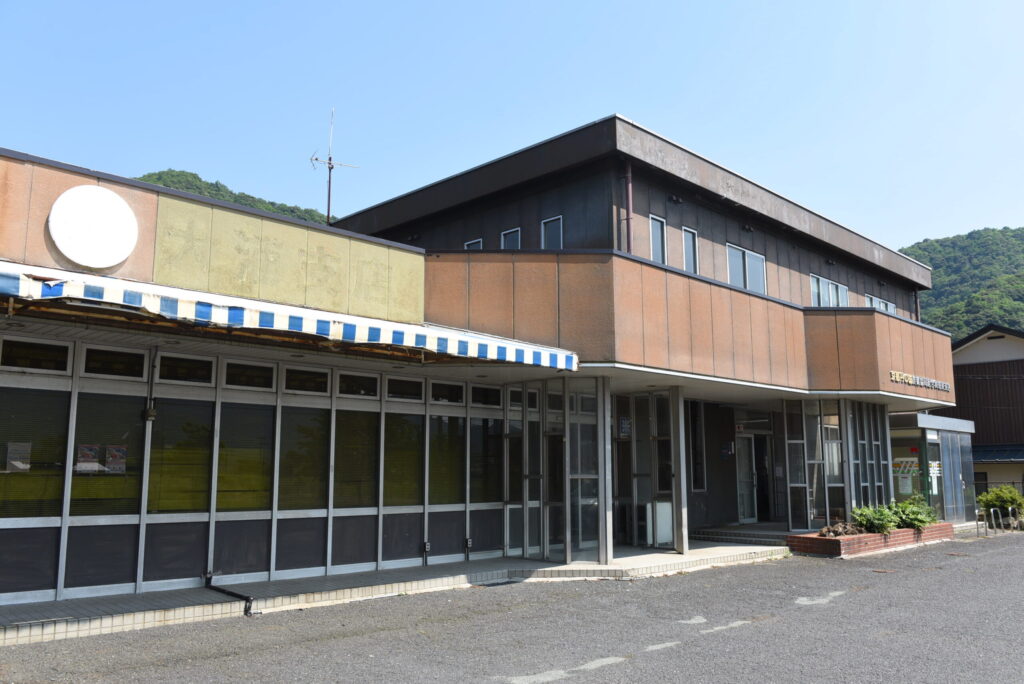
The building planned to house a direct sales outlet for farm and fishing produce from Oura.
Plans are underway to convert the former JA (Japan Agricultural Cooperatives) building into a farm stand for local agricultural and marine products. This initiative aims to attract tourists and citizens to the Oura area.
“We want to hold markets and other events at the direct sales outlet,” says representative Mori.
Mr. Mori notes, “The Oura Peninsula is blessed with a rich natural environment nestled between the sea and the mountains. It possesses unique resources, from its seasonal landscapes to its local seafood and produce. However, the region’s vitality is declining due to a shrinking and aging population. Our main challenge is to increase tourism and the number of regular visitors to encourage more people to move to or engage with the area.”
The farm stand is designed to serve as a hub for tourism and community interaction. The goal is to establish a hub for developing and selling local agricultural and marine products. This center will cater to both local consumers and tourists who are looking for fresh, safe, and locally sourced produce.
“Tourism is about more than just sightseeing; it’s a key factor in creating new connections and restoring the vitality and pride of the community,” says Mr. Mori. “I hope to organize markets and farming activities to make this a place where everyone feels welcome to visit at their leisure.”