“Wilderness is not a luxury but a necessity of the human spirit, and as vital to our lives as water and good bread,” wrote novelist Edward Abbey.
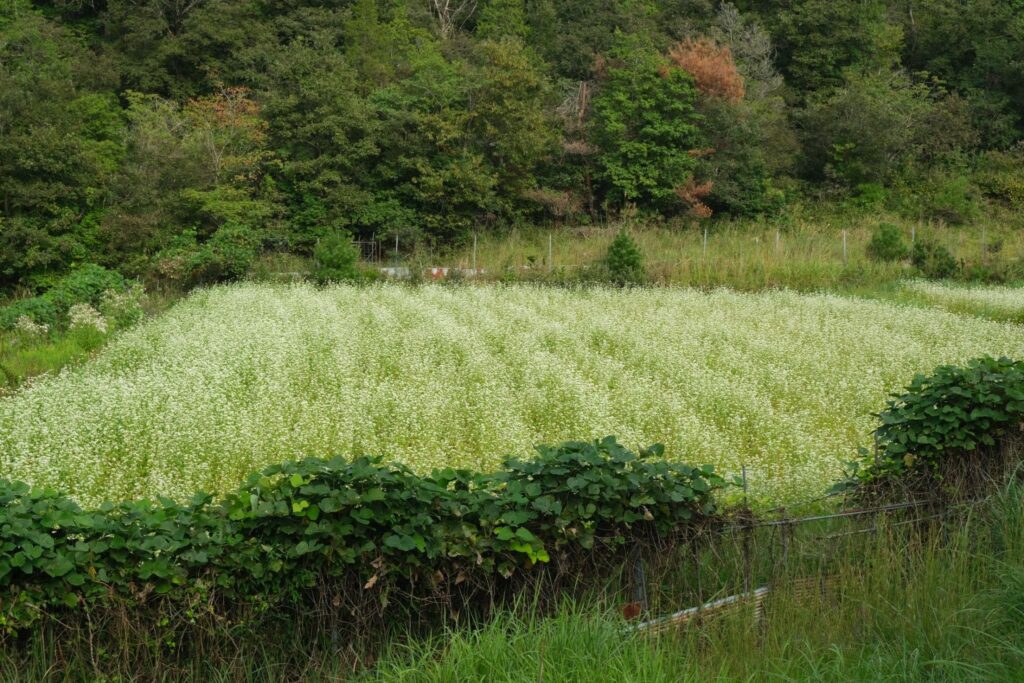
To find this vital connection, we invite you to explore the beautiful wild landscapes of Woodland Kyoto. While the eyes are treated to beautiful scenery, the soul is anchored by the area’s rich smells: the earthy fragrance of buckwheat fields, the calming aroma of incense, and the savory scent of traditional soy sauce.
This itinerary offers a unique way to revitalize the mind and body by engaging all five senses. Each destination you visit encourages you to slow down and reconnect with the therapeutic power of aroma. Here are four unique places to immerse yourself in the healing landscapes of Woodland Kyoto.
The Earthy Scent of Authentic Soba at Welcome Ueno Motoshiro
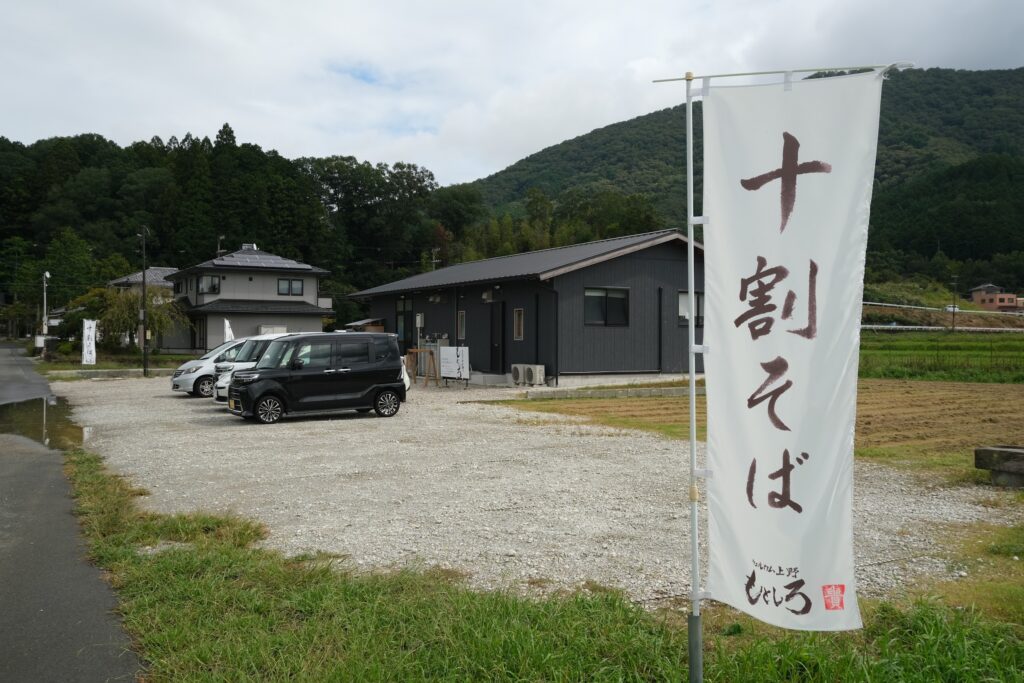
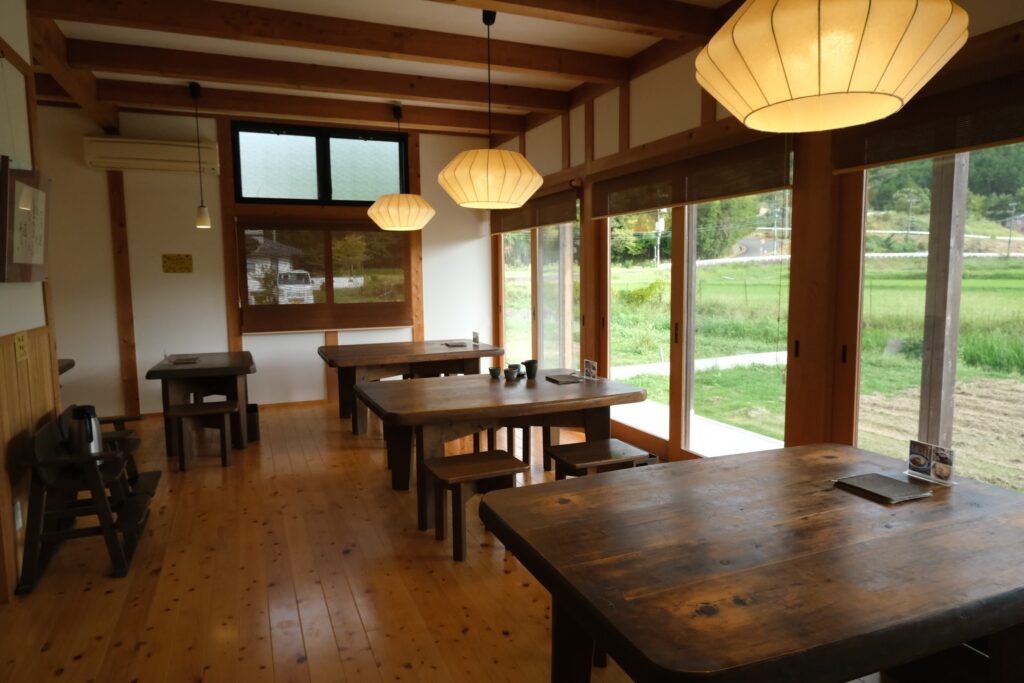
Our journey begins in Kyotamba. Here, set against a backdrop of idyllic scenery, is Welcome Ueno Motoshiro, a restaurant that embodies the true spirit of farm-to-table dining.
The owner demonstrates remarkable dedication, personally farming 1.6 hectares of buckwheat and harvesting the crop only once annually, in November.
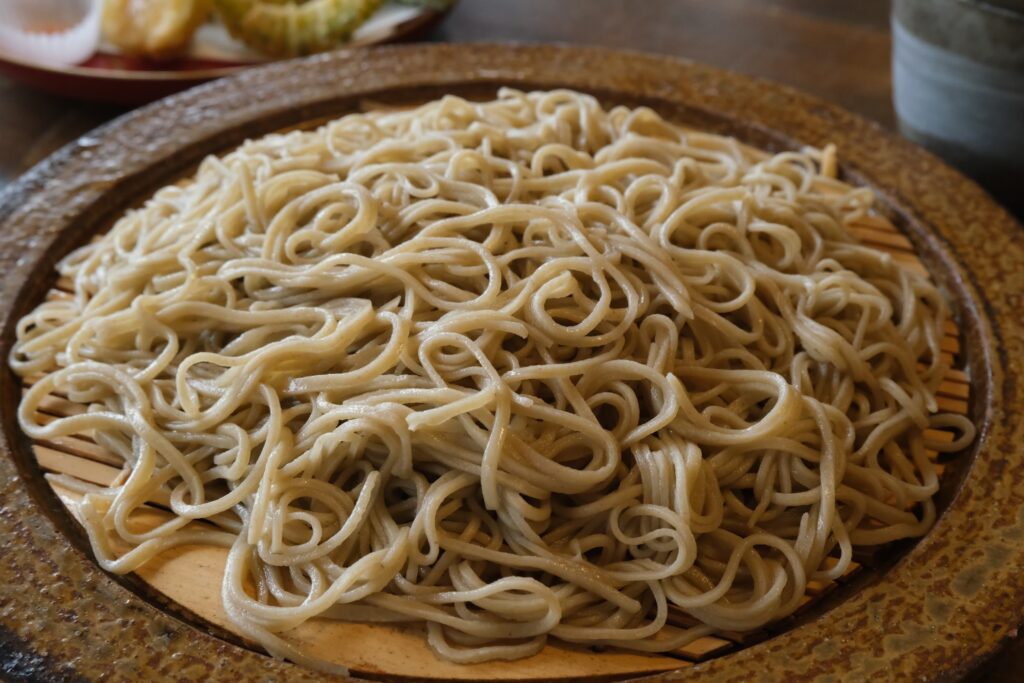
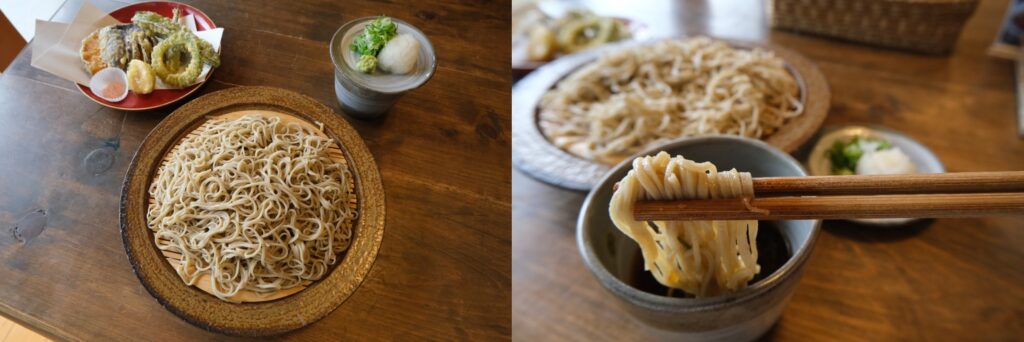
The fruits of his labor result in ju-wari soba—noodles made from 100% buckwheat flour without any wheat binder.
To fully appreciate the delicate, nutty fragrance and the texture of the noodles, he recommends the Zaru Soba (cold noodles). Without the heat of a broth to mask the aroma, the flavor profile comes through clearly.
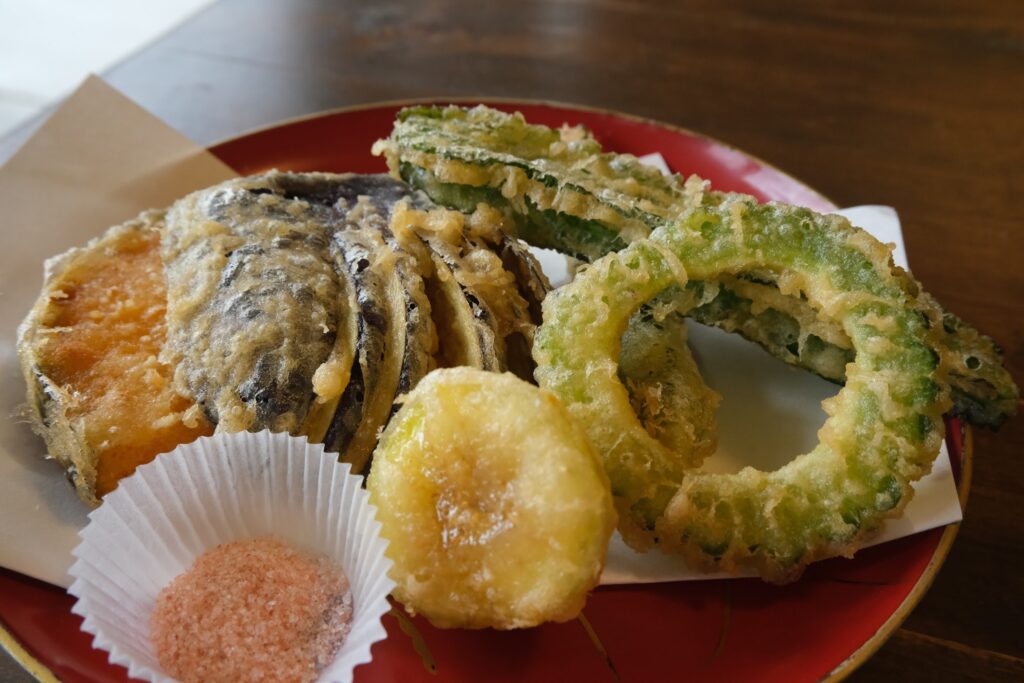
The accompanying tempura reflects the season’s bounty, featuring local vegetables that might include the slight bitterness of goya (bitter melon), the sweetness of pumpkin and figs, or the crisp snap of okra.
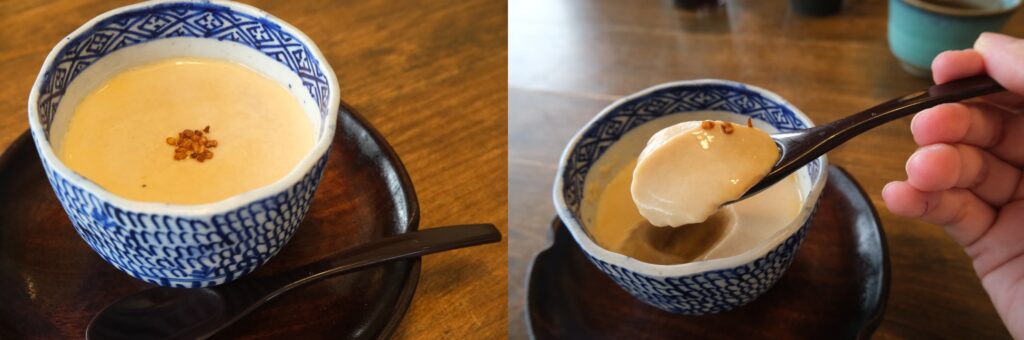
For a final treat, try the Soba Pudding. Topped with roasted buckwheat seeds and a drizzle of black sugar syrup, it offers a delightful contrast between the creamy pudding and the fragrant, savory crunch of the grains. It is a meal that feels entirely connected to the earth surrounding the restaurant.
Finding Mindfulness Through Incense at NIMBUS STUDIO
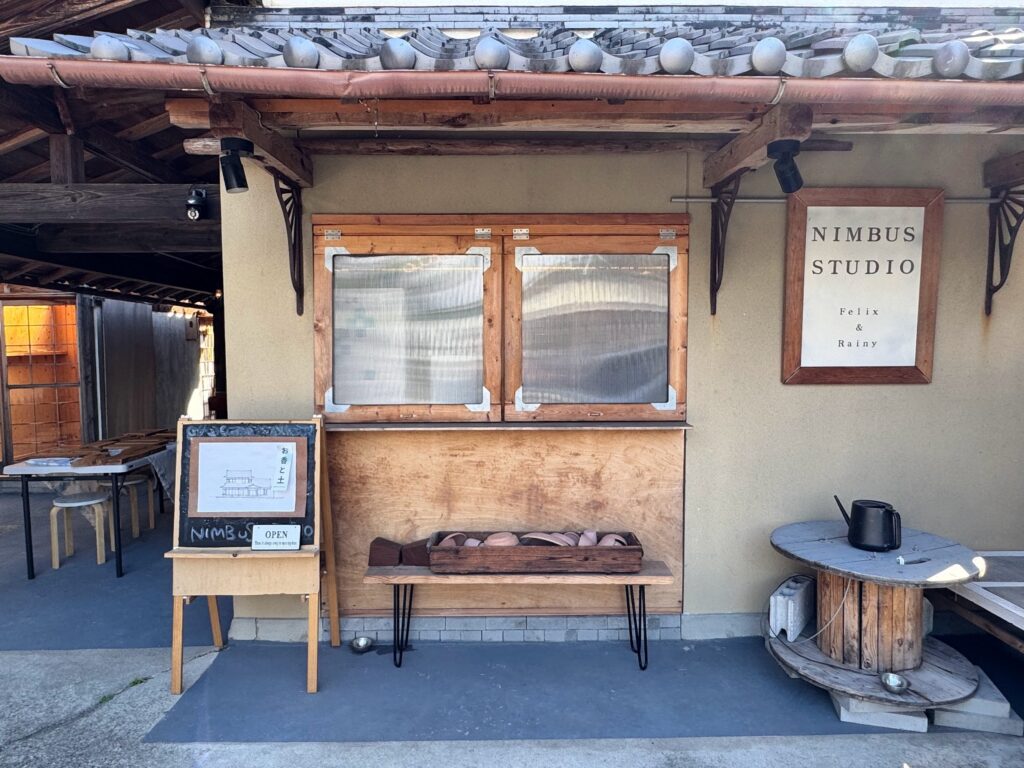
Heading south to Kameoka, you’ll discover a place where tradition meets modern design. NIMBUS STUDIO is a “Wa-modern” atelier, feeling less like a workshop and more like a peaceful haven.
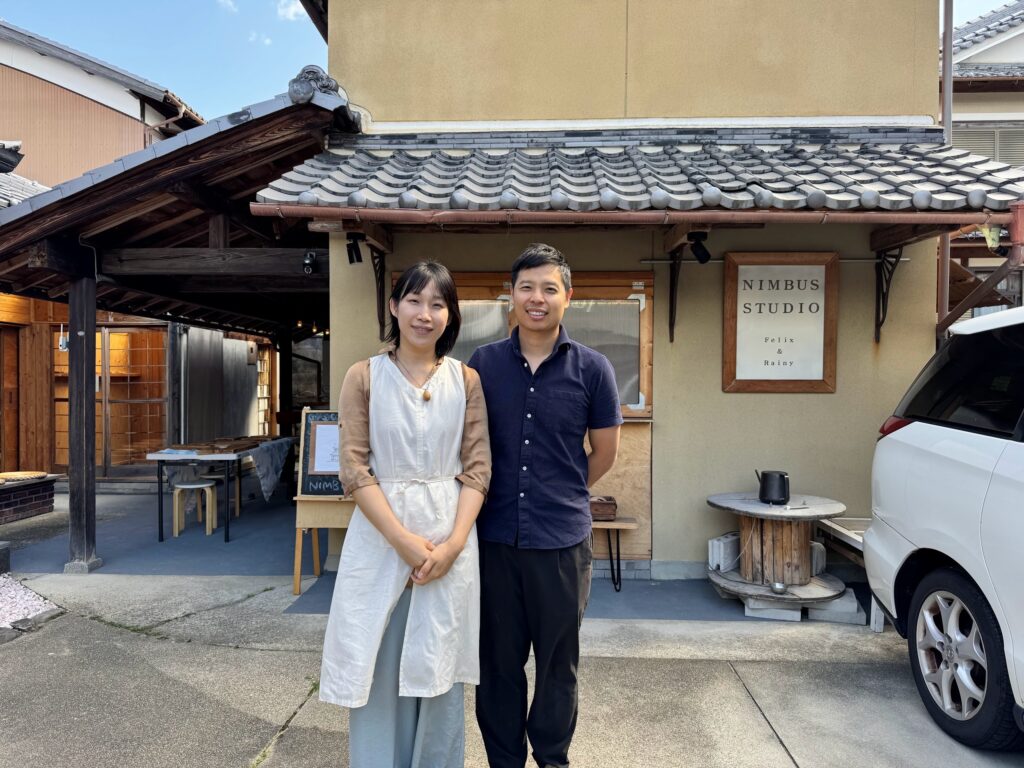
Run by an international couple, the studio creates a warm, multicultural atmosphere. The couple offers experiences in Japanese, English, Korean, and Chinese.
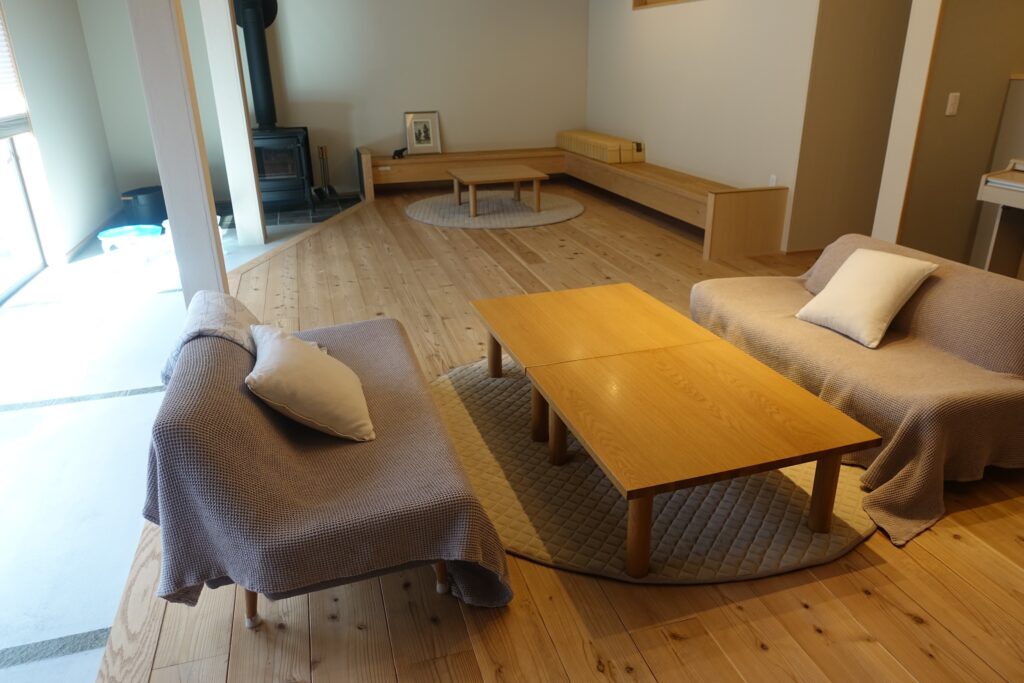
The interior, largely designed by the owner’s husband, has a welcoming warmth that encourages visitors to relax and unwind.
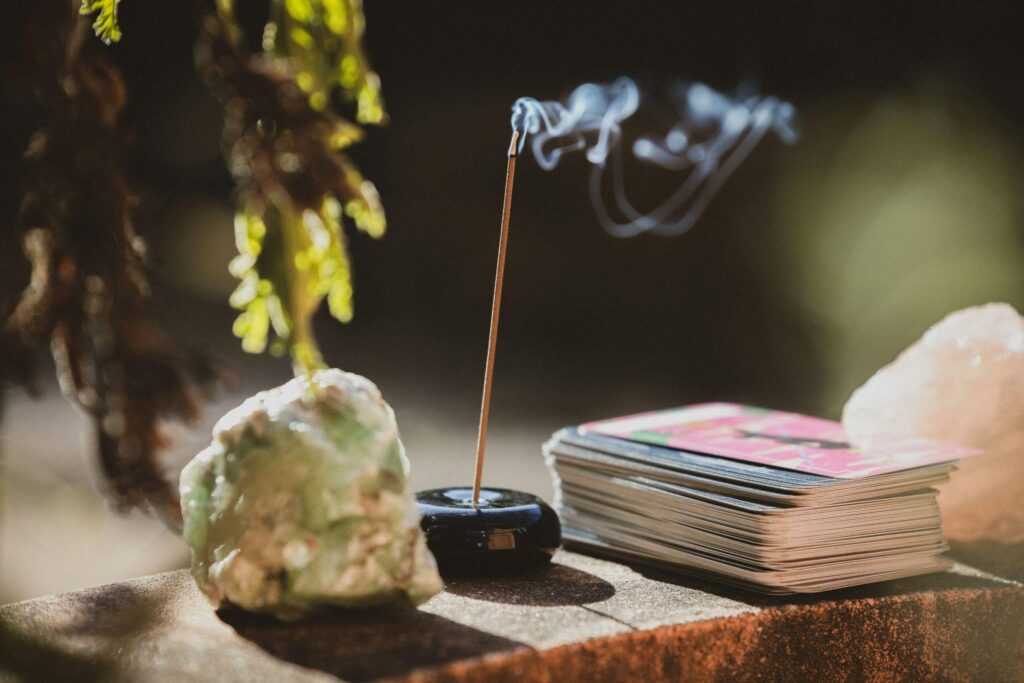
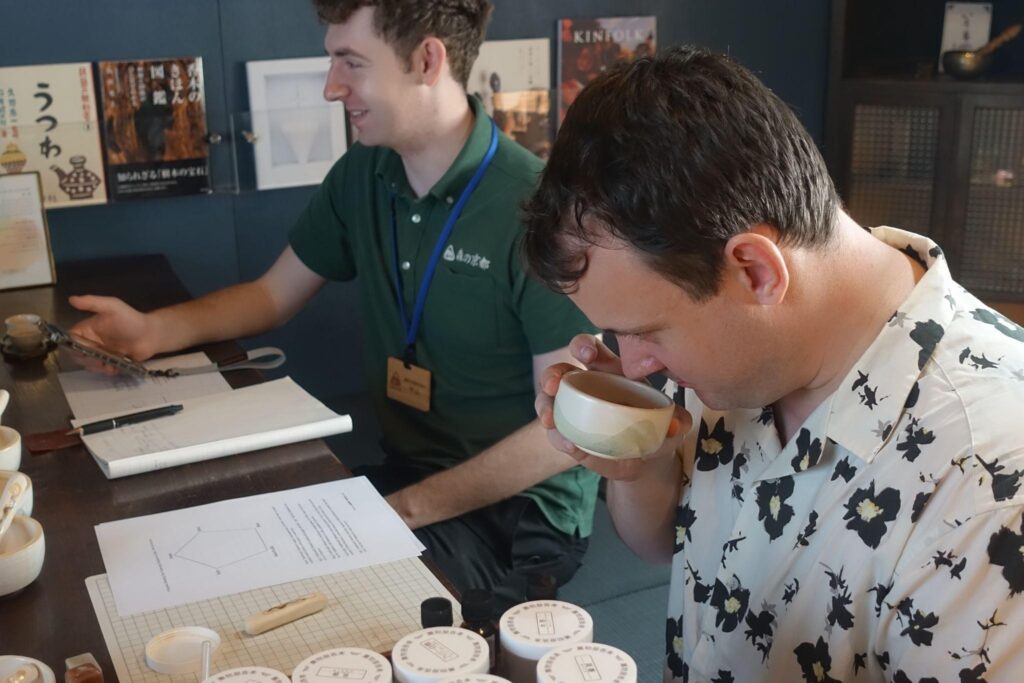
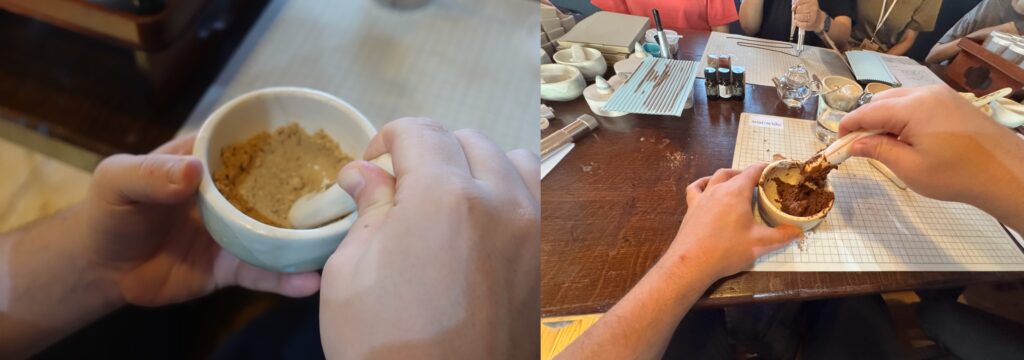
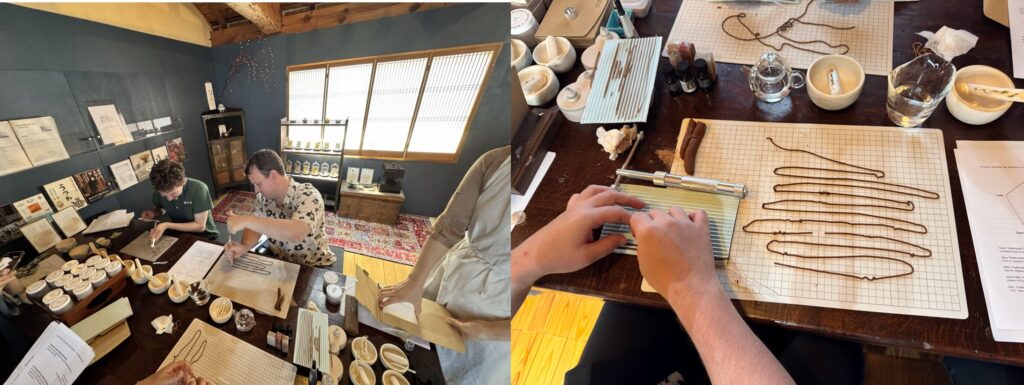
The studio offers an incense-making workshop designed to encourage mindfulness. You can choose between a pre-made mix for a simpler, faster experience, or engage with 16 to 20 different types of raw materials to craft a truly custom scent. If you choose the latter, you will encounter medicinal herbs, woody aromatics, and even unexpected scents.
The process is deeply personal. As you smell the powders, you choose the scents that resonate with your current state of mind. As you mix the materials, the air fills with a fragrance that evokes the stillness of ancient temples and deep forests.
The act of kneading, rolling, and forming the incense, feeling it between your fingers, brings a nostalgic feeling reminiscent of playing with clay or mud as a child.
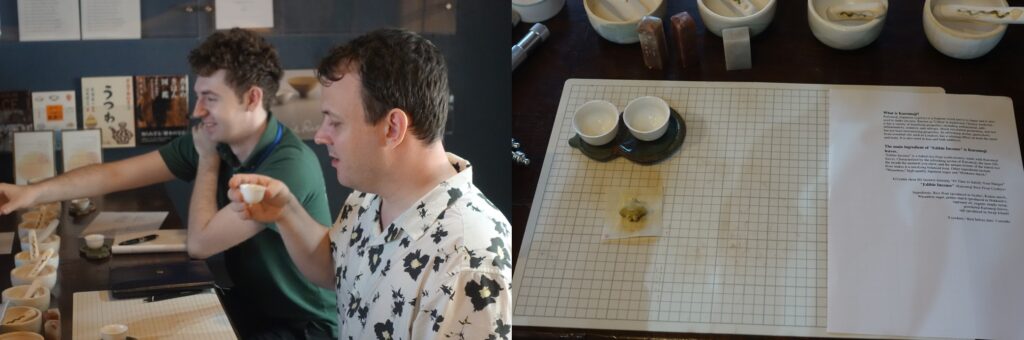
The studio also serves “edible incense.” These are cookies made with rice flour and edible Kuromoji leaves, a fragrant ingredient usually reserved for incense. These special treats are accompanied by aromatic herbal tea, a perfect way to complete the workshop.
If you’re looking for a mindful aroma experience where you can get lost in the process, Nimbus Studio is the place for you.
Healing from Within with Herbal Tea at Kawakami Herbal Tea Shop
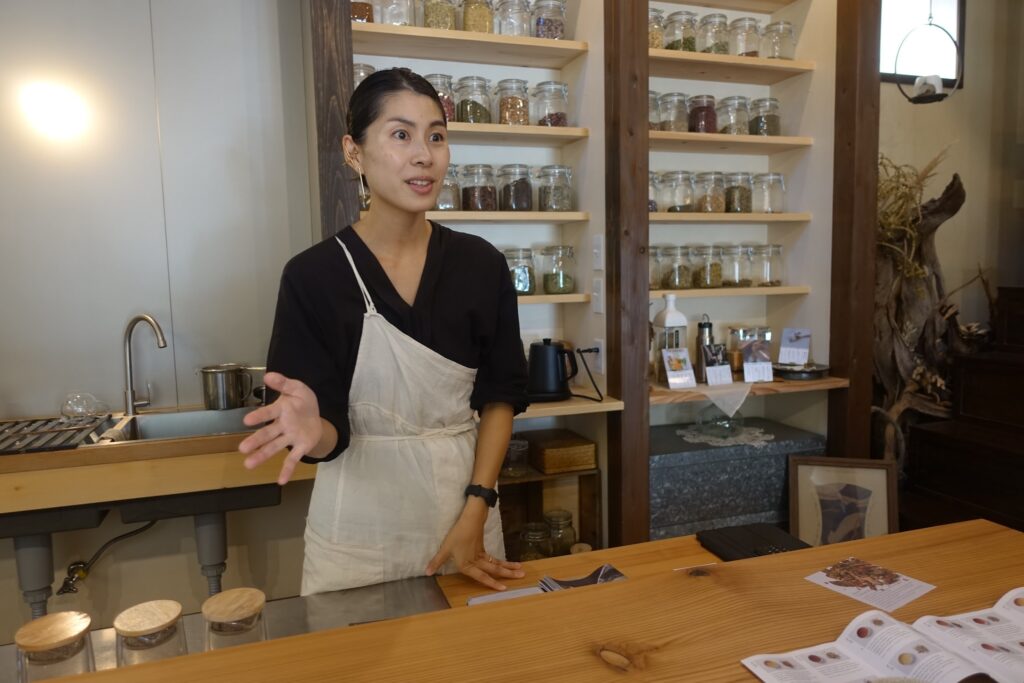
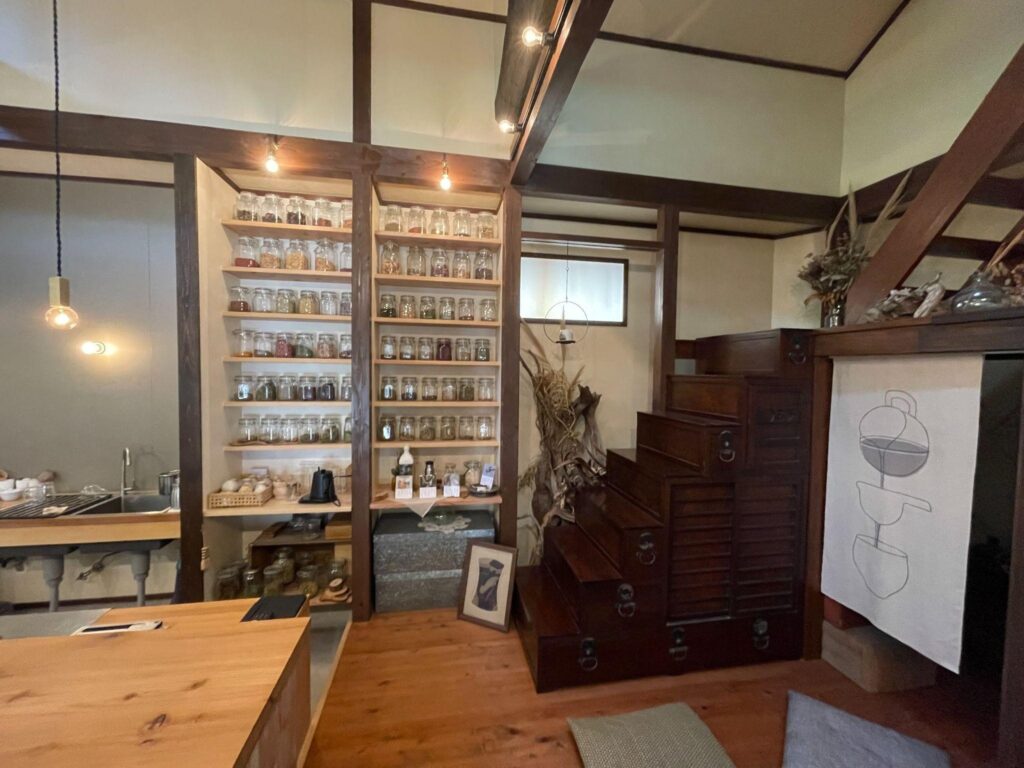
Just a short distance away in Kameoka lies another haven for the senses. Housed in a renovated former soy sauce warehouse, Kawakami Herbal Tea Shop offers a retreat for tea lovers.
Herbal therapist Mayu Kawakami established the shop after a personal journey to wellness.
Fifteen years ago, Mayu first encountered herbal therapy while addressing her own health concerns. When she saw how significantly her physical well-being improved just by creating and using her own personalized blends, she decided to study medicinal herbs further, which eventually led to her opening her shop.
The moment you step inside, you’ll notice the bright, open, and homey atmosphere, enhanced by the tall ceilings. Your senses are immediately engaged by the gentle aroma of brewing tea, soft music, and the sight of rows of glass jars filled with dried herbs.
You’ll notice the absence of clocks and screens, allowing you to be totally present and enjoy an uninterrupted experience where you can forget about the time.
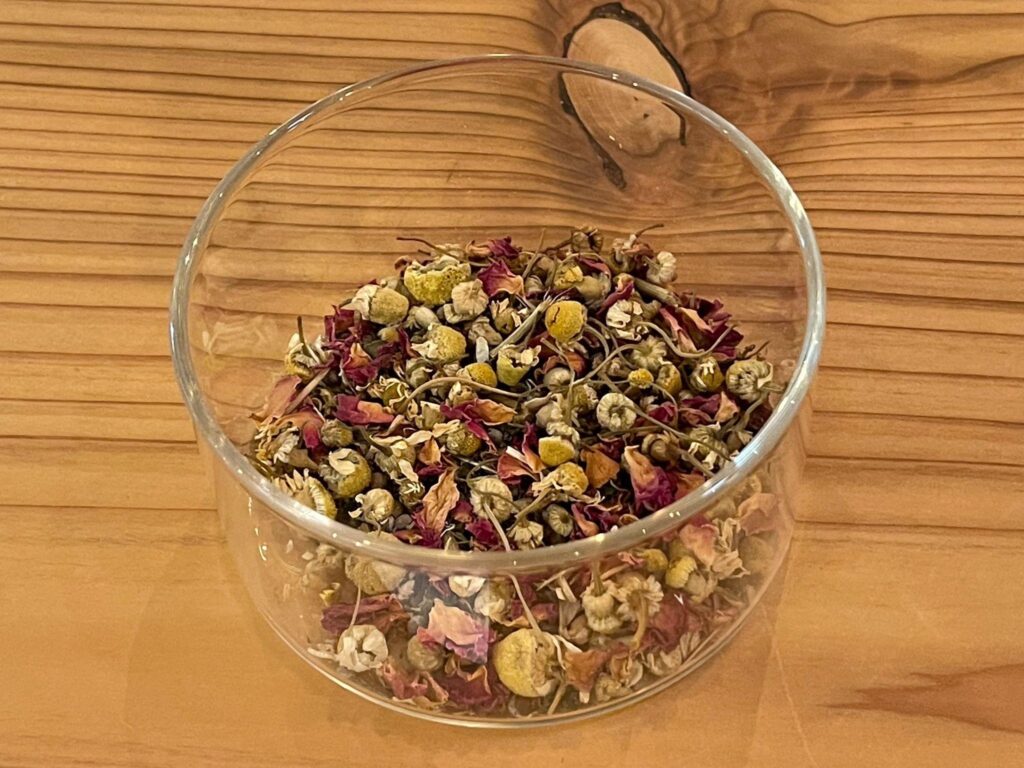
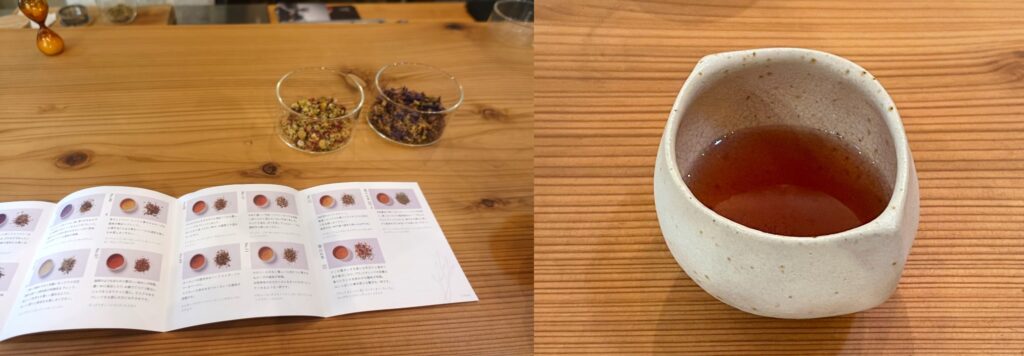
Visitors can book an hour-long session to sample various pre-mixed herbal teas. She offers gentle guidance if you’re unsure what to choose, based on your flavor preferences from previous samples. You simply select the blend that best suits your taste or current needs.
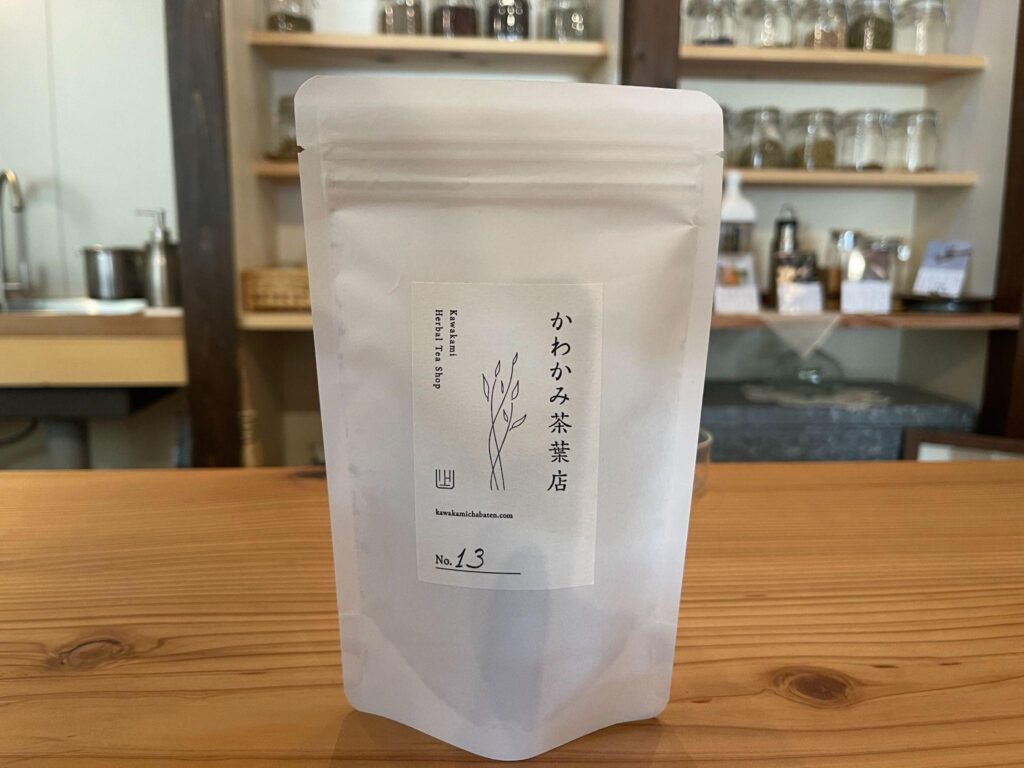
Sustainability is also important here. Mayu often incorporates fragrant “leftovers” from other industries, such as cacao husks, which lend a rich, chocolate note to the teas. Guests can buy their favorite blends to take home, but like all natural products, they’re best enjoyed within a year to ensure their full aromatic and healing properties.
Our final destination is Ayabe, where we encounter a scent that is fundamental to Japanese cuisine: soy sauce.
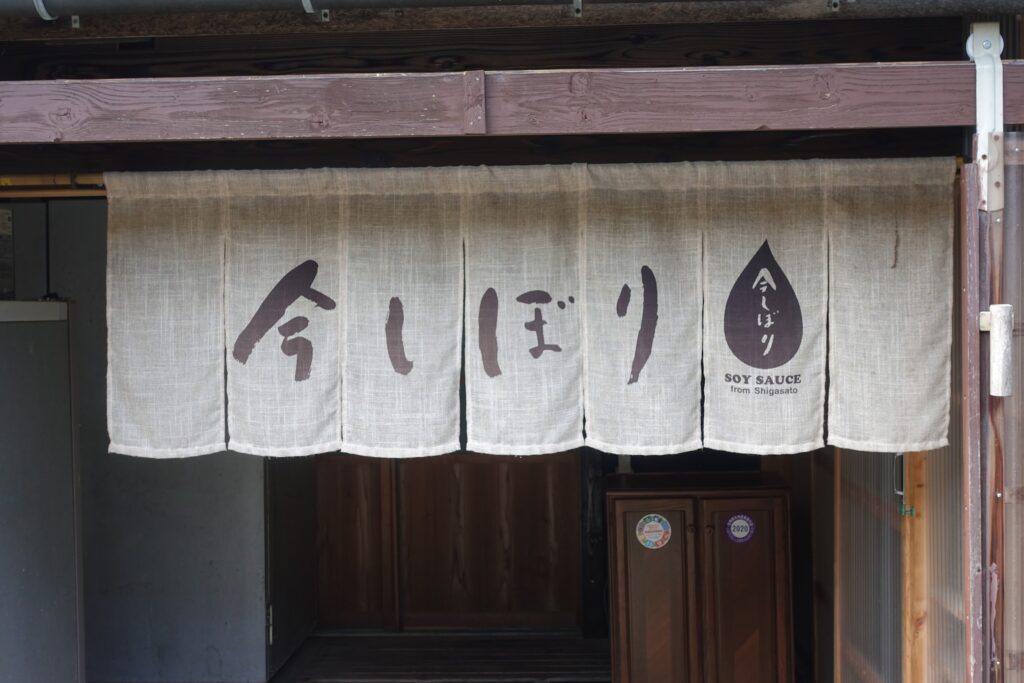
Imashibori embodies the traditional soy sauce brewery.
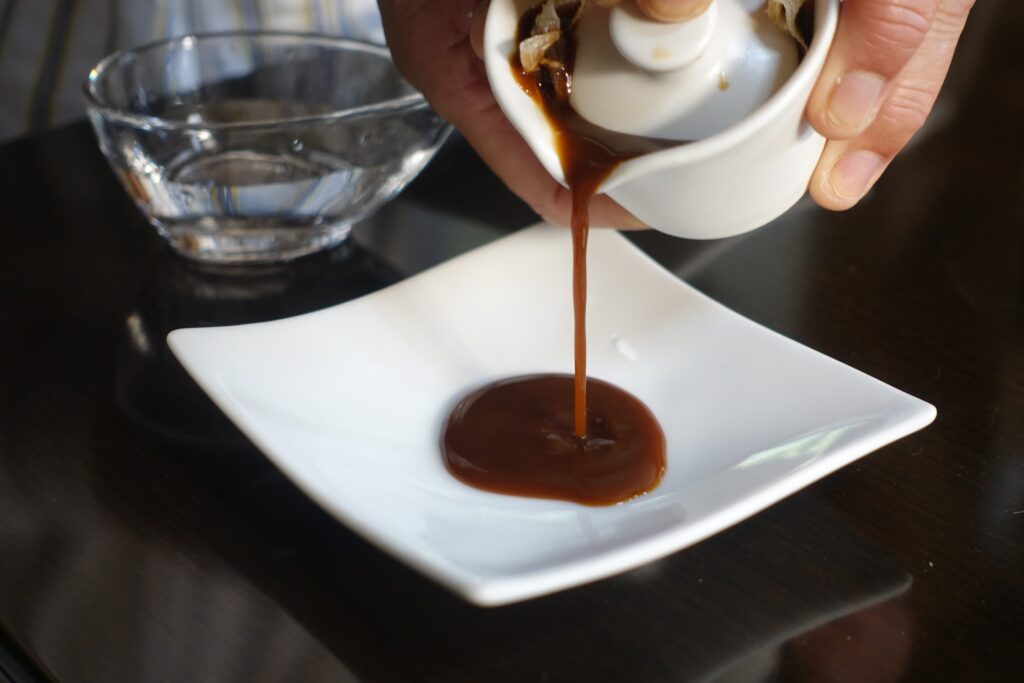
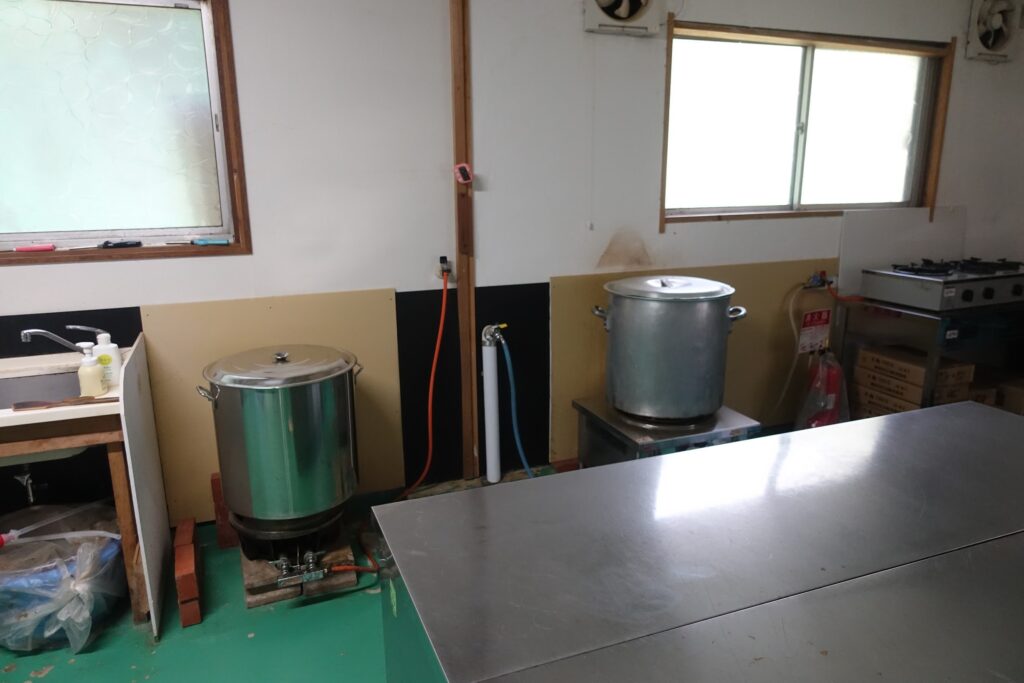
While most modern makers sell finished liquid products, Imashibori lives up to its name—meaning “Press Now”—by providing the ingredients for you to press fresh at your leisure. This unique venture was founded by six families who relocated to Ayabe, striving to build a business that would support their livelihoods while enriching the local community. The result is an artisanal operation where, upon arrival, you are greeted by air thick with the savory, appetizing aroma of roasting wheat and boiling soybeans.
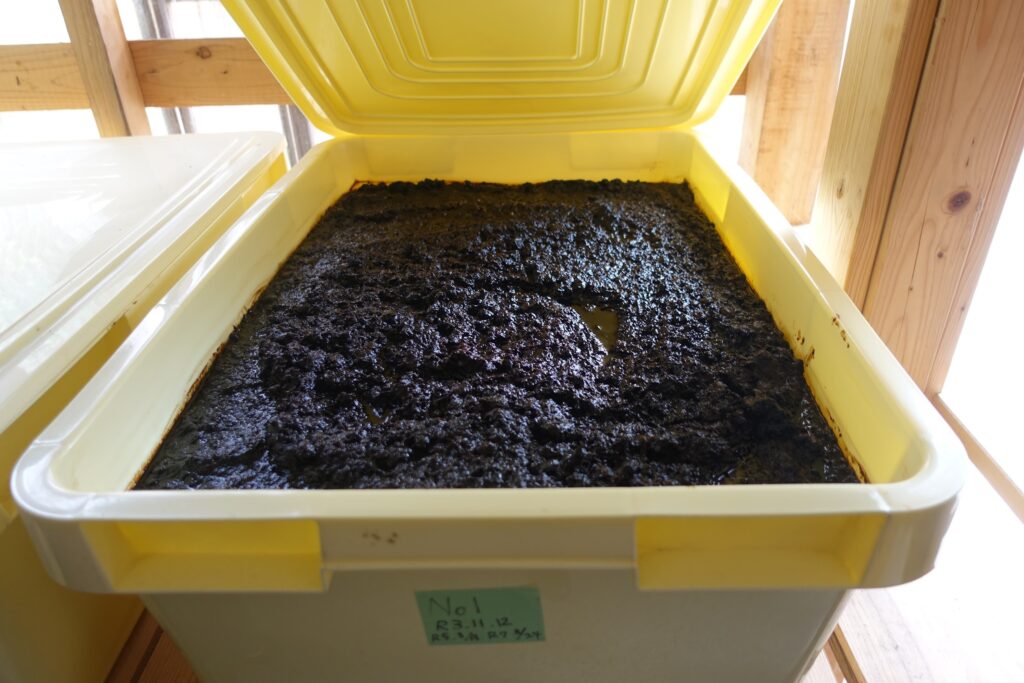
They’re innovative with how they use their space. They do the initial fermentation and most of the processing in one building, but then they move things over to a dedicated greenhouse for the long fermentation, which can actually take up to two years.
Here, they champion the concept of sodateru shoyu, or soy sauce you can nurture. Instead of simply buying a finished bottle, visitors can acquire a kit to ferment their own soy sauce at home.
The process involves mixing the moromi (the mash of soy and wheat) with water and caring for it over two years. Since the bacteria remain active, you become an active participant in the fermentation process.
The facility is also deeply committed to sustainability, which is where Imashibori truly distinguishes itself from larger manufacturers. In conventional soy sauce production, the pressed remains of the nutrient-rich moromi are often diluted and discarded. However, Imashibori ensures this valuable moromi is fully utilized by making it their main product.
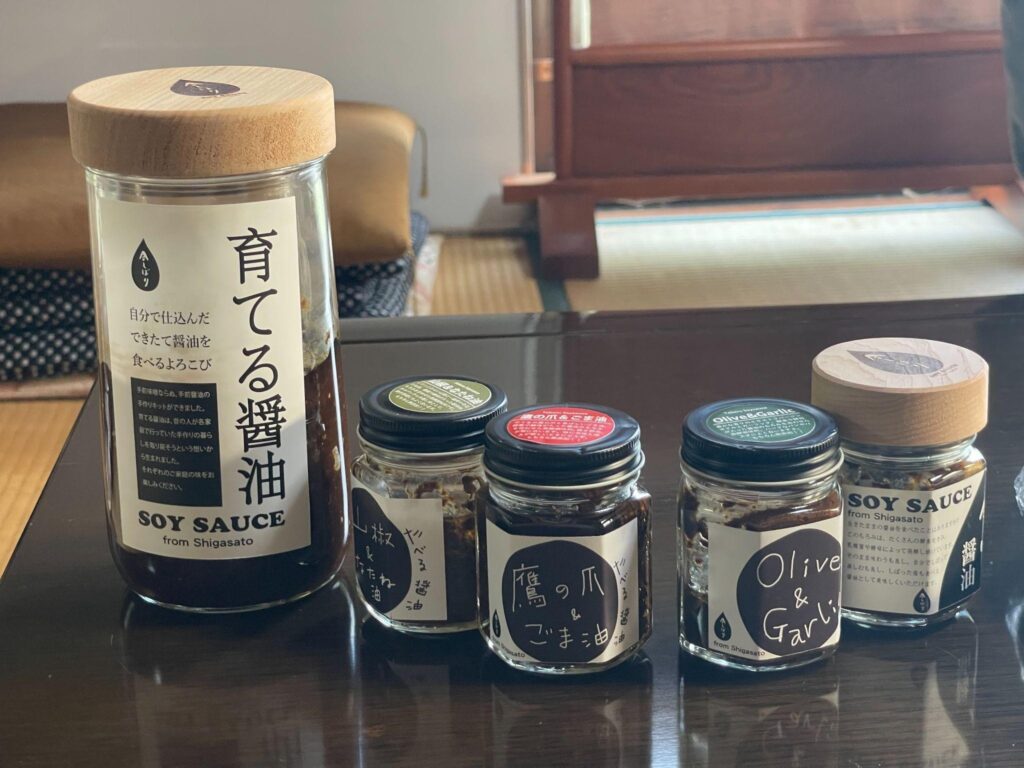
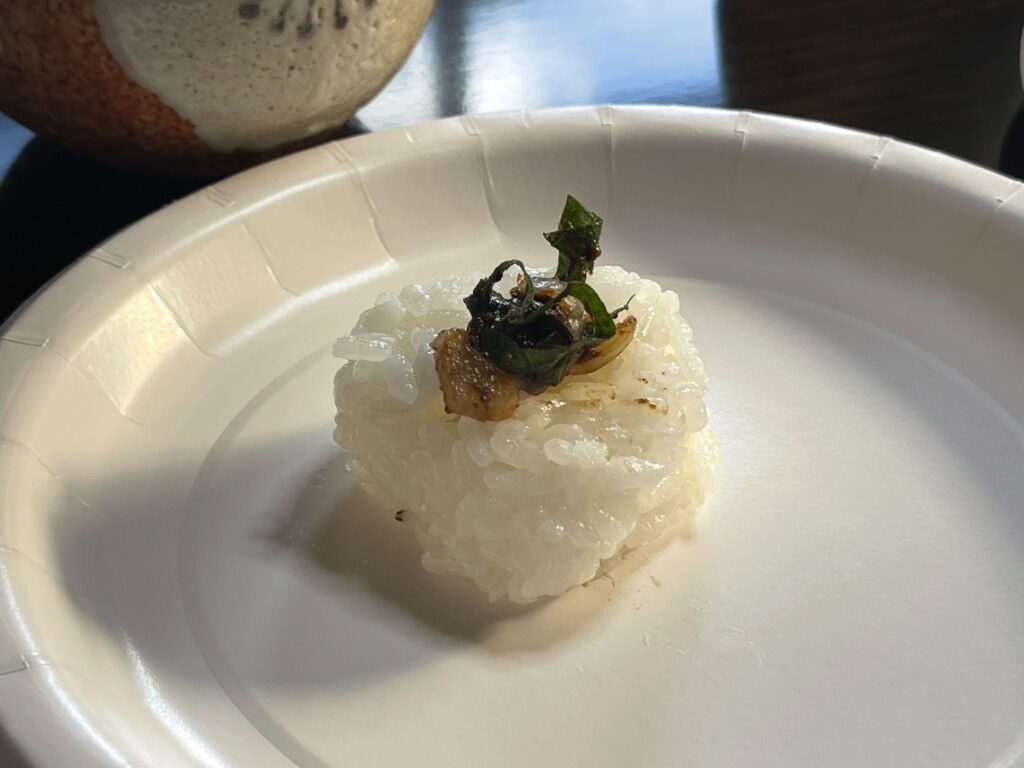
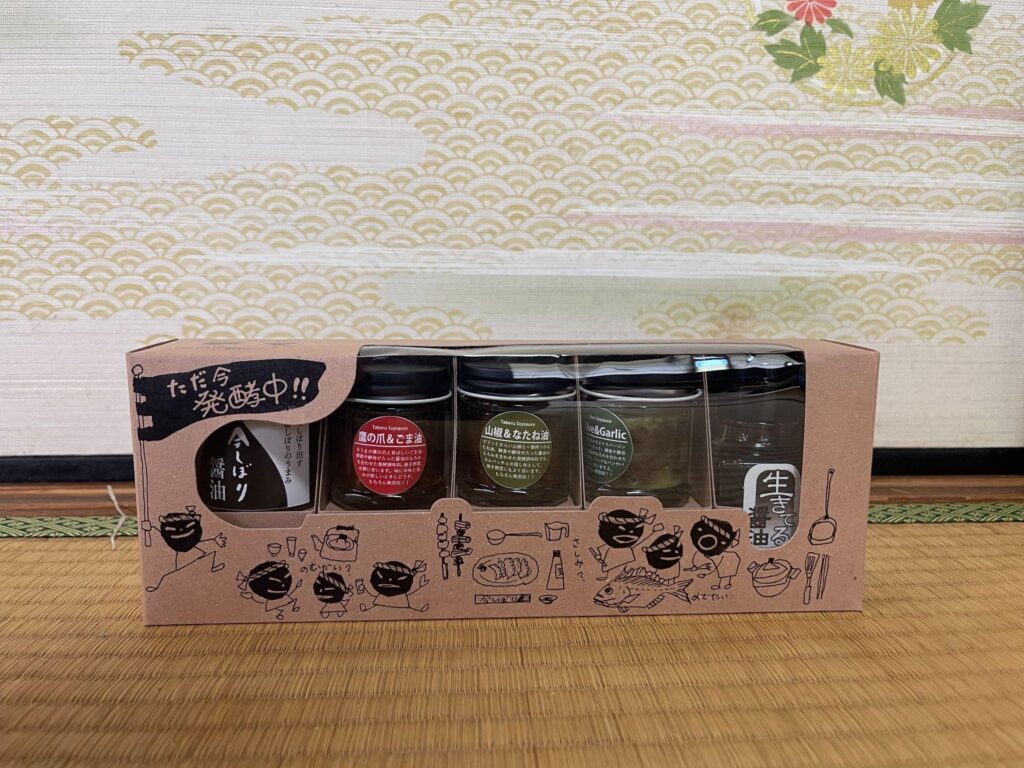
They incorporate it into other products, blending it with powerful aromatics such as chili pepper, fragrant garlic, and Japanese pepper. These intensely savory and salty products serve as excellent accompaniments to plain white rice and rich seasonings for a variety of dishes.
Individual bottles or sets are available for purchase on-site and at major department stores.
A rental car is highly recommended. These locations are situated in rural areas (Kyotamba, Kameoka, Ayabe) where public transport can be infrequent. Driving also allows you to enjoy the scenic landscapes at your own pace.
Is English spoken at these facilities?
Proficiency varies. For the best experience, book a tour with an experienced guide.
Do I need reservations?
Yes. Workshops and visits are generally by appointment.
What is the best season to visit?
Autumn, particularly around October or November, is ideal. This is the season for fresh soba at Motoshiro, and the changing leaves in the woodlands provide a breathtaking backdrop for your visit.
Conclusion
From the subtle, nutty flavor of fresh buckwheat in Kyotamba to the meditative fragrance of incense in Kameoka, and the robust, savory aroma of soy sauce in Ayabe, this journey is a feast for the senses.
By stepping away from the city and into the woodlands, you allow yourself the space to breathe deeper and engage with the authentic heart of Japanese culture.
Ready to refresh your senses? Discover the healing and aromatic atmosphere of Woodland Kyoto.