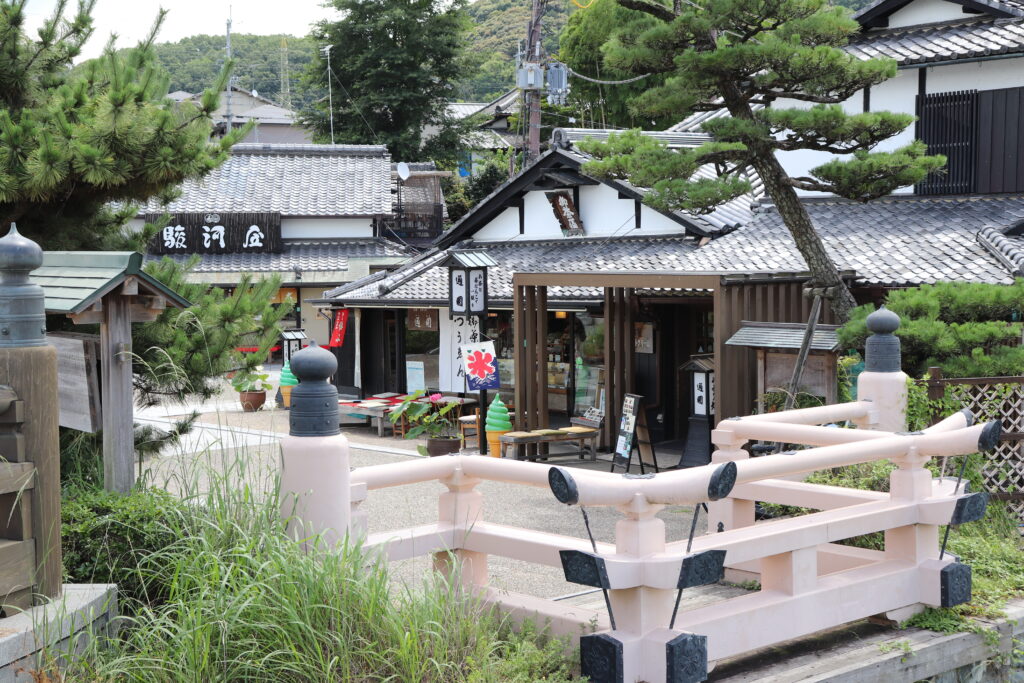
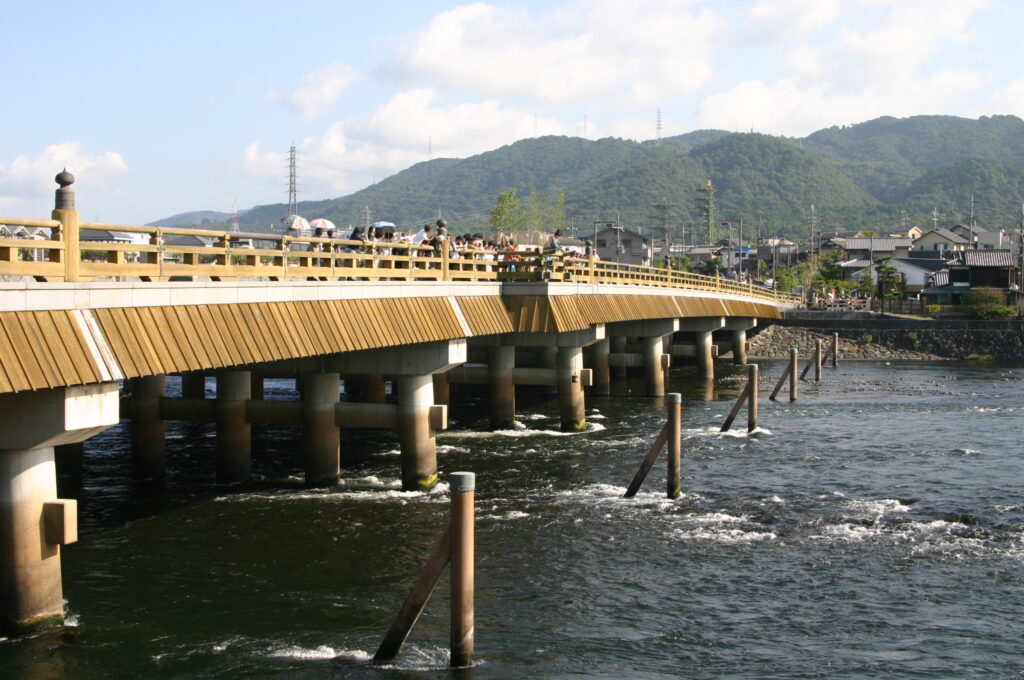
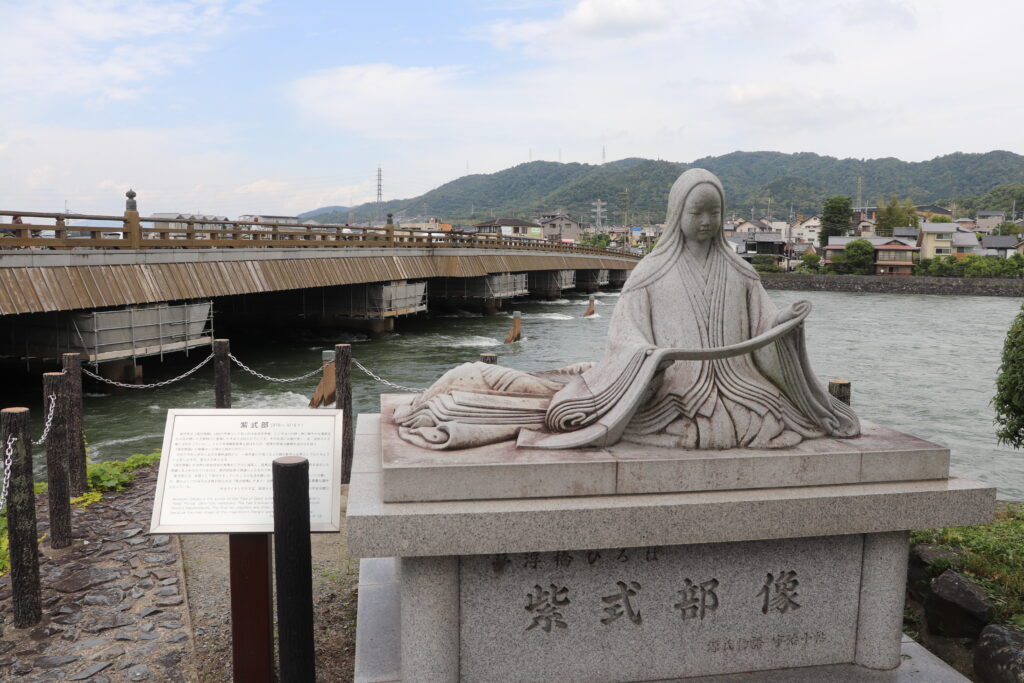
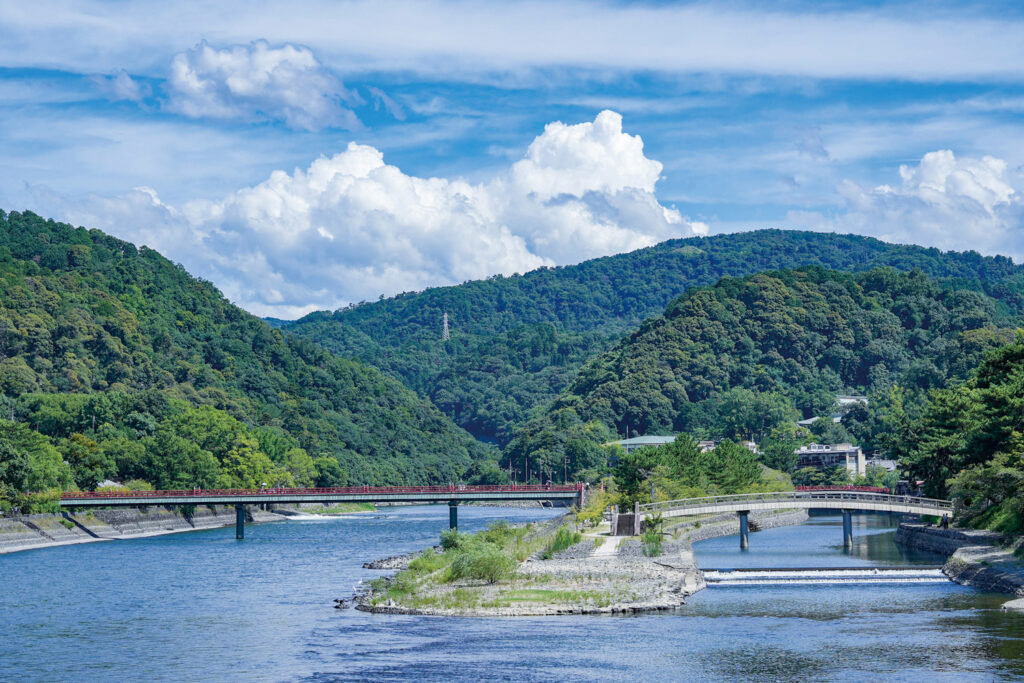
Tsuen-chaya Teahouse is the oldest existing teahouse in Japan, built in 1160 by Furukawa Unai (later renamed Taikeian Tsuen Masahisa), a samurai vassal of Minamoto no Yorimasa. The teahouse is currently run by the 24th generation head of the Tsuen family, Yusuke Tsuen. The existing building, constructed in 1672, is a fine example of the architectural style of machiya (traditional townhouses) in the Edo Period (around 1603-1868). It is registered as a part of the Japan Heritage (Japanese Tea: Eight Centuries of Tradition).
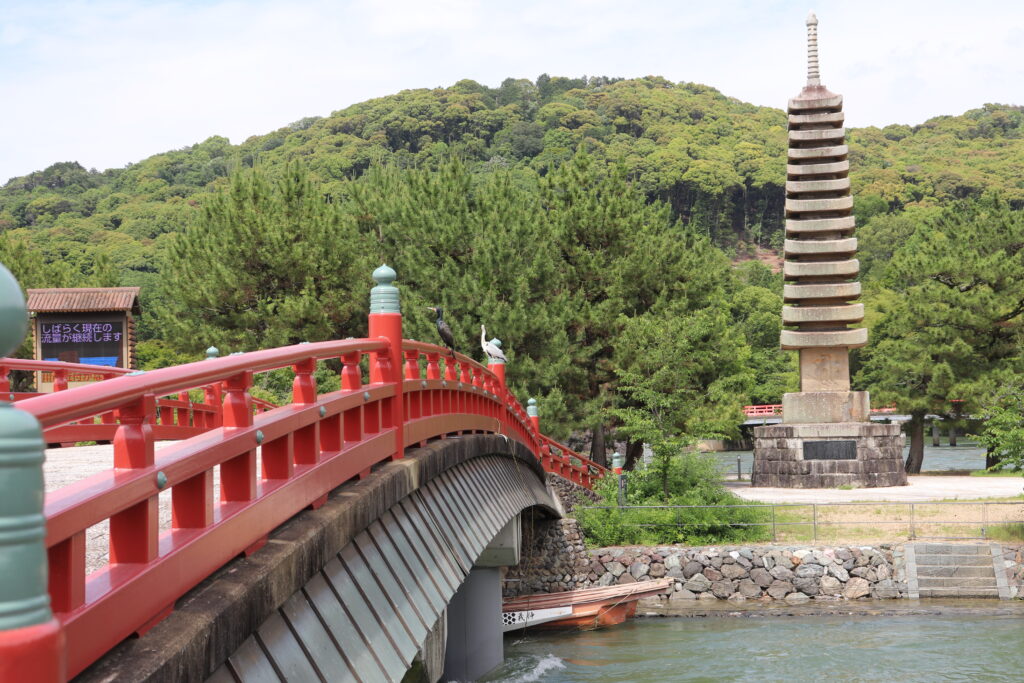
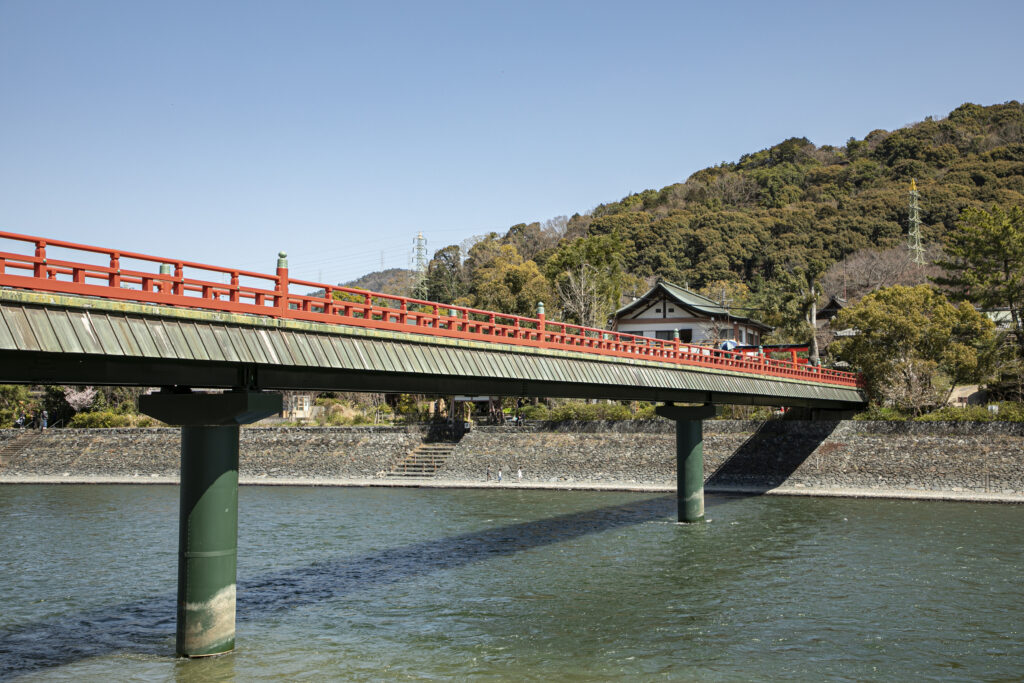
After retiring as a samurai, Furukawa Unai changed his name to Taikeian Tsuen Masahisa, and built a hermitage on the east bank of the Uji River by Uji-bashi Bridge. He settled there as a monk, and the hermitage later became the teahouse. His descendants inherited the surname Tsuen, and in their role as guardians of the bridge, they’ve continued to wish for its durability and the safety of those crossing it. “Tsuen,” a kyogen (a form of traditional Japanese comic theater) depicting the relationship between Minamoto no Yorimasa and Taikeian Tsuen Masahisa is still frequently performed today. The teahouse was visited by renowned historical figures, including Ashikaga Yoshimasa, Toyotomi Hideyoshi, and Tokugawa Ieyasu.
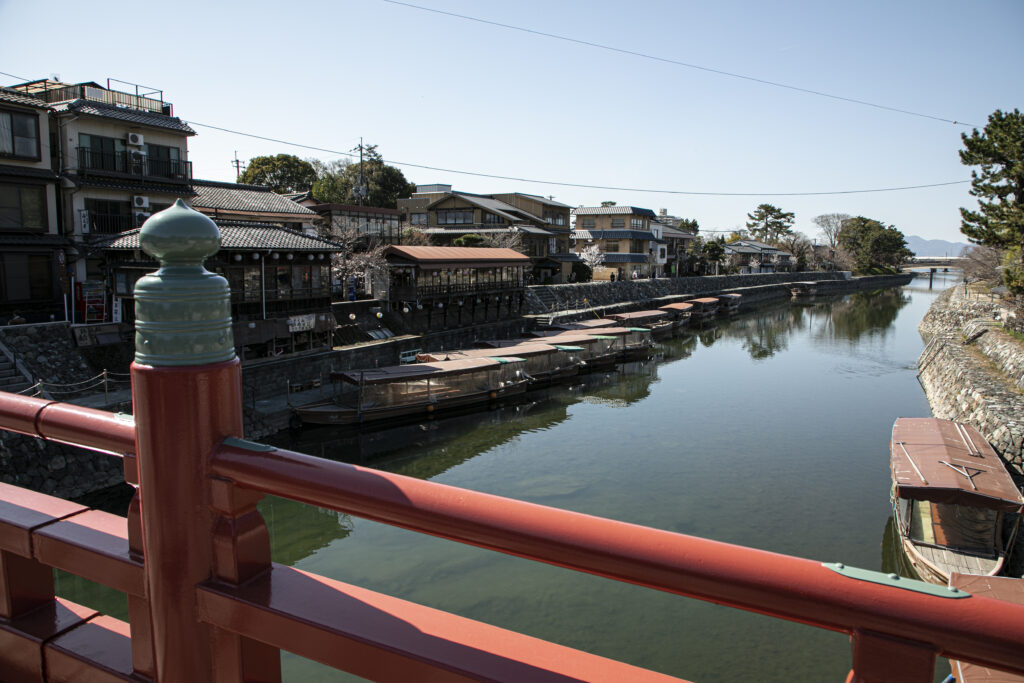
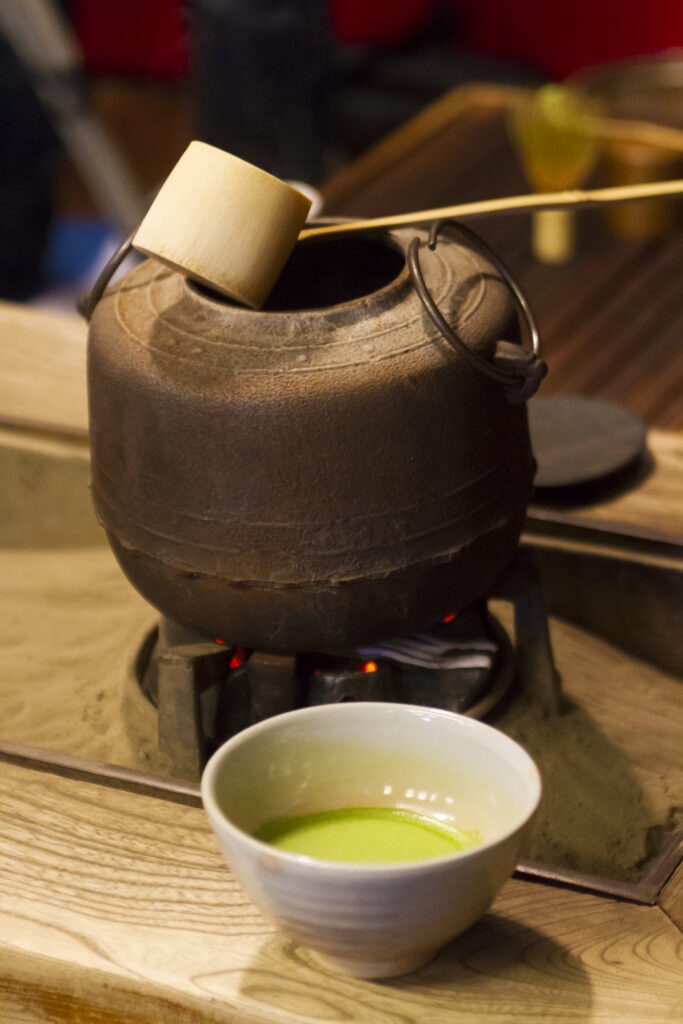
At the storefront, you can purchase Uji tea including matcha (powdered green tea), sencha (one of the most common Japanese teas), hojicha (roasted tea), and more. Inside, you can enjoy parfaits made with plenty of freshly ground matcha, a combo of matcha and cha-dango (skewered rice dumplings made with matcha), cha-soba (buckwheat noodles made with matcha) and so on, while gazing out at the Uji-bashi Bridge and scenic Uji River. It is the perfect place to relax and enjoy meals and sweets made with authentic Uji tea.
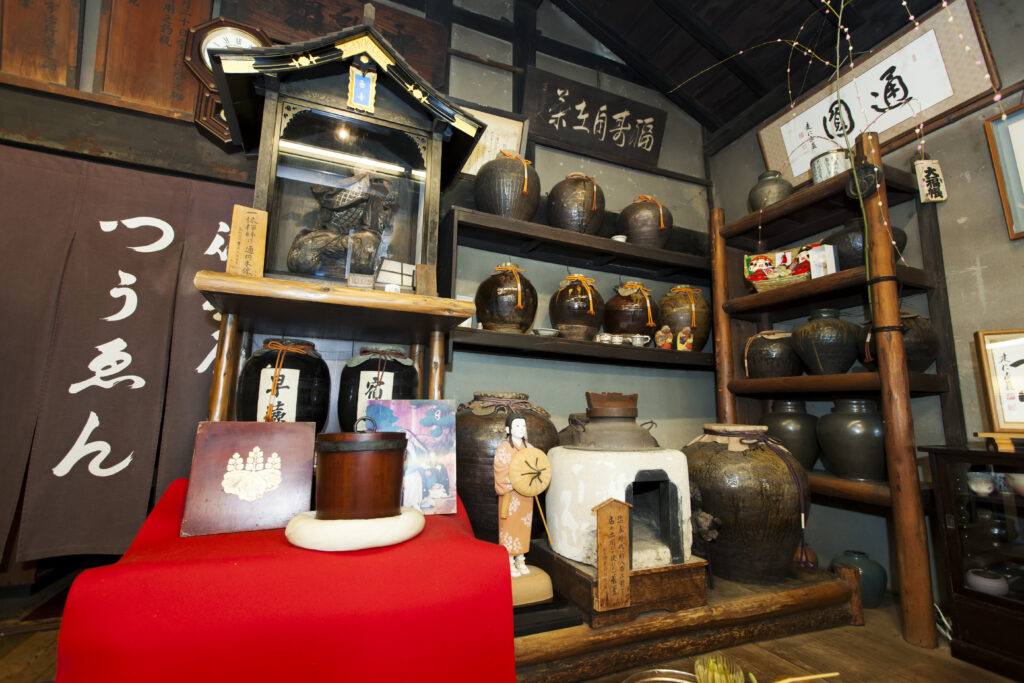
Just inside the entrance, you can find ceramic chatsubo (traditional tea jars) made centuries ago, the wooden statue of the first-generation Tsuen carved and presented by Ikkyu Sojun (a renowned Buddhist monk around the 15th century), and a wooden bucket that is said to have been made by Sen no Rikyu and used by the famous 16th century warlord Toyotomi Hideyoshi to draw the water of the Uji River. (Sen no Rikyu was a prominent figure in the world of 16th-century Japanese tea ceremony. He served Oda Nobunaga and Toyotomi Hideyoshi as a tea master, but ultimately committed ritual suicide by order of Hideyoshi.)
Tsuen-chaya Teahouse is the perfect place to take a break while exploring Uji. It offers a deeper understanding of the region, through not just its tea, but also the history and historical figures who shaped the culture and stories of the city.
Tsuen-chaya Teahouse
Uji-bashi Bridge has been a vital point in Uji throughout its long history. This long-established teahouse, located on the east bank of the river, was built in 1160. It has served as not only a teahouse, but also a guardian of the bridge, wishing for the safety of travelers passing by. It is the oldest existing teahouse in Japan.
The current building was constructed in 1672, showcasing the architectural style of machiya (traditional townhouses) in the Edo Period (around 1603-1868). It is registered as a part of the Japan Heritage (Japanese Tea: Eight Centuries of Tradition).
Inside the teahouse, you can find chatsubo (traditional tea jars) made centuries ago, the wooden statue of the first-generation Tsuen created and presented by Ikkyu Sojun enshrined within, and a wooden bucket that is said to have been made by Sen no Rikyu and used by Toyotomi Hideyoshi to draw the clear water of the Uji River. Renowned historical figures, including Ashikaga Yoshimasa, Toyotomi Hideyoshi, and Tokugawa Ieyasu, have visited this teahouse.
At the storefront, you can purchase matcha (powdered green tea), sencha (one of the most common Japanese teas), hojicha (roasted tea), and more. Inside, you can enjoy matcha sweets like parfaits and zenzai (dessert soup made with red beans) made with plenty of freshly ground matcha, a combo of matcha and cha-dango (skewered rice dumplings made with matcha), cha-soba (buckwheat noodles made with matcha) and so on, while gazing out at the Uji-bashi Bridge and Uji River.