When it comes to bamboo forests in Kyoto, the grove in Arashiyama may be the most famous, but if you venture just outside the city, you’ll find the Kyoto Otokuni Bamboo Grove area, a hidden bamboo forest destination where you can escape the crowds and find a bit of stillness. An endless stretch of beautiful bamboo groves and rich nature all around create a travel experience unlike anything you’ll find in central Kyoto. You can unwind with a relaxing walk through the bamboo forests, but you can also visit nearby historic and cultural attractions. Come discover a different side of Kyoto in the Otokuni Bamboo Grove area.
What is the Otokuni Bamboo Grove? About the Peaceful Forested Area Near Kyoto
Located southwest of Kyoto City, the Kyoto Otokuni Bamboo Grove area encompasses the cities of Muko and Nagaokakyo, and the town of Oyamazaki, and has long been known for producing high-quality bamboo. The natural environment has nurtured vast bamboo forests, and given rise to a unique local bamboo culture. As you walk through the area, you’ll find beautiful bamboo fences, delicate bamboo crafts, and magnificent bamboo groves naturally woven into everyday life.
This area was also once home to the ancient capital of Nagaoka-kyo, and many of the historic sites and cultural treasures from that time can still be found here. With its endless bamboo forest promenade, seasonal flowers, and artistic gardens, the Otokuni Bamboo Grove area offers something distinctly different from the hustle of central Kyoto City, in a place for truly rich travel experiences.
It’s also extremely easy to reach – just 15 to 20 minutes from JR Kyoto Station. If you want to venture beyond Kyoto’s famous tourist attractions and experience a more authentic local side of Kyoto, Otokuni Bamboo Grove is a hidden destination you shouldn’t miss.
Related Article: Kyoto’s Muko Bamboo Path and the Artisanal Mastery Behind It
*Nagaoka-kyo: Japan’s capital from 784 to 794, before the capital was moved to Heian-kyo (present-day Kyoto).
Bamboo Forest Spots You Won’t Want to Miss in the Kyoto Otokuni Bamboo Grove Area
No visit to the Kyoto Otokuni Bamboo Grove area would be complete without experiencing its beautiful, scenic bamboo forests. Far less crowded than Arashiyama, you can take your time here, and experience the forests for the tranquility that makes them wonderful to begin with.
Muko City’s Bamboo Path: A Quieter Bamboo Walking Path than Arashiyama
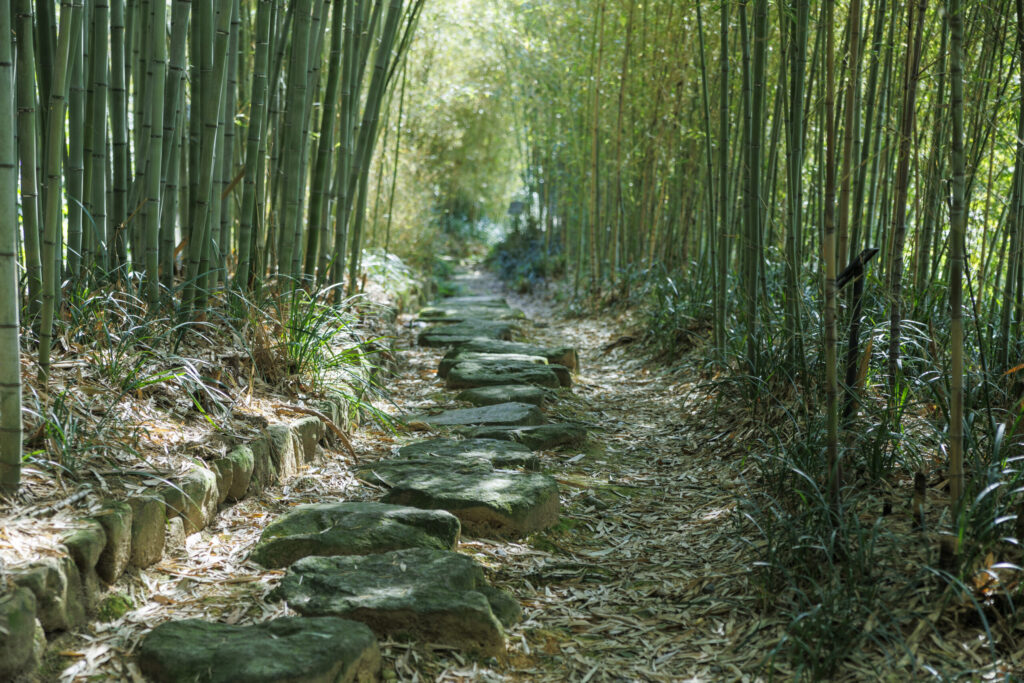
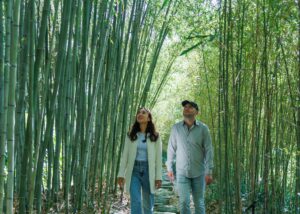
The star attraction of the Otokuni area is the Muko Bamboo Path (“take-no-michi”) in Muko City. At a length of about 1.8 kilometers, it’s one of Kyoto Prefecture’s most impressive bamboo forest walking routes.
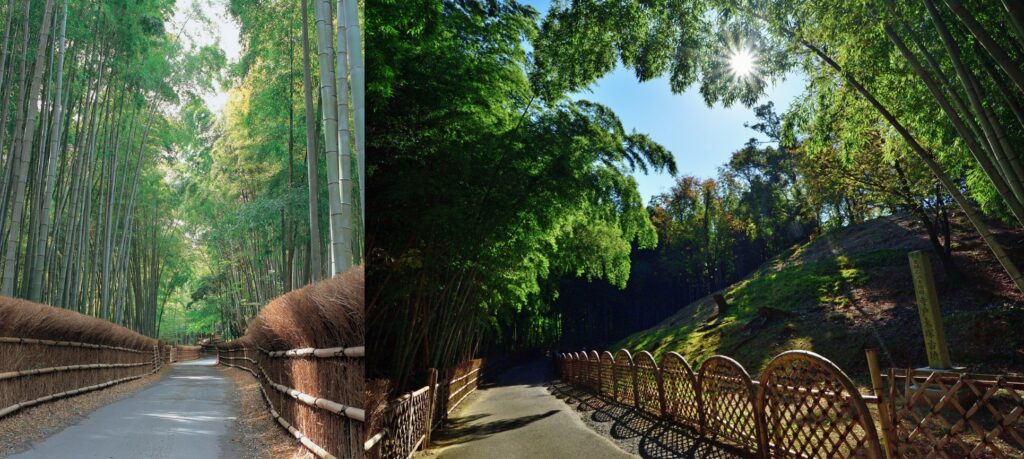
Towering bamboo stalks create a lush green tunnel overhead, and sunlight filters through the leaves to gently dapple the path below. The bamboo leaves rustle softly in the slightest breeze, swaying soothingly. Compared with the Arashiyama Bamboo Grove, the atmosphere here is remarkably quieter and more relaxed – perfect for a stroll even during high tourism season.
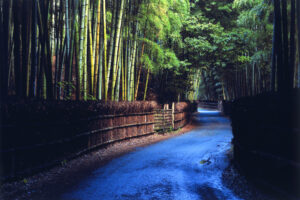
Another highlight of the Muko Bamboo Path are the variety of decorative bamboo fences lining the walking route. These are crafted by local artisans with traditional techniques, and serve as a showcase of the area’s deep-rooted bamboo craftsmanship.
Take-no-Michi (The Muko Bamboo Path)
Bamboo shoots are one of Kyoto’s specialty products, but the “Otokuni” area around Muko City and Nagaokakyo City is known for producing some of the highest quality bamboo shoots in Kyoto. Take-no-Mich …
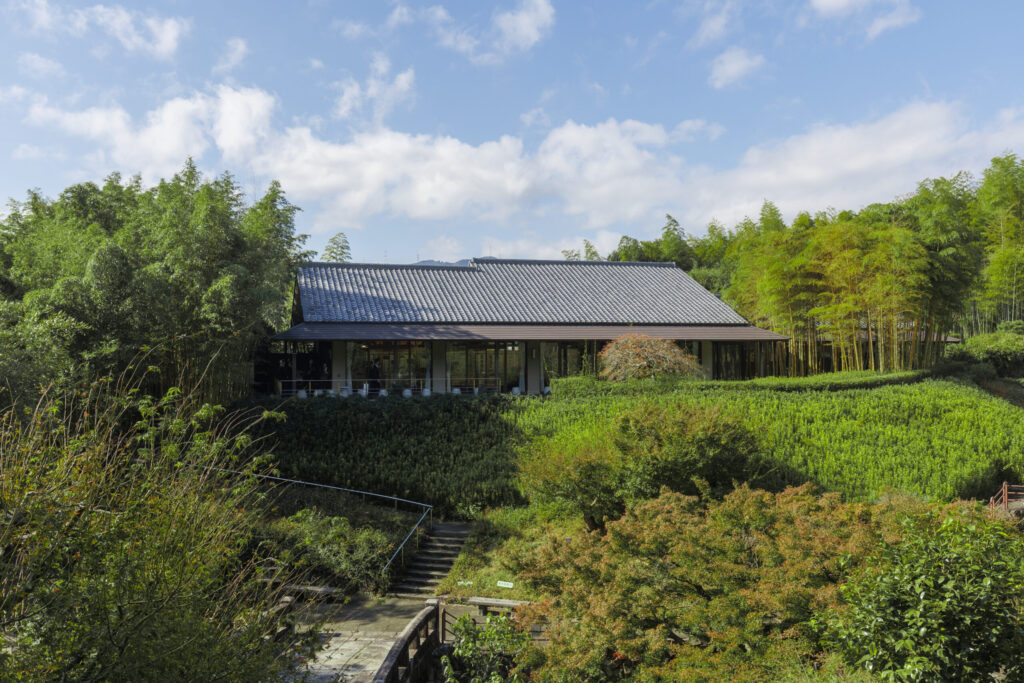
At the end of the Muko Bamboo Path, you’ll find the Kyoto City Rakusai Bamboo Park, a place where visitors can both enjoy the beauty of the bamboo forests and learn about traditional bamboo crafts in the park’s museum. It’s a wonderful spot to visit if you like photography, walking, or simply want to experience some of Kyoto’s nature and history first-hand.
Kyoto City Rakusai Bamboo Park
This is an establishment that primarily deals with bamboo, which is rarely done even on a global level.
Here, you can find a bamboo museum, a children’s plaza, and an ecological garden where various …
Oharano Shrine Area: Seasonal Flowers & the Rich Nature of Kyoto’s Western Mountains
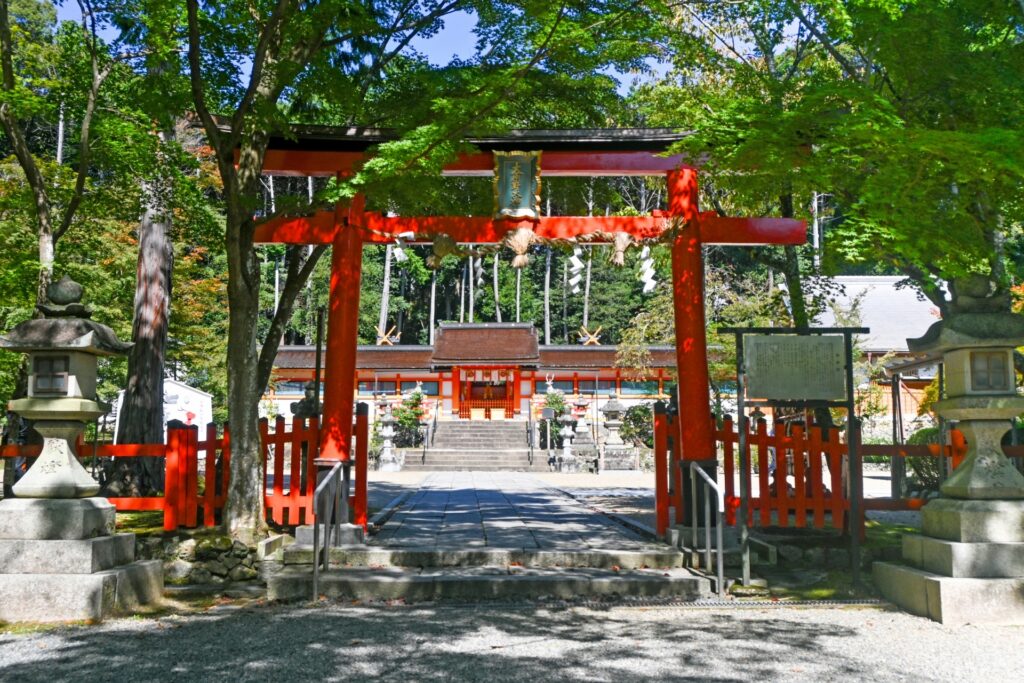
After you’ve explored the Muko Bamboo Path, consider continuing to the Oharano area at the foot of Kyoto’s western mountains. The area’s most famous site is Ohanaro Shrine, also known as “Kyoto’s Kasuga Taisha Shrine” (an important Shinto shrine in Nara, Japan), is a relatively unknown flower-viewing spot beloved by locals.
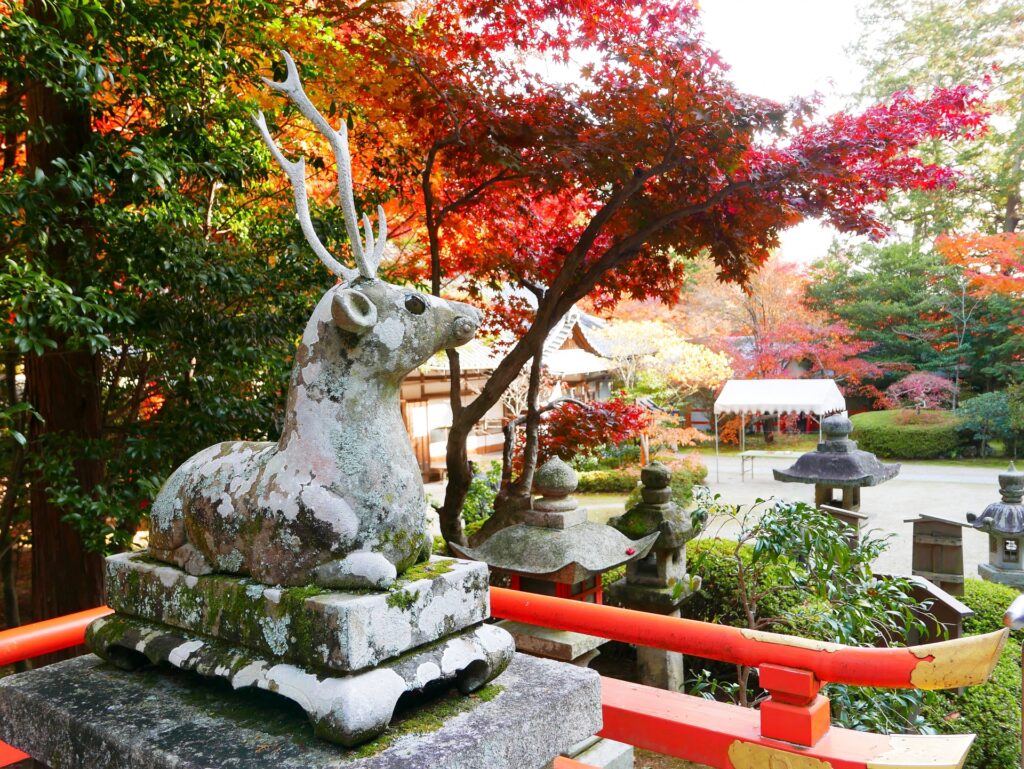
The shrine and its grounds are surrounded by an abundance of natural beauty that shows a different face in each season: cherry blossoms and lush greenery in spring, hydrangeas in early summer, and an incredible display of colored foliage in autumn. Walking along the quiet approach amongst the green of the trees and bamboo, and taking in the dignified atmosphere of this historic shrine, you’ll find a new sense of relaxation in your travels that lingers pleasantly.
Visit Historical Sites and Experience the Culture of Nagaoka-kyo
The Kyoto Otokuni Bamboo Grove area isn’t known only for its bamboo forests, but also for its history as the site of the ancient Japanese capital Nagaoka-kyo. As you explore the area, you can experience firsthand the depth of the culture deeply rooted in this land through its historic shrines, art museums, and historic buildings.
Nagaoka Tenmangu Shrine: Seasonal Flowers and Historic Atmosphere
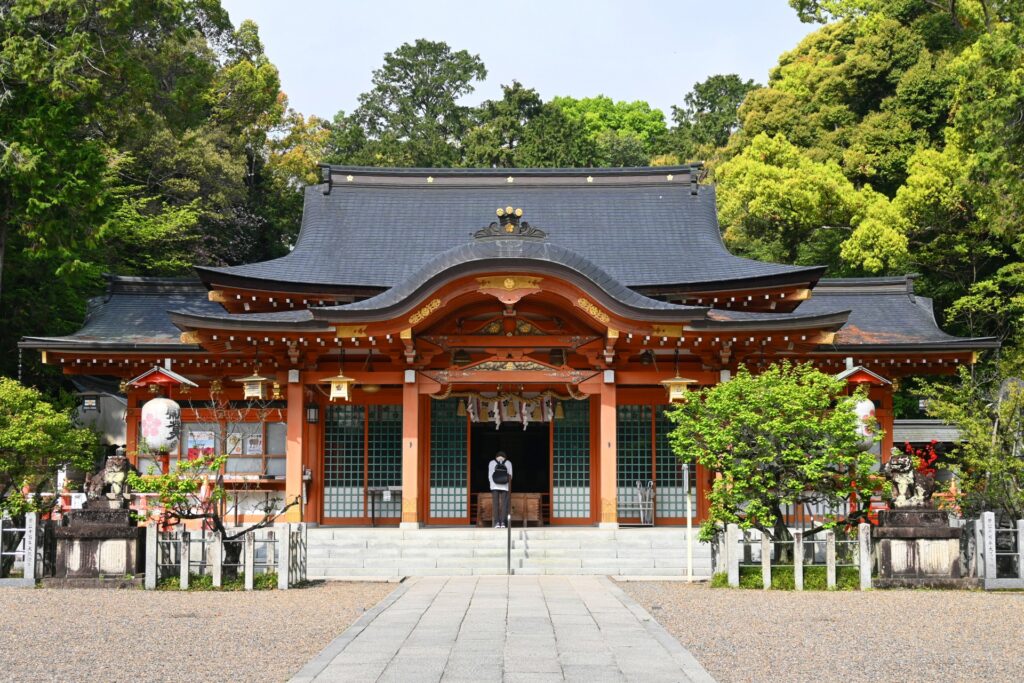
Located in Nagaokakyo City, Nagaoka Tenmangu Shrine enshrines Sugawara no Michizane, the deity of learning, and is one of the area’s most important historical landmarks.
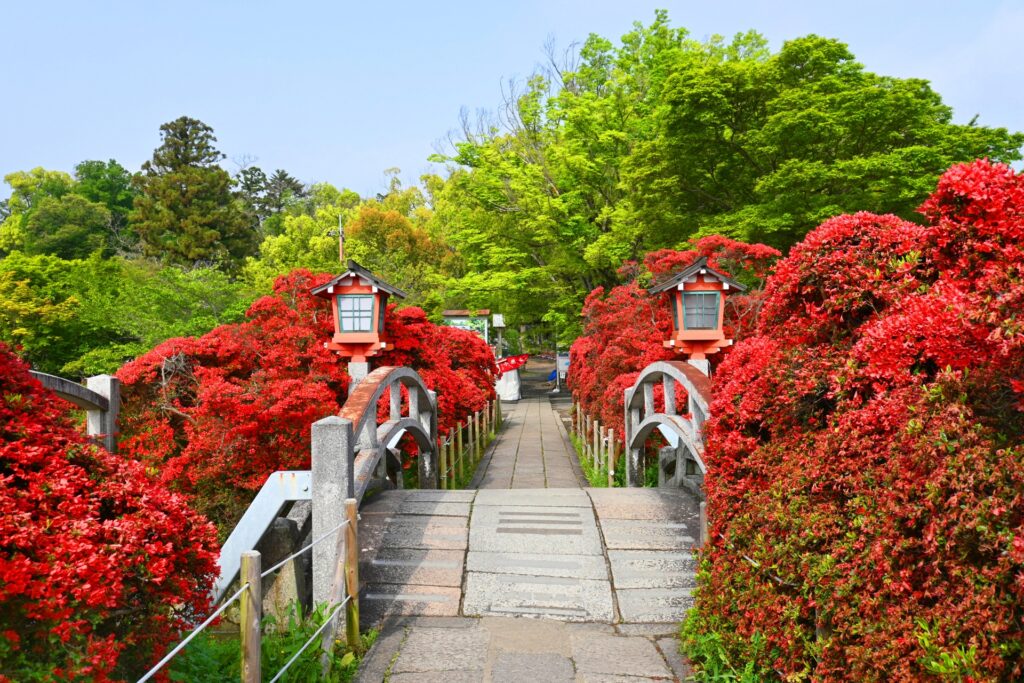
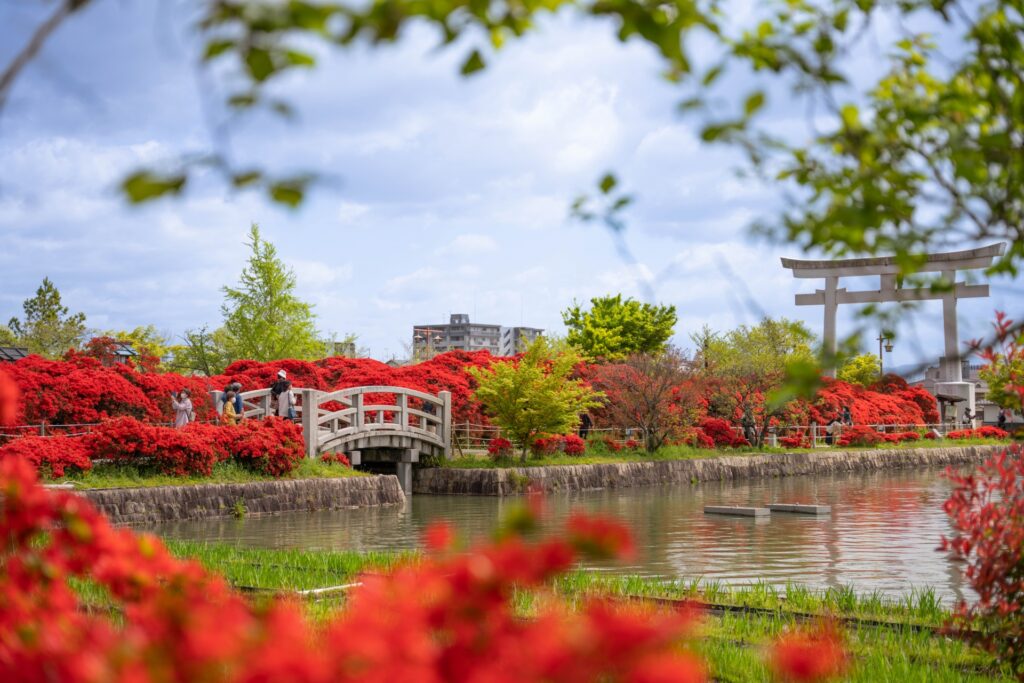
Nagaoka Tenmangu Shrine isn’t just known for its history: it’s also famous for its beautiful flowers throughout the year, and especially its spectacular kirishima azaleas in spring. The red blooms surround Hachigo-ga-ike Pond, and create a dreamy tunnel of scarlet that attracts many photographers every year. There’s something to look forward to in every season, too: in early summer, you’ll find beautiful lush greenery, colorful maple trees in autumn, and a lovely stillness during the winter months.
The shrine grounds are full of lush greenery, and a quiet refinement. Try taking a leisurely walk along the approach, take in the solemn atmosphere of this ancient shrine, and experience the unique blend of history, culture, and nature you’ll find at Nagaoka Tenmangu Shrine.
Nagaoka Tenmangu Shrine
Nagaoka Tenmangu is a shrine in Nagaokakyo City, Kyoto Prefecture, not far from Kyoto City and close to Uji—the region of Kyoto famous for matcha green tea—and the famous Otokuni Bamboo grove. Nagaoka …
Asahi Group Oyamazaki Villa Museum of Art: Art, Architecture, and Natural Vistas
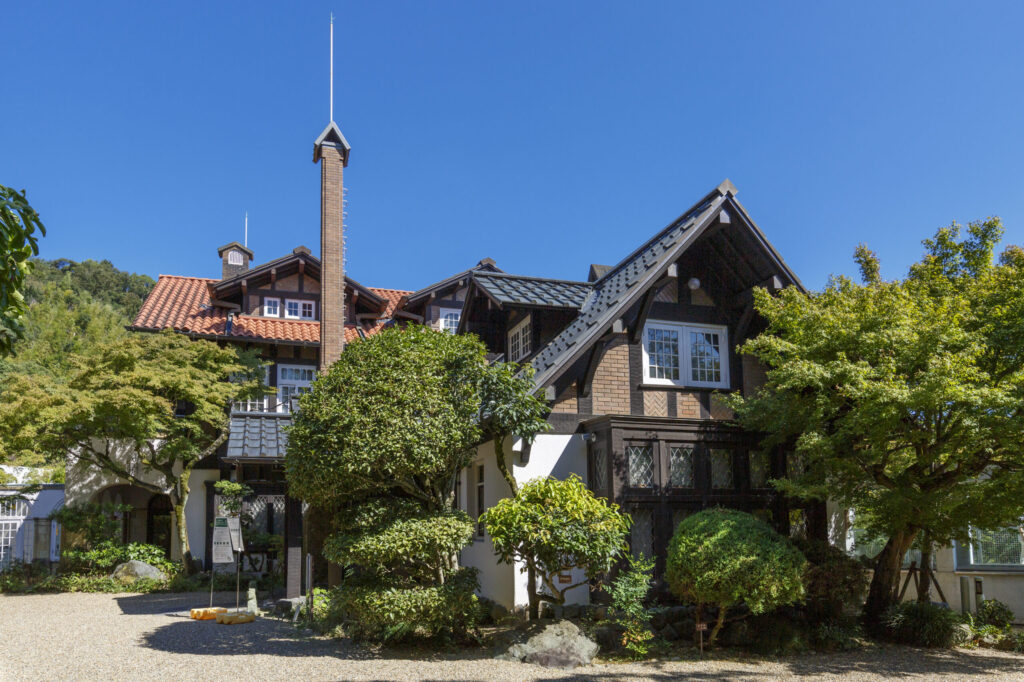
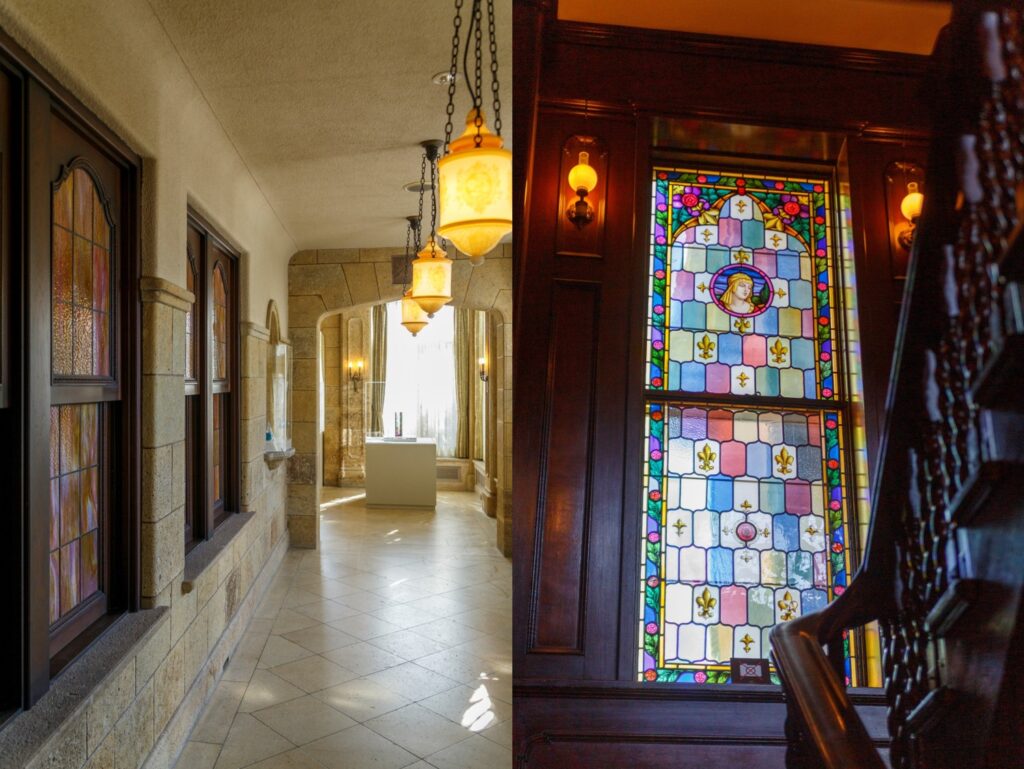
Nestled at the foot of Mt. Tenno, the Asahi Group Oyamazaki Villa Museum of Art is a popular spot that brings together art, architecture, and natural scenery. Originally built as an English-style villa in the early twentieth century, the building has been carefully restored to preserve its historic character. Modern exhibition spaces designed by renowned architect Tadao Ando have also been added to create a striking architectural blend of old and new.
Inside the museum you’ll find a variety of artwork, including the famous Water Lilies series by French Impressionist painter Claude Monet, one of the museum’s greatest highlights.
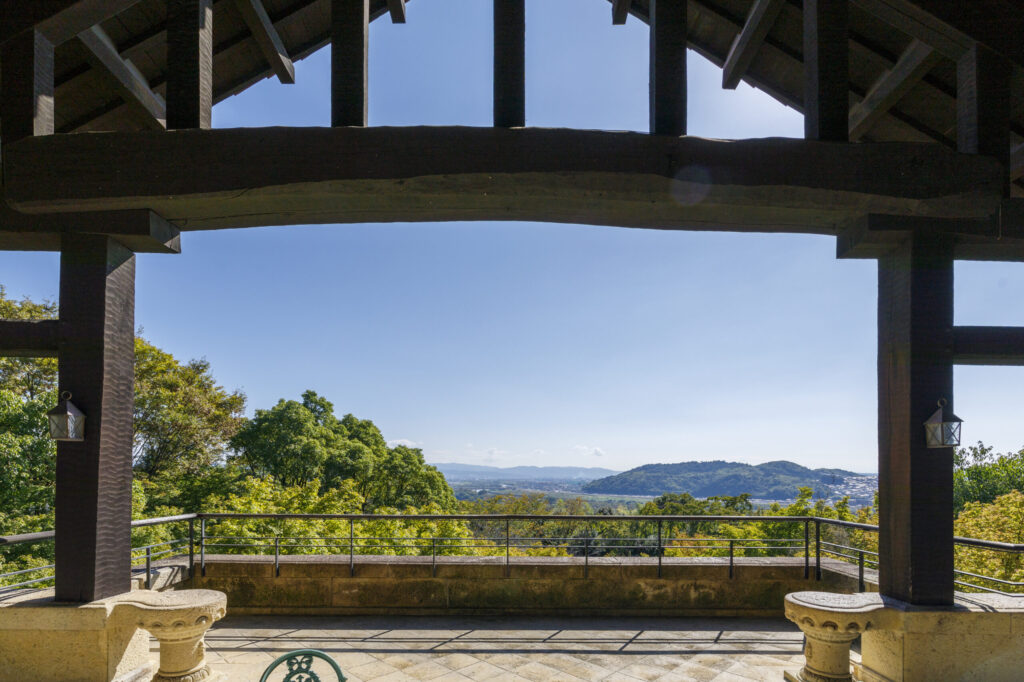
After you’ve taken in the beautiful art and architecture, take a stroll through the beautiful gardens to take in the season’s best. From the walking path, you can take in a sweeping view of the Kyoto Basin and the surrounding mountains. Looking out at the scenery as it shifts from new green in spring to deep green in summer, red in autumn to winter’s clear skies, the gardens reveal that this isn’t just a place to admire art, but a tranquil space where you can sit quietly and appreciate the passage of time.
Asahi Group Oyamazaki Villa Museum of Art
The Asahi Beer Oyamazaki Villa Museum of Art consists of the main building, which was built between the 1910s and early 1930s, and two annexes—the Underground Jewelry Box (South Wing) and the Dream Bo …
The Best Day Trip Itinerary for Kyoto Otokuni Bamboo Grove
Getting There from Kyoto City
The Kyoto Otokuni Bamboo Grove area is located conveniently just outside of Kyoto City, and many of its major attractions are found along the JR Kyoto and Hankyu Kyoto Lines. It’s easy to combine a trip to the area with Kyoto City sightseeing for a half- or full day trip.
It’s also easy to explore the area in comfort in a private sightseeing taxi from Kyoto City. You can find more details about this option in our article Find Peace in Otokuni’s Bamboo Groves on a One-Day Taxi Trip.
Muko Bamboo Path: Take a bus from either JR Mukomachi Station or Hankyu Higashi-Muko Station. Nagaoka Tenmangu Shrine: Within walking distance of either JR Nagaokakyo Station or Hankyu Nagaoka-Tenjin Station. Asahi Group Oyamazaki Villa Museum of Art: Within walking distance of either JR Yamazaki Station or Hankyu Oyamazaki Station.
Walking Routes for Couples, Photography Fans, and “Slow Travel” Fans
Bamboo Forest Route: 1) Muko Bamboo Path → 2) Kyoto City Rakusai Bamboo Park → 3) Ohanaro Shrine
A great route for visitors who love nature and bamboo forests as far as the eye can see.
History & Culture Route: 1) Nagaoka Tenmangu Shrine → 2) Walk around Nagaoka-kyo → 3) Asahi Group Oyamazaki Villa Museum of Art
Great for visitors interested in historic shrines, local history, art and architecture.
Slow Travel Day Trip Route: 1) Muko Bamboo Path → 2) Oharano Shrine → 3) Nagaoka Tenmangu shrine → 4) Asahi Group Oyamazaki Villa Museum of Art
A classic route for first-time visitors to the Kyoto Otokuni Bamboo Grove area, with a day full of everything from beautiful nature and bamboo, to rich history and culture.
Frequently Asked Questions about Visiting the Kyoto Otokuni Bamboo Forest Area
Q1: Is there a bamboo forest aside from the one in Arashiyama where I can take nice photos and avoid the crowds?
You won’t want to miss the Muko Bamboo Path in Muko City, located in the Kyoto Otokuni Bamboo Grove just outside of Kyoto City. The path features a 1.8 kilometer walking path in a towering bamboo forest, as well as a variety of bamboo fences beautifully crafted by local artisans. You’ll find fewer visitors than Arashiyama’s Bamboo Grove, and a more tranquil atmosphere, so you’ll be able to enjoy your walk and take your time taking photos. You can also visit nearby Kyoto City Rakusai Bamboo Park to learn more about Kyoto’s bamboo culture.
Q2: Is the Otokuni Bamboo Grove area far from Kyoto City? Is it easy to access?
It’s extremely close and convenient to access. From Kyoto Station, you can take a JR or Hankyu and reach Muko City, Nagaokakyo City, or the town of Oyamazaki in just 15-30 minutes. Most of the area’s main attractions are concentrated along the JR Kyoto and Hankyu Kyoto Lines, so it’s easy to plan a half- or full-day trip from Kyoto.
Q3: Should I take a half-day or a full day to visit the Kyoto Otokuni Bamboo Grove area?
If you’re planning on visiting the Muko Bamboo Grove and Nagaoka Tenmangu Shrine, a half-day trip should be plenty. But if you want to really take your time enjoying a stroll through the bamboo forest, visit Ohanaro Shrine, and then head to the Asahi Group Oyamazaki Villa Museum of Art, you should plan for a full day. That way, you’ll be able to really experience taking in all the nature, history, culture, and wonderful architecture.
On your next trip, try escaping the crowds and traveling at your own pace on a Kyoto day trip to the Otokuni Bamboo Grove area. Swaying verdant bamboo groves, ancient shrines steeped in history, and tranquil, elegant gardens all await. Here, you’ll discover another side of Kyoto—one that’s every bit as beautiful as the city itself. Here, you’ll discover another side of Kyoto—one that’s every bit as beautiful as the city itself.