Inspiration

See Kyoto’s Seaside! A Day Trip Itinerary for Stunning Views in Amanohashidate

2026.07.31

Kyoto by the Sea

When you picture a trip to Kyoto, you’ll undoubtedly think of famous historical places like Kiyomizu-dera Temple, Arashiyama, and Fushimi Inari Taisha Shrine. But Kyoto’s northern region, which faces the Sea of Japan, offers an entirely different kind of scenery. Known as Kyoto by the Sea, this area is known for its beautiful coastline, rustic fishing villages, laid-back atmosphere, and especially for the famous views of Amanohashidate, ranked one of the “Three Scenic Views of Japan” (a list of the country’s most celebrated scenic sights).

Accessible from Kyoto City in about two hours, Amanohashidate is a spot you’ll want to visit if it’s your first time traveling in areas around Kyoto, or if you’re looking to enjoy a day trip that offers something a little different from the typical sights of Japan’s ancient capital.

What is Kyoto by the Sea? The Scenery of Another Kyoto
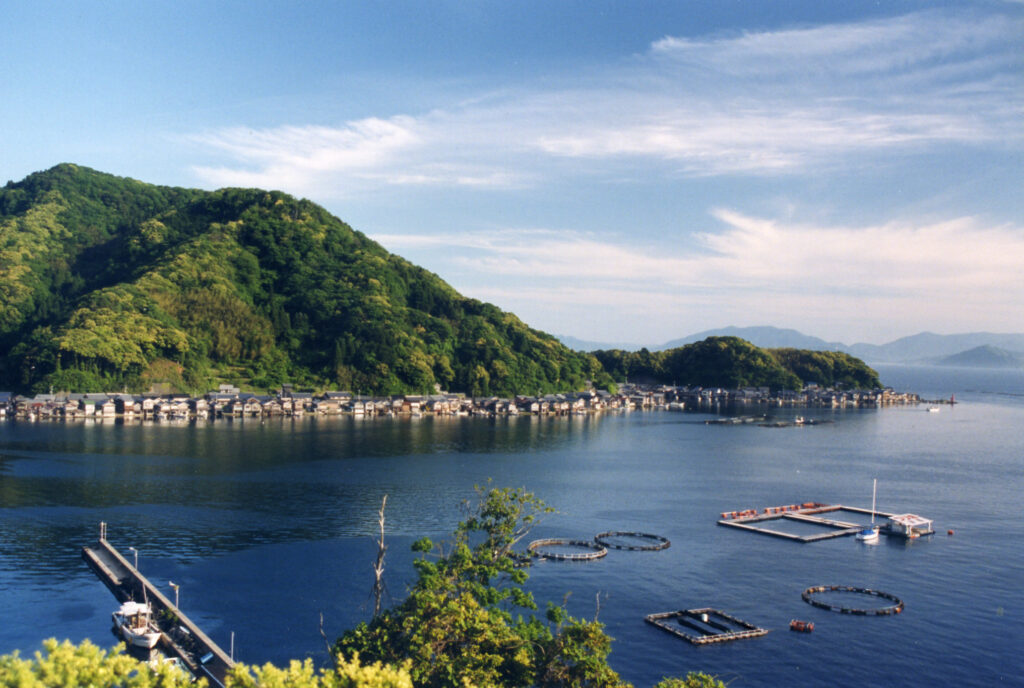
“Kyoto by the Sea” is a sightseeing area along the Sea of Japan in northern Kyoto Prefecture, and includes the cities of Miyazu, Ine, Kyotango, and Maizuru, among others. This region offers something a little different than Kyoto City, which is strongly associated with history and traditional culture. Here, you’ll find a different side of Kyoto, with vast seas, fishing port townscapes, and incredible nature.

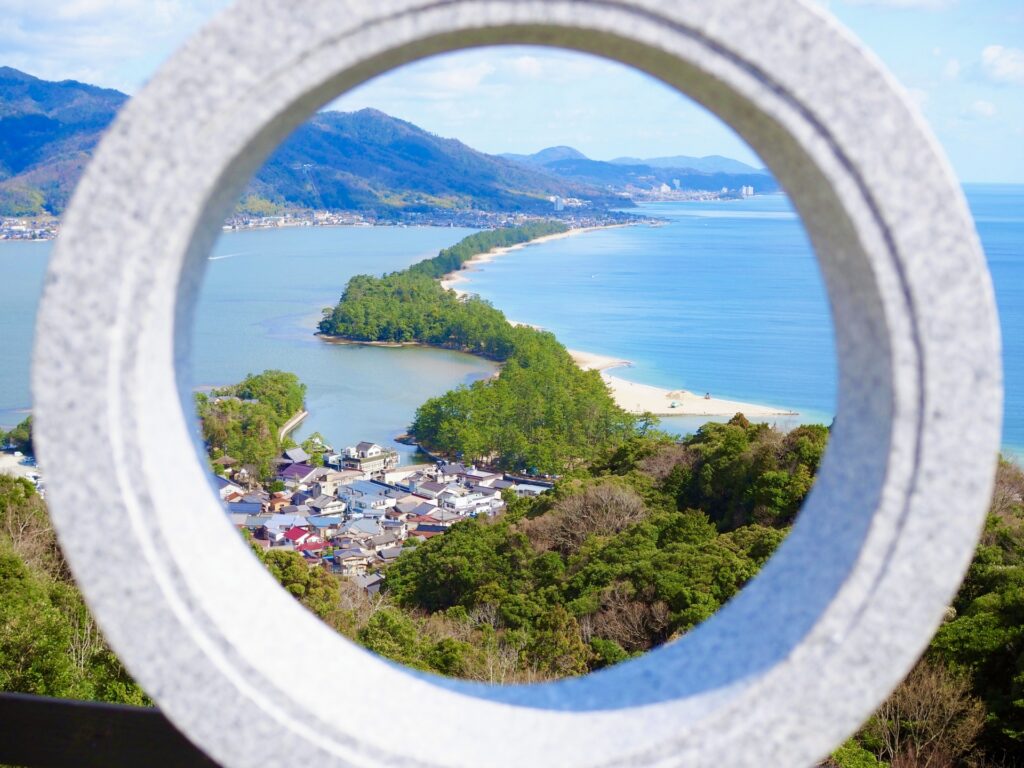
The area’s most famous attraction is Amanohashidate, a sandbar that stretches across the bay with its white sand and pine trees – counted among Japan’s “Three Scenic Views.” The view from a lookout point above makes the sandbar looks like a dragon ascending to the heavens, and makes this the first stop for many who visit the Kyoto by the Sea area.

If you want to escape the Kyoto City crowds and venture out to some of the popular destinations nearby, Kyoto by the Sea is the perfect place to enjoy spectacular scenery, delicious food, and local culture all in one trip.
Must-See Spots at Amanohashidate, One of Japan’s Three Scenic Views

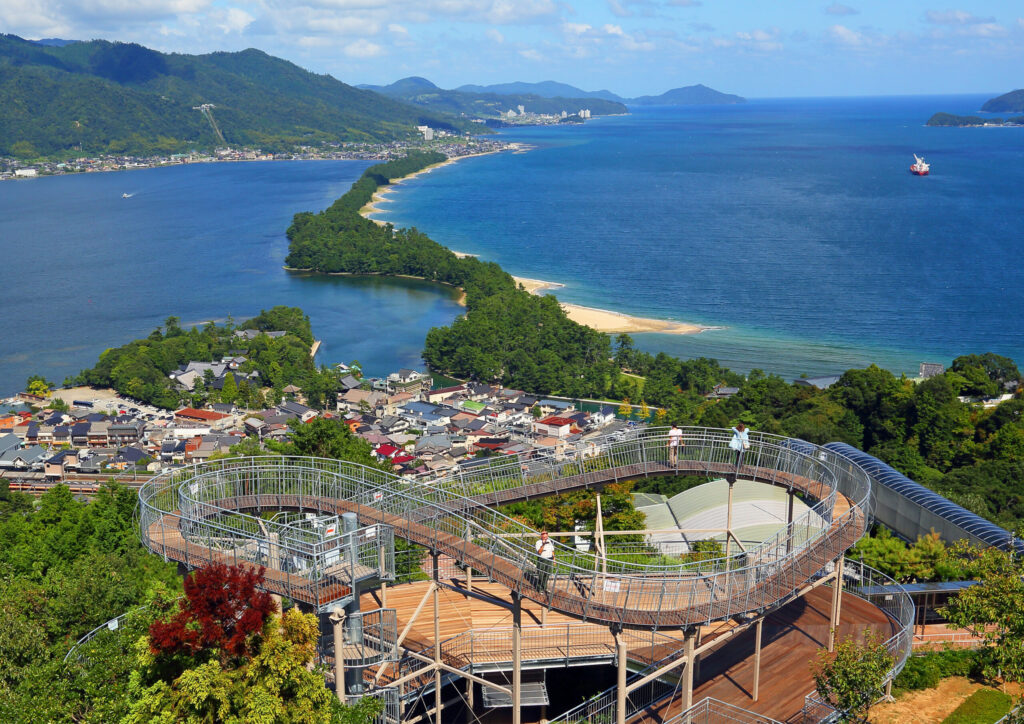
Located in Miyazu, Kyoto Prefecture, Amanohashidate is an unusual sandbar around 3.6 kilometers long that separates the Aso Sea from Miyazu Bay. Lined with some 8,000 pine trees, when viewed from above, the sandbar looks like a bridge spanning the water – or even a dragon crossing the sea. This latter image in particular has given this scenery the widely-used nicknames “view of the rising dragon” (hiryukan) and “view of the dragon taking flight” (shoryukan).

Kasamatsu Park: A View of the “Rising Dragon”

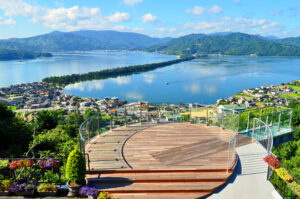
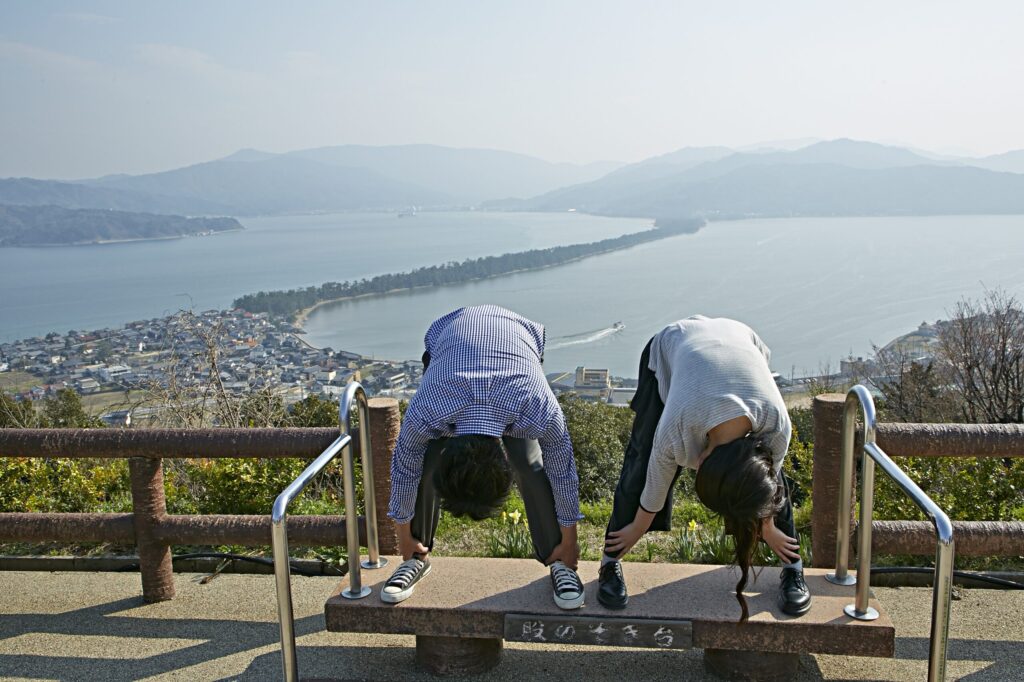
The incredible view of the “rising dragon,” as seen from Kasamatsu Park, is the classic route for seeing Amanohashidate. Take the cable car or lift to the observation deck at an altitude of 130 meters, and you’ll be rewarded with a spectacular view of the white sandy beach and green pine forest across the bay.

You won’t want to miss the traditional way to take in the view of Amanohashidate here, either – by peeking through your legs (known as mata nozoki)! Bend forward and look at the scenery through your legs, and you’ll be able to see the sandbar as a dragon, rising up towards the sky. It’s the perfect spot to stop by if it’s your first time visiting Amanohashidate, and a can’t-miss if you want to snap that classic commemorative photo.

Kasamatsu Park

Kasamatsu Park

Kasamatsu Park is one of the two overlooks perfect for viewing Amanohashidate, one of Japan’s Three Scenic Views. The park is located halfway between Motoise Kono Shrine and Nariai-ji Temple, and is a …


Amanohashidate View Land: A View of the “Dragon Taking Flight”

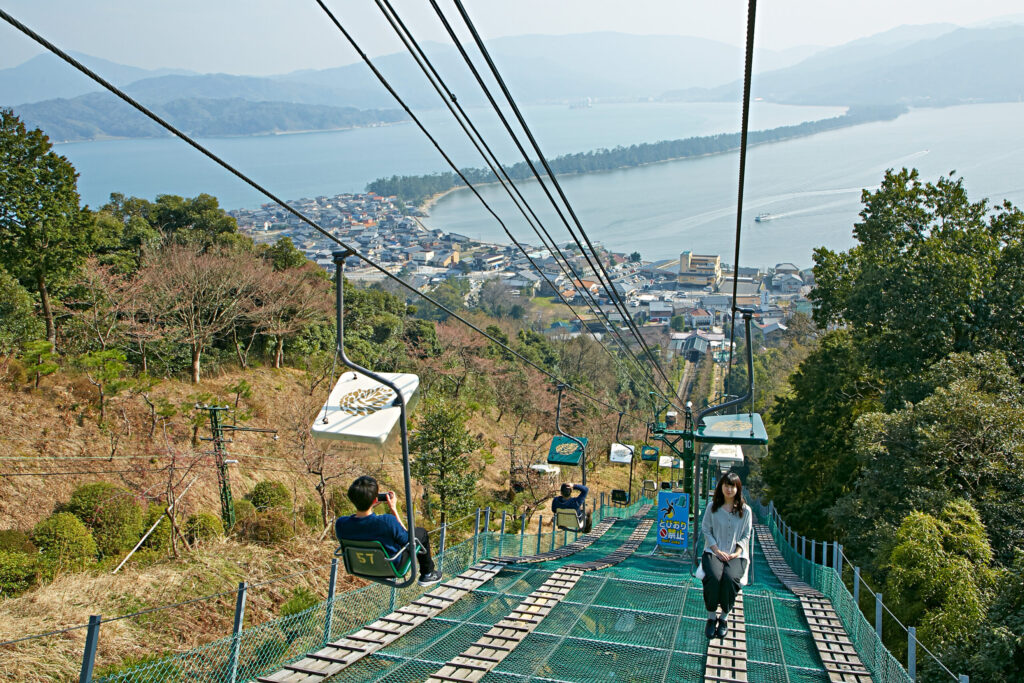
Amanohashidate View Land is located on Mount Monju on the southern side of the sandbar, directly opposite Kasamatsu Park. The view from this spot is known as the “dragon taking flight,” because from this side, the sandbar looks like a dragon spreading its wings.

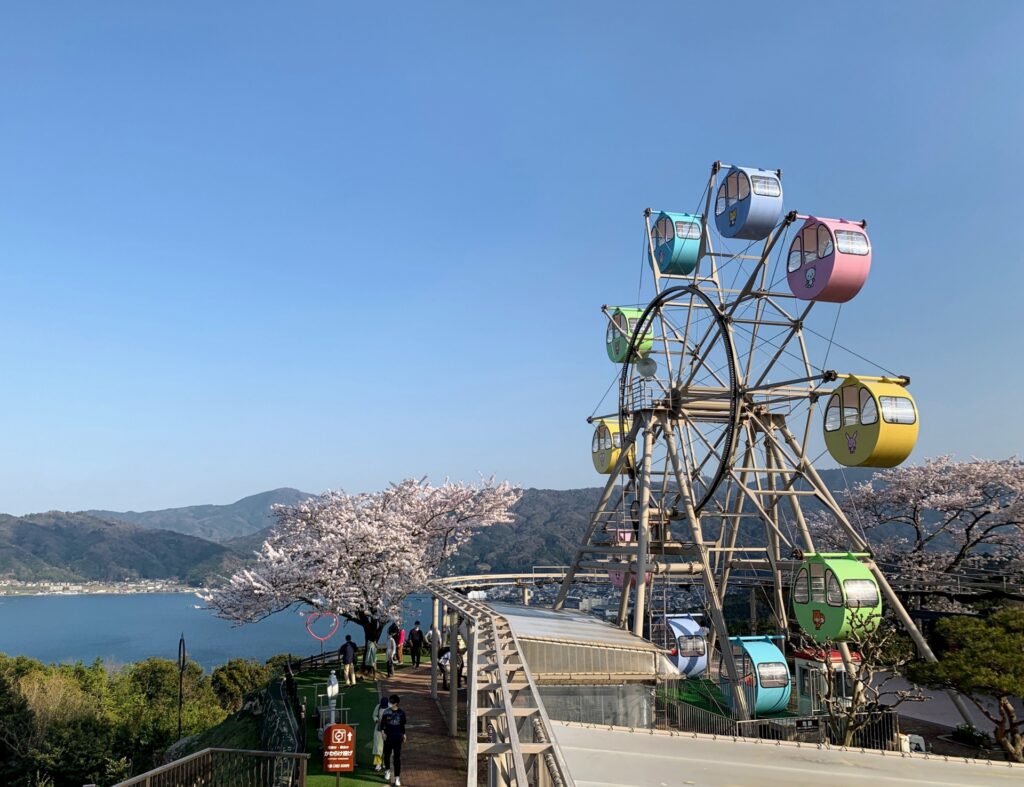
Within the theme park, there are also rides like the Flying Dragon Corridor, a ferris wheel, elevated cycle cars, go carts, and more, so you enjoy the park and the scenery from different angles while you visit. On the chair lift ride back down the slope, you’ll also be treated to a sweeping panorama of the bay’s natural scenery and townscape. Compared to the quieter Kasamatsu Park, Viewland is recommended for families with children and those who want to enjoy a more active sightseeing experience.

Amanohashidate Viewland

Amanohashidate Viewland

Amanohashidate Viewland is located on top of Mt. Monju, and can be reached via cable car or chair lift. The cable car chair lift is only a short walk from Amanohashidate Station, making it an easy way …

Recommended Spots Around Amanohashidate

Around Amanohashidate, you can find historic shrines and temples. If you have enough time, be sure to stop by and experience the history and culture of Kyoto by the Sea.

Motoise Kono Shrine

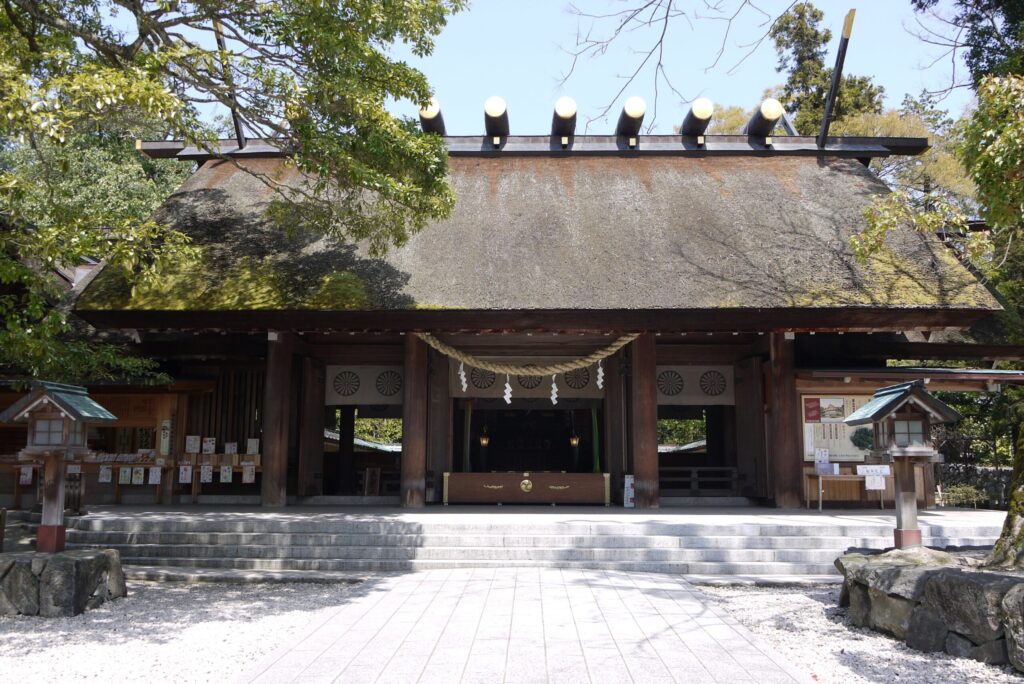
Located north of Amanohashidate, Motoise Kono Shrine is a prestigious shrine in the Tango region boasting a history of 1,000 years. It is called Motoise (“former” or “formerly” Ise) because the deity enshrined at the famous Ise Jingu Shrine in Mie Prefecture was once temporarily enshrined here, and Motoise Kono Shrine is still visited by many worshippers to this day.

Surrounded by old trees, the shrine grounds have a solemn and quiet atmosphere. Motoise Kono Shrine is located just at the bottom of the hill from Kasamatsu Park, so consider taking a stroll over and stopping by to experience some of the deep history of Kyoto by the Sea.

Motoise Kono Shrine

Located to the northern side of Amanohashidate, one of Japan’s “Three Famous Scenic Views,” the ancient Motoise Kono Shrine is so called (literally, “former Ise”) because before the deities were moved to Ise-jingu Shrine in Mie Prefecture, the sun goddess Amaterasu and the goddess Toyo-uke Daijin were enshrined here. In front of the main hall, you’ll see shining, five-colored “suedama” (a kind of traditional Buddhist orb, representing a sacred jewel), an object only allowed to be placed in Ise-jingu Shrine and here in Kono Shrine.


Chion-ji Temple

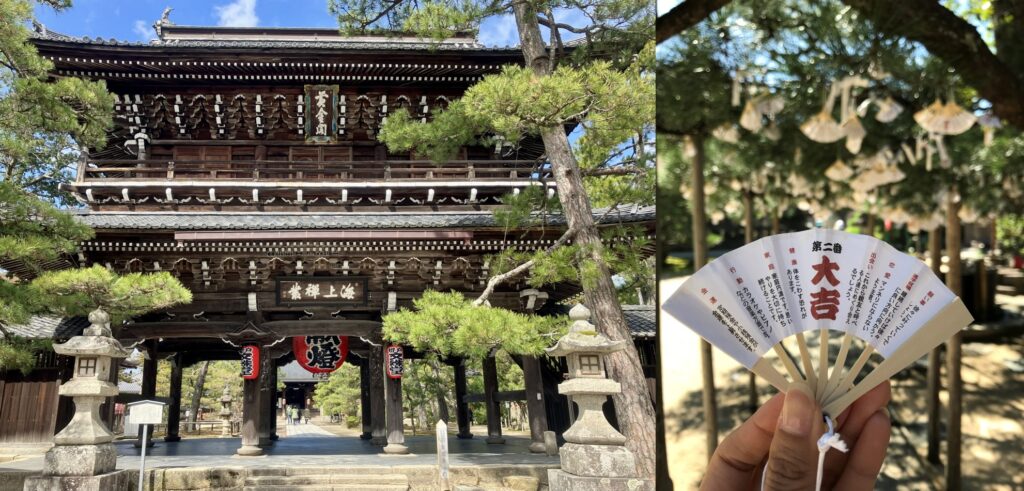
Chion-ji Temple is located on the south side of Amanohashidate, and is counted among Japan’s three Monju temples. These temples enshrine the bodhisattva ​​Manjusri/Monju, the deity of wisdom, and is known as a location for those coming to pray for academic success or to pass their exams.

The temple grounds are historic and serene, but in recent years, the draw for many visitors has been the temple’s unique folding fan omikuji fortune slips. Scenes of these cute little fans tied in the pine trees here (it’s traditional to tie fortune slips to a designated spot on temple grounds) have even become popular photo spots. After you’ve visited the temple, you can continue your walk through Amanohashidate’s pine forest by crossing the nearby Kaisen Bridge.

Chion-ji Temple

Chion-ji Temple

With the largest temple gate in the Tango region, Chion-ji Temple is a sacred location of the bodhisattva of wisdom, Monju, and the temple known as one of three Monju Buddhist temples in Japan. It’s f …

How to Get to Amanohashidate from Kyoto and a Sample Itinerary

How to Get There

By Public Transit: Approximately two hours from Kyoto Station by limited express train. Public transit will be your best bet if this is your first time traveling to the area without a guide, or you’re not used to driving in Japan.

By Rental Car: Approximately two hours from central Kyoto City. If you visit by car, you’ll be able to move around at your own pace, and keep a more flexible schedule. Traveling by car will be a good choice for families or groups who want to do some more extensive exploring in the Kyoto by the Sea area.

A Day Trip Itinerary for Amanohashidate

8:30 a.m. Depart from central Kyoto City → 10:40 a.m. 1) Amanohashidate Station → 11:00 a.m. 2) Amanohashidate View Land → 12:30 p.m. 3) Chion-ji Temple → 1:10 p.m. Lunch in the 1) Amanohashidate Station area → 2:00 p.m. Explore the 4) Amanohashidate sandbar → 2:50 p.m. 5) Motoise Kono Shrine → 3:30 p.m. Kasamatsu Park → 4:30 p.m. Return to central Kyoto City

When you’re exploring the sandbar, in addition to walking, you also have the options to travel from near Chion-ji Temple to the opposite shore (Ichinomiya Pier) by sightseeing boat in about 12 minutes, or take a rental bicycle (you can get just a one-way rental if you prefer) across in about 15-20 minutes as you enjoy the ocean breeze. These are good options to take advantage of to maximize your time or suit your energy levels throughout the trip.

If you have more time, consider turning your trip into a two-day, one-night visit. You can enjoy sightseeing at a more leisurely pace and even venture farther afield to nearby areas such as Maizuru and Kyotango.

Frequently Asked Questions About Visiting Amanohashidate

Q1: Can I see all of Amanohashidate in one day?
Yes, a day trip is plenty of time to enjoy Amanohashidate. Even if you’re departing from and returning to central Kyoto City, you’ll be able to visit observation decks at both Kasamatsu Park and Amanohashidate View Land, plus nearby sights like Motoise Kono Shrine and Chion-ji Temple.

Q2: Should I go to Amanohashidate by train or by car?
Both options have their advantages. Since you can simply relax while riding the limited express train, rail is a great option if you don’t have much experience driving in Japan or just want to make the journey easier. Traveling by car gives you greater flexibility with your time, and has the benefit of letting you visit nearby spots like Maizuru and Kyotango, too.

Q3: What’s the best season to visit the Kyoto by the Sea area?
Each of the seasons has its own unique beauty here. In spring the weather is pleasant for taking walks, in summer you have the blue seas and gorgeous coastline; and in fall you can enjoy the contrast of the red leaves with the ocean. In winter, there’s the sight of Amanohashidate covered in snow, as well as local seafood specialties like Matsuba crab. If it’s your first time visiting the Kyoto by the Sea area, you may want to visit during the spring through fall periods, which have the most stable weather conditions and sightseeing is easier.

If central Kyoto City is a place to experience the history and culture of the thousand year-old capital, Kyoto by the Sea is the place to find nature and see the lifestyles of the people who live by the sea. Even a one-day trip to Amanohashidate will show you the beauty of a side of Kyoto you don’t usually see. On your next trip to Kyoto, why not set aside a day to venture out to Kyoto by the Sea and discover some of its beautiful, unexpected scenery?

Another Kyoto Partners