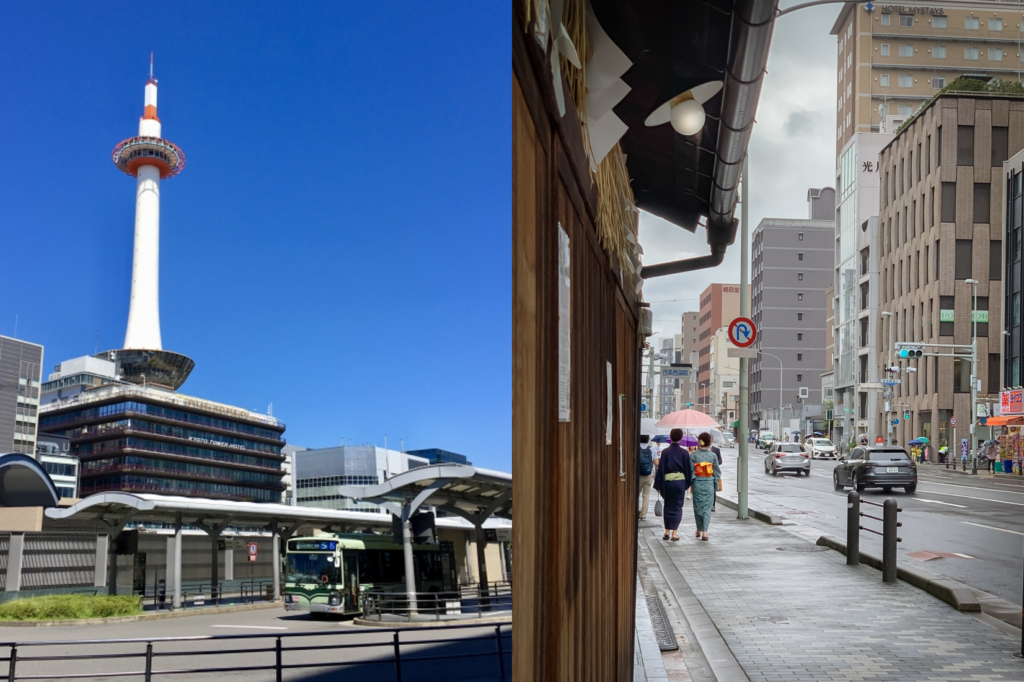
Kyoto City and its surrounding areas are home to a wealth of history and art museums, tourable factories, and hot spring baths. Places like these are perfect when you need to escape the intense heat of summer, but also make for great sightseeing on rainy days. In this article, we’ve carefully selected 13 indoor attractions in Kyoto that you can enjoy year-round, regardless of the season. Whether it’s a sweltering hot day or a rainy one, you’ll be able to easily adjust your schedule and enjoy your visit in comfort.
On extremely hot or rainy days, head to one of Kyoto City’s easily accessible indoor attractions! The following three facilities are great for family visits or solo trips: they’re all located close to train stations, and each offers something different to enjoy, from railways and manga to history and culture.
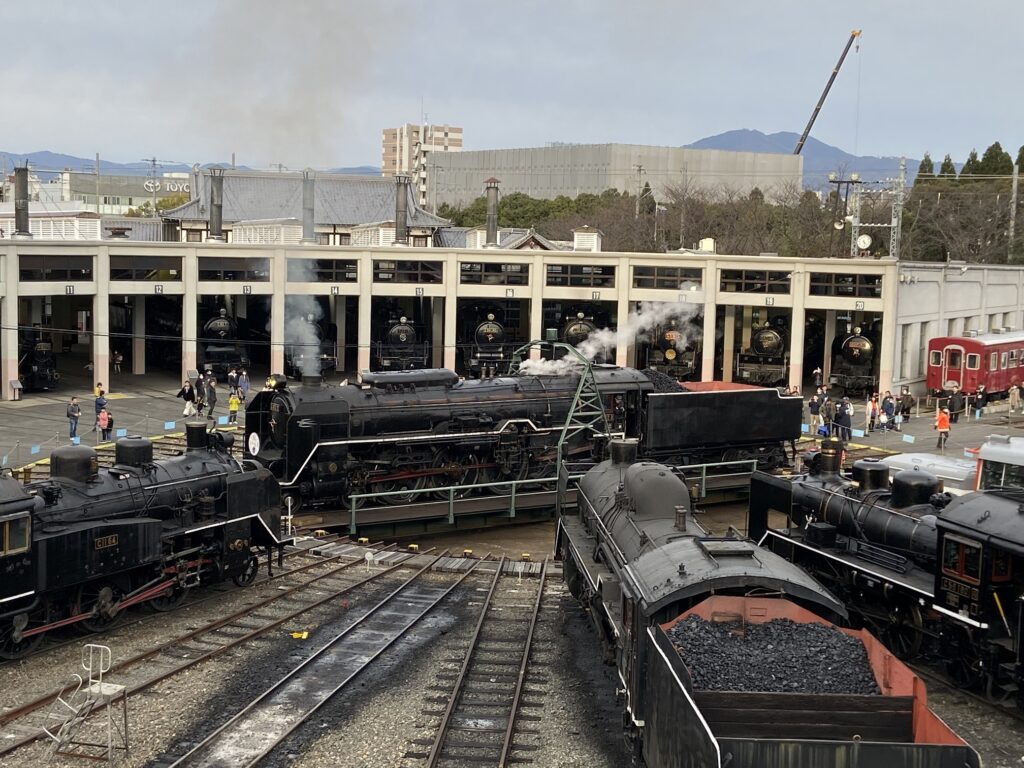
Kyoto Railway Museum|Railroad Experiences to Enjoy as a Family
Provided by the Kyoto Railway Museum
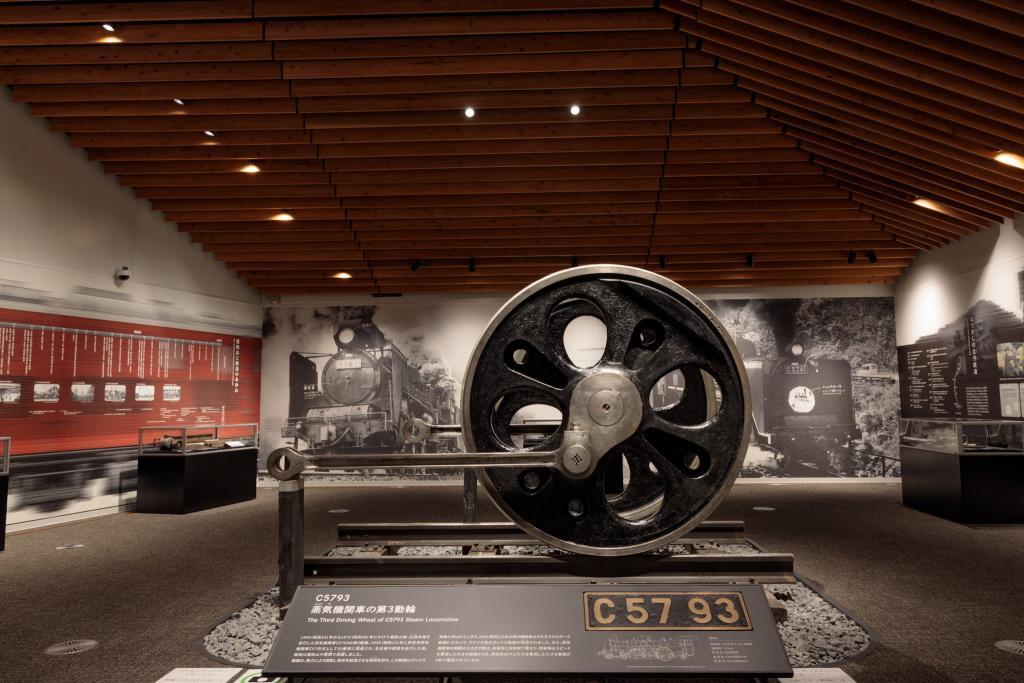
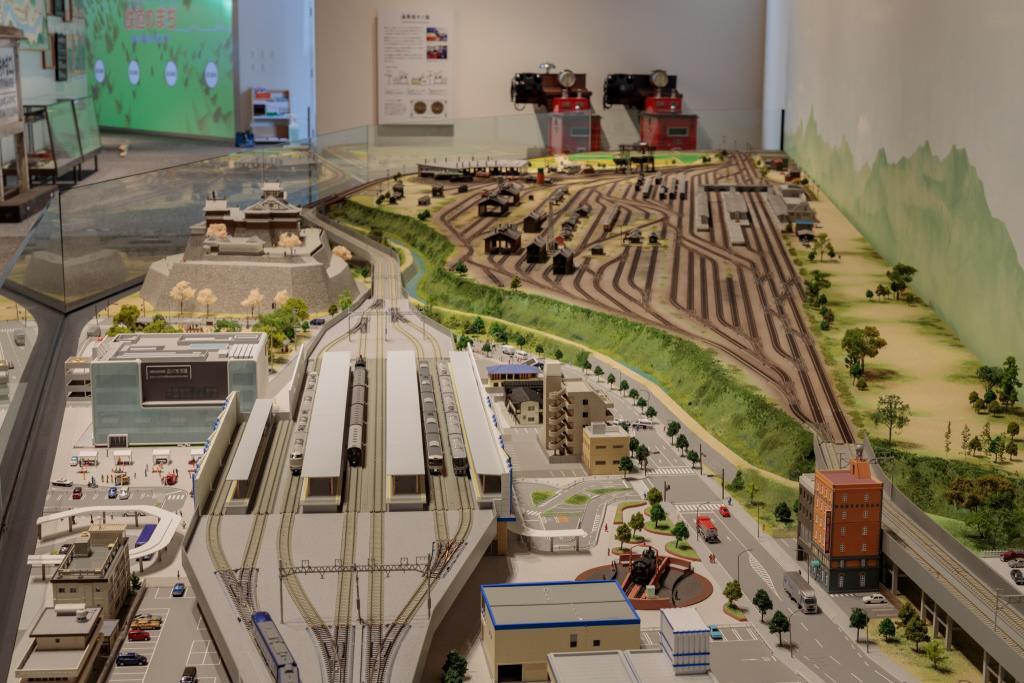
When it comes to recommended indoor attractions in Kyoto for families with children, the Kyoto Railway Museum is a great place to start. Built around the themes of “seeing, touching, and experiencing,” the museum showcases a collection of special rail vehicles, ranging from steam locomotives to shinkansen (bullet train) trains. You can also see one of Japan’s largest railway dioramas and try your hand at a train-driving simulator. Outside, you’ll find the SL Steam train, pulled by a real steam locomotive, and an impressive train roundhouse, sure to delight train fans of any age.
Kyoto Railway Museum
・Address: Kankiji-cho, Shimogyo-ku, Kyoto City, Kyoto Prefecture
・Hours: 10:00 a.m. – 5:00 p.m. (Last admission at 4:30 p.m.)
・Closed: Wednesdays (open on public holidays and during school holidays), year-end and New Year holidays, and other dates. Please check the official website for details.
・Access: Approximately 2 minutes on foot from Umekoji-Kyotonishi Station on the JR Sagano Line
・Official Website: https://www.kyotorailwaymuseum.jp/en/
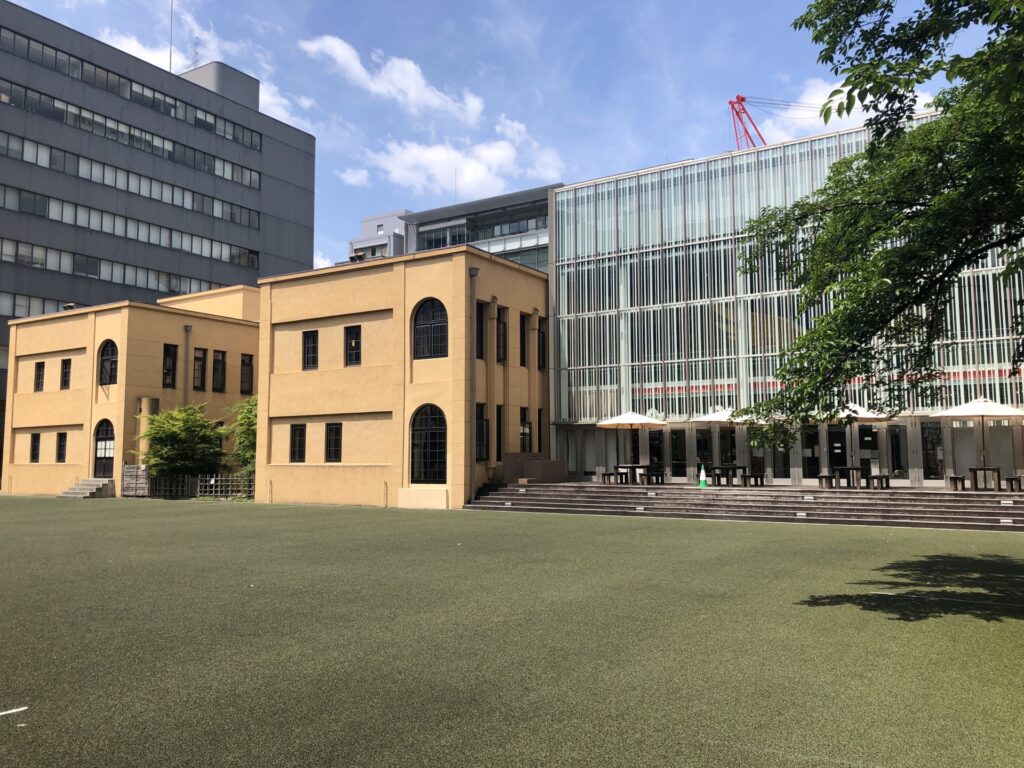
Kyoto International Manga Museum|Spend Some Time Immersing Yourself in the World of Manga
Housed in a former elementary school building constructed in the early Showa era, the Kyoto International Manga Museum functions as both a museum and a library, holding a collection of approximately 300,000 manga-related items from Japan and abroad. Its “Manga Wall,” a series of bookshelves lining the interior walls, holds around 50,000 manga volumes that visitors are free to take down and read. In addition to exhibitions exploring the history of Japanese manga, the museum hosts events like live demonstrations by manga artists (held on Saturdays, Sundays, and public holidays) and kamishibai picture-story performances. Visitors are free to come and go as they please on the day of their visit, which makes the manga museum a great stop not just for manga fans, but a convenient one for families, too.
Kyoto International Manga Museum
・Address: Former Ryuchi Elementary School, Karasuma-dori Oike-agaru, Nakagyo-ku, Kyoto City, Kyoto Prefecture
・Hours: 10:00 a.m. – 5:00 p.m. (Last admission at 4:30 p.m.)
・Closed: Wednesdays (if Wednesday is a public holiday, the museum will close the following day), year-end and New Years holidays, and scheduled maintenance days
・Access: Just outside Exit 2 of Karasuma Oike Station on the Kyoto Municipal Subway
・Official Website: https://kyotomm.jp/en/
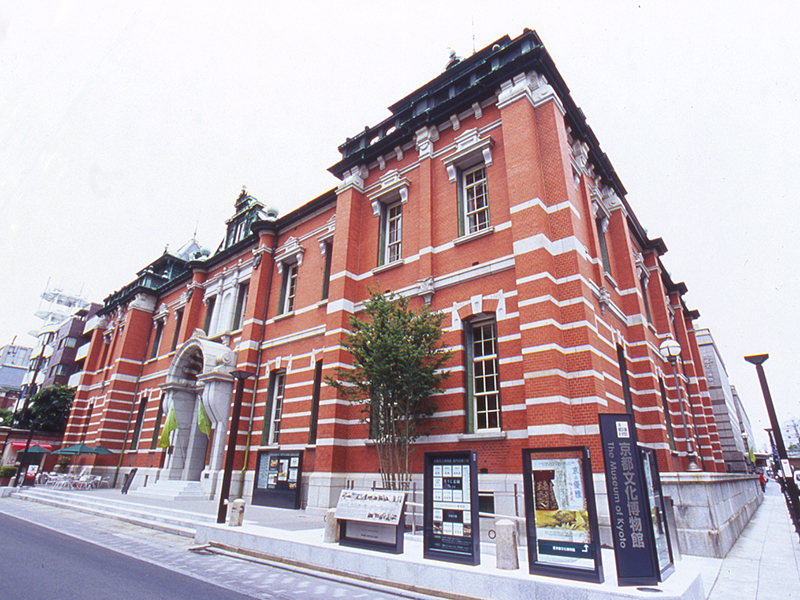
The Museum of Kyoto|Discover the Art and History of Kyoto Through the Exhibitions
Annex of the Museum of Kyoto (former Bank of Japan Kyoto Branch)
If you want a deeper understanding of the history and culture of the ancient capital, try stopping by the Museum of Kyoto. Through its permanent collection and special exhibitions, the museum offers an accessible introduction to daily life, art, and culture in Kyoto across different eras. The museum also features a film theater that screens movies from the Kyoto Prefectural Government’s collection. The museum’s eye-catching retro annex was formerly the Kyoto Branch of the Bank of Japan, and has since been designated an Important Cultural Property, as a prime example of Western-style architecture from the Meiji era (1868-1912).
The Museum of Kyoto
・Address: Sanjo-Takakura, Nakagyo-ku, Kyoto City, Kyoto Prefecture
・Hours: General Exhibitions: 10:00 a.m. – 7:30 p.m. (admission until 7:00 p.m.); Special Exhibitions: 10:00 a.m. – 6:00 p.m. (until 7:30 p.m. on Fridays). Admission closes 30 minutes before closing time for both. Annex: 10:00 a.m. – 7:30 p.m. (closing times may change due to events and other circumstances).
・Closed: Mondays (if Monday is a public holiday, closed the following weekday) and year-end and New Year holidays
・Access: Approximately 3 minutes on foot from Exit 5 of Karasuma Oike Station on the Kyoto Municipal Subway
・Official Website: https://www.bunpaku.or.jp/en/
10 of the Best Indoor Attractions Near Kyoto
The areas surrounding Kyoto offer more than just natural scenery, but a variety of places to experience tea culture, history, art, railways, hot springs, and more. Whether you travel by train or by car, you can enjoy a fulfilling and comfortable trip to Kyoto’s outskirts no matter the season or weather.
Maizuru, Kyoto by the Sea|Explore Naval History Through Red-Brick Architecture
Maizuru, once an important naval port, is still home to numerous red-brick warehouses and heritage sites from its era of modernization. Step inside the historic buildings, and you’ll learn about the town’s history as a port city. By joining a special guided tour, you can also visit valuable historical sites that are not normally open to the public.
Maizuru Red Brick Park & Red Brick Museum|Walk the Port Town’s Historical Streets
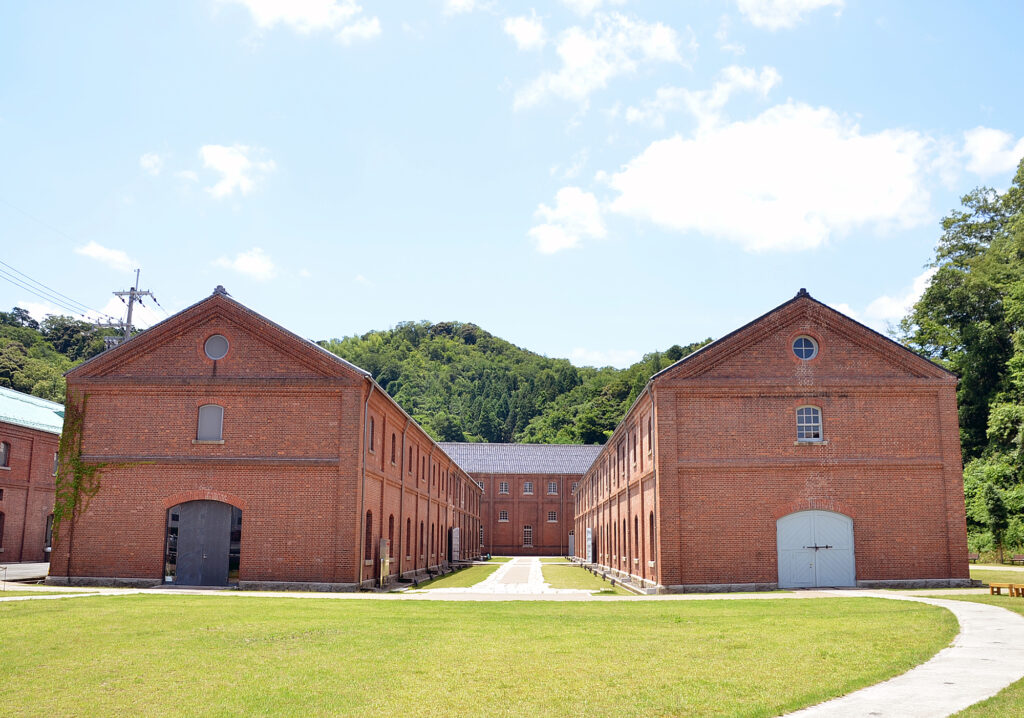
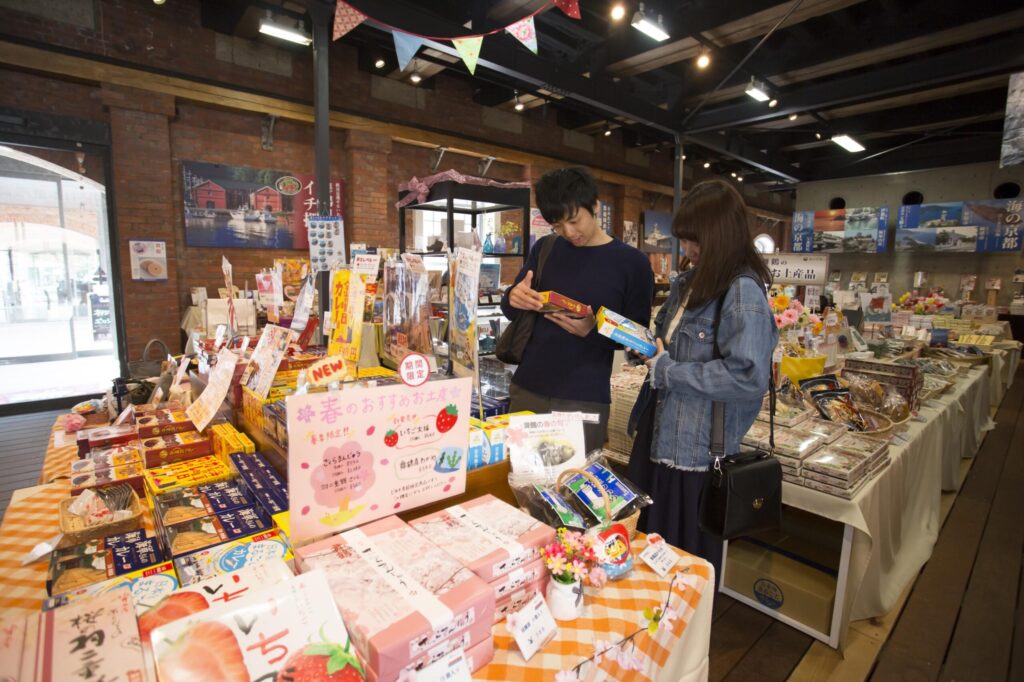
Maizuru Red Brick Park is an area featuring a collection of red-brick warehouses built between the Meiji (1868-1912) and Taisho (1912-1926) periods. Once used to store military supplies and other goods, the buildings are now home to exhibition spaces, event venues, cafés, and visitor spaces. The Red Brick Museum on the grounds is located in what was once a torpedo warehouse, and introduces the history of red brick and its manufacturing techniques in an accessible way, from its role in world civilization to Japan’s modernization. Take a stroll between the retro warehouses and experience the distinctive atmosphere of the port town of Maizuru, with its deep, historical naval ties.
Maizuru Red Brick Park
The red brick warehouses of Maizuru Red Brick Park in Kitasui District, Maizuru City, when used as storehouses for the pre-war Maizuru Naval District, and were built one after another between 1900 and …
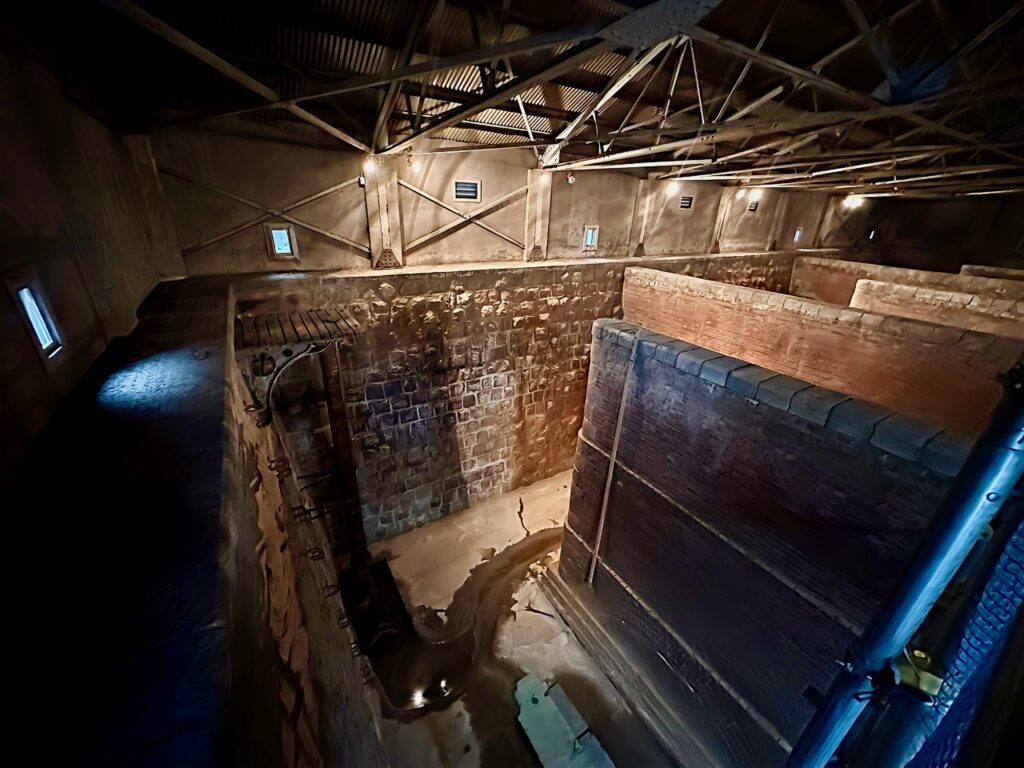
Former Kitasui Water Purification Plant Reservoir|A Modernized Heritage Site Open Only Via Guided Tour
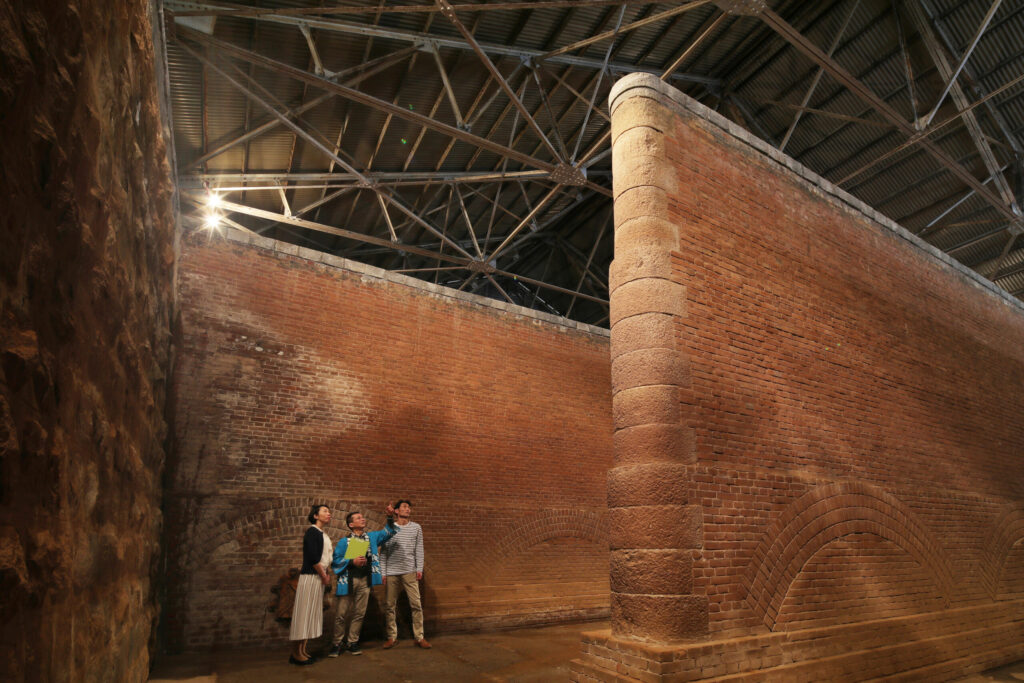
The Former Kitasui Water Purification Plant Reservoir was originally built to supply drinking water to the Maizuru Naval District. Designated an Important Cultural Property, it isn’t usually open to the public. If you would like to take a tour, you will need to make an advance reservation for the Maizuru Red Brick Guided Tour, which is held during a limited period of opening to the public. Accompanied by a dedicated guide, you can explore parts of the red-brick warehouse complex and the reservoir. The tour itinerary varies by season and includes walking outdoors, so we recommend wearing comfortable clothing suited for the weather.
*Guided tours are available in Japanese only.
Former Kitasui Water Purification Plant Reservoir
・Address: Kitasui, Maizuru City, Kyoto Prefecture
・How to Visit: Accessible only to participants on guided tours. Dates and available time slots are announced on the official website’s reservation page.
・Reservations: Advance booking through the official website is required. (Applications must be submitted by 5:00 p.m. five days before your visit. Routes vary depending on the season.)
・Access: Guided tours meet at the Red Brick Museum. Approximately 20 minutes on foot from JR Higashi-Maizuru Station, or approximately 5 minutes on foot from the Shiyakusho-mae bus stop on Kyoto Kotsu buses.
・Official Website: https://maizuru-kanko.net/archives/experience/278 (Japanese only)
Fukuchiyama, Kyoto by the Sea/Woodland Kyoto|A Castle, Trains, and Legends of Oni
Fukuchiyama is known not only for its history as a castle town built by famous samurai Akechi Mitsuhide, but also for its heritage as a railway town and the legends of oni (the demons or ogres of Japanese folklore) passed down on Mt. Oe. Fukuchiyama Castle and the Fukuchiyama Railway Museum FukuRail are both located in the city center and can be visited together on foot, while the Japan Oni Culture Museum is best reached by car.
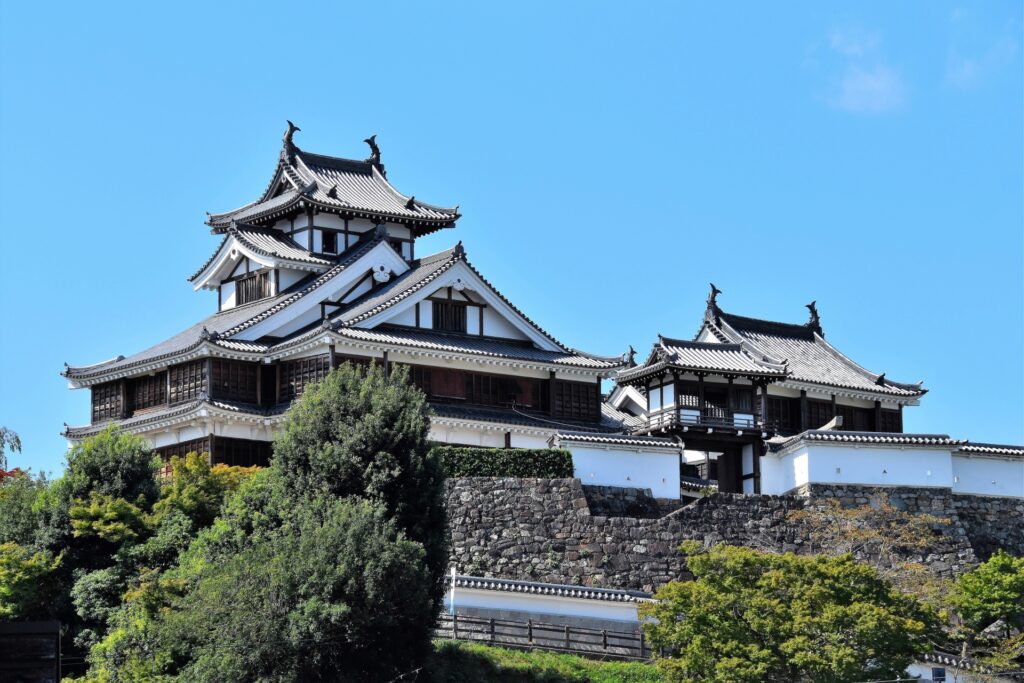
Fukuchiyama Castle|Climb the Castle Tower and Follow in the Footsteps of Akechi Mitsuhide
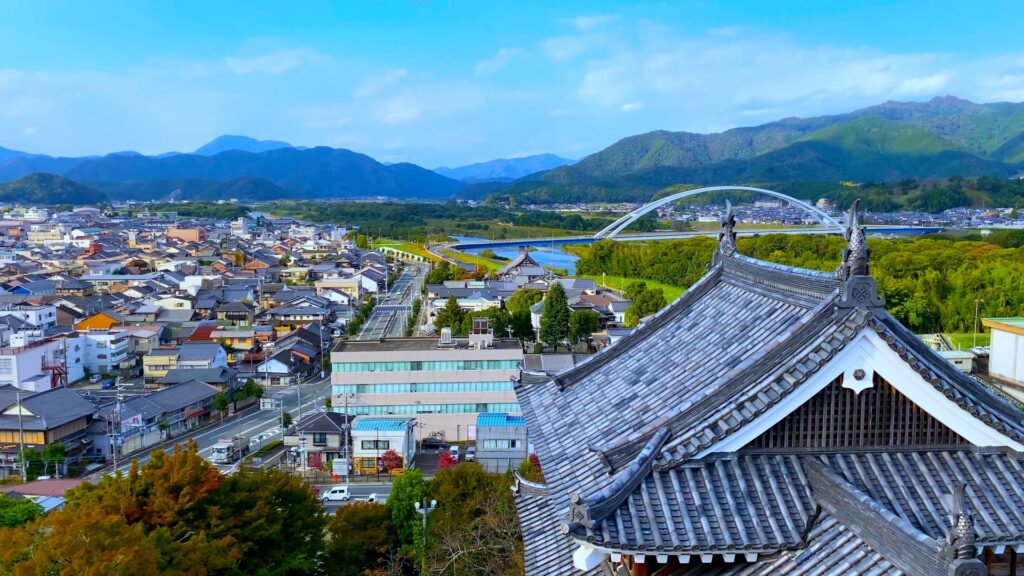
Fukuchiyama Castle was built by Akechi Mitsuhide, who once ruled the Tamba region. Inside the reconstructed three-story, four-floor castle tower, you can view exhibitions about Mitsuhide’s achievements and the history and culture of Fukuchiyama. The castle’s stone walls feature numerous repurposed stones taken from stone pagodas, Buddhist statues, and other structures, which is a feature unique to Fukuchiyama Castle. From the top floor of the tower, you can enjoy panoramic views of the Yura River and the surrounding castle town. The path up to the tower includes a slight uphill climb, but once inside, you can take your time enjoying the romance of the history without worrying about the weather.
Fukuchiyama Castle
Before Fukuchiyama Castle, there was Yokoyama Castle, a fortress of the Yokoyama, the local ruling family. Akechi Mitsuhide, the samurai who subjugated Tamba, rebuilt the fortress using state-of-the-a …
Fukuchiyama Railway Museum FukuRail|Discover a Railway Town Through Hands-On Exhibits
Since railways first arrived in the Meiji period (1868-1912), Fukuchiyama developed into an important railway town in northern Kyoto Prefecture. The Fukuchiyama Railway Museum FukuRail, located next to Fukuchiyama Castle Park, showcases this history of the town and its railways through valuable artifacts and interactive exhibits. Within, you’ll find a train-driving simulator, projection mapping displays, and a railway diorama you can come see up close – a fun visit for both rail fans and families with children.
Fukuchiyama Railway Museum FukuRail
・Address: 32-20 Okano, Fukuchiyama City, Kyoto Prefecture
・Hours: 10:00 a.m. – 5:00 p.m. (Last admission at 4:30 p.m.)
・Closed: Tuesdays and Wednesdays (if either day is a public holiday, closed the following day), December 28-31, and January 4-6
・Access: Approximately 15 minutes on foot from Fukuchiyama Station on the JR and Kyoto Tango Railway lines, or approximately 5 minutes by Kyoto Kotsu bus
・Instagram: https://www.instagram.com/fukuchiyama_railway_museum/
Japan Oni Cultural Museum|Delve Into Oni Legends at the Foot of Mt. Oe
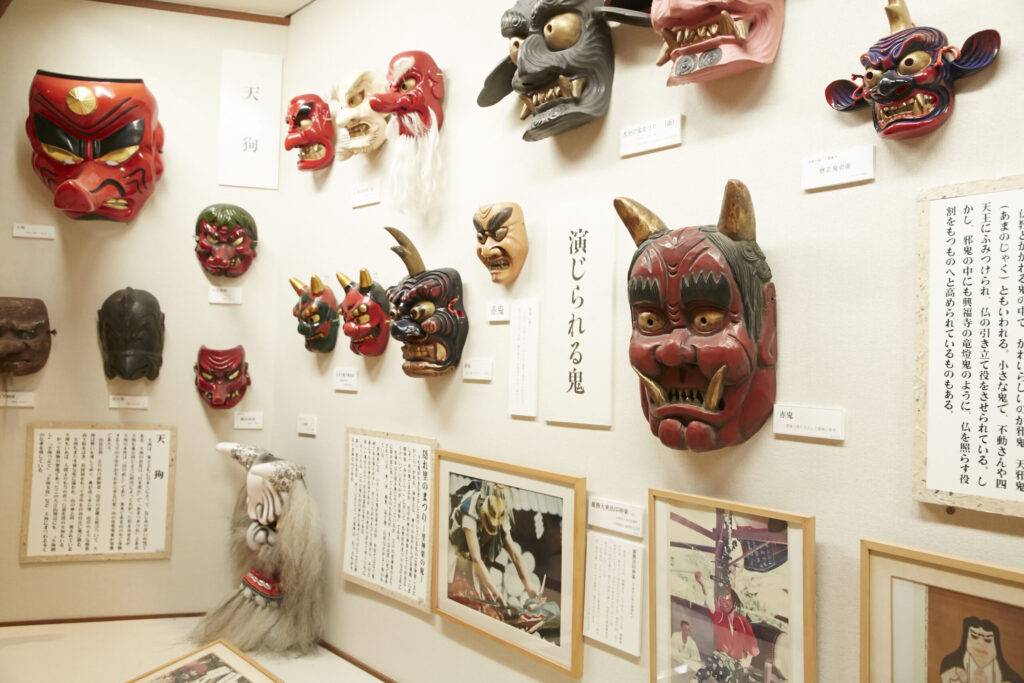
Mt. Oe is known as the home of Shuten Doji, one of Japan’s most famous oni. Located at the mountain’s foot, the Japan Oni Cultural Museum features exhibitions on oni culture in Japan and around the world. Inside, visitors can explore masks, illustrated scrolls, onigawara decorative roof tiles, and other materials to learn how oni have been connected to folklore, religious beliefs, and everyday life. Outside, unique statues of oni add to the atmosphere of this uniquely Fukuchiyama cultural attraction that’s both mysterious and charming.
Japan Oni Cultural Museum
The Japan Oni Cultural Museum is appropriately located at the foot of the Oeyama mountain range, home to the most notorious “oni” (demon or ogre) in Japan, Shuten Doji. The museum explains local folkl …
Nantan, Woodland Kyoto|Enjoy Both Hot Springs & Water Activities
Surrounded by mountains, Nantan City’s refreshingly rich natural surroundings are a huge part of its charm. If you want to relax and unwind, a hot spring trip may be just the thing. Here, you can enjoy hot springs, pools, and even stone saunas all in one place – it has everything both kids and adults could want to refresh.
ASOBIYUKU Kyoto Rurikei Onsen|Relax & Enjoy a Full Day in the Great Outdoors
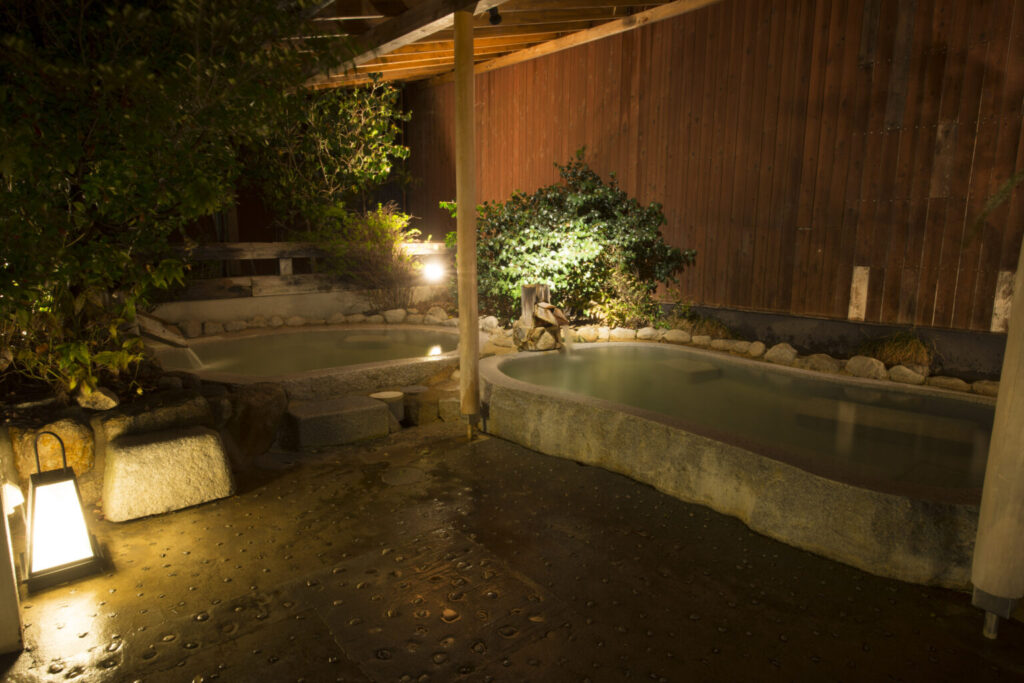
ASOBIYUKU Kyoto Rurikei Onsen is a resort complex featuring indoor and outdoor activities, hot springs, swimming pools, accommodation, and dining facilities, perfect for a day trip visit or an overnight stay. In addition to large communal baths and hot spring areas where swimsuits are permitted, the resort has a relaxation space called Lantern Terrace, a kids’ area, a manga corner, and more. Enjoy the hot springs or a swim, or relax indoors as you like, easily adjusting for the weather.
ASOBIYUKU Kyoto Rurikei Onsen
・Address: 1-14 Hirotani, Okochi, Sonobe-cho, Nantan City, Kyoto Prefecture
・Hours: Rurino-yu: 7:00 a.m. – 11:30 p.m. (Reception closes at 11:00 p.m.); Swimming pool: 9:00 a.m. – 6:00 p.m. Hours vary for other facilities.
・Closed: Open year-round (may close temporarily for equipment inspections and other reasons).
・Access: Free shuttle buses operate from JR Sonobe Station and Nose Electric Railway’s Hiyoshinaka Station. Day-trip visitors cannot reserve the shuttle in advance and may be unable to board if it is full. Arriving by taxi or car is recommended.
・Official Website: https://rurikei.jp/ (Japanese only)
Uji, Kyoto Tea Country|A Journey Through Tea Culture and The Tale of Genji
Easily accessible by Keihan Railway trains from downtown Kyoto, Uji is known of course for Byodo-in Temple and matcha desserts, but also has interesting cultural spots near Keihan Uji Station that are perfect to pair with a visit to spots along the Uji River.
Tea and Uji Town Historical Park, Chazuna | Experience Uji Tea Culture
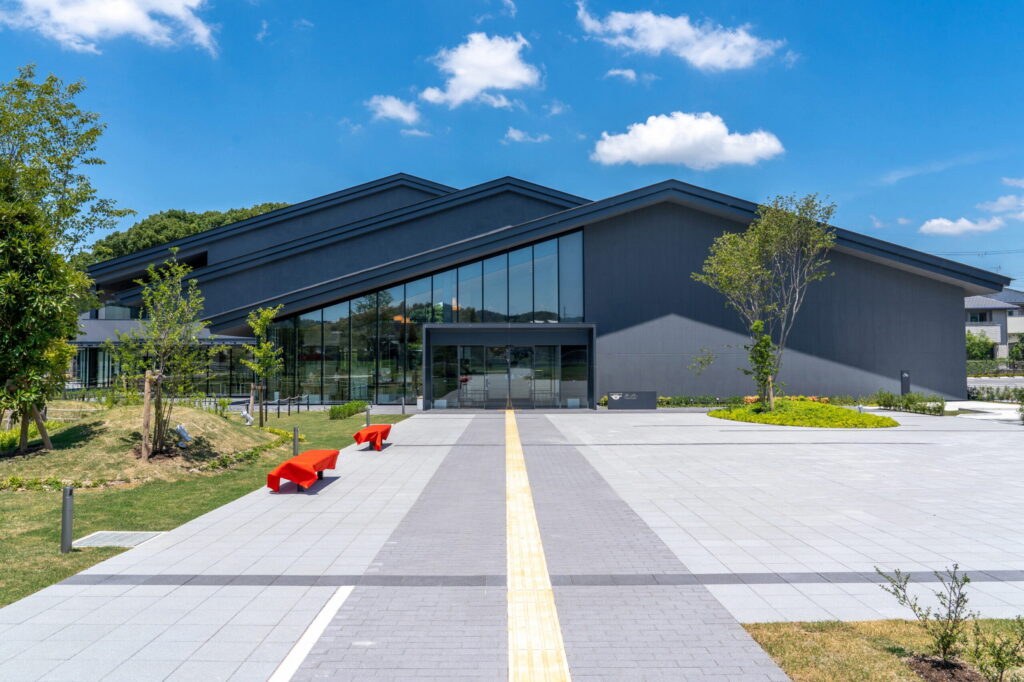
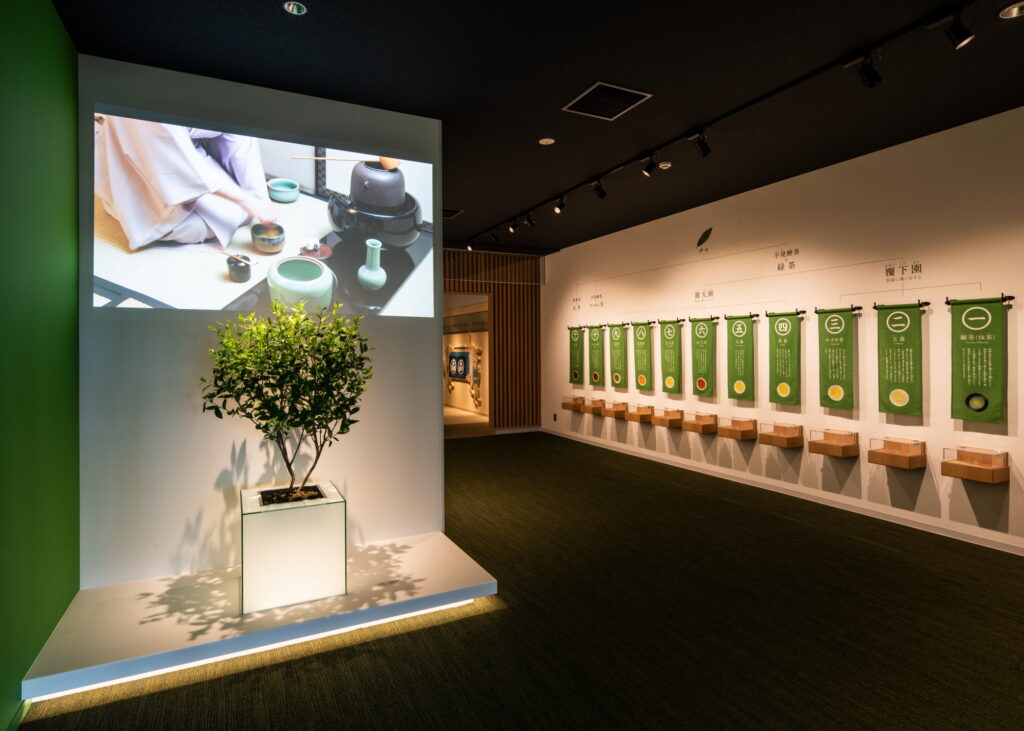
If you want to learn more about Uji tea and the town’s history, make your first stop to Tea and Uji Town Historical Park. In Chazuna, the visitor center located within the grounds, you’ll find an accessible introduction to the origins of Uji tea, how it’s produced, and the history of Uji via videos and interactive exhibits. You can also try your hand at seasonal tea-picking experiences and matcha-making workshops, both of which require reservations. Come discover the charms of Uji from a variety of angles in Chazuna, which is also a great visit for families with children.
Historical Park of Tea and Uji Land (Chazuna)
If you want to learn about Uji tea and the history and culture of Uji, this is the perfect place to start.
With the rich history of Uji, the park is located among several historical sites, including …
The Tale of Genji Museum|Enter the World of A Heian Period Tale
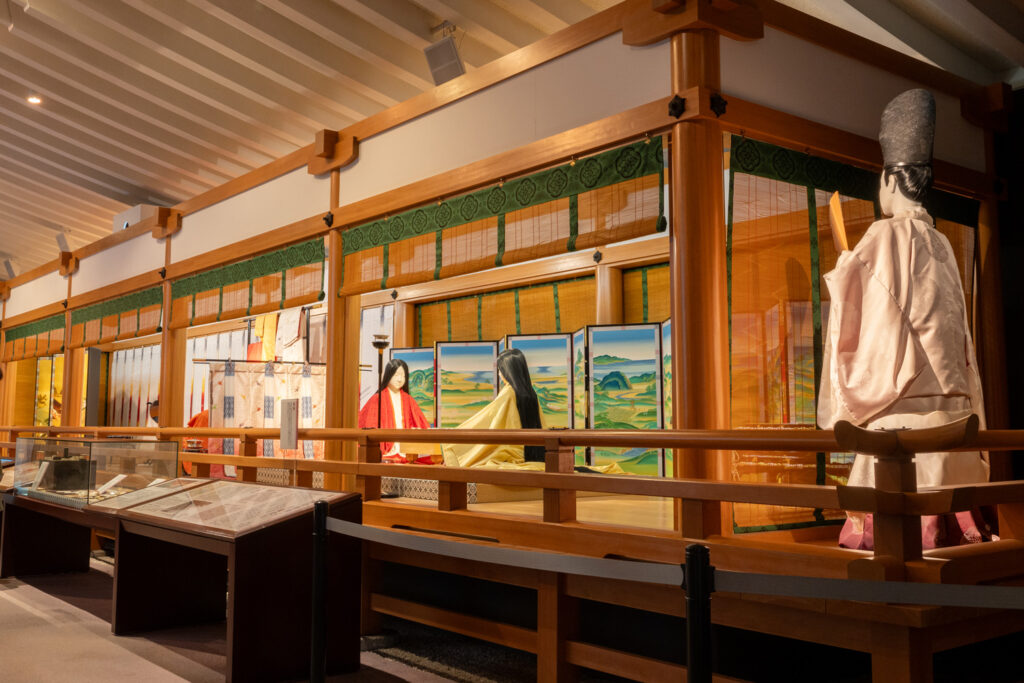
Uji is known as the principal setting for the final ten chapters of The Tale of Genji, an enduring masterpiece of Japanese literature. At the Tale of Genji Museum in Uji, models, videos, and interactive exhibits recreate scenes from the story and everyday life during the Heian period (794-1185), so that even visitors who have never read the original work can have fun learning about the characters and plot as they explore. Some areas also feature explanations in multiple languages to make the exhibits more widely accessible. After you explore the museum, take a stroll along the Uji River to experience the distinctive atmosphere of this literary town.
“The Tale Of Genji Museum, UJI”
The Tale of Genji is a worldwide-known masterpiece of classical Japanese literature written by Murasaki Shikibu in the Heian Period (794-1185). It depicts the romantic entanglements of a fictional cha …
Kyoto Otokuni Bamboo Grove Area|A Trip to Enjoy Art & Factory Tours
Located between Kyoto and Osaka, the Otokuni area is a great spot to visit because it’s easily accessible by train. On a hot afternoon, why not take a fun trip around the area to satisfy your intellectual curiosity, admiring art and architecture at a museum or taking a tour of a brewery?
Asahi Group Oyamazaki Villa Museum of Art | A Meeting of Western-Style Architecture, Famous Artwork, and Gardens
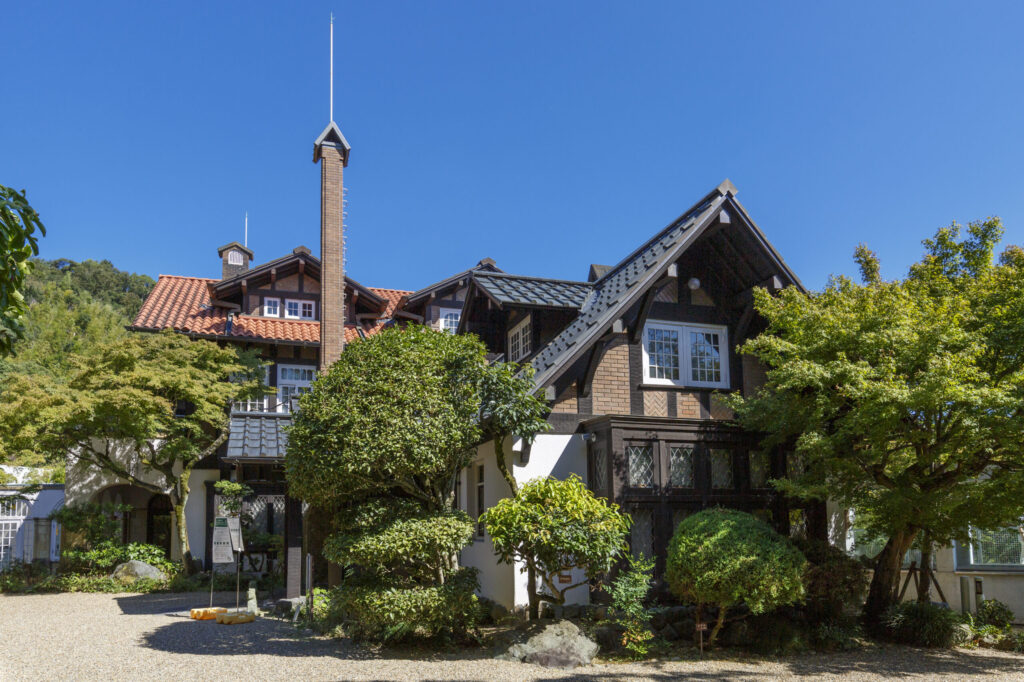
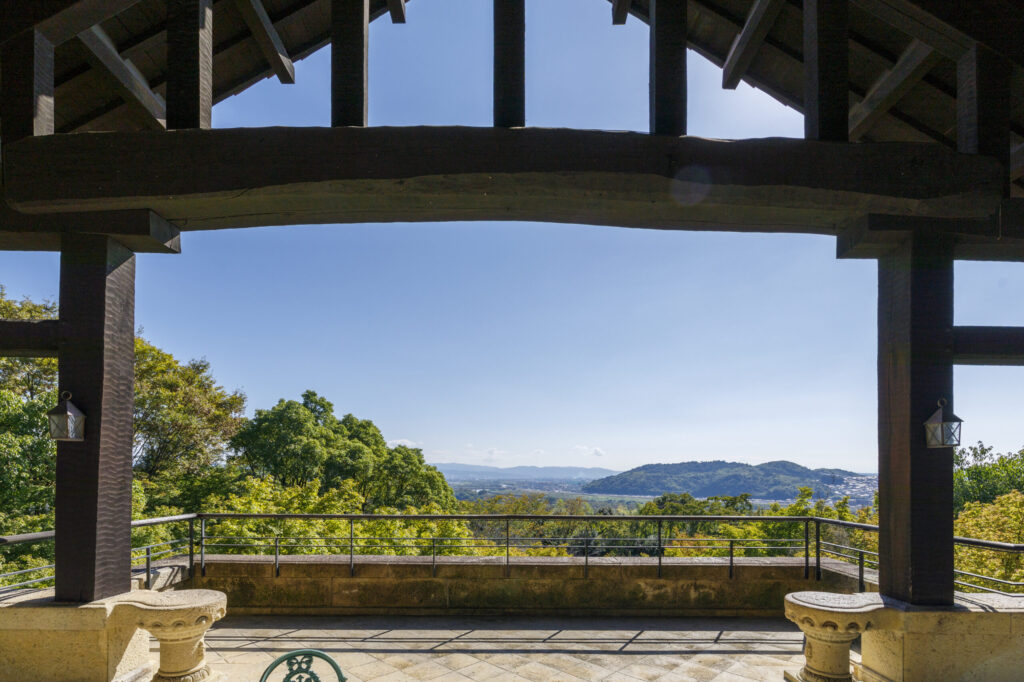
The Asahi Group Oyamazaki Villa Museum of Art consists of a British-style main building constructed between the Taisho period (1912-1926) and the early Showa period (1926-1989), along with two buildings designed by architect Tadao Ando: the underground “Underground Jewel Box” and the hillside “Box of Dreams.” Inside the museum, you can see ceramics and crafts by folk artists like Kanjiro Kawai, as well as Claude Monet’s Water Lilies series. The main building’s terrace offers an excellent view of the meeting of three rivers, to wrap up an experience that surrounds you with architecture, art, and nature.
Asahi Group Oyamazaki Villa Museum of Art
The Asahi Beer Oyamazaki Villa Museum of Art consists of the main building, which was built between the 1910s and early 1930s, and two annexes—the Underground Jewelry Box (South Wing) and the Dream Bo …
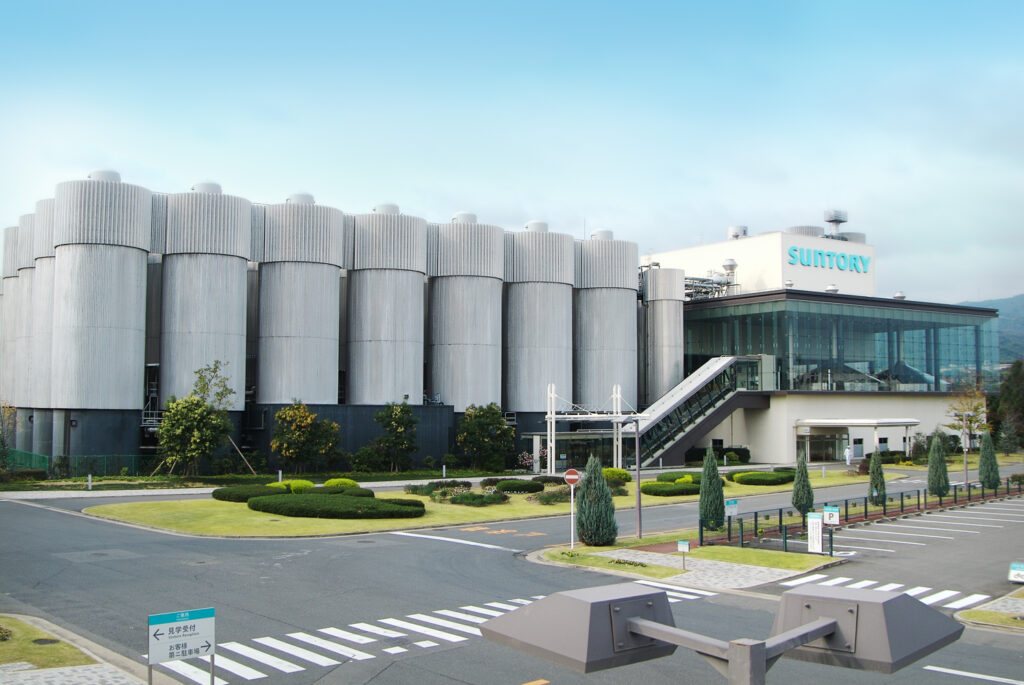
Suntory Kyoto Brewery|See the Brewing Process & Sample Freshly Made Beer
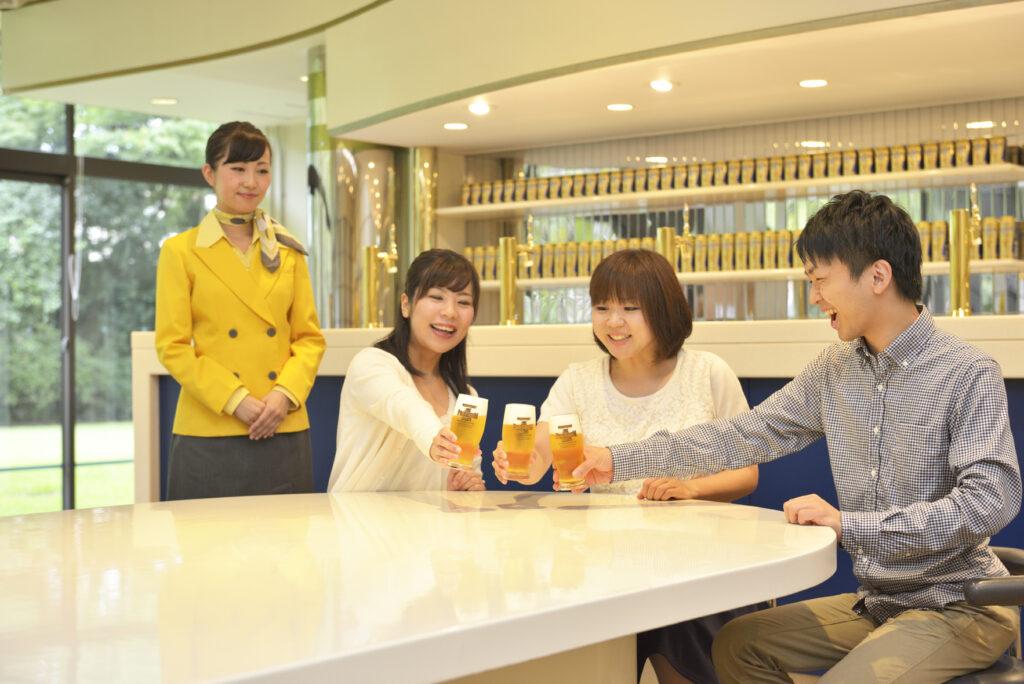
At the Suntory Kyoto Brewery, guided tours provide an easy-to-understand introduction to beer ingredients and the brewing process, and visitors can see the large-scale production facilities up close. After the tour, there’s a tasting session where you can sample fresh, just-brewed beer. Non-alcoholic beverages and soft drinks are also available for those who don’t drink alcohol, or for drivers. Since tour groups have a limited capacity, we recommend making a reservation in advance.
Suntory Kyoto Brewery
Suntory Kyoto Brewery is Suntory’s second brewery, opened in 1969 in Nagaokakyo City. Around 90% of beer is made of water, so Suntory insists on building their brewery in places rich in high quality g …
Where are the Best Indoor Spots in Kyoto? Comparing Based on What You Want to Do!
Since museums, hot springs, and factory tours all offer a different kind of experience, narrowing down your choices will mean picking spots based on your means of transportation and the kind of trip you want to have. The table below summarizes the features and points to note for each area to help you find the perfect sightseeing route in Kyoto!
Area
Best Locations to Visit
Best For/Interests
Access & Notes
Kyoto City
Kyoto Railway Museum, Kyoto International Manga Museum, The Museum of Kyoto
Families, railway enthusiasts, manga fans, art & history enthusiasts
Close to train stations, so it’s easy to sightsee with flexibility
Maizuru, Kyoto by the Sea
Maizuru Red Brick Park, Former Kitasui Water Purification Plant Reservoir
Modern architecture, naval and port-town history
The Former Kitasui Water Purification Plant Reservoir is accessible only through designated guided tours (and requires advance booking)
Fukuchiyama, Kyoto by the Sea & Woodland Kyoto
Fukuchiyama Castle, Fukuchiyama Railway Museum FukuRail, Japan Oni Cultural Museum
Castle visits, railways, oni legends
Fukuchiyama Castle and FukuRail can be visited as a set. Traveling by car is recommended for the Japan Oni Culture Museum.
Nantan, Woodland Kyoto
ASOBIYUKU Kyoto Rurikei Onsen
Hot springs & family-friendly water activities
Best visited by car. *Day-trip visitors cannot reserve the free shuttle bus in advance.
Uji, Kyoto Tea Country
Tea and Uji Town Historical Park, The Tale of Genji Museum
Tea culture; literature and history; family-friendly hands-on experiences
Within walking distance of Keihan Uji Station. Ideal for a day trip exploring the town on foot.
Kyoto Otokuni Bamboo Grove
Asahi Group Oyamazaki Villa Museum of Art, Suntory Kyoto Brewery
Art and architecture, factory tours, beer culture
Both are accessible by train. *Advance reservations are required for the beer factory’s guided tour.
Frequently Asked Questions About Indoor Spots in Kyoto
Q1: What are the best places to go in Kyoto regardless of the weather? What places can I enjoy on a rainy day or really hot day?
If you’re in Kyoto City, check out the Kyoto Railway Museum, Kyoto International Manga Museum, and the Museum of Kyoto. In Kyoto’s surrounding areas, the Tale of Genji Museum in Uji, Fukuchiyama Railway Museum Fukureru, and Asahi Group Oyamazaki Villa Museum of Art are also good choices, plus a guided tour of Suntory Kyoto Brewery. All of these attractions focus primarily on indoor activities, and many can be reached by train and then a short walk.
Q2: What are the best indoor places in Kyoto for families with kids?
Children who love cars, trains, and other vehicles will love the Kyoto Railway Museum or the Fukuchiyama Railway Museum FukuRail. If you’re looking for hands-on experiences, check out Chazuna at Tea and Uji Town Historical Park to learn about Uji tea culture. For swimming or hot springs, head to ASOBIYUKU Kyoto Rurikei Onsen for its swimming pool, swimsuit-friendly hot spring area, and kids’ area, which are all great for a full day of fun and relaxation. The Kyoto International Manga Museum and Japan Oni Cultural Museum are also popular with children and adults who love manga and yokai (supernatural creatures from Japanese folklore).
One of the great things about independent travel in Kyoto is that you can enjoy your trip without worrying about the weather, even on rainy days or during extreme heat. From museums in Kyoto City to Uji’s tea culture, Fukuchiyama’s oni legends, Maizuru’s red-brick architecture, and factory tours in Otokuni, keeping some indoor attractions in your itinerary gives you the flexibility to explore new sides of Kyoto without the rush. When intense heat or rainy weather threatens, consider venturing a little beyond the usual sightseeing areas and enjoying an even richer trip to the areas surrounding Kyoto.
*This article includes excerpts from and has been edited and adapted from a previously published article on Another Kyoto.