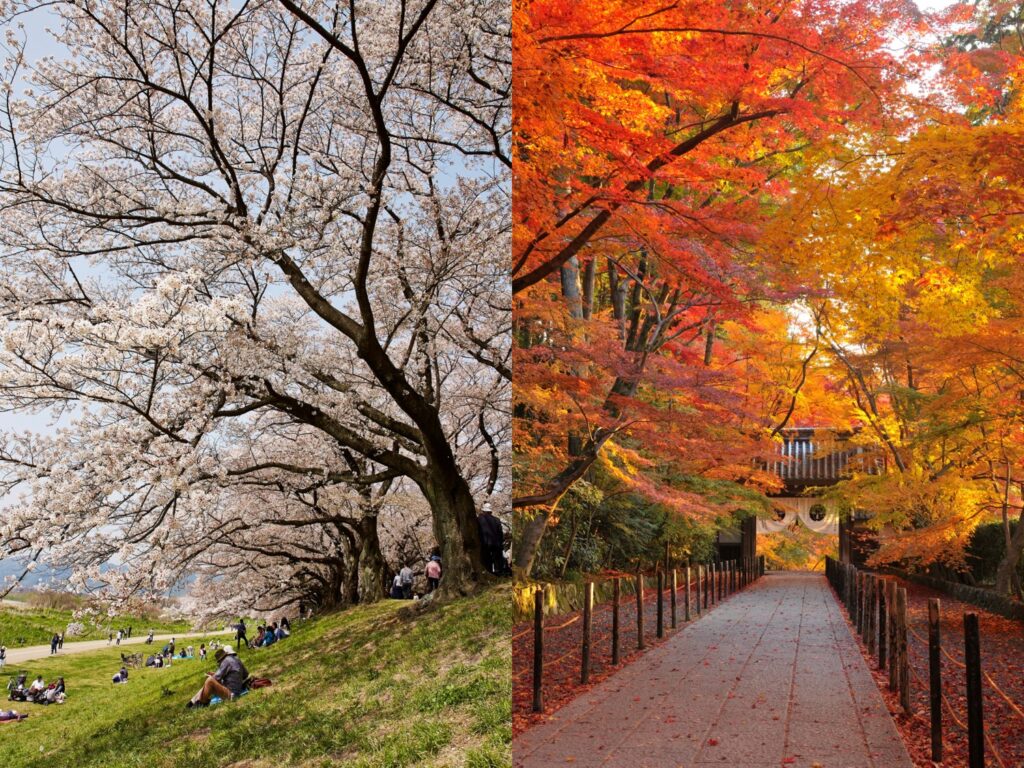
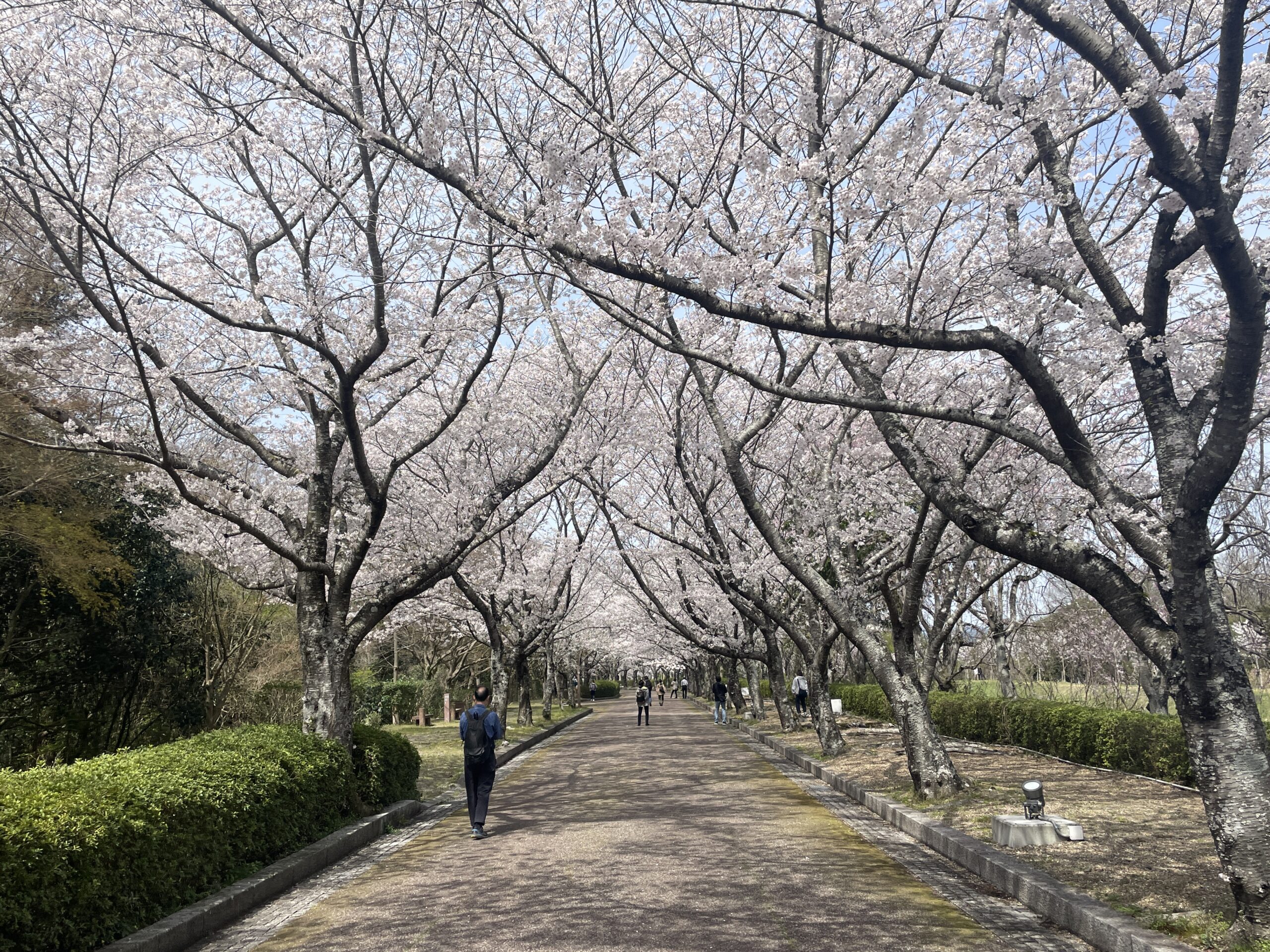
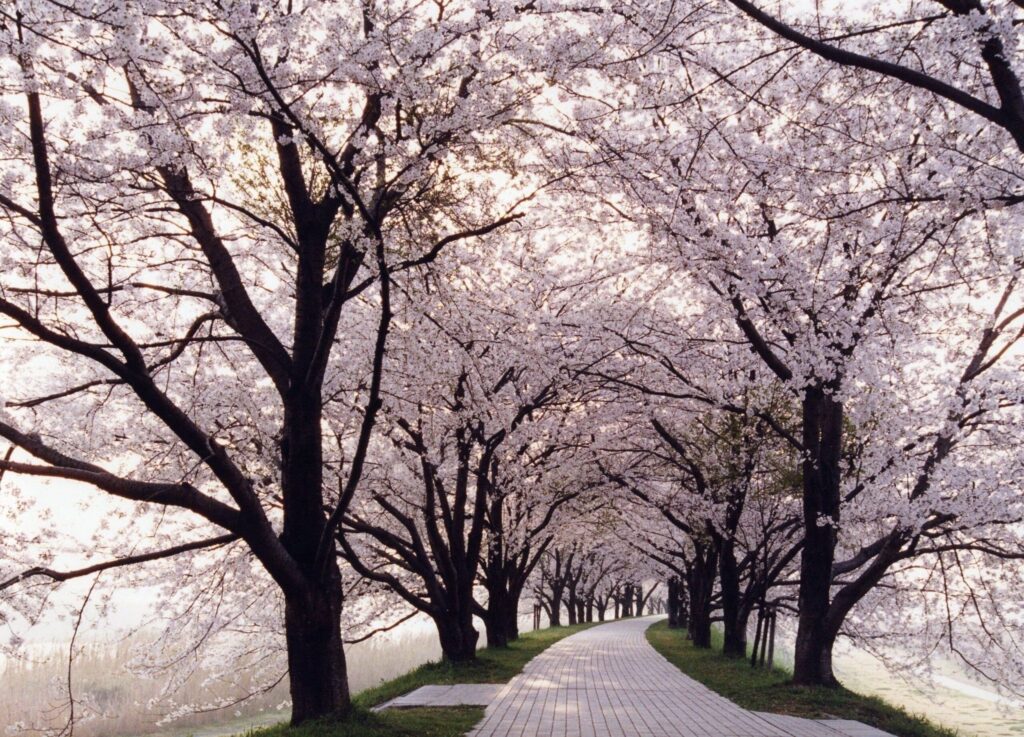
During the cherry blossom and autumn leaf seasons, Kyoto is one of the Kansai region’s most popular destinations. But you’ll find that there are many wonderful spots to take in the season’s scenery beyond the city center as well, across Kyoto Prefecture. From blossoming cherries against a backdrop of the sea, to autumn leaves illuminating the valleys, to riverside rows of cherry trees, and the vibrant red maples of quiet ancient temples, there’s no shortage of beautiful sights to explore.
For Japanese people, cherry blossom and autumn leaf-viewing are about more than just taking pictures; they’re cherished cultural traditions that celebrate the changing seasons in nature. In spring, people gather beneath the cherry blossoms for picnics, while autumn is a time to stroll through forests and admire the colorful foliage. On your next trip to Kyoto, why not leave the crowds behind and experience the beauty of Kyoto’s other regions as the locals do?
Cherry Blossoms & Autumn Leaves in Kyoto: Venture Beyond the City & Take in the Seasons At a Slower Pace
Famous Kyoto spots like Kiyomizu-dera Temple, the Keage Incline, or Nanzen-ji Temple are undeniably beautiful, but during peak season they can become extremely crowded, so it’s hard to take your time enjoying them. The areas surrounding Kyoto City, on the other hand, are full of natural beauty and still have a kind of rustic charm, perfect for exploring at your own pace and drinking in the scenery.
In Kyoto by the Sea, you’ll find scenery that combines the blossoms and autumn leaves with the ocean; in Woodland Kyoto, forest trails that connect the valleys to ancient temples. Kyoto Tea Country presents the seasonal landscapes of its rivers and sprawling tea fields. And in the Kyoto Otokuni Bamboo Grove area you’ll be met with historic shrines, temples, and tranquil bamboo groves. Each area offers a chance to escape the crowds, and experience Japan’s seasonal traditions and deep appreciation for nature through leisurely walks, picnics, and hikes.
Experience Ohanami Like a Local: Enjoy a Spring Picnic
When you think of cherry blossoms in Japan, you’re probably picturing the most famous images of “cherry blossom tunnels” or showers of falling petals, but for many Japanese people, ohanami (cherry blossom viewing) is also an important tradition that marks the beginning of a new school year or a new chapter in life. As the cherries bloom, families, friends, and coworkers gather in parks and along riverbanks, spread out picnic blankets, enjoy bento lunches and sanshoku dango (three-colored rice dumplings), and relax and chat beneath the cherry trees.
This culture of ohanami isn’t about rushing from one famous spot to the next, or getting the perfect shot for Instagram, but about sharing the beauty of the moment with the people that matter. With their spacious parks and rich natural scenery, the areas surrounding Kyoto City offer some of the perfect places to enjoy the cherry blossoms the way locals do. Here are some of the best spring cherry blossom spots in the Kyoto by the Sea, Woodland Kyoto, Kyoto Tea Country, and Kyoto Otokuni Bamboo Grove areas.
The Best Cherry Blossom Spots on the Outskirts of Kyoto
Kyoto by the Sea: A Stroll Through Cherries and Castle Ruins at Yamaga Castle Park
Located in Ayabe City, Yamaga Castle Park is one of the most popular cherry blossom spots in the Kyoto by the Sea area. In spring, some 200 cherry trees burst into bloom here, painting the banks of the Yura River and the castle ruins in shades of pink. Far quieter and more relaxed than Kyoto City’s famous cherry blossom attractions, it’s the perfect place to take a peaceful walk as you take in the area’s history. It’s also a great spot to bring a bento lunch and spend a leisurely afternoon enjoying the spring weather.
Yamaga Castle Park
Yamaga Castle Park in Ayabe City, Kyoto Prefecture, is one of the “200 Best Nature Spots in Kyoto” because you can enjoy the nature of the park year round, with plums and cherry blossoms in spring, fr …
Woodland Kyoto: Scenes of Beautiful Falls and a Cherry Blossom Tunnel at Nanatani-gawa River
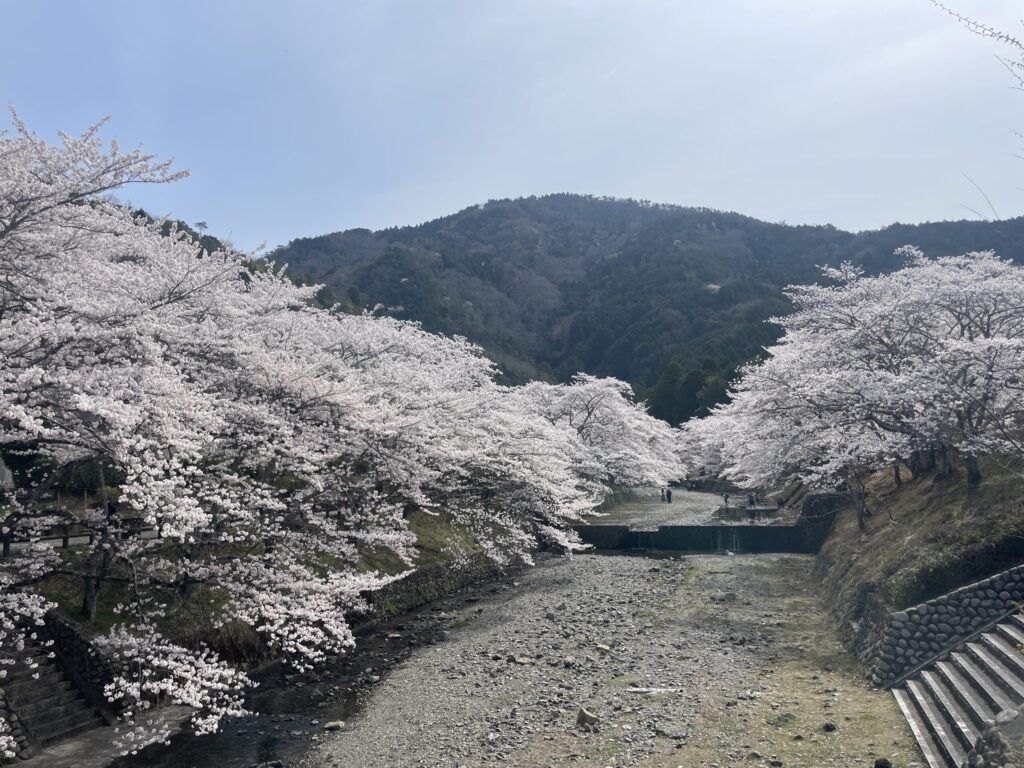
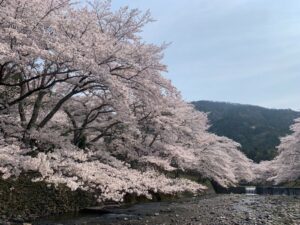
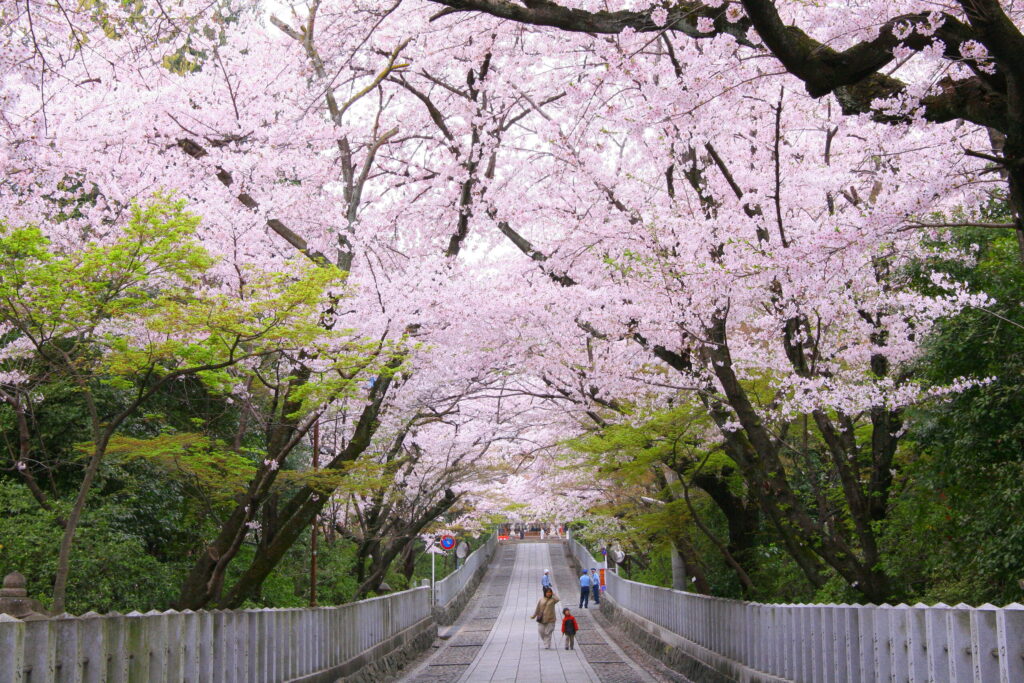
Around 1,500 Somei Yoshino cherry trees line the Yawaragi Road (lit. the “Peaceful Road”) along the Nanatani-gawa River here in Kameoka City. Each spring, the cherry blossoms stretch for approximately one kilometer along the riverbanks, creating a stunning contrast with the clear stream flowing alongside them. There are grassy areas and rest spaces along the river, which is frequented by locals coming to picnic and enjoy the cherry blossoms. Rather than rushing between popular sightseeing spots, this is the perfect place to slow down and appreciate the natural beauty of Kyoto’s surrounding countryside.
Nanatani-gawa River (Yawaragi Road)
Approximately 1,500 blossoming Somei-yoshino cherry trees line both banks of the Nanatani-gawa River, extending for about 1 km and making this a popular blossom-viewing location. Adjacent to the river …
Kyoto Tea Country: A Riverbank Picnic and Incredible Cherry Blossom Tunnel in the Sewaritei Area in Yodogawa Riverside Park
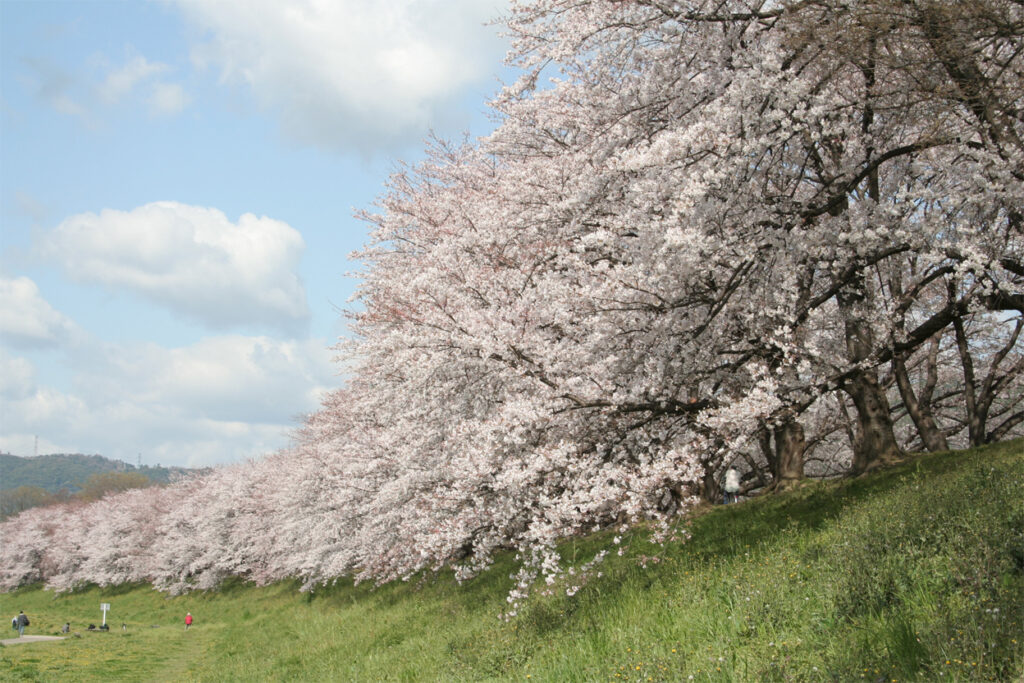
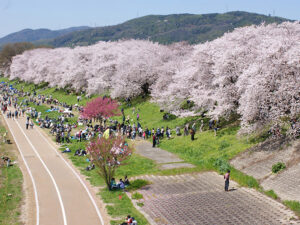
Located in Yawata City on the border between Kyoto and Osaka, the Sewaritei area at Yodogawa Riverside Park is one of the region’s premier cherry blossom destinations. Its cherry tree-lined avenue stretches for approximately 1.4 kilometers, creating a magnificent pink tunnel when the trees are in full bloom. The expansive riverside park area is also perfect for spreading out a picnic blanket, relaxing in luxury beneath the blossoms and enjoying the gentle breeze.
The Sewaritei Area in Yodogawa Riverside Park
The Sewaritei area is located north of Iwashimizu-hachimangu Station (Keihan Main Line), immediately after crossing Goko-bashi Bridge. The cherry blossom tunnel stretches for approximately 1.4 kilomet …
Kyoto Otokuni Bamboo Grove: Spring Scenery in the Quiet of an Ancient Temple at Muko-jinja Shrine
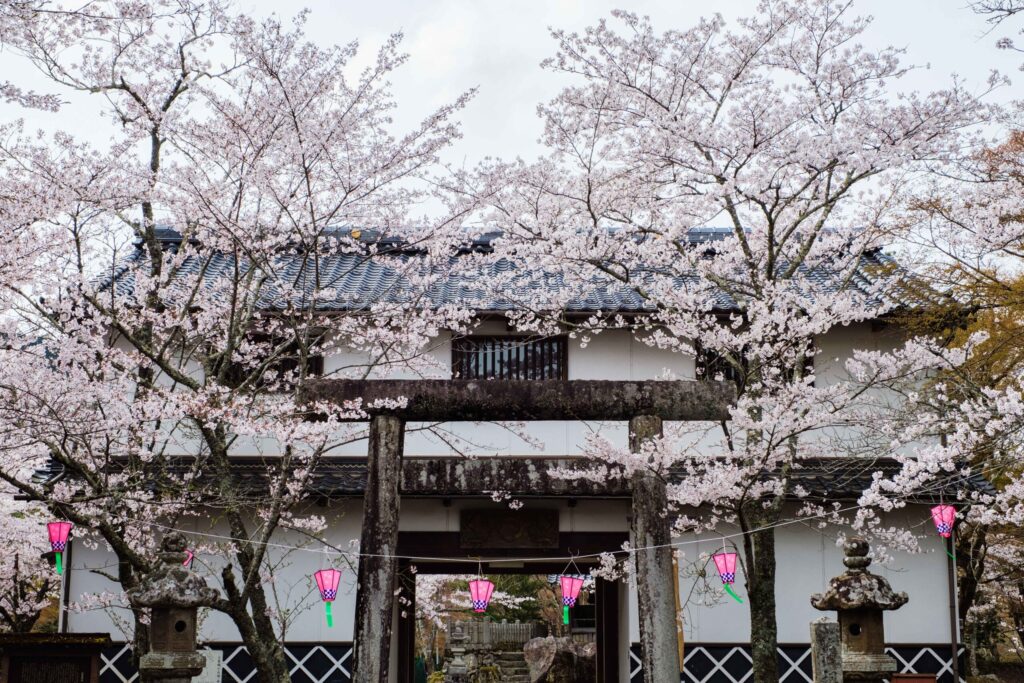
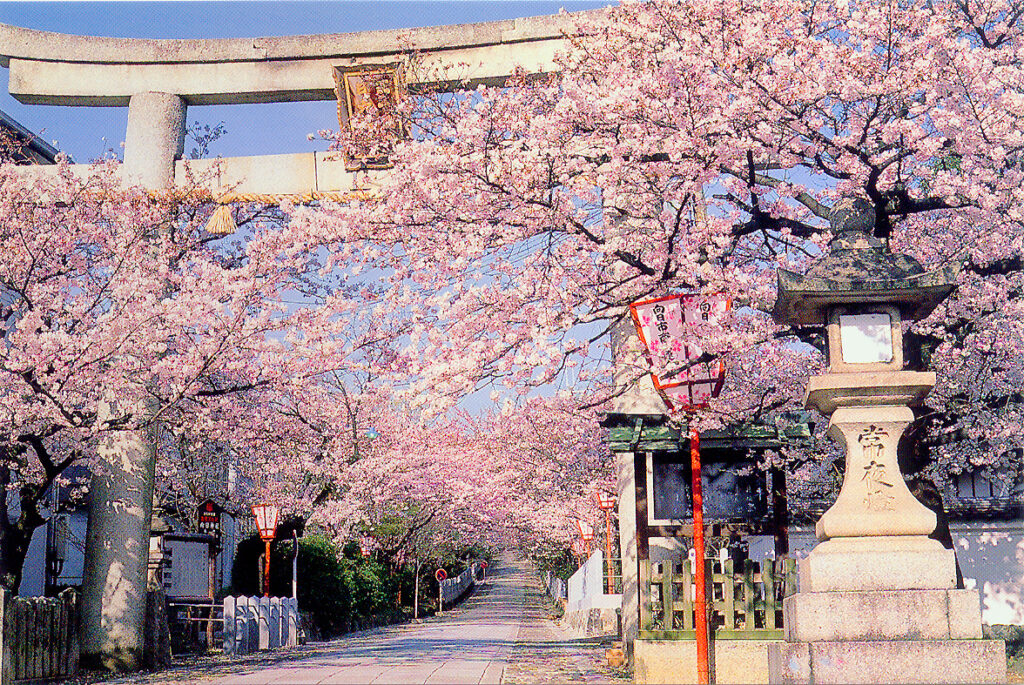
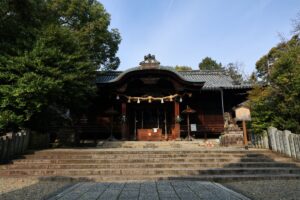
A storied shrine, Muko-jinja is a beloved cherry blossom viewing spot for locals in the Otokuni area. In spring, cherry trees bloom along the approach to the shrine, painting a very Japanese cherry scene in which vibrant blossoms complement the dignified, historic shrine buildings. After paying your respects at the shrine, take a leisurely stroll and immerse yourself in the tranquil scenery of the ancient trees and cherry blossoms. It’s the kind of beauty of the season you’ll only be able to savor slowly on the outskirts of Kyoto.
Mukojinja Shrine
Located in Muko City in the Otokuni Bamboo Grove area of Kyoto Prefecture, Muko shrine is an ancient shrine founded in 718 and is said to be a shrine for good harvest, academic achievement, and traffi …
Experience Momijigari Like a Local: Enjoy an Autumn Stroll Through the Mountains
As with the cherry blossoms, in Japan, momijigari (autumn leaf viewing/leaf peeping) is more than simply admiring the scenery: it’s also a little journey to experience the arrival of autumn with all the senses. The Japanese word momijigari literally means “to go in search of autumn leaves,” and for centuries people have ventured into forests, temples, and mountain valleys to appreciate the changing seasons. Again, rather than rushing from spot to spot to take photos, enjoying a slow walk or hike or visiting an old temple will give you a deeper experience of autumn’s uniquely quiet atmosphere.
The areas surrounding Kyoto—with their abundant hiking trails, historic temples, and expansive natural landscapes—are perfect for this kind of unhurried foliage viewing. As you stroll along woodland paths, admire the beautiful layers of crimson maple leaves and golden ginkgo trees, and pause occasionally to feel the autumn breeze rustling through the treetops, you’ll discover another captivating side of Kyoto, different from its cherry blossom season. Now, let’s explore some of the most spectacular seasonal foliage spots near Kyoto.
The Best Autumn Leaf Spots on the Outskirts of Kyoto
Kyoto by the Sea & Woodland Kyoto: Autumn Maples Encircled by Mountains at Nariai-ji Temple
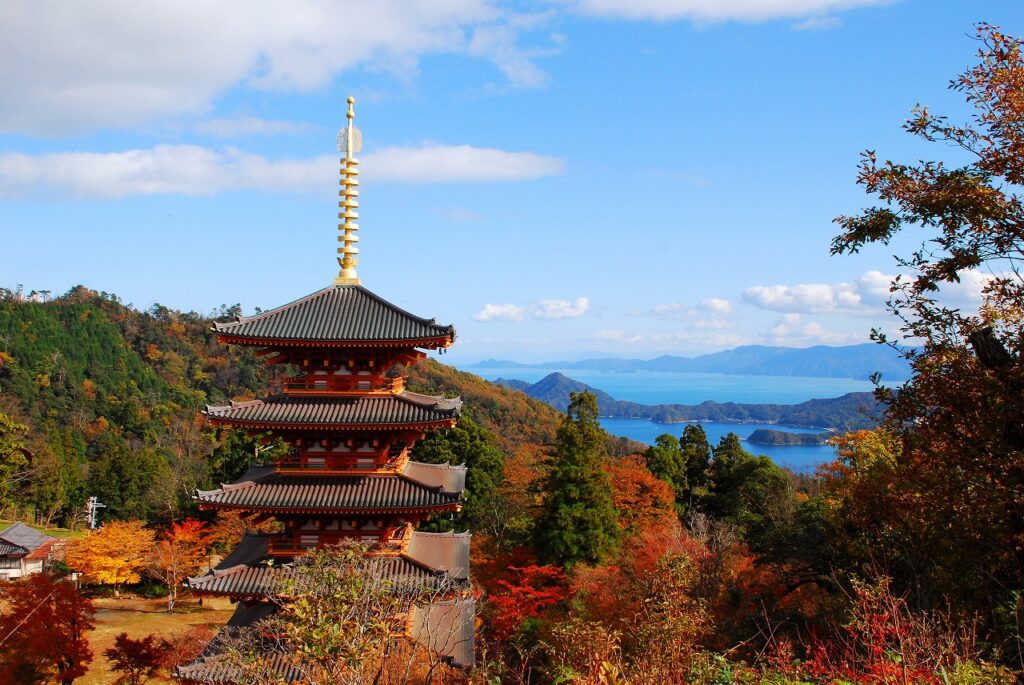
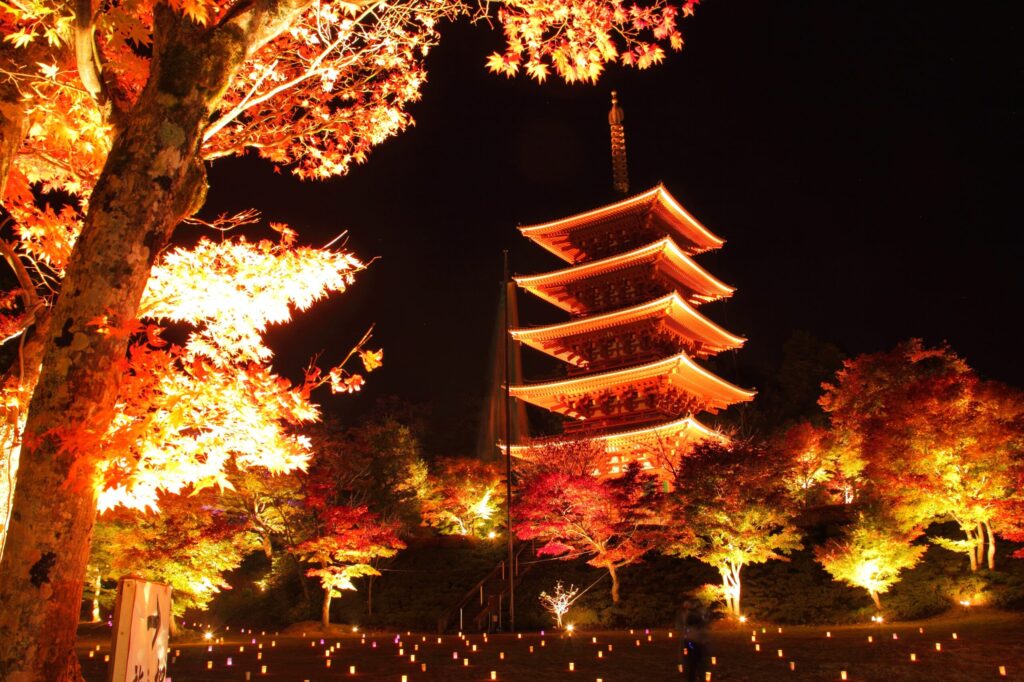
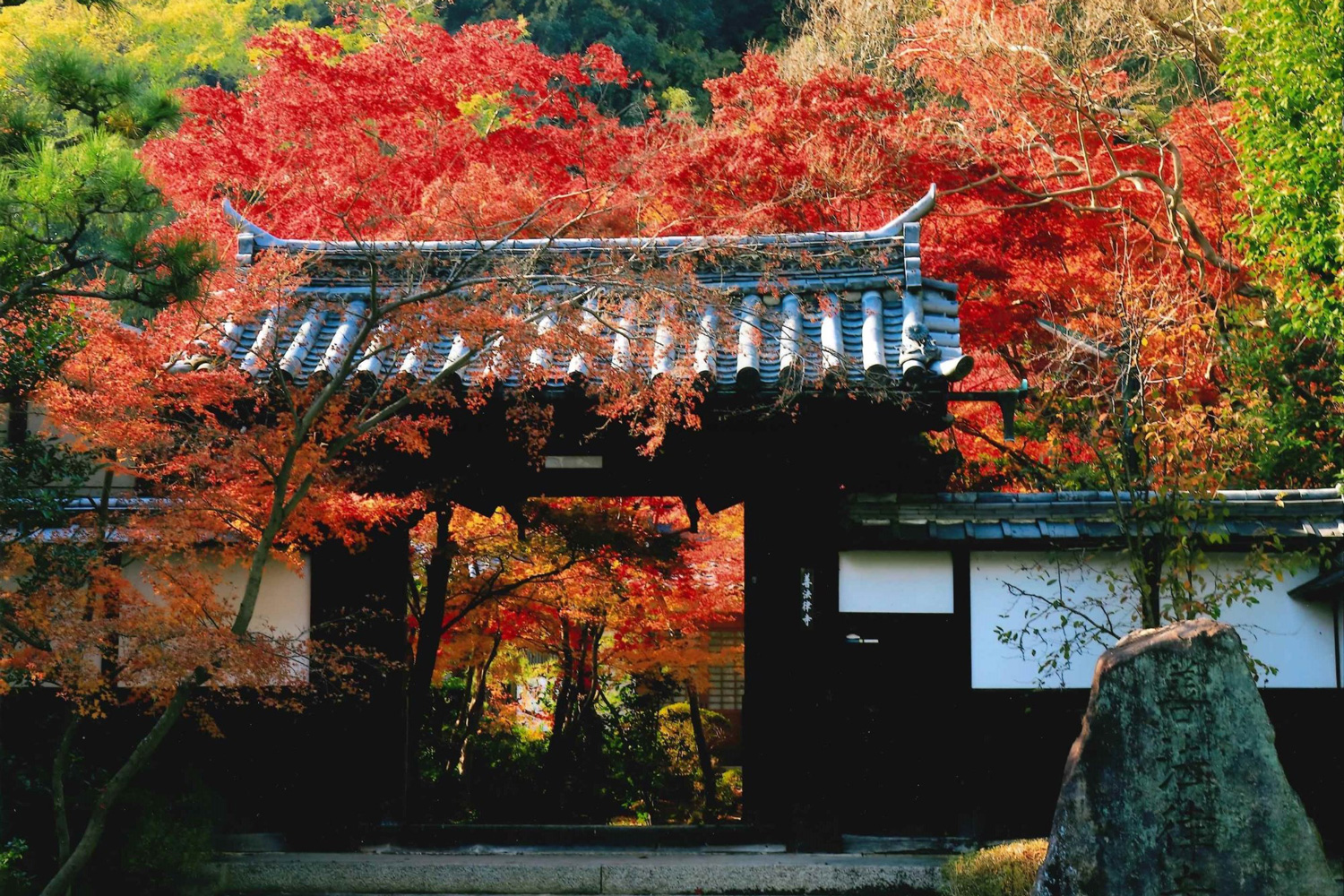
If you’re visiting Amanohashidate during the autumn foliage season, Nariai-ji Temple, located near Kasamatsu Park, is a must-see. In autumn, the temple’s historic buildings and the surrounding mountains are dyed in shades of red and gold, creating a striking contrast. As you walk along the temple approach and take in the gorgeous fall colors, you’ll even catch a sweeping view of Amanohashidate’s peaks rising from the sea. It’s one of the best places to experience Japan’s leaf-viewing culture.
Nariai-ji Temple
Nariai-ji Temple is located on a mountainside overlooking Amanohashidate” which is considered one of the three most scenic spots in Japan. There is an endless line of visitors to the temple, as it is …
Woodland Kyoto: A Tranquil Autumn at an Ancient Temple at Ayabe Ankoku-ji Temple
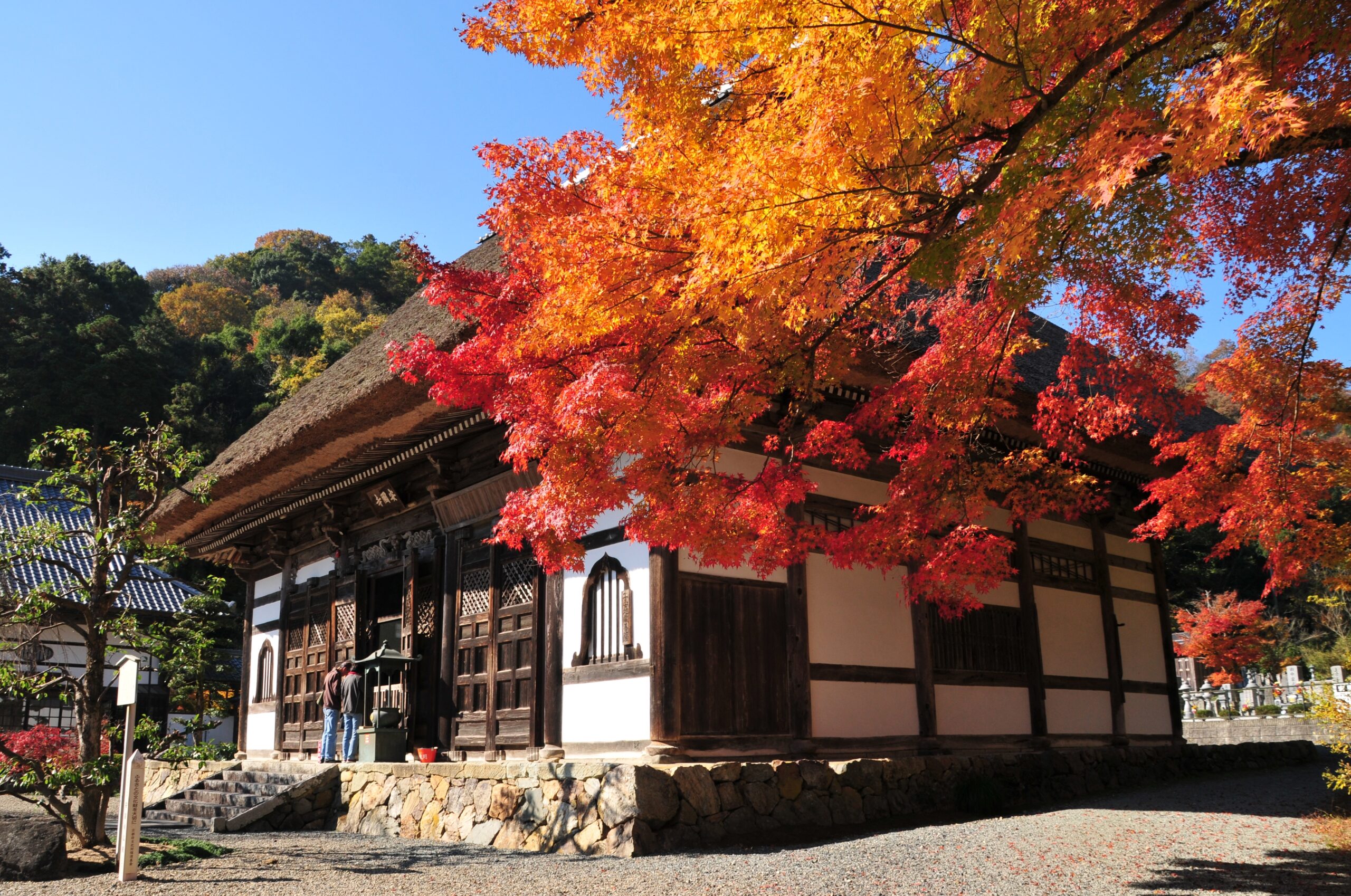
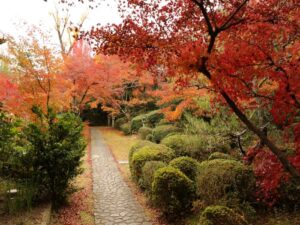
Ayabe Ankoku-ji is a temple renowned for its stunning autumn foliage. In the fall, its historic buildings and gardens are enveloped in vibrant red maple leaves, creating a serene, Zen-like atmosphere. As the maple leaves drift slowly down in the autumn breeze, you’ll find a different pace out here in Kyoto’s other regions, where you naturally slow your steps to appreciate the changing seasons.
Ankoku-ji Temple
Ankoku-ji Temple was founded in the mid-14th century by order of Ashikaga Takauji, the founder and first shogun of the Muromachi shogunate. Thought to be born in the area, Ashikaga Takauji’s grave is …
Kyoto Tea Country: A Kyoto Autumn at Zenporitsu-ji Temple, the “Maple Tree Temple”
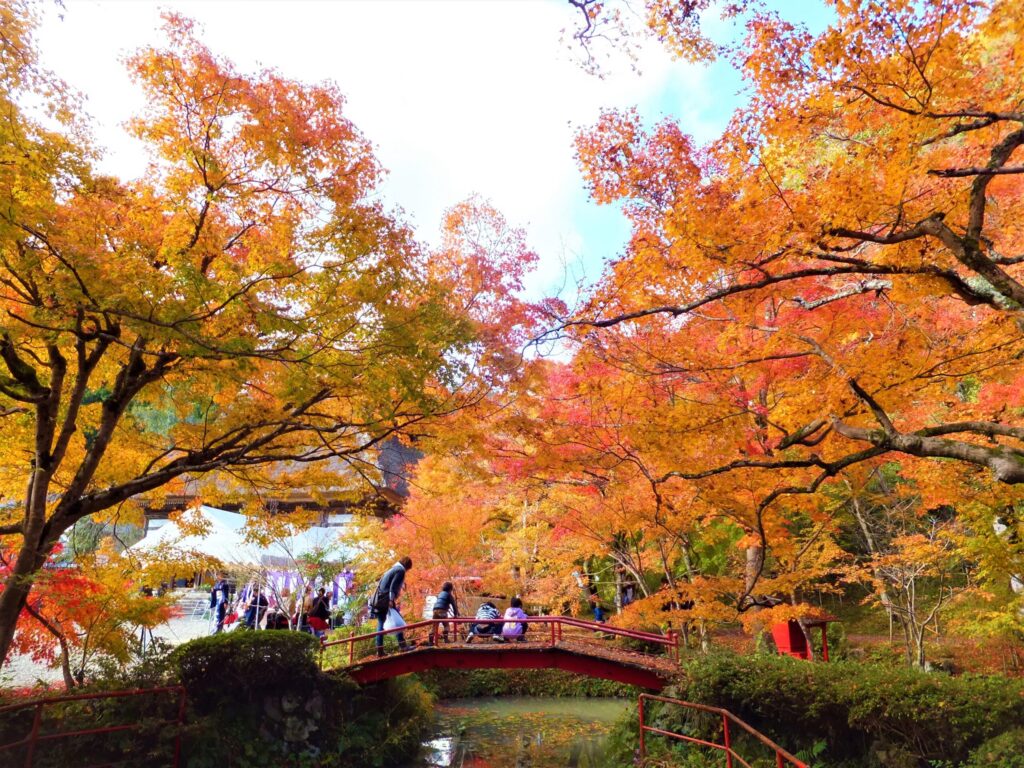
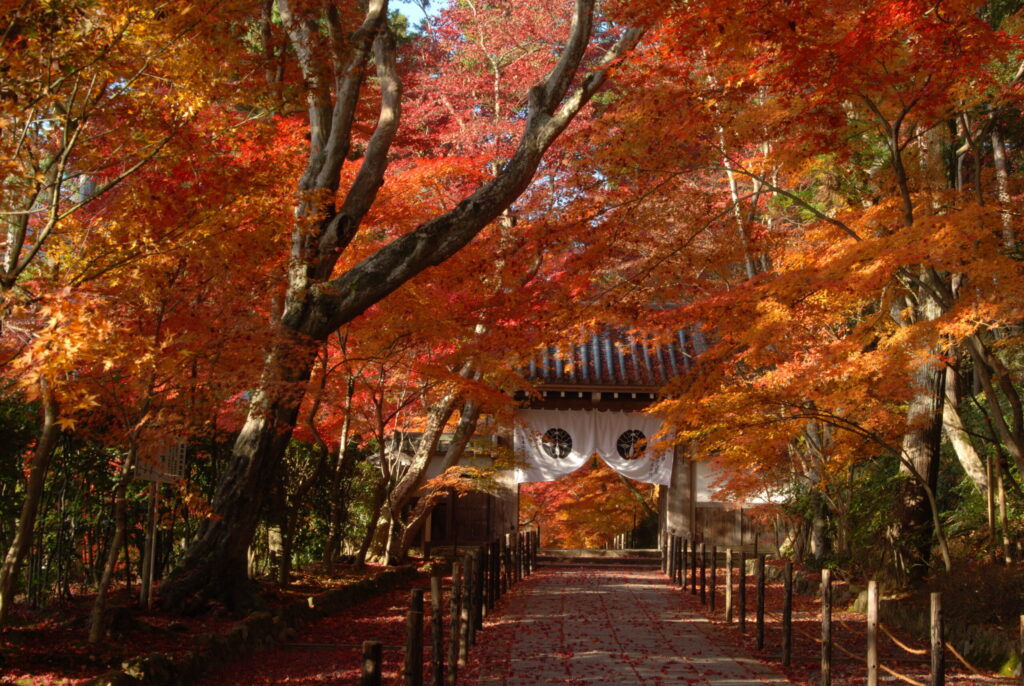
Zenporitsu-ji Temple is located in Yawata City, and known to locals as “the Maple Tree Temple.” Each autumn, the leaves on the maple trees on the temple grounds turn color at once, weaving their bright shades with the old temple architecture to create the kind of scenery that’s quintessentially Kyoto. Unlike the crowded sightseeing spots in the city center, Zenporitsu-ji Temple is quiet and tranquil, perfect for a walk through the gardens to really enjoy the rich, graduated hues of the autumn season.
Zenporitsuji Temple (The Maple Tree Temple)
Zenporitsuji Temple, located in the southeast of Iwashimizu Hachimangu, was founded in the mid-thirteenth century, as Zenpoji Kyusei, the top administrative official of Iwashimizu Hachimangu at that t …
Kyoto Otokuni Bamboo Grove: Walk the Maple-Lined Approach at Komyo-ji Temple
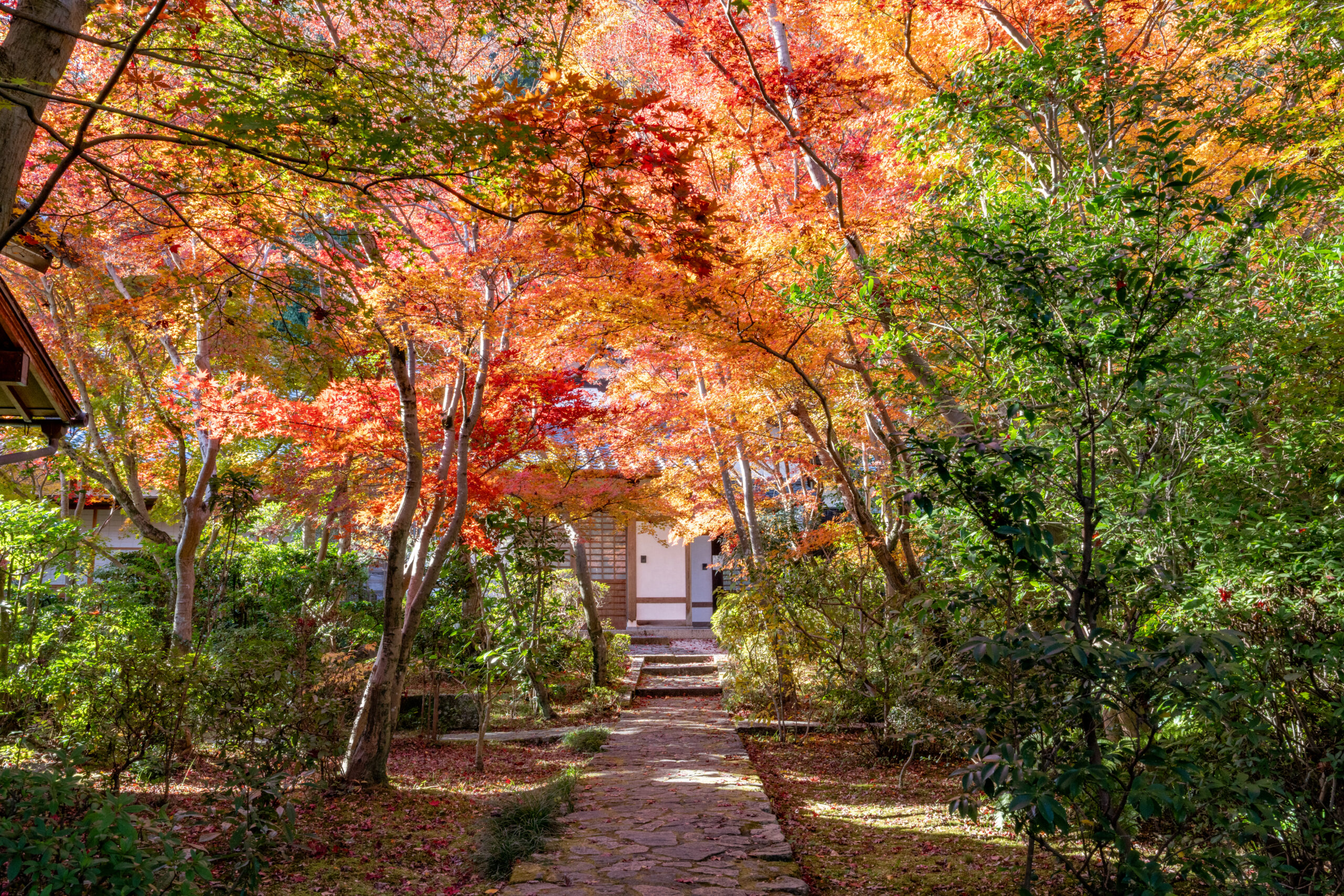
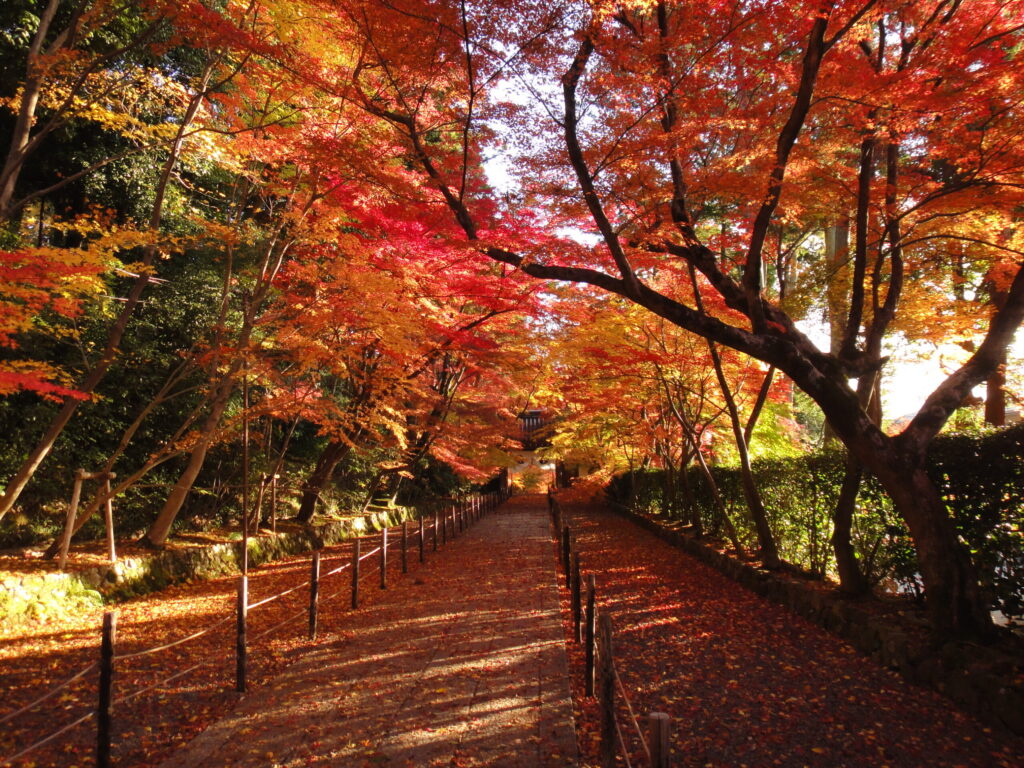
Ask anyone where to see autumn leaves in the Otokuni Bamboo Grove area, and Komyo-ji Temple is sure to be top of mind. Its famous Maple Tree Approach is lined with a stunning tunnel of maple trees, under which the dappled light passing through the leaves creates vibrant patterns on the ground. With its historic temple buildings, stone steps, and brilliant maple leaves in perfect harmony, Komyo-ji Temple is the perfect place to fully immerse yourself in the beauty of a traditional Kyoto autumn.
Komyo-ji Temple
Komyo-ji Temple was first built in 1198 by the soldier Kumagai Naozane in an area favored by his master Honen. Today, it the head temple of the Seizan sect of Pure Land Buddhism. Visitors can tour the …
Etiquette & Tips for Cherry Blossom & Autumn Foliage Viewing
Whether you’re enjoying Kyoto’s cherry blossoms in spring or its autumn foliage, a little conscientiousness can help ensure that everyone can enjoy the beauty of the seasons. When you take photos, be sure to follow any site rules, don’t enter any restricted areas or venture onto private property, and never touch or break branches. It’s also considerate not to occupy popular photo spots for extended periods so that others can enjoy them as well.
If you have an ohanami picnic or go for a hike, be sure to take all of your trash home with you to help keep these natural areas clean. Whenever possible, use public transportation or explore on foot to minimize your impact on local communities. During peak seasons, some sightseeing areas may introduce traffic restrictions or require advance reservations, so you may want to check the latest information from official sources before your visit.
For Japanese people, going to see the cherry blossom or autumn leaves is more than just sightseeing. It’s an important cultural tradition that celebrates the changing seasons. By respecting local customs and the natural environment, you’ll not only help preserve these special places but also create lasting memories of Kyoto’s remarkable seasonal beauty for yourself.
Frequently Asked Questions About Kyoto’s Cherry Blossoms and Autumn Leaves
Q1: When are the best times to see cherry blossoms and autumn leaves in Kyoto?
Cherry blossoms in Kyoto are typically at their best from late March to early April. Colorful autumn foliage usually reaches its peak from mid-November to early December. However, these periods vary depending on the weather each year, so you’ll want to check the latest bloom and foliage forecasts in advance when planning your trip.
Q2: Can I visit cherry blossom/autumn leaf spots in the areas surrounding Kyoto by myself? Are they easy to access?
You can absolutely enjoy them on your own! The Kyoto by the Sea, Woodland Kyoto, Kyoto Tea Country, and Kyoto Otokuni Bamboo Grove areas are all accessible by public transportation, including by train and bus. Some locations are also fun to visit with a rental car. Compared with Kyoto City’s busiest sightseeing districts, these surrounding areas offer a more relaxed experience, where you can discover a different side of Kyoto’s seasonal beauty at your own pace.
Q3: Are there any important Japanese etiquette rules I should follow when going out to see cherry blossoms or autumn foliage?
Cherry blossoms and autumn leaves have long been cherished as an important part of Japan’s seasonal culture. During your visit, please respect site rules, do not damage any trees or plants, stay out of restricted areas and private property, and take all of your trash home with you. Whether you’re enjoying a picnic or a hike, being considerate of others helps preserve Kyoto’s beautiful natural landscapes for everyone.
No matter when you visit Kyoto, you’ll be greeted by some truly breathtaking scenery, whether it features the cherry blossoms or the colorful leaves of autumn. On your next trip, venture beyond the bustling city center and explore the surrounding regions of Kyoto by the Sea, Woodland Kyoto, Kyoto Tea Country, and the Kyoto Otokuni Bamboo Grove area. If you take wider Kyoto in at a slower pace, experiencing the everyday as the locals do, you might just discover the charms of “Another Kyoto,” little explored.