Uji City, located just south of Kyoto City, is renowned for its high quality Japanese tea, especially Uji matcha. It has maintained its reputation for centuries. It has not only cultivated tea but also fostered a culture of tea drinking, and developed various activities for visitors to experience and understand tea. Visit Uji and enjoy some of them to share in the joy of tea.
It’s only about a 20-minute train ride from Kyoto Station. Uji is home to two World Heritage sites, Byodoin Temple and Ujikami Shrine, along with many other examples of traditional architecture. Bridges across the Uji River offer a quintessential Japanese scene, and the surrounding mountains are beautiful, too. The atmosphere is similar to that of Kyoto City, but Uji is smaller and less crowded. All the following five activities can be experienced in the heart of Uji City, within a 15-minute walk from Keihan Uji Station (or JR Uji Station as well). Each of them will invite you to the profound world of Uji tea.
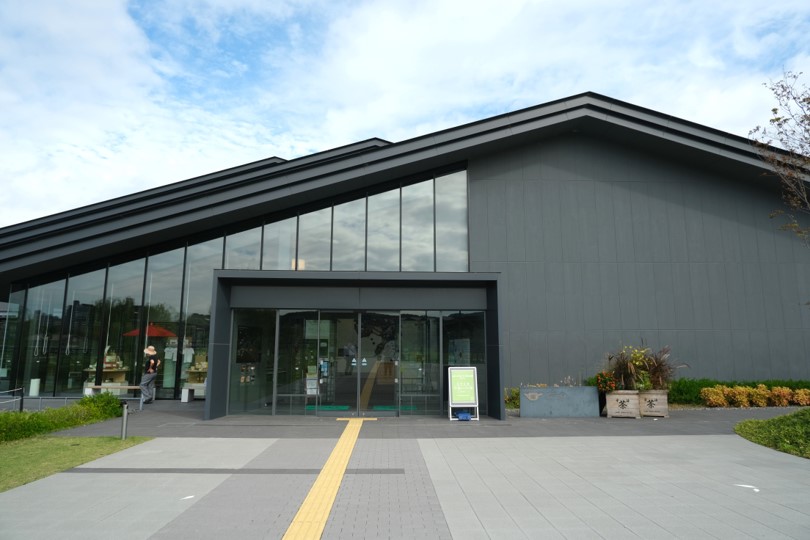
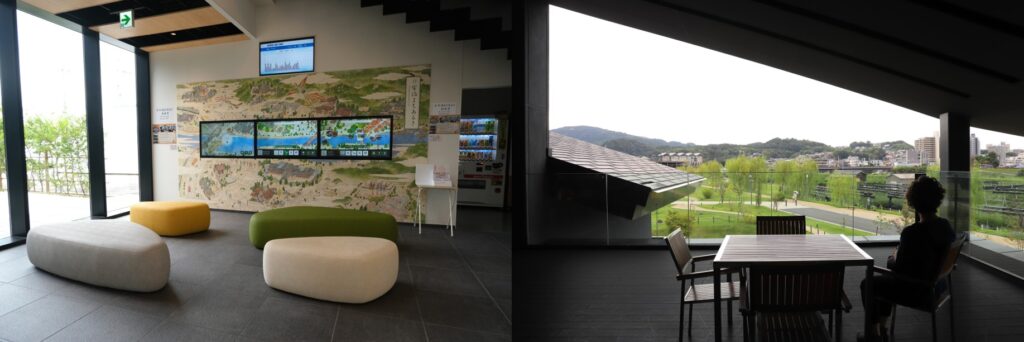
Chazuna is a fun place opened in 2021, where you can experience and learn about the tea, history, and culture of Uji. It’s where you should go first, find what you really want to do in Uji, and plan your day.
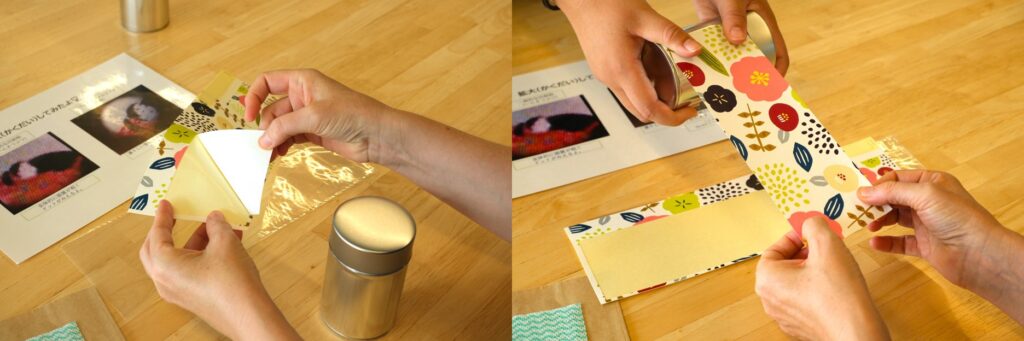
They offer various activities including tea leaf grinding and matcha green tea making. Among them, tea canister decorating is one of the unique experiences.
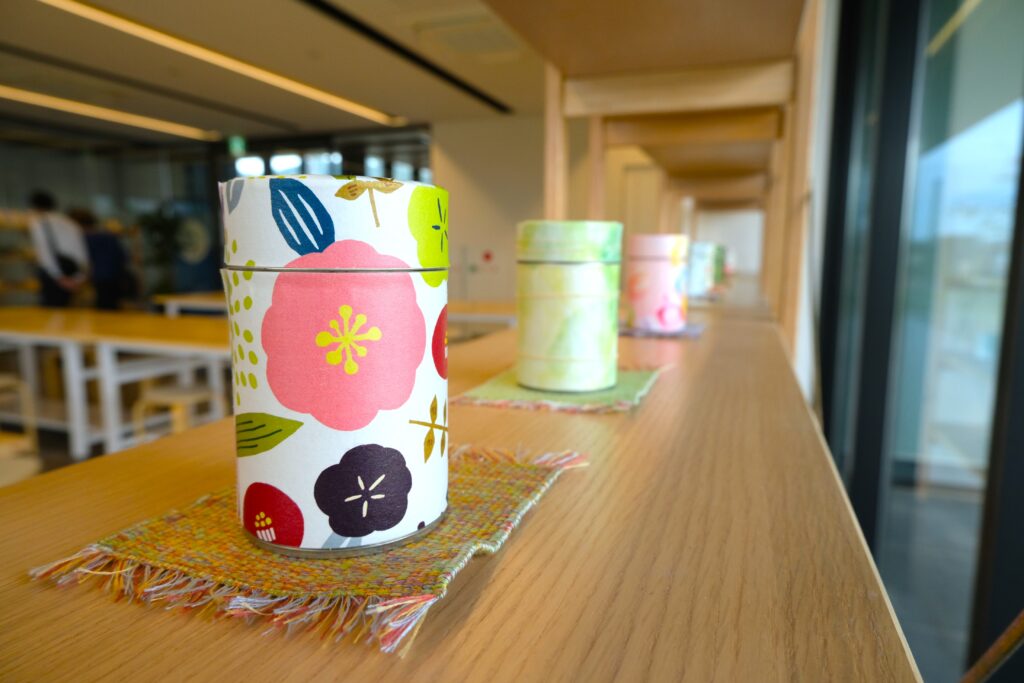
First, choose one from 30 designs of washi (high-quality traditional Japanese paper), ranging from classic to modern styles. The back of the washi paper is coated with adhesive, so all you have to do is stick it on. When applying it to the steel can, pull the paper as taut as possible to avoid air bubbles. It may seem easy at first glance, but it’s not as simple as it looks. Doing it with a partner while laughing makes it more enjoyable.
Such an airtight container is essential because moisture and light deteriorate the quality of green tea. It makes an excellent souvenir as it can also be used to store dried foods such as nuts or coffee beans, and small items like jewelry or buttons. It serves as a decoration when placed in a room as well.
Chazuna also has a digital map on touch screens that introduces the highlights of Uji. This information can be downloaded to your smartphone. There is also a restaurant and a gift shop. From the observation terrace on the second floor, you can enjoy a wonderful view of the town, Uji River, and Chazuna’s own tea plantation.
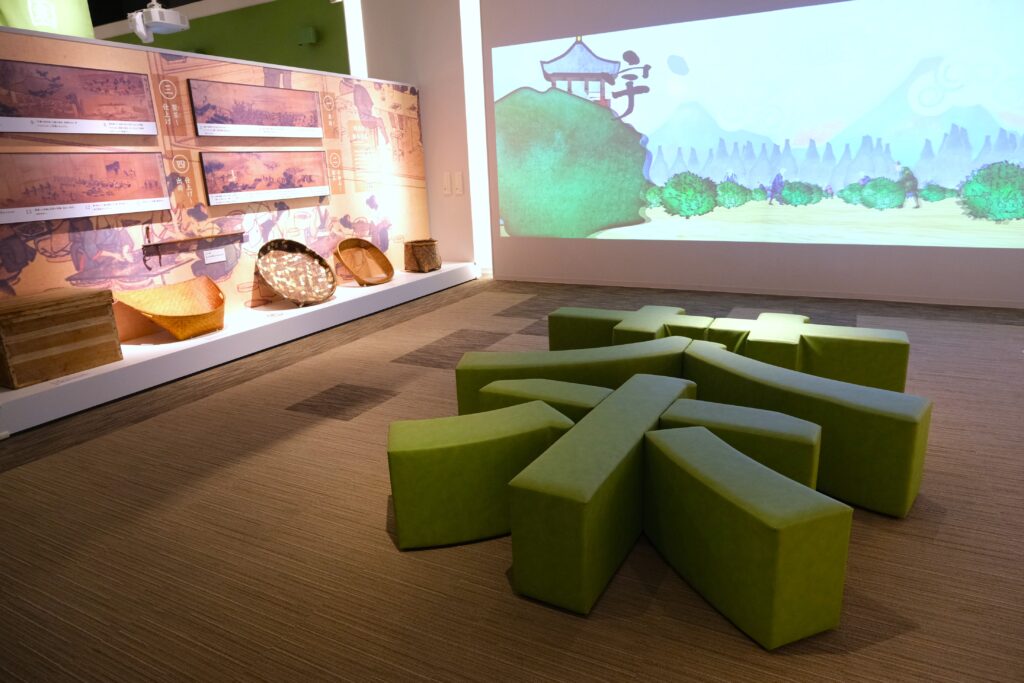
The museum in Chazuna is exciting, too. It introduces tea manufacturing processes, ingenuities and techniques in tea cultivation, the history of Uji, local sightseeing spots, and more. You can see traditional tea-making tools, and enjoy many exhibits with English explanations, including informative videos. A fun photo-taking corner will let you download the photos to your smartphone. This museum is worth a visit. (It requires an entrance fee.)
Open: Daily, 9:00am – 5:00pm (Museum’s last admission: 4:30pm)
Address: 203-1 Todo Maruyama, Uji City, Kyoto
Access: 4 min. on foot from Keihan Uji Station, 12 min. on foot from JR Uji Station
Website (experience program page): https://uji-chazuna.kyoto/en/event/#experience
Historical Park of Tea and Uji Land (Chazuna)
If you want to learn about Uji tea and the history and culture of Uji, this is the perfect place to start.
With the rich history of Uji, the park is located among several historical sites, including …
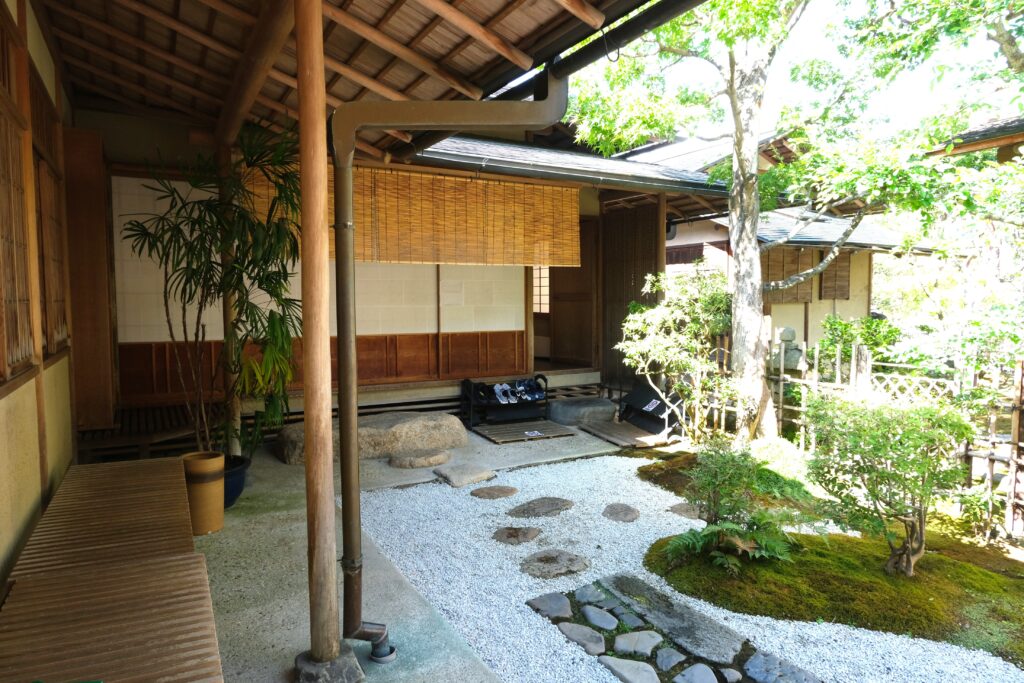
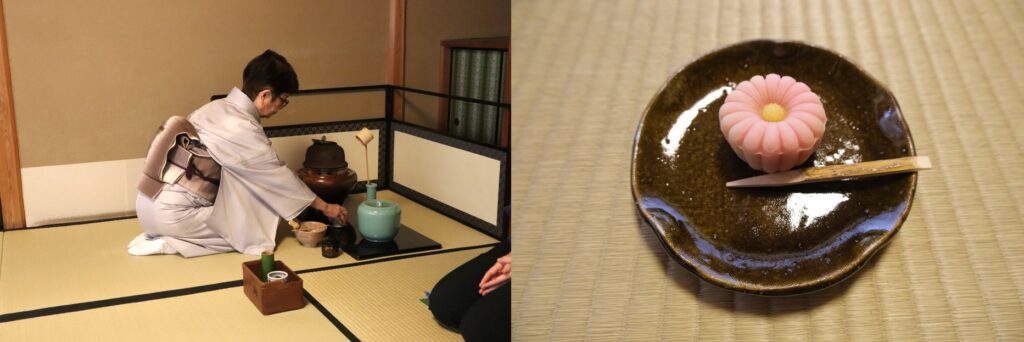
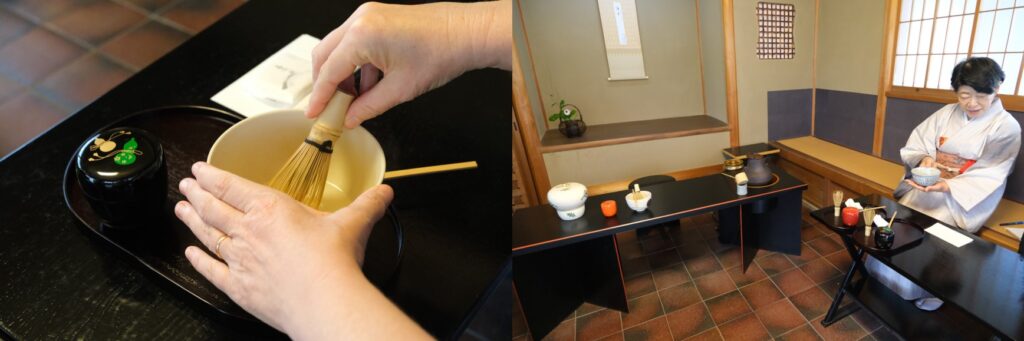
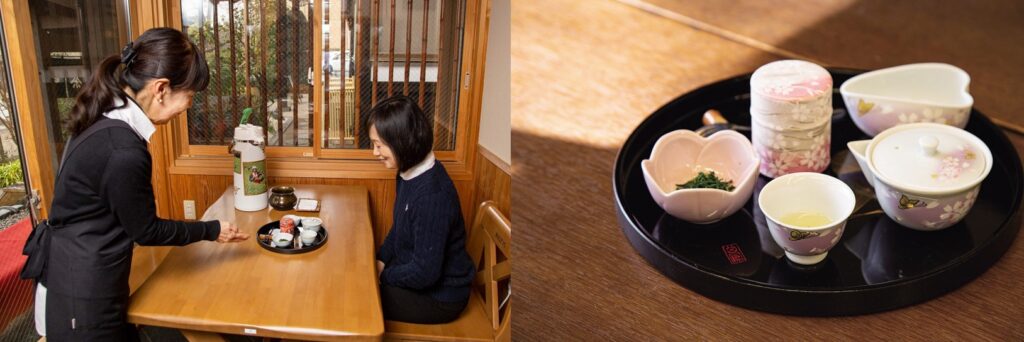
Uji City Municipal Tea Ceremony House, Taiho-an, has tranquil chashitsu (tea rooms), where you can experience traditional Japanese tea ceremonies in a relaxing atmosphere.
“Relaxing” is important especially for beginners, as each step of preparing tea is highly formalized, and the way you drink it has etiquette, which may make you nervous. Here, there’s nothing to worry about; the friendly staff will teach you the proper etiquette if you’d like.
When you have matcha, turn the tea bowl a couple of times before drinking. This is to avoid putting your mouth to the front of the bowl, where the design is often painted. After finishing your matcha, wipe the rim of the bowl with your fingers, and turn it back to its original position.
More than just drinking, tea ceremonies are rich experiences. Learning about some elements in the room, such as the kakejiku (hanging scroll), traditional flower arrangement, your bowl and sweet, offers a glimpse into the Japanese spirit: appreciation for the changing seasons and the heart of hospitality. These are the essence of Japanese tea ceremonies.
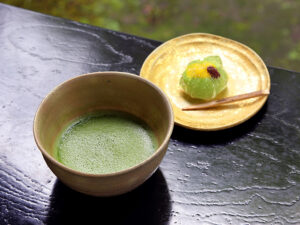
At Taiho-an, you can typically enjoy the tea ceremony experience with matcha and a traditional Japanese sweet, and on several days each month, sencha (green tea that you brew, not whisk to prepare), not matcha, is offered. The sencha tea ceremony has a different appeal than matcha, and it is also interesting.
While you can simply enjoy tea and sweets, consider making a reservation for one of the tea ceremonies for a richer cultural experience. Watch the elegance of movements refined centuries ago, understand their purpose, and explore the world of tea more deeply.
Furthermore, what you learn from the tea ceremonies extends beyond the tea room. For example, slightly opening your elbows when holding a tea bowl can change your posture, demeanor, and confidence.
Open: 10:00am – 4:00pm
Closed: Decemebr 21 – January 9
Address: 1-5 Togawa, Uji, Uji City, Kyoto
Access: 10 min. on foot from Keihan Uji Station, 15 min. on foot from JR Uji Station
Website: https://www.kyoto-uji-kankou.or.jp/taihoan-en.html
Learn the Etiquette of Japanese Tea Ceremonies (at Taiho-an)
At Uji City Municipal Tea Ceremony House, Taiho-an, you can experience authentic Uji tea accompanied by a seasonal Japanese sweet. If you don’t know anything about Japanese tea ceremonies, there’s no …
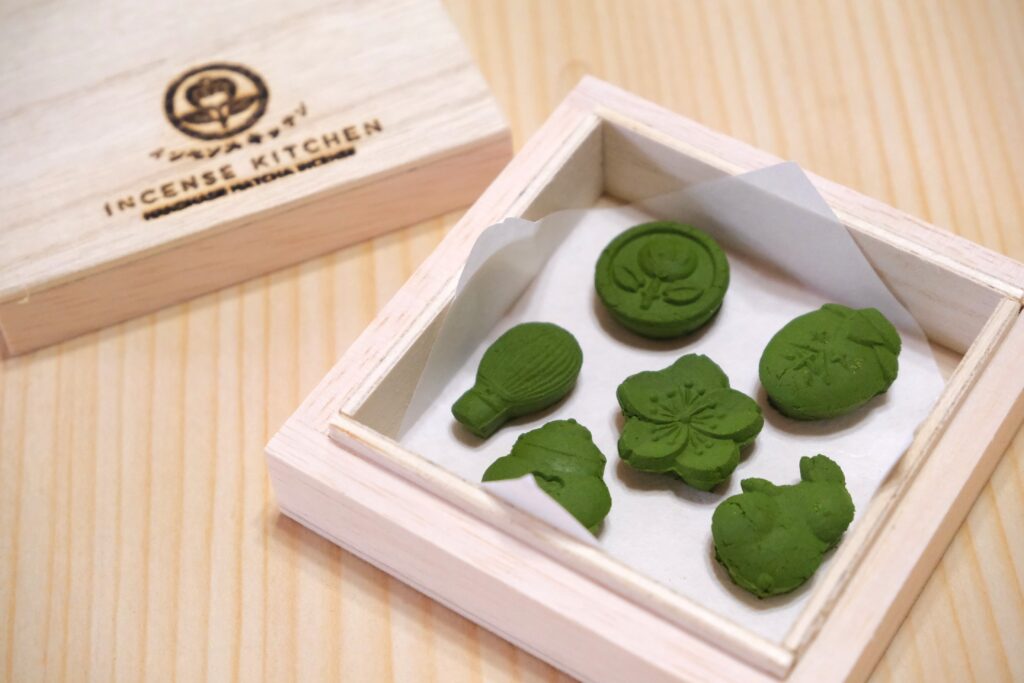
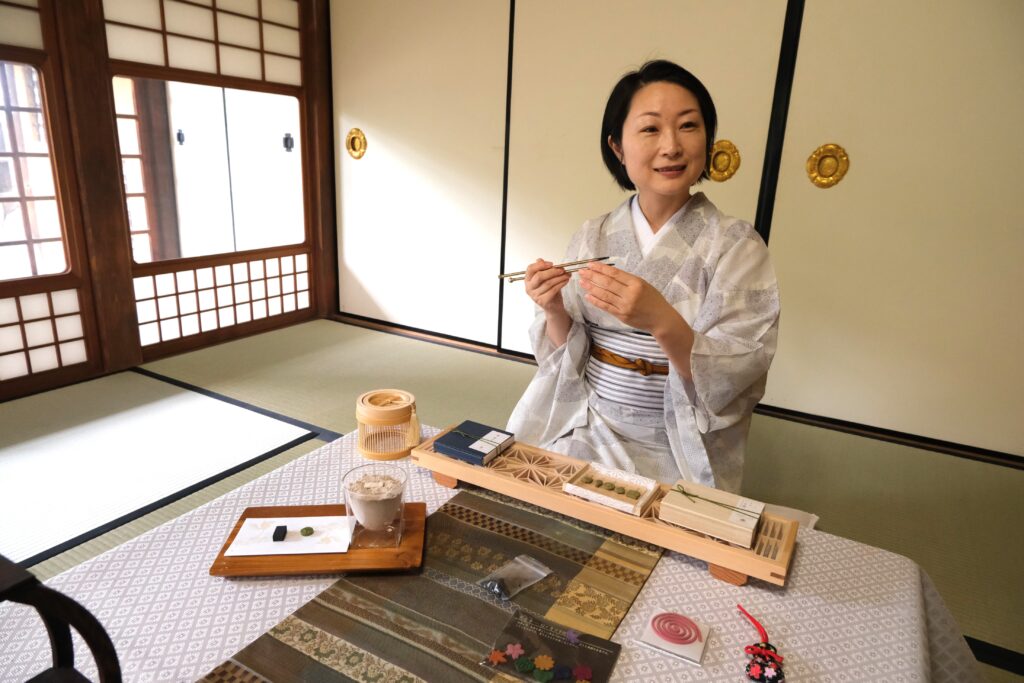
In a quiet room of Eshin-in Temple, Kyoko Goto offers a unique and exquisite experience. She has studied traditional kodo (the art of appreciating Japanese incense), and developed her own method for crafting matcha incense. She offers workshops where you can learn to make your own matcha incense. (Reservations required. For English support, please apply at least one week in advance.)
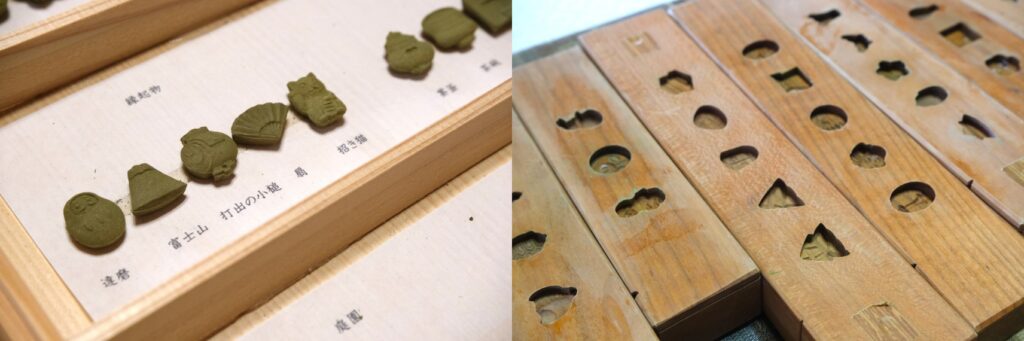
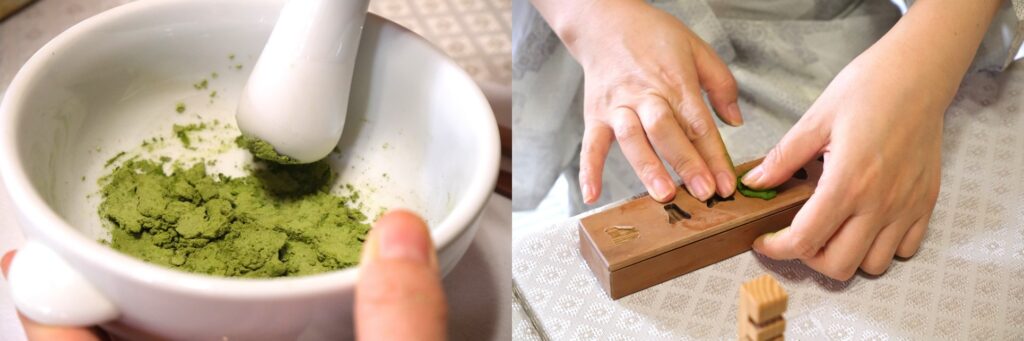
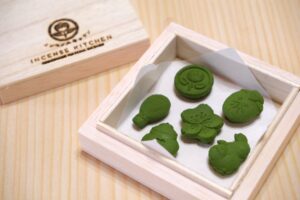
With natural ingredients traditionally used in temple incense sticks, you can create refreshing green incense in charming designs, such as symbols of Uji, Kyoto, and Japan. For example, a rabbit, a cherry blossom, and a bowl of tea. The wooden molds are specially crafted, based on traditional Japanese sweet molds. Both incense scented only with matcha, and an opportunity to craft incense using such a wooden mold, are very rare.
The incense is not lit directly; instead, it is gently warmed using a tealight candle. It releases no smoke, only the relaxing aroma of the matcha. The delightful shape remains intact, so even after losing its fragrance, it can be used as a decorative item or an aroma stone.
The matcha is fresh, sourced directly from tea factories and farmers in Uji, under hygienic conditions. This includes matcha collected from the air circulation filters in the tea factories. The manufacturing process inevitably produces some high-quality matcha that is not sold for consumption. Currently, only this type of matcha is used here. You’ll put it in a mortar, and mix it with water and powdered Japanese bay tree bark. Using a pestle, blend the ingredients together, knead it thoroughly, and then firmly press it into a mold. This process is very tactile, and Kyoko is certain that even children, who are not very interested in temples and shrines, can enjoy it very much.
Eshin-in Temple is located in the sightseeing area of Uji, yet you can enjoy the tranquil and beautiful atmosphere, with peaceful views of the lush green garden and shoji screens (traditional sliding doors/partitions). The temple is also known as “The Flower Temple,” and you can enjoy a variety of flowers depending on the season.
The incense-making experience includes a stylish incense warmer designed by Kyoko. It is pocketable when folded, perfect for travelers. Also, there are options of a matcha-green-tea-whisking experience and a lunch using Uji tea at a traditional Japanese restaurant. Low chair seating is available, too.
Opening days and hours: Check the website
Address: 67 Ujiyamada, Uji City, Kyoto (Eshin-in Temple)
Access: 10 min. on foot from Keihan Uji Station, 15 min. on foot from JR Uji Station
Website: https://incensekitchen.com
Incense Kitchen
Incense Kitchen offers a great experience of making incense with the aroma of matcha green tea. (Reservations are required. For English support, please apply at least one week in advance.) Why not try …
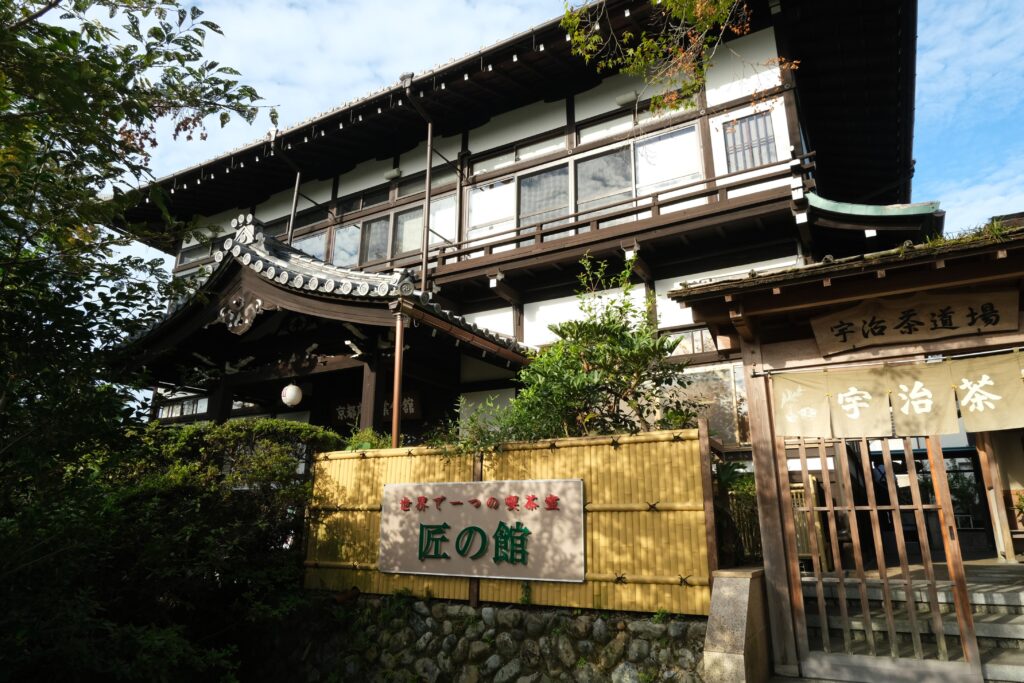
Uji Tea Ceremony Hall “House of Takumi” – Taste Various Uji Tea
In the history of Japanese tea, some key production methods were developed in the Kyoto Tea Country region. Shading tea plants from sunlight produces tea with a strong umami (delicious savory taste). The technique of kneading steamed tea leaves on a hoiro (a heater to dry things such as tea and food in processing) laid the foundation for the processing method of sencha (a type of Japanese green tea, which is the most commonly drunk in Japan). These methods can be combined to produce, for example, gyokuro (a type of high-quality Japanese green tea). Uji matcha is made using the shading method for about two or three weeks, and the tea leaves are dried without kneading (in this condition, the tea is called tencha), and ground into fine powder (this is matcha).
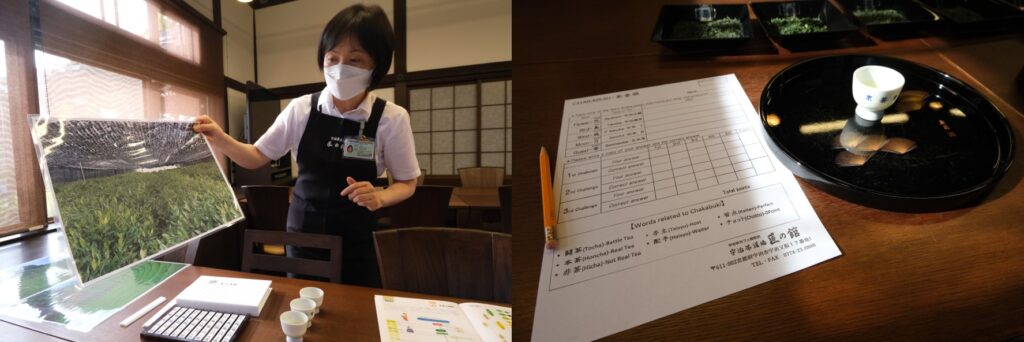
At “House of Takumi,” you can enjoy the sencha, gyokuro and matcha. Nihoncha (Japanese Tea) Instructors will teach you how to prepare your tea.
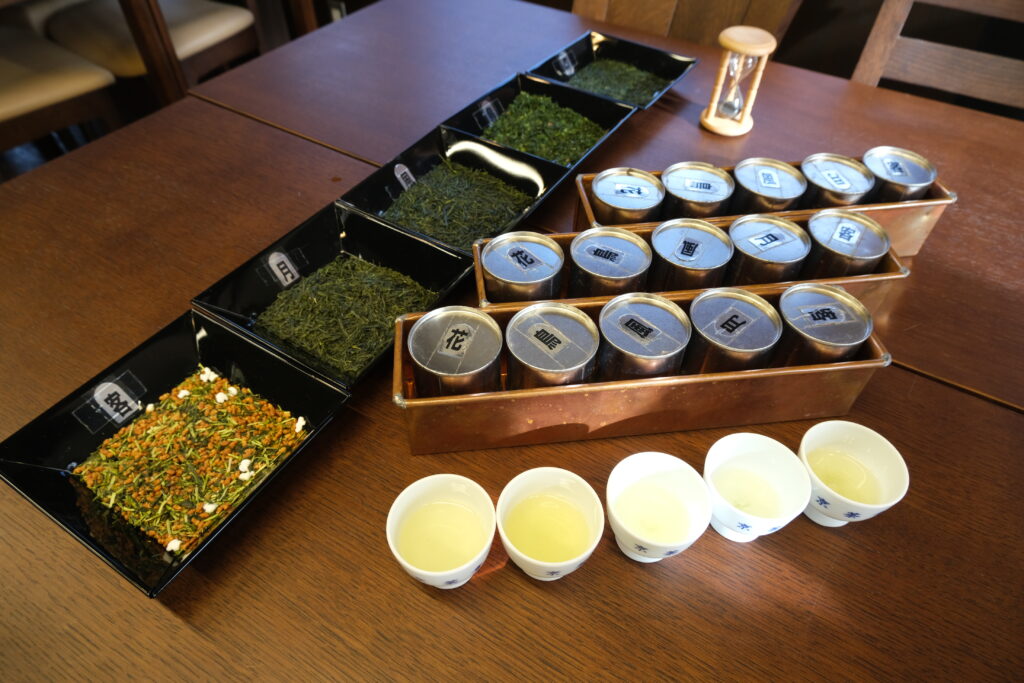
Moreover, you can enjoy chakabuki, a tea tasting and guessing game. You have three sessions to identify five different teas. It is especially recommended for those who like wine tasting, as well as those who are interested in the types of tea. You can deepen your knowledge of the wonderful aroma and taste of Uji tea.
During the initial tasting, a Nihoncha Instructor will help you recognize the differences of the teas by explaining each distinct characteristic. Typically, these varieties are gyokuro, tencha, two different grades of sencha, and an easier-to-recognize type, hojicha (roasted tea) or genmaicha (tea brewed with roasted brown rice). Not only the tastes, but also the aromas and colors of the teas are important clues. See if you can guess.
The chakabuki requires an advanced reservation. A group of 5 or more people is preferred, but please inquire for other options.
Open: 11:00am – 5:00pm (last order: 4:30pm)
Closed: Wednesdays, December 29 – January 4, August 14-16
Address: 17-1 Uji Matafuri, Uji City, Kyoto
Access: 5 min. on foot from Keihan Uji Station, 14 min. on foot from JR Uji Station
Website: https://www.ujicha.or.jp/
Tea Brewing Experience (Takumi no Yakata)
Learn how to brew and savor delicious Uji tea while sharing information about the history, production process, and benefits of the three famous types of Japanese tea: gyokuro, matcha, and sencha.
Uji …
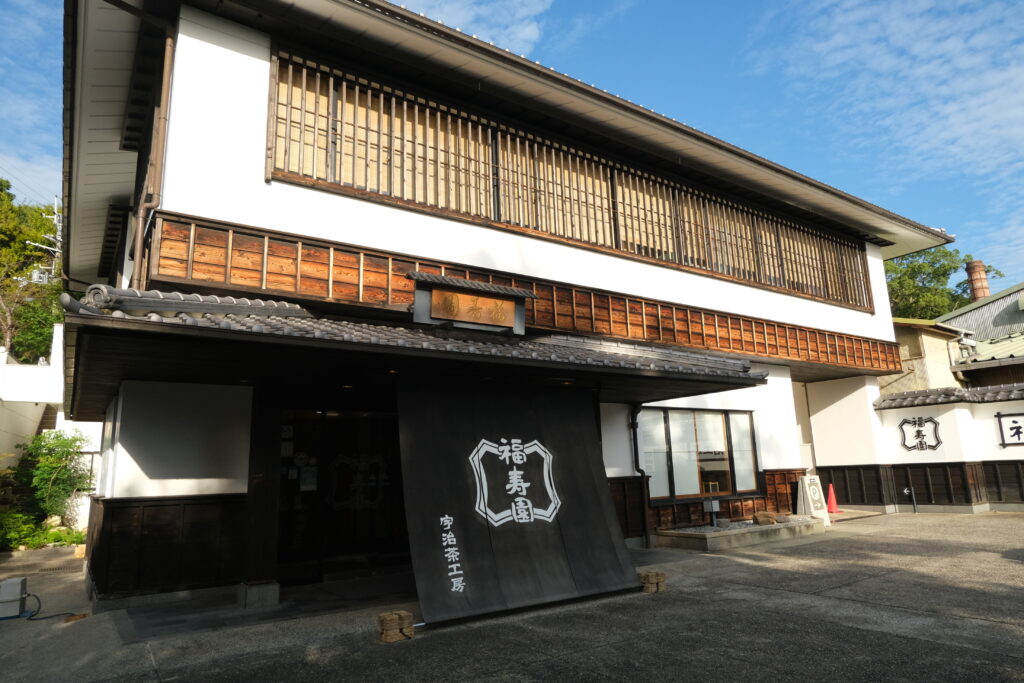
Ujicha Kobo of Fukujuen Uji Kobo – Roast Your Own Hojicha Tea
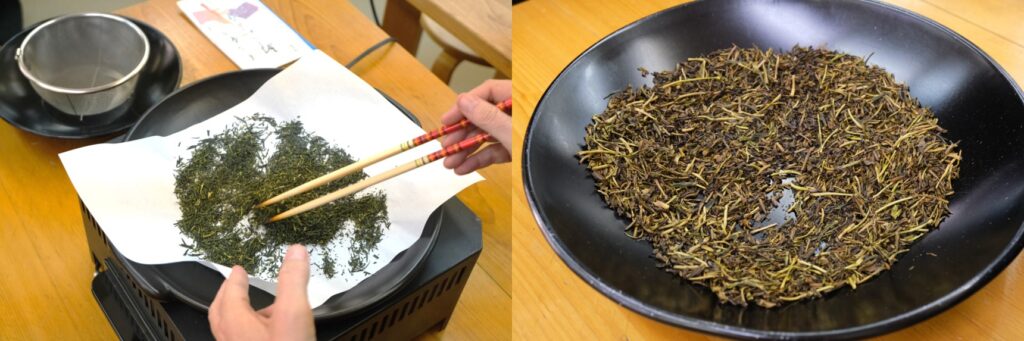
Green tea, made without a fermenting process, looks green both as leaves and liquid. When roasted, the tea leaves turn brown with a fragrant aroma, becoming what is called hojicha. Interestingly, the roasting method creates a completely new flavor and aroma. You can experience this simple, yet transformative procedure yourself at Ujicha Kobo of Fukujuen Uji Kobo.
The process begins with sencha. At this workshop, Fukujuen, a renowned tea producer, uses higher-quality sencha leaves than those typically used for hojicha, so you can get premium hojicha.
Separate the tea leaves into two batches, spread one on baking paper on an electric griddle, and with cooking chopsticks, stir them until browned, avoiding any scorching. As the color changes, a rich roasted scent begins to emerge. Repeat the process. Also, you can make an aroma sachet using the fine tea leaves produced during the process.
Once you learn how to make hojicha, you can easily do it at home. This technique can also be used to refresh old tea leaves or to fill your home with a pleasant aroma before guests arrive.
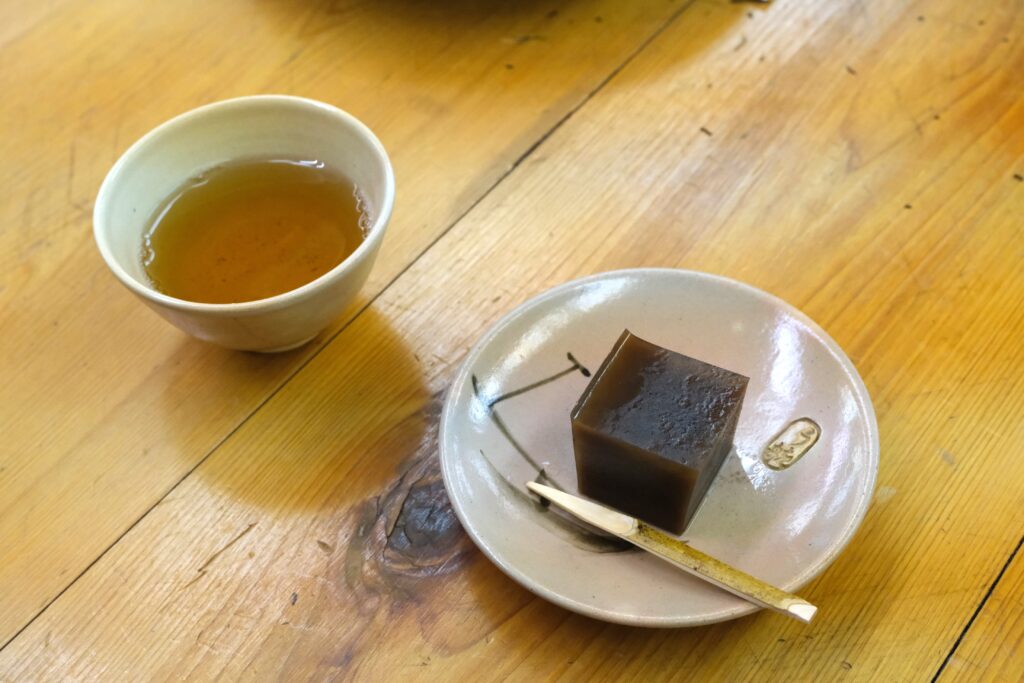
The workshop ends with a tasting of your own hojicha along with instruction on how to brew it. You can savor it with a Japanese sweet.
Hojicha is less astringent than unroasted green tea. Enjoy its mild flavor and soothing aroma.
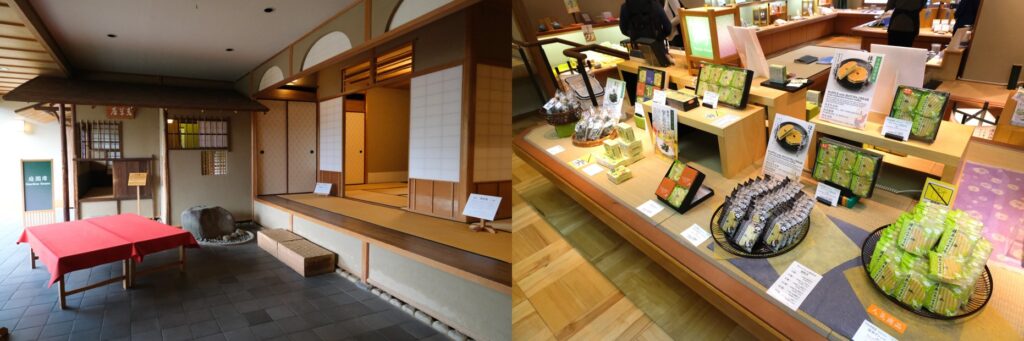
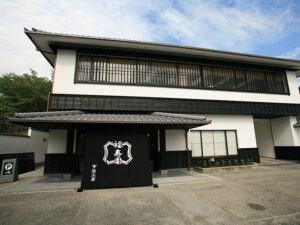
Fukujuen offers a range of tea experiences, including grinding tea leaves with a traditional stone mill to make matcha, and learning the proper etiquette for matcha or sencha tea ceremonies. At the small, free museum and tea garden, you can visually experience the beauty of the culture of Uji tea, and learn the tea-producing process. The cafeteria serves both sweet and savory dishes, with many of them incorporating tea, like tea-flavored noodles. At the gift shop, you can find various teas, sweets made with tea, tea utensils, high-quality, local Asahiyaki pottery, and more.
Open: Available daily (except when the facility is closed); priority given to reservations; 10:00am – 3:00pm (last admission); about 30 minutes
Address: 10 Uji Yamada, Uji City, Kyoto
Access: 8 min. on foot from Keihan Uji Station, 15 min. on foot from JR Uji Station
Website: https://www.ujikoubou.com/en/
Matcha Making with a Stone Mill (Ujicha Kobo of Fukujuen Uji Kobo)
Discover the art of matcha green tea. Try your hand at rotating a stone mill, grinding tea leaves called tencha into fine matcha powder that is used in tea ceremonies. Then, whisk your own matcha and …