Inspiration

Experience Another Kyoto Like Never Before At Osaka’s 2025 World Expo

2025.12.24

Kyoto by the Sea Woodland Kyoto Kyoto Tea Country Kyoto Otokuni Bamboo Grove

Did you get a chance to experience Kyoto at the 2025 Expo in Osaka? The Kansai Pavilion’s Kyoto zone offered a fresh glimpse into Kyoto through 6 themes.

Visitors learned about industries born from the region’s blend of traditional techniques and innovative ideas, and discovered the culture that local communities have fostered across generations.

In addition, by discovering the wisdom of local residents’ daily lives and uncovering hidden gems, many found inspiration for their next visit.

The Guiding Philosophy: “Ichiza Konryu”

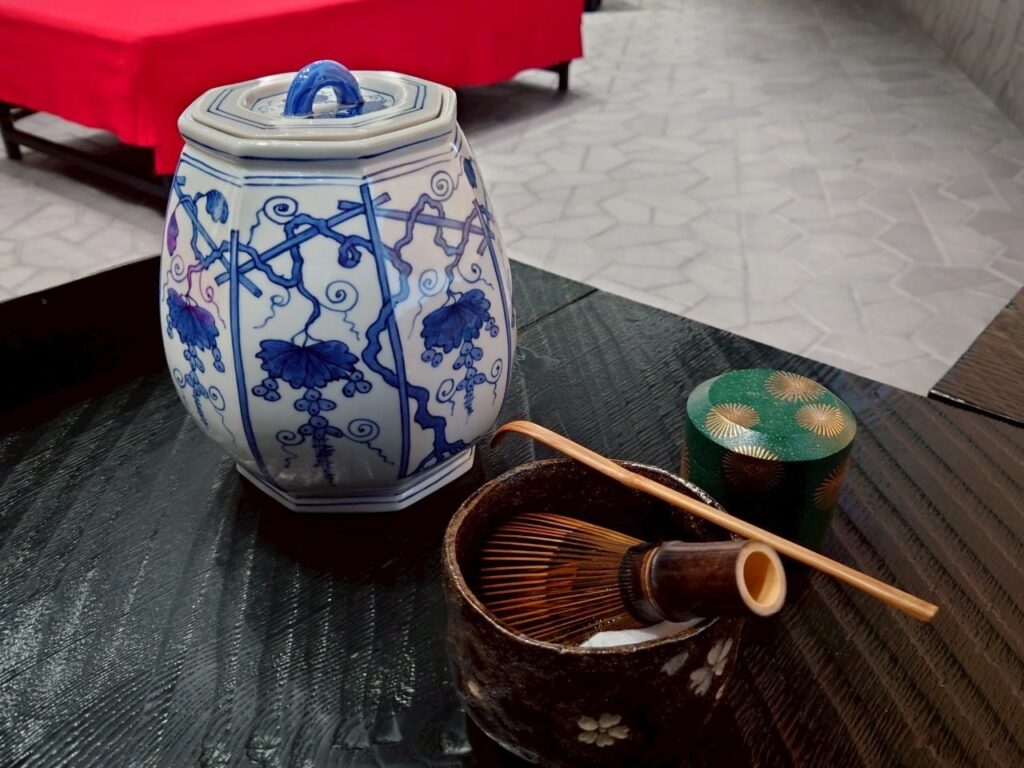
A traditional Japanese tea ceremony set, including a blue and white ceramic jar, a matcha bowl with whisk, and a small green container.

The Kyoto zone at the Expo embodied the spirit of “Ichiza Konryu.”

The phrase Ichiza Konryu is a treasured principle in tea ceremony. It refers to that special, meaningful moment of connection between host and guest, founded on harmony, respect, and sincere exchange. This shared experience fostered a feeling of unity and understanding, creating a truly comfortable and integrated space.

This philosophy guided not just the exhibits, but also the live demonstrations, hands-on experiences, and interactive events, all designed to foster connections between exhibitors and visitors. Every experience in the Kyoto Zone aimed to be a precious shared moment, rooted in the spirit of “Ichiza Konryu.”

A Kaleidoscope of Kyoto: Exploring Diverse Fields

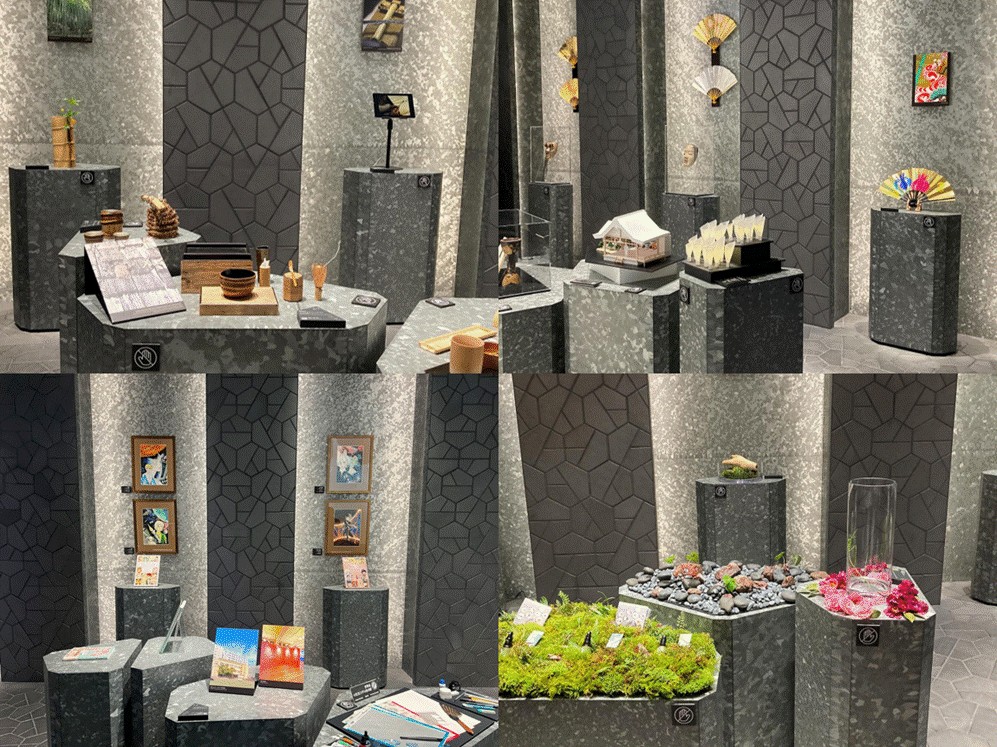
A collage shows various displays at the Expo 2025 Osaka, Kyoto zone venue, featuring traditional crafts, art, and miniature landscapes.

Throughout the Expo, visitors saw six different themes that showed many sides of Kyoto. Each theme invited guests to explore, touch, taste, and learn about Kyoto’s past, present, and future. These themes included: Culture, Food, Industry, Environment, Life, and Tourism, with exhibits changing roughly every week.

Here is a look back at what was featured:

Tourism: Moving beyond Kyoto’s city center, visitors discovered the captivating landscapes and vibrant communities of what is known as “Another Kyoto.” They found inspiration for their next trip as they experienced the region’s lush mountains, renowned tea-producing areas, and beautiful seaside towns.

This theme featured three immersive exhibits that showcased Kyoto’s diverse beauty:

Kyoto by the Sea: Showcased the charm of coastal fishing villages, sweeping seascapes, and traditional Tango-ori weaving.

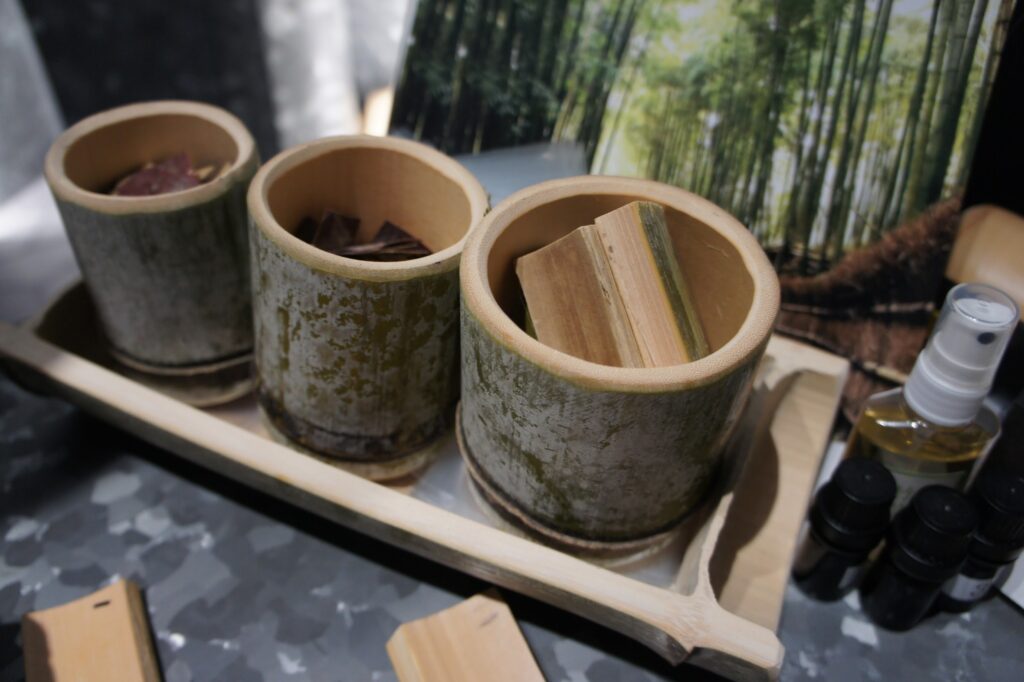
Woodland Kyoto & Otokuni Bamboo Grove: Allowed guests to wander through lush forests and rolling hills. Visitors tried forest bathing, took VR journeys, or strolled peaceful bamboo paths.

Kyoto Tea Country: Immersed visitors in tea culture. They savored local brews and discovered why this region is the heart of Japanese tea.

The other themes included:

Culture: Highlighted Kyoto’s performing arts, local festivals, and even manga culture. Guests enjoyed traditional hospitality like tea ceremonies and flower arranging, especially during the opening events.

Food: Visitors savored dashi (soup stock), the heart of Kyoto’s cuisine, alongside sake and teas from diverse regions. This exhibit explored the fusion of ancient wisdom and modern innovation, showcasing both time-honored techniques and surprising developments, like the application of these methods to emergency rations.

Industry: Showed how old crafts meet new technology. Guests discovered how local communities are developing sustainable manufacturing and startups.

Environment: Presented Kyoto’s unique approaches to meeting SDGs through engaging exhibits and experiences. Guests rediscovered the value of “furoshiki” and saw how sustainable products are created using previously neglected bamboo forests.

Life: Explored health, aging, life, death, and dementia through interactive exhibits designed to build empathy and understanding.

The Expo offered a fresh perspective on this iconic city, revealing the stunning natural beauty, rich cultural heritage, and the dynamic industries that support people’s daily lives.

By joining workshops, tasting local flavors, or chatting with creators, attendees uncovered stories and traditions found nowhere else.
The Space that Connects

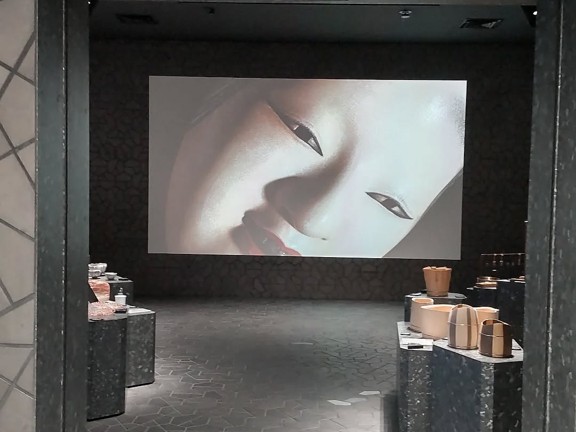
A projected image of a woman's face dominates a dark room with display pedestals featuring various ceramic and wooden items.

In the Kyoto Zone, Sandwich, led by the world-renowned sculptor Kohei Nawa, and Asada Kawara Co. created “Kimono Tiles” using Kyo-gawara, a beautiful material with a 1,400-year history. These tiles were laid out to resemble the overlapping folds of a kimono, with a whopping 12,000 of them, in all sorts of sizes, seamlessly covering the floors and walls.

Their soft, smoked silver color and subtle geometric pattern created a minimalist, peaceful space. This quiet backdrop helped visitors pause and really focus amidst all the hustle and bustle of the Expo.

This design also brought the exhibit’s soundscape to life. Guests enjoyed the layers of piano, natural sounds, and gentle electronic tones by composer Marihiko Hara.

Meanwhile, the main screen featured video art by Aozora Inc., led by Shinpei Yamada, a graduate of Kyoto University of the Arts. This art layered Kyoto’s rich blend of tradition and innovation right before your eyes. Viewers saw scenes of city life, nature, and tradition flow and overlap, reflecting the city’s rich history and its constant mix of old and new. It really let them feel the richness of Kyoto, where ancient and modern met in that very moment.

First Impressions of the Kyoto Zone

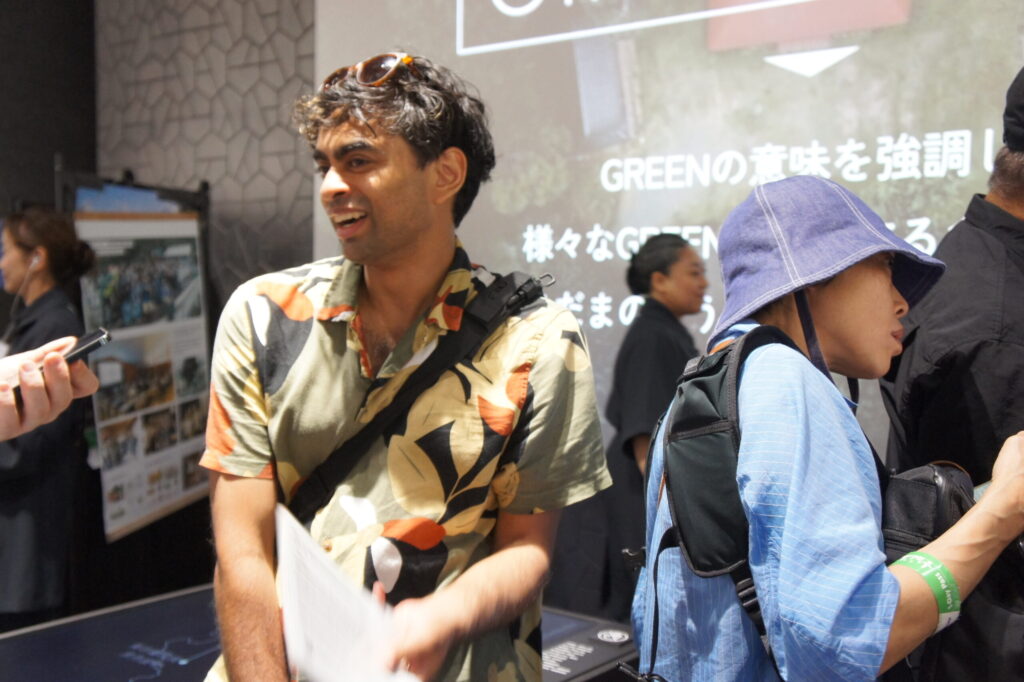
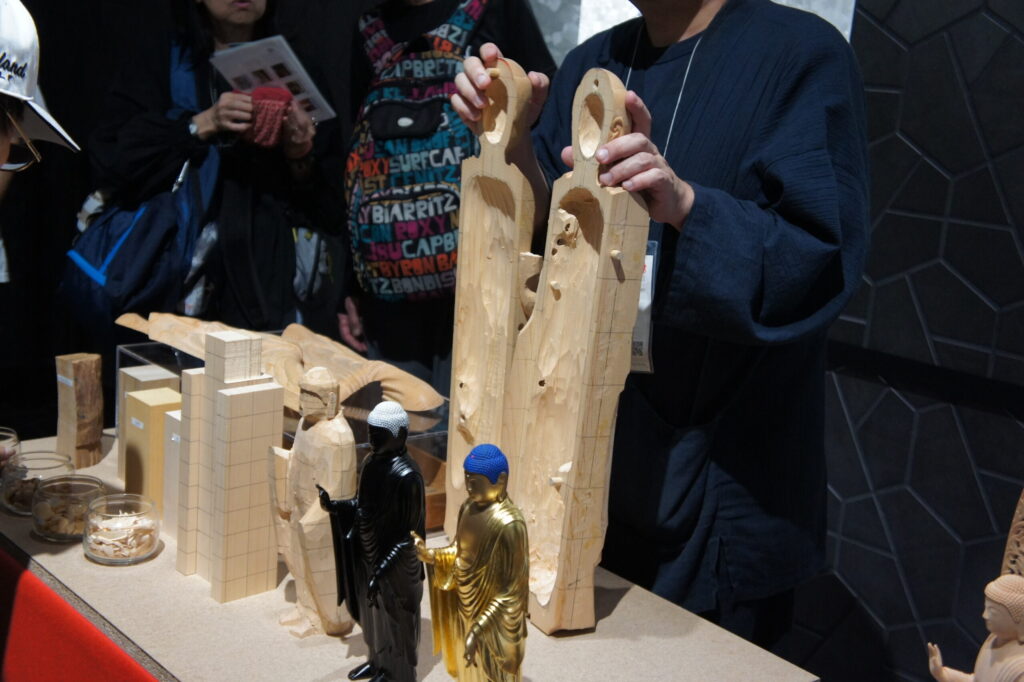
But an expo isn’t just about what you see, it’s also about the connections you make. So, what did people actually think? To understand the true impact of the event, we gathered insights from both visitors and staff. One visitor, particularly impressed, commented, “I’m really, really impressed by the whole setup.” Having previously explored Akita and Nagano and being familiar with Kyoto, he found a special connection with the intricately crafted wooden Buddha statues on display, meticulously studying each one.

After talking for a while, we discovered that he’s someone who enjoys a relaxed atmosphere and discovering hidden gems away from the tourist crowds. His previous adventures in Kyoto took him to the picturesque Kumano Kodo trail, Kifune-jinja Shrine, and Uji, the historic heart of Japanese green tea. While touring Uji’s quiet streets, he visited several traditional tea shops to pick up some authentic hojicha tea. This local charm has transformed Uji into a premier hub for travelers looking to dive deeper into Japanese tea culture through immersive tea experiences. He arrived with an open mind, eager to be surprised. His review of the Kyoto Zone? “Quite well put together and very nice.”

Finding Calm in Kyoto’s Forests

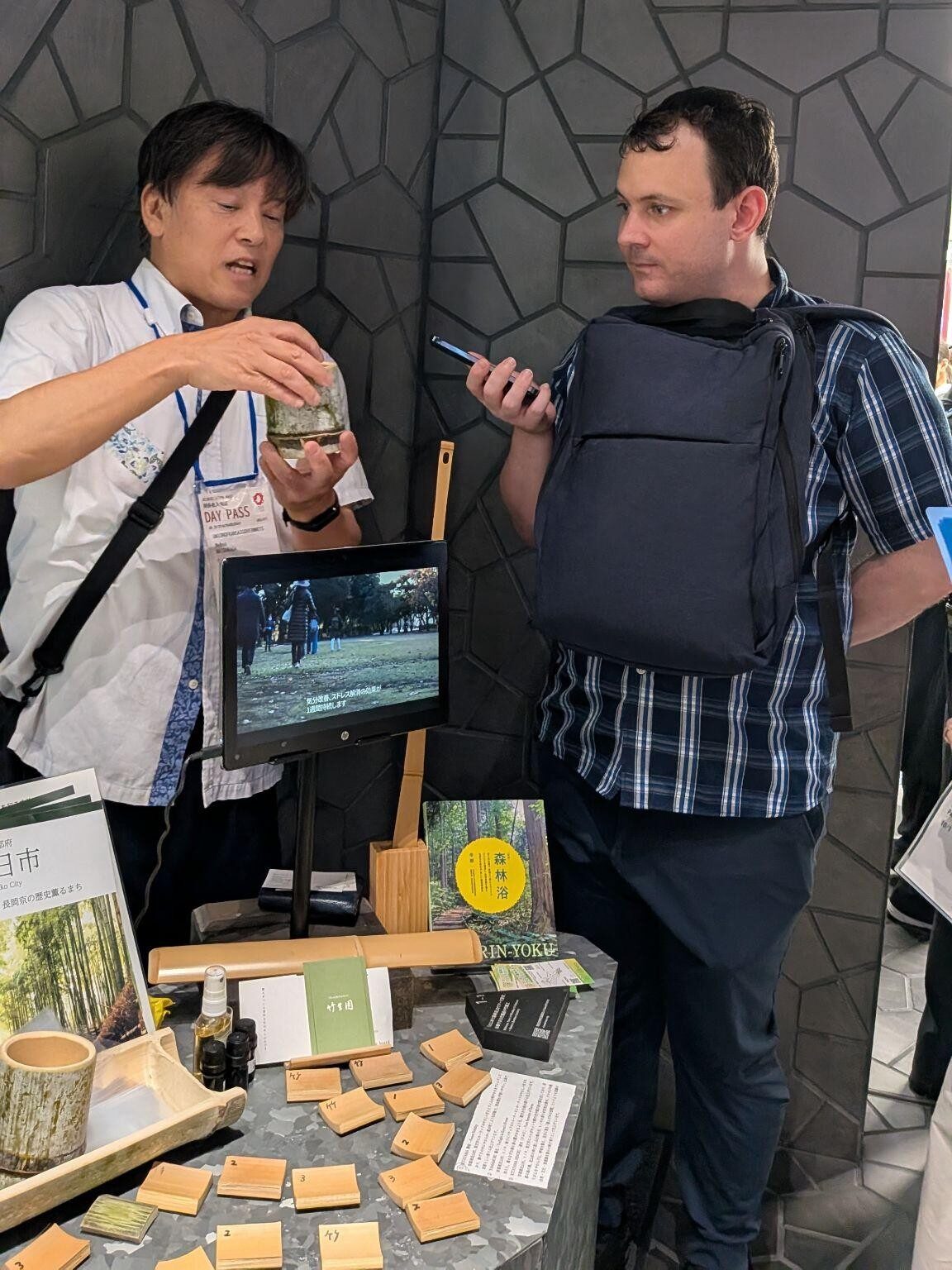
One exhibit’s story really stuck with us. Yucaco Kimura, Nobuo Matsunaga, and their team from itswellness run wellness tours focusing primarily on Shinrin-yoku (Forest Bathing), a practice that started in Japan. At their Expo booth, they offered a direct sensory experience, bringing in fresh leaves and wood from Kyoto’s forests (like Kitayama Cedar and Kuromoji) for visitors to smell.

People absolutely loved the 10-minute “Deep Breathing Experience” sessions. These mini-sessions gave them a taste of what their full wellness tours offer. Their full tours go much deeper—inviting participants to enjoy the scent of the trees, listen to the birds singing, and lie on the grass beneath the trees—all of which help them relax and reduce stress. They offer guided tours in English in Kyoto by the Sea, Woodland Kyoto, and Kyoto Tea Country. For example, in their Exploring the Stone Buddhas of Tono with Forest Bathing tour, you will walk the historic “Path of Prayer” connecting Gansenji and Joruriji temples, discovering medieval stone carvings hidden in the forest while enjoying a traditional lunch and tea break. You can find more info on their tours below:

https://en.itswellness.org/

Gansenji Temple

Gansenji Temple

Gansenji Temple is an ancient Buddhist temple in Kamo-cho, Kizugawa City, the southernmost part of Kyoto Prefecture. It’s located in the tea-producing region of Kyoto. The temple was founded in 729. T …

Joruriji Temple

Joruriji Temple

Joruriji Temple, located in the southern part of the Kyoto Tea Country region, is a temple of the Shingon Risshu sect of Buddhism. Though the early history of the temple is shrouded in mystery, histor …

A Historic Ride Down the Hozu-gawa River

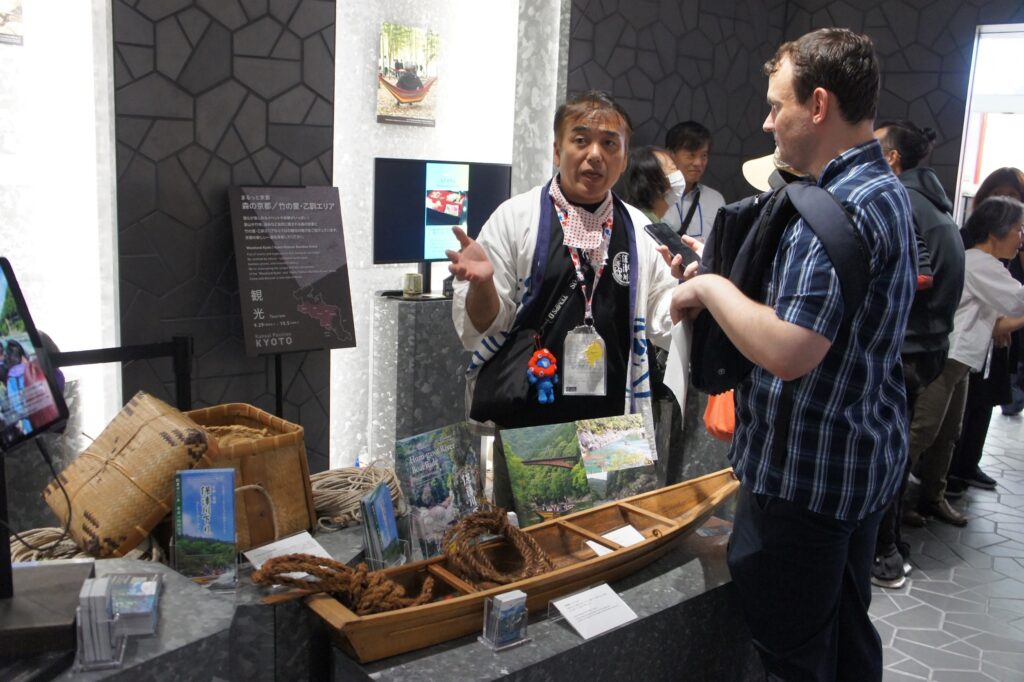
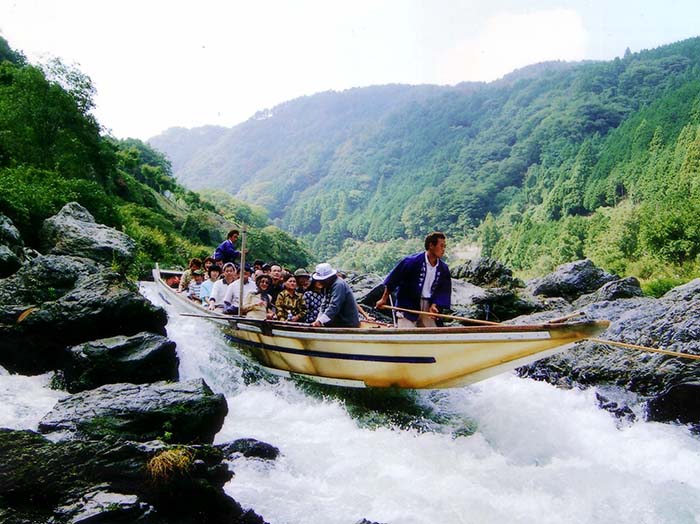
Then we spoke with Toyoda Satoshi, the Executive Manager of the Hozu-gawa River Boat Ride (Hozugawa Kudari). The tradition of rowing down the Hozu-gawa River is steeped in history, dating back to the 1600s. Their boatmen still maneuver the boats down the river the traditional way—manually. One of their tours down the Hozu-gawa River takes 90-minute to 2-hours and transports you from Kameoka to Arashiyama, through peaceful stretches and exciting rapids. And yes, they’re ready to explain the sights in English.

Hozugawa river boat ride

Even though about 70% of their tourists come from overseas, he also loved the chance to explain this deep cultural value to Japanese attendees at the Expo, many of whom were unaware such an experience existed. If a journey down the Hozu-gawa River appeals to you, check out their experience packages below:

https://www.hozugawakudari.jp/ (site in Japanese only)

Hozu-gawa River Boat Ride

Hozu-gawa River Boat Ride

Kyoto’s premiere spot for scenic beauty, the Hozugawa River flows 16 kilometers between the mountains leading to Arashiyama. Once an essential waterway for transporting lumber, rice, and other goods t …

Cultivating a New Type of Community in Kyotamba

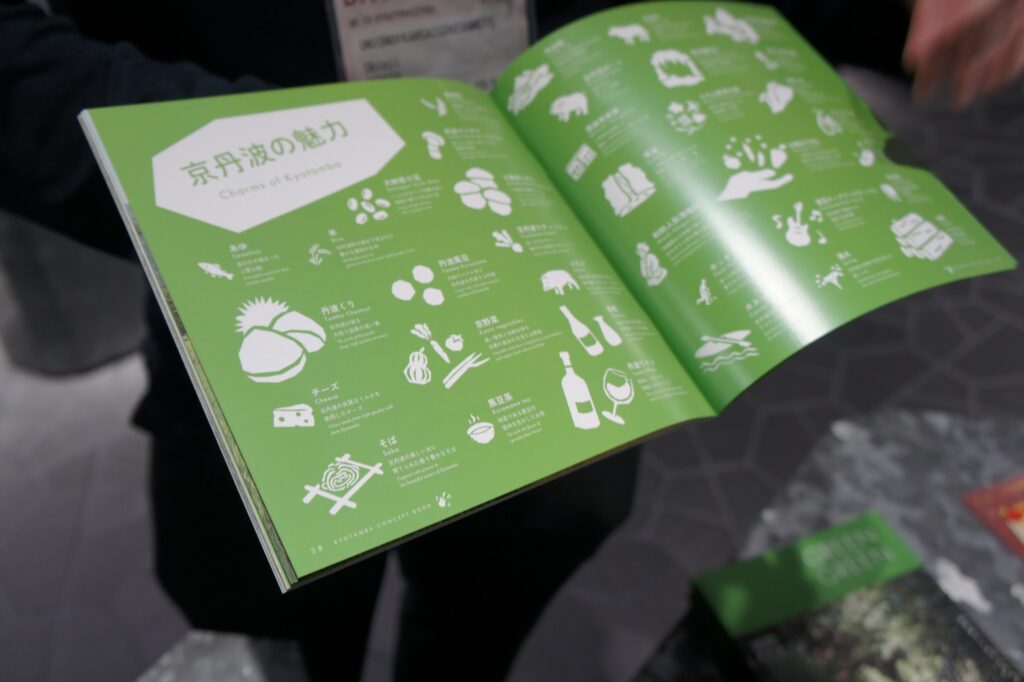
Our final conversation was with Shinji Ichise from Kyotamba, a town right in the heart of the Woodland Kyoto region. Known for its bounty of Tamba black beans and chestnuts, the Kyotamba area offers diverse attractions ranging from the geological wonders of the Shizushi Limestone Cave to the local vintages at Kyotamba Wine. It is a place where nature nurtures creativity, evident in the community of artists and craftspeople who call this region home.

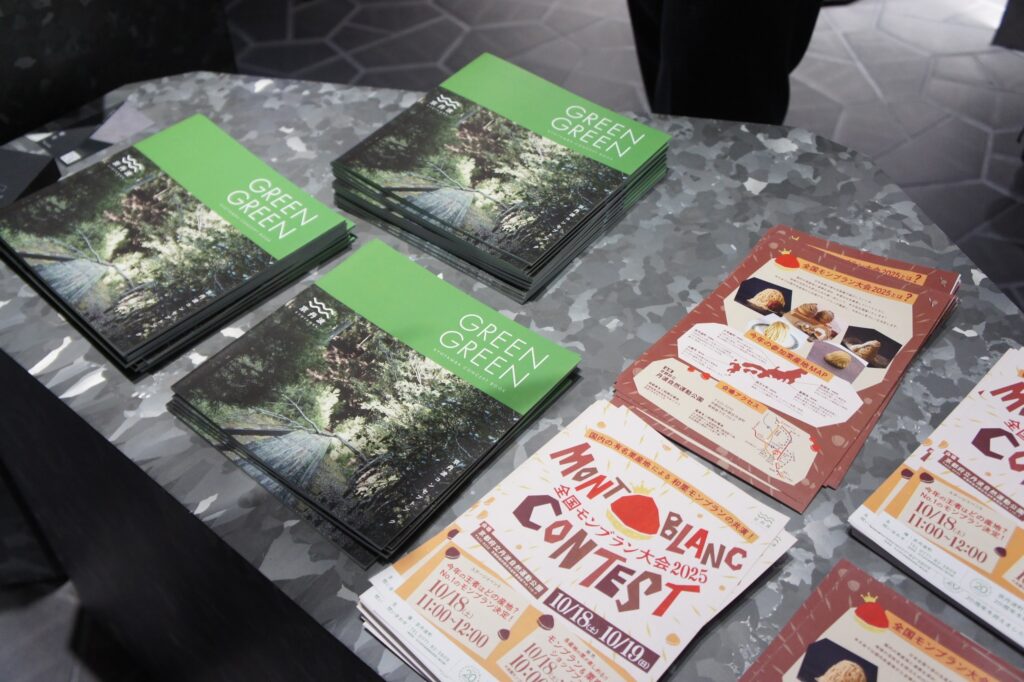
Mr. Ichise is currently promoting this distinctive local abundance through his recent initiative, GREEN GREEN KYOTAMBA. Their whole philosophy is about creating a “community connected by shared sentiment.” It doesn’t matter if you’re Japanese, a foreign resident, or just visiting; they consider you a member of the Kyotamba community.

His message at the Expo was stunningly simple yet inviting: “Feel welcome to visit, stay, relax, commute, or even join us in farming.” To help realize this vision, they also collaborate with universities to get fresh eyes on local challenges. For him, the Expo was a valuable opportunity to clarify that message and define the direction of their future efforts by interacting with visitors.

We strongly encourage you to experience the natural bounty and deep-rooted creative spirit that define Kyotamba firsthand. Don’t miss the chance to become part of this community.

Check out the resources below for more information:

https://greengreen-kyotamba.com/ (site is in Japanese only)

Kyotamba Wine

Kyotamba Wine

In the Kyotamba Winery, you can see the full winemaking process, from fermentation all the way to the finished product, as well as enjoy refreshments afterwards. In the restaurant, you can enjoy cuis …

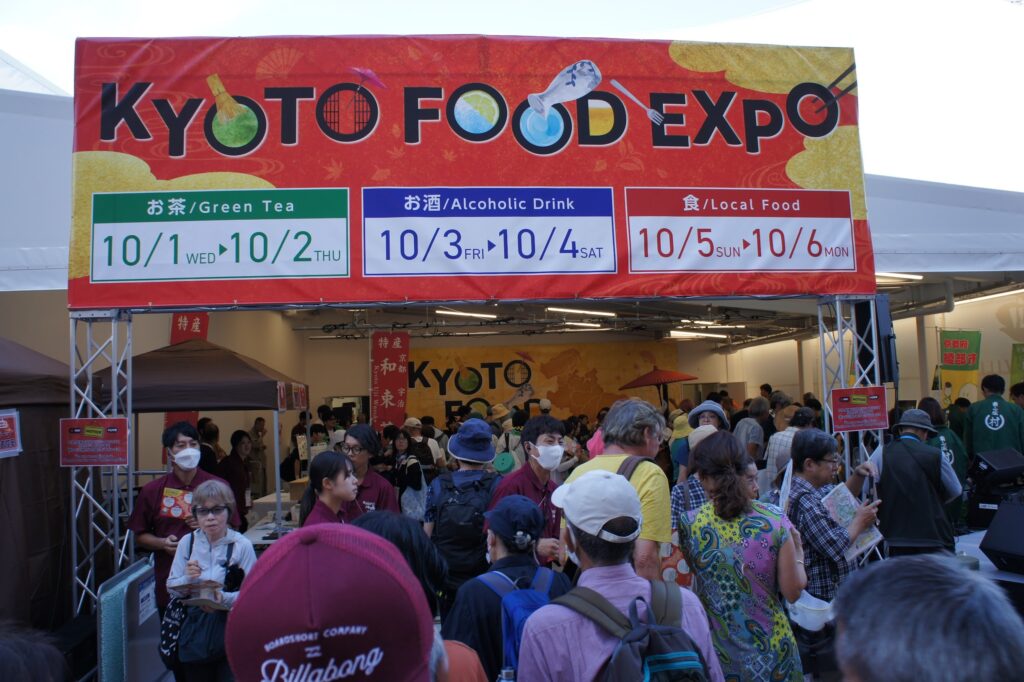
Savoring Kyoto’s Natural Bounty at the Kyoto Food Expo

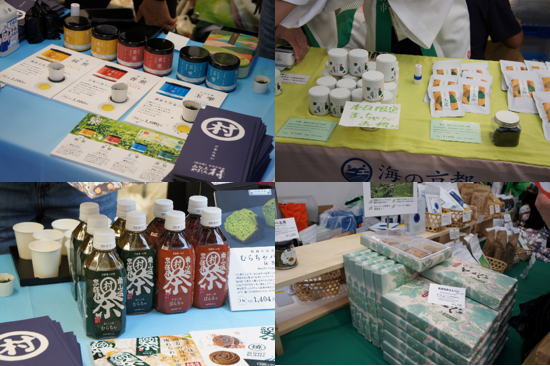
Our next stop was the Kyoto Food Expo, located just outside the Kyoto zone main venue. The Kyoto Food Expo showcased the rich culinary heritage of Kyoto and the surrounding region. Attendees could indulge in a diverse array of samples and acquire unique souvenirs, featuring a wide selection of local products. These included exquisite teas, traditional Japanese sweets, and a variety of artisanal condiments, all meticulously crafted by local producers.

The exhibits offered a fascinating glimpse into the diversity of Kyoto’s produce. While the tea-themed area was particularly impressive, highlighting Kyoto’s status as a major tea production center, the expo showcased much more. Visitors discovered the deep artistry of Kyoto’s food culture through a selection of specific local specialties, including:

Fukuchiyama’s Gyokuro: A high-grade shade-grown tea known for its rich umami. The local tea house, Yamashiroya, also featured their unique deep-roasted hojicha (roasted green tea) named Akaoni (Red Ogre), boasting a beautiful reddish color.

Wazuka Town Tea Products: Wazuka, one of the largest production areas of tea, offered various items including the unique snack “Pote-cha,” which combines potato chips with Wazuka tea.

Kyotamba’s Chestnut Sweets: Various sweets, such as dorayaki and Mont Blanc, made with the prized Kyotamba chestnuts.

Local Drinks from the Kyoto by the Sea Area: Companies from the Tango Region sold a variety of local beverages, including craft beer, gin, wine, and sweet potato shochu.

Visitors could also take part in experiences such as the matcha workshops, where experts taught them how to prepare and enjoy traditional Japanese green tea. The Kyoto Food Expo helped local businesses reach more people and allowed visitors to experience Kyoto’s authentic food culture.

A Deeper Understanding of Kyoto

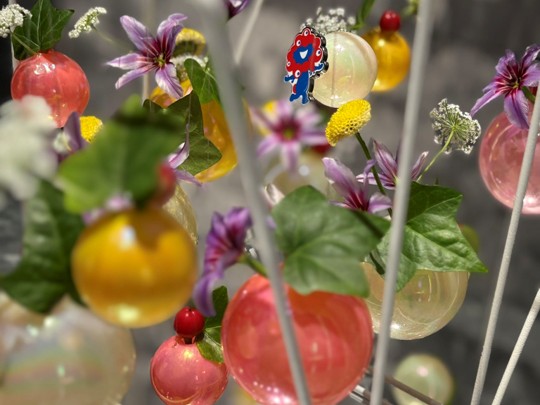
Decorative clear and colorful orbs with flowers and greenery hang, with a mini Expo 2025 mascot visible among them.

By the time guests stepped out of the Kyoto Zone, they had experienced a side of Kyoto they didn’t usually see, thanks to interactions with exhibitors and hands-on experiences. Interactive moments, sensory design, and the philosophy of Ichiza Konryu came together to offer a deeper understanding of the diverse experiences Kyoto has beyond the city. This unique journey revealed a Kyoto that is rarely seen.

For more information, please visit the EXPO KYOTO Official site: https://expokyoto.jp/

Another Kyoto Partners