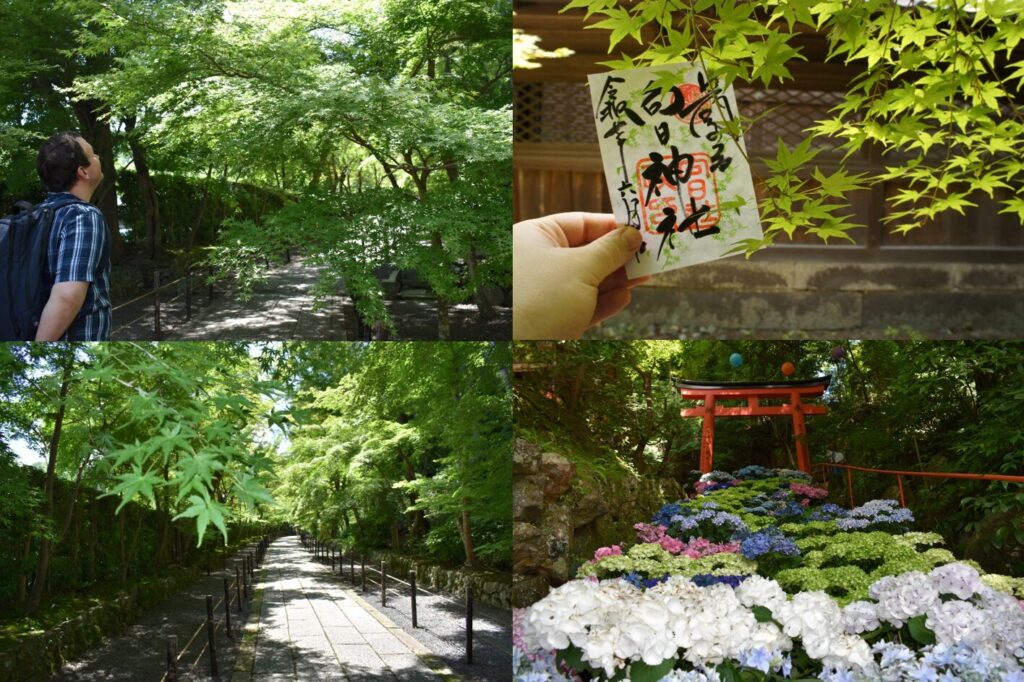
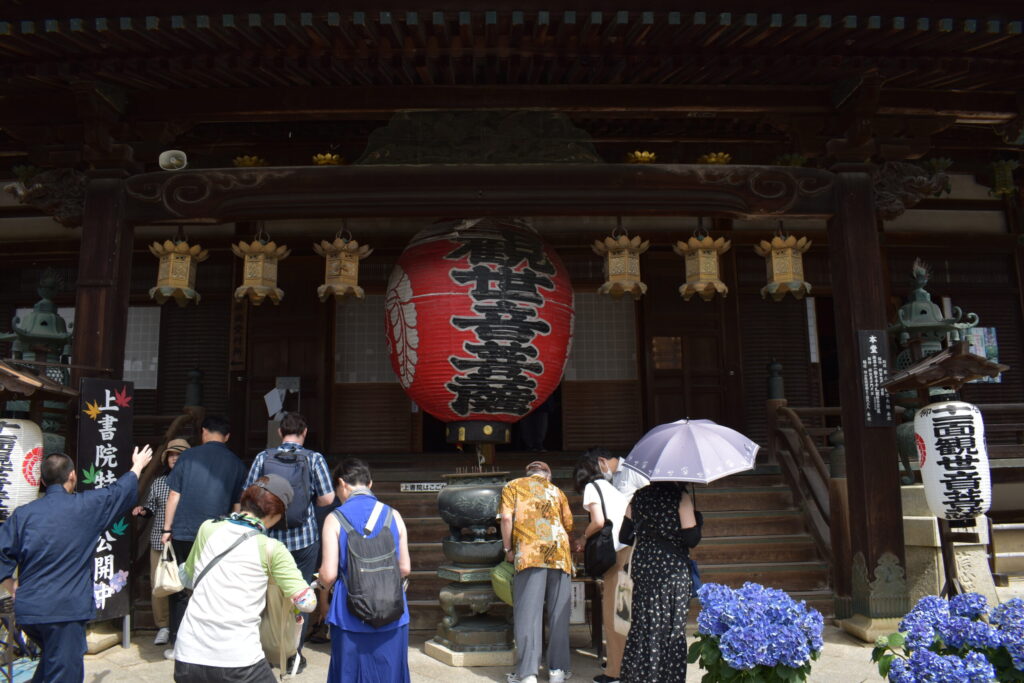
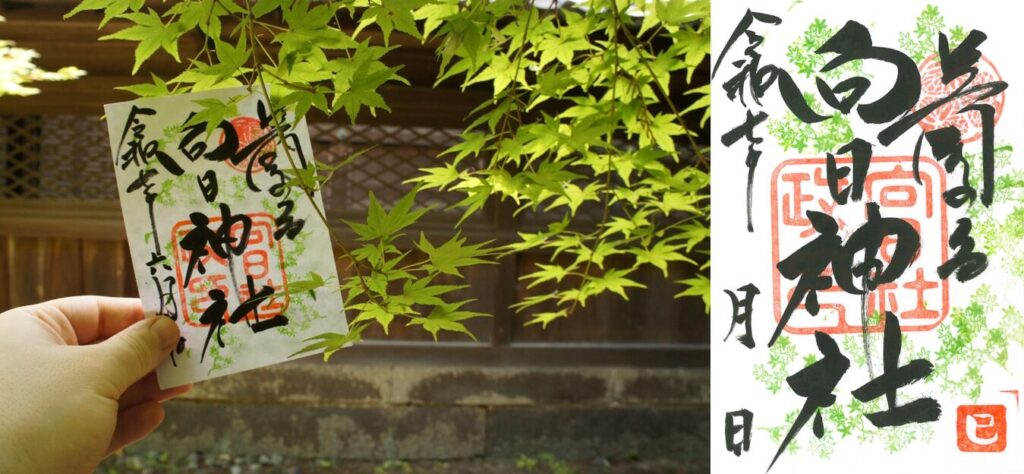
Ah, Kyoto in early summer. If you’ve been lucky enough to visit, you know the vibrant green maple leaves and breathtaking hydrangea blooms are truly spectacular. It’s a time when nature truly puts on a show. But what if you could take home more than just photos? That’s where goshuin come in.
In this article, you’ll discover how to explore the magic of these unique red seals and even find the perfect spots to collect them amidst Kyoto’s stunning early summer scenery.
Ever wondered about those beautiful, calligraphy stamps you see people collecting at temples and shrines across Japan? They’re called goshuin, and there’s a rich history and deep meaning behind each one.
What is a Goshuin?
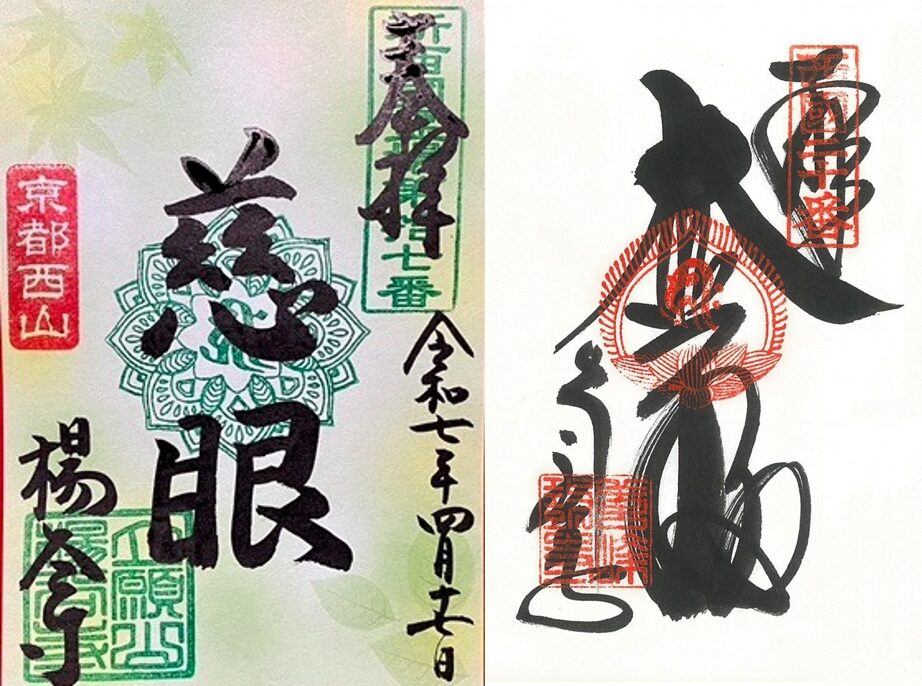
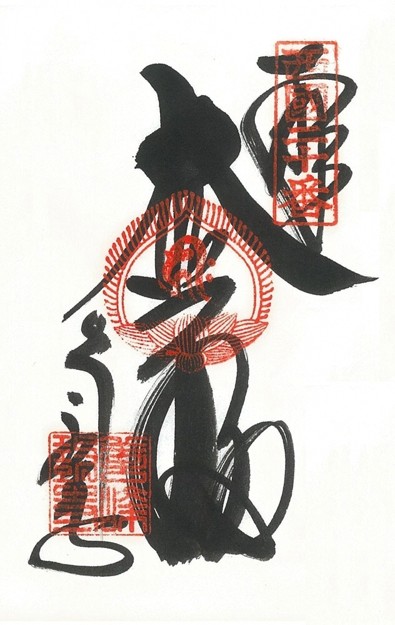
Essentially, a goshuin is a unique calligraphic seal granted by a temple or shrine. Each one typically includes the institution’s name, the date of your visit, and often a specific deity or Buddha’s name, all hand-brushed by a monk or priest.
Why Collect Goshuin?
Each seal is a unique, hand-written work of art that captures the specific history and serenity of the site you visited. By gathering these records, you deepen your appreciation for the fleeting, “once-in-a-lifetime” beauty of each encounter and season.
Goshuincho vs. Goshuin: Clarifying the Terms
A goshuincho is a special book that provides a safe, beautiful home to collect and protect your goshuin. The goshuin, on the other hand, are the actual slips of paper, stamped and signed by the temple or shrine you’re visiting. While you could technically collect individual goshuin without a goshuincho, having the book really elevates the whole experience and makes for a much more cohesive collection.
How to Receive Your Goshuin: Step-by-Step Guide
Getting a goshuin is a fantastic way to connect with Japan’s spiritual side. Let’s discover how you can get one step-by-step.
Step 1: Getting Your Goshuincho
First things first, you’ll need a goshuincho (goshuin book) to collect these artistic stamps. You can usually snag one at the larger temple or shrine offices, often near the main entrance or gift shop. They come in all sorts of designs, from simple and elegant to incredibly ornate, and typically run you anywhere from 1,000 to 4,500 yen. Pick one that speaks to you!
Step 2: Requesting and Receiving Your Goshuin
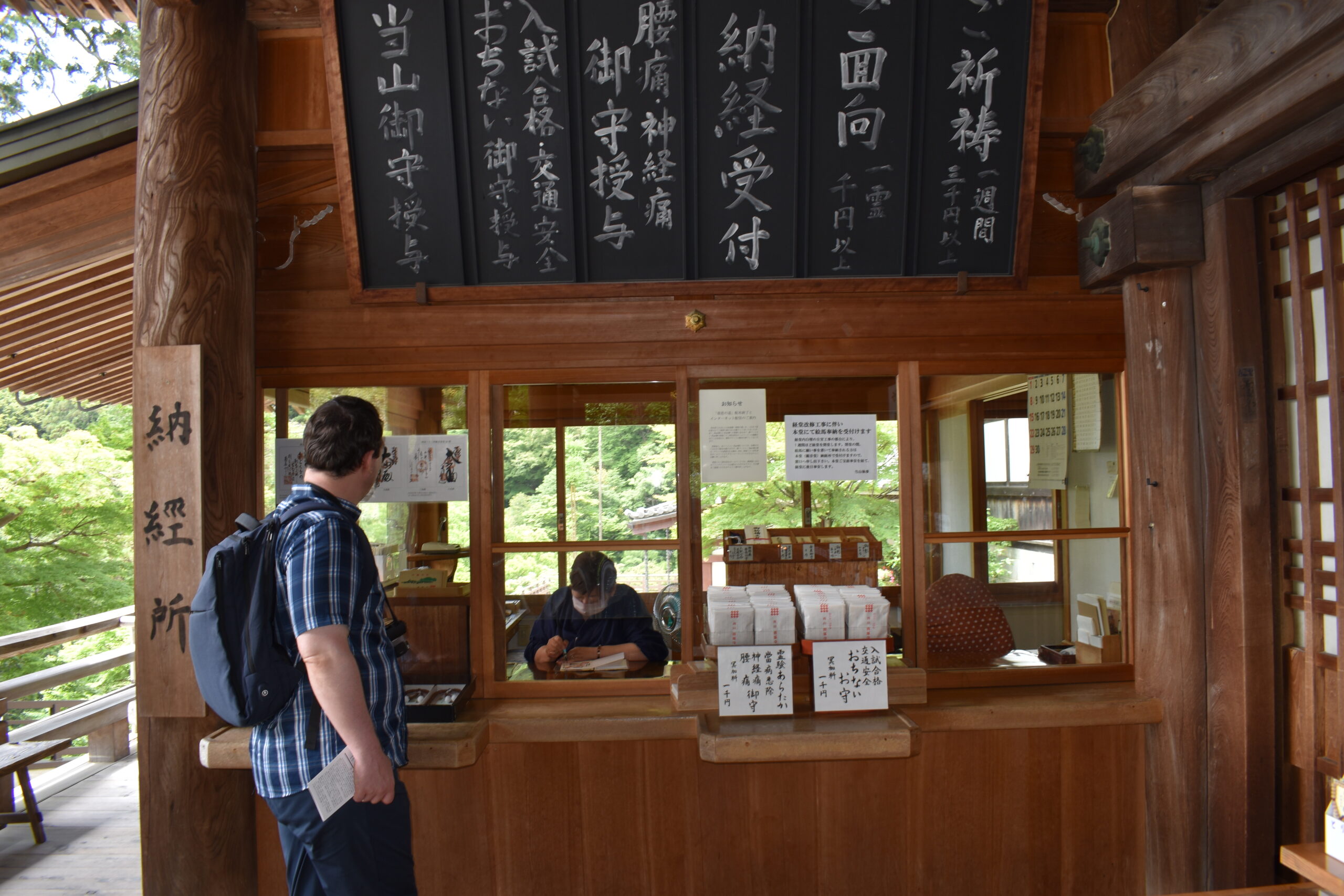
Once you have your goshuincho, ask for a goshuin. Present your book, open to the page where you’d like your goshuin, and the calligrapher will carefully create your unique seal.
Step 3: Pay for Your Goshuin
After they’ve finished, you’ll pay for your goshuin. The cost for a single goshuin typically ranges from 300 to 1,500 yen, depending on the temple or shrine and the complexity of the design.
Featured Goshuin Spots: Temples & Shrines for Admiring Nature
Kyoto is absolutely packed with stunning temples and shrines, but some really stand out when you’re looking to combine your goshuin collecting with breathtaking natural beauty. Here are a few fantastic spots, especially lovely during early summer.
Yanagidani Kannon (Yokoku-ji Temple)
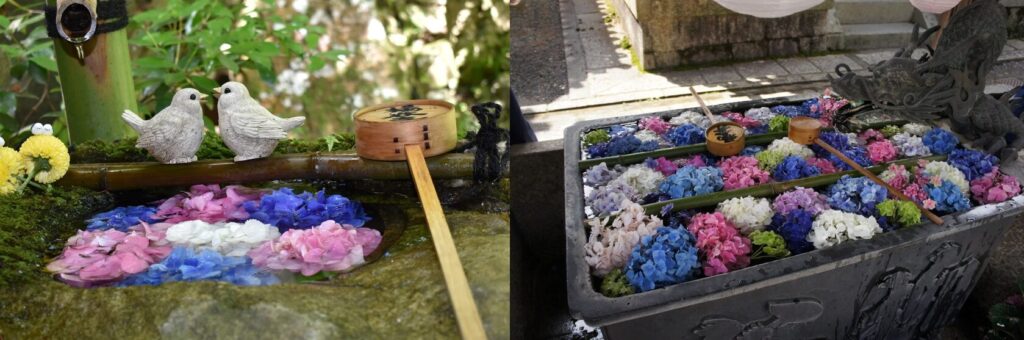
Tucked away in the western hills of Kyoto, Yanagidani Kannon is a true hidden gem. It’s particularly famous for its stunning floating hydrangea displays, which have become incredibly popular on social media. You’ll also find they sell goshuin and charms that beautifully reflect this unique floral artistry.
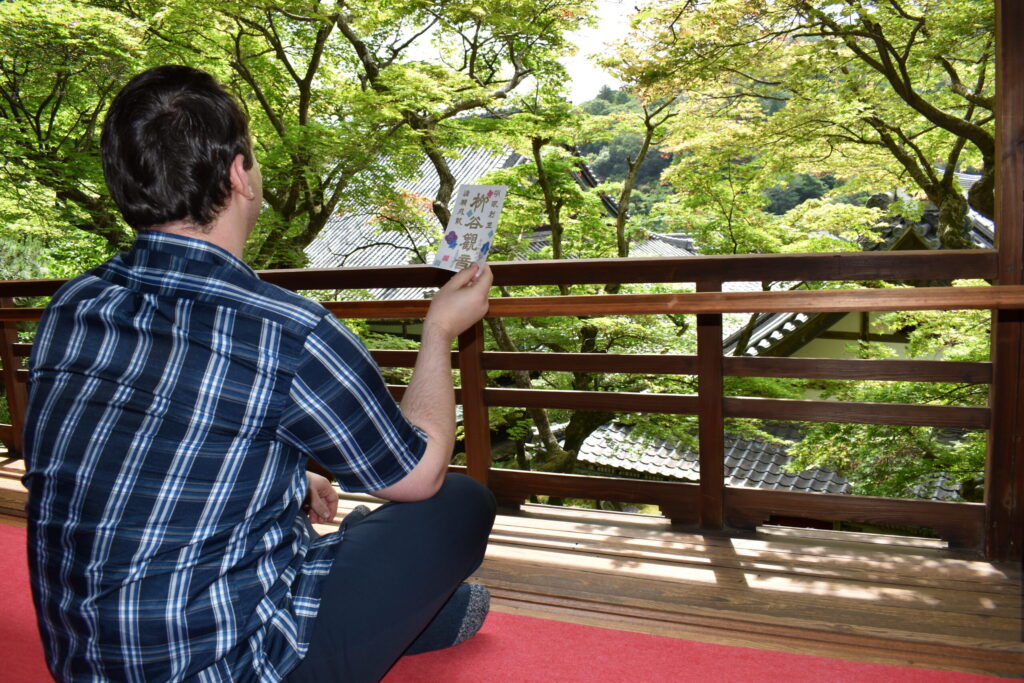
Before you even enter, you’ll find a charming café in an old ryokan near the temple entrance, perfect for a little snack or refreshment. Consider making a reservation to go up to the temple’s Kamishoin. From there, you can look down at the lush green maples and the temple grounds. It’s absolutely breathtaking! Just be sure to check their official website for reservation details.
It’s a bit off the beaten path, which means a more serene experience than some of Kyoto’s busier spots. This peaceful setting is perfect for quiet contemplation and, of course, for collecting a unique goshuin among nature.
Entrance fee: 2000 yen Goshuin price: 300 – 1500 yen
Yanagidani Kannon (Yokoku-ji Temple)
Yanagidani Kannon (Yokokuji Temple) is located in Nagaokakyo City, not far from Kyoto City and close to the famous Otokuni Bamboo Grove, where the main attraction is the eleven-faced, thousand-armed s …
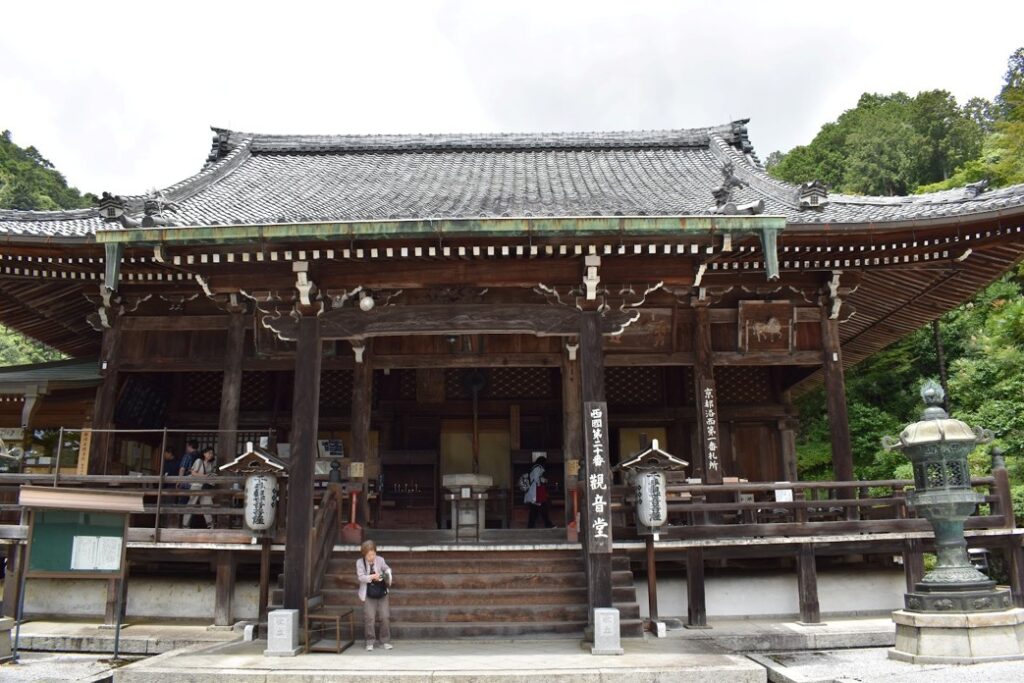
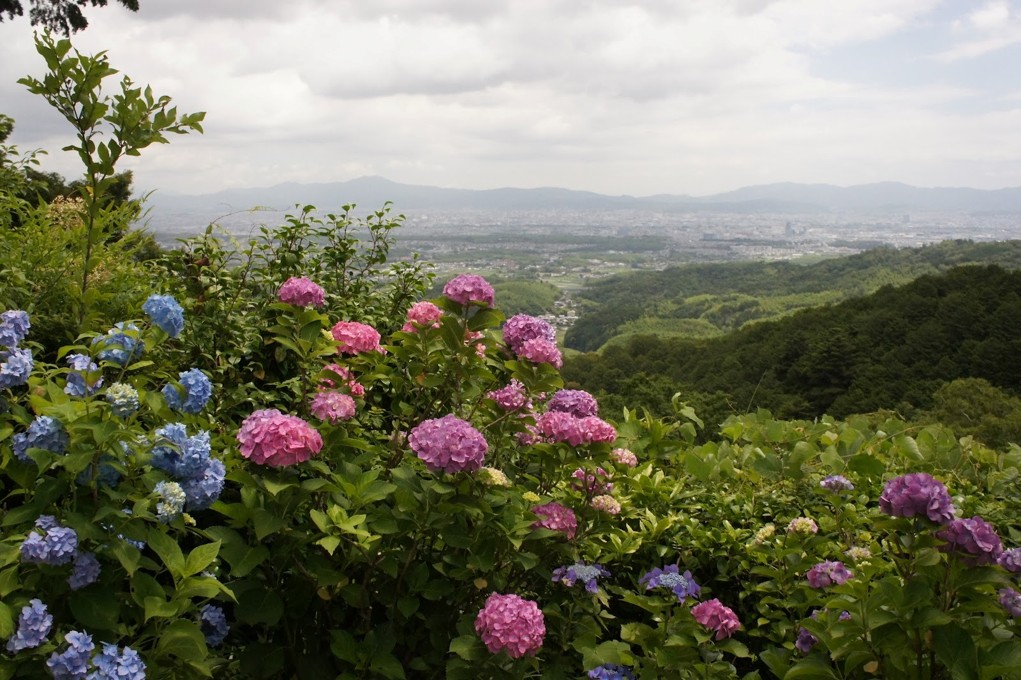
Perched high in the mountains, Yoshimine-dera Temple offers panoramic views of Kyoto city that are simply incredible, especially when framed by lush greenery.
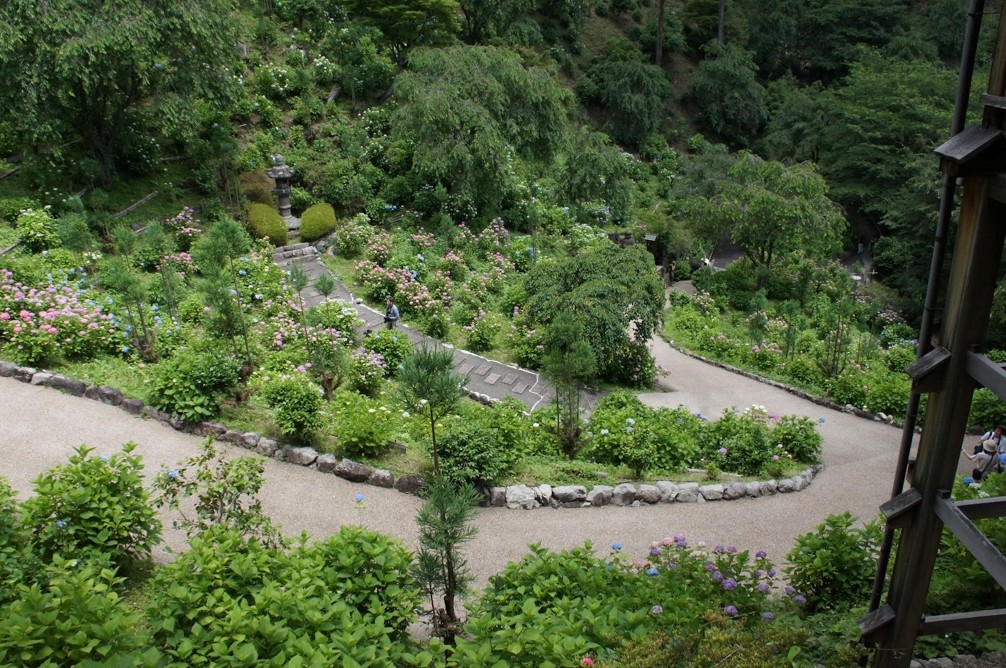
The temple grounds are vast and feature many lovely hydrangeas. The gardens and walking paths are particularly refreshing in the early summer, providing a wonderfully serene atmosphere.
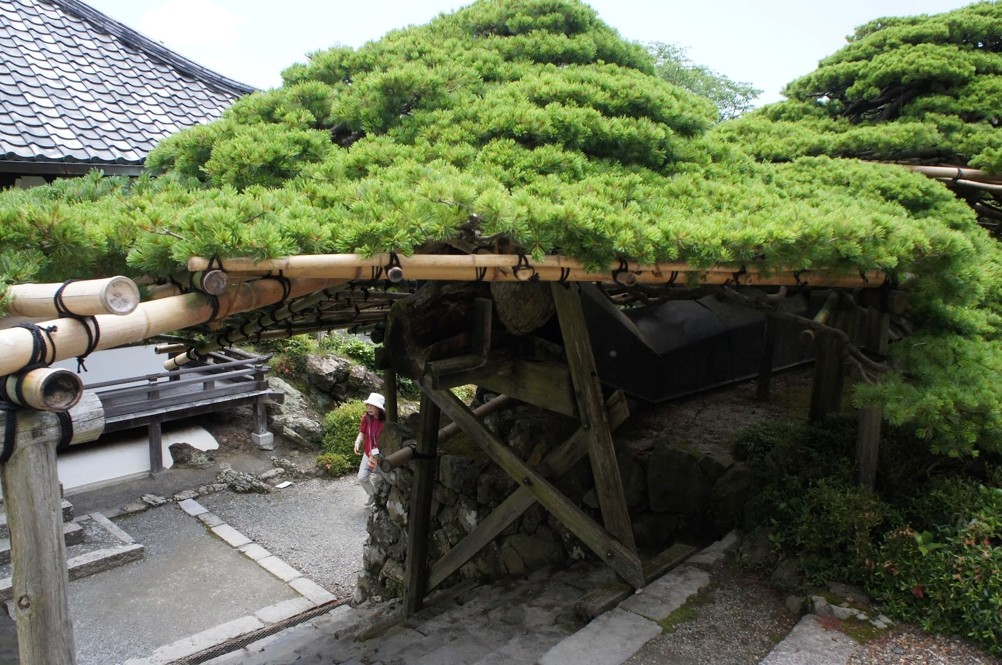
Oh, and keep an eye out for the sign pointing to what’s reportedly the longest pine tree in Japan! Just watch your head. While the tree is supported, you’ll need to duck to explore beyond it.
Take your time to explore and soak in this peaceful setting before getting your beautiful goshuin.
Entrance fee: 500 yen Goshuin price: 500 yen
Yoshimine-dera Temple
Yoshimine-dera Temple, located in Nishikyo-ku, Kyoto, is a Tendai Buddhist Temple and is the 20th temple of the Saigoku Kannon Pilgrimage. The Temple is said to have been built by the famous monk Gens …
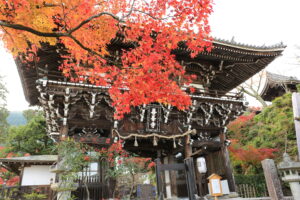
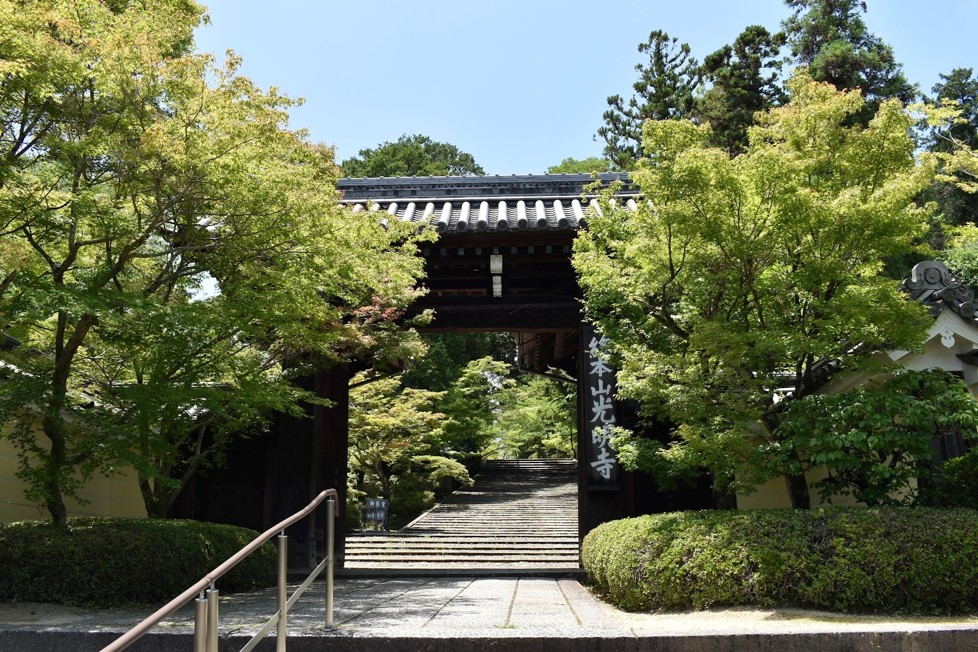
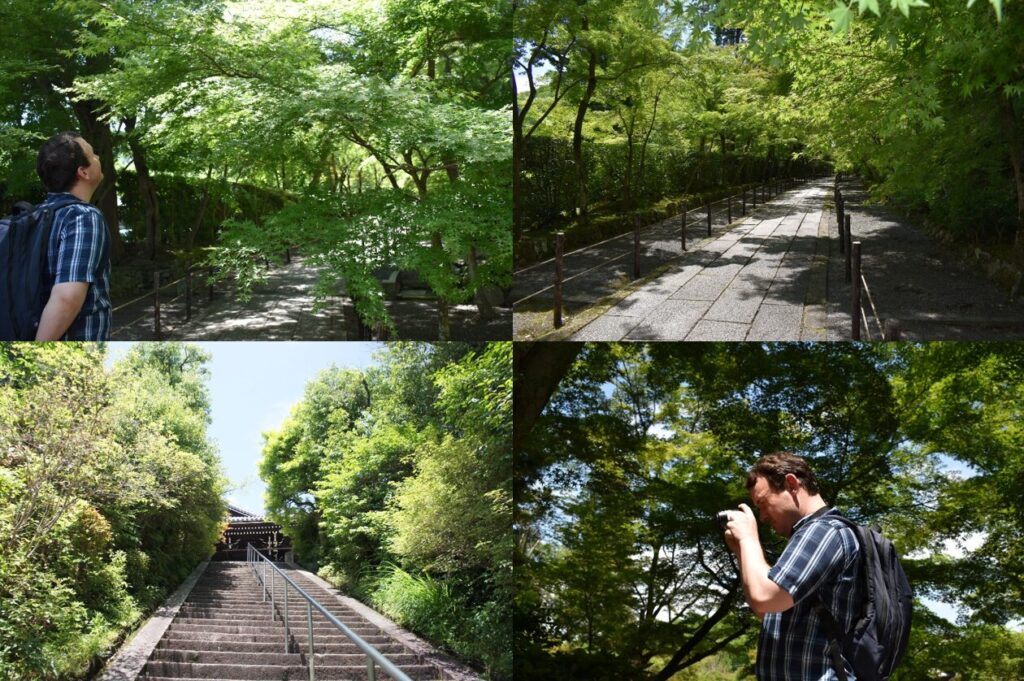
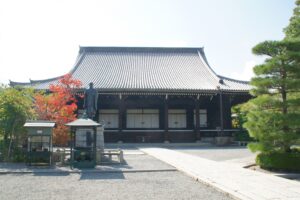
While perhaps best known for its fiery autumn leaves, Komyo-ji Temple is equally captivating in early summer with its verdant surroundings. The main path, lined with majestic trees, creates a cool, inviting tunnel of green, offering a peaceful walk to the main hall.
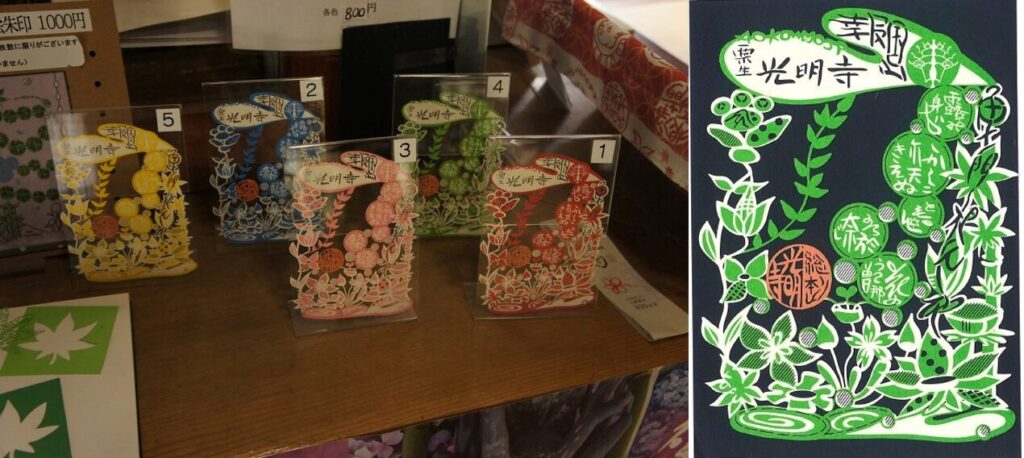
It’s a wonderful spot to experience the quiet beauty of a less-crowded temple. They also offer unique cut-out maple leaf goshuin during this season! Adding one to your collection here would be a lovely memory to cherish.
※Komyo-ji Temple doesn’t have parking, so please use public transportation.
Goshuin price: 1000 yen ~
Komyo-ji Temple
Komyo-ji Temple was first built in 1198 by the soldier Kumagai Naozane in an area favored by his master Honen. Today, it the head temple of the Seizan sect of Pure Land Buddhism. Visitors can tour the …
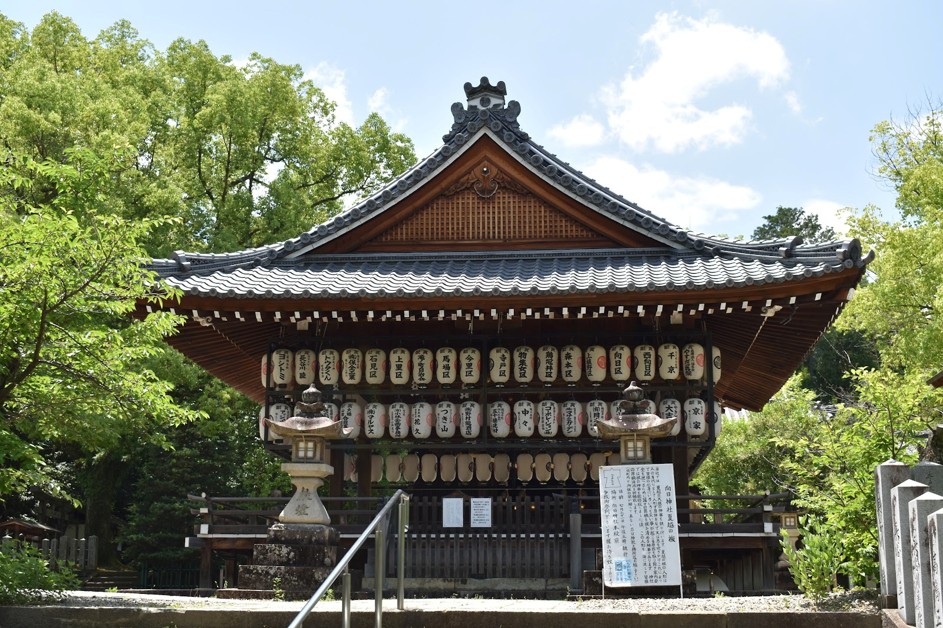
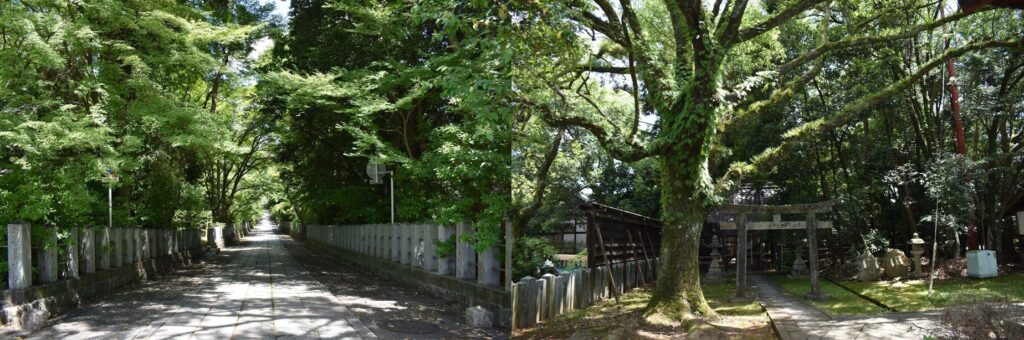
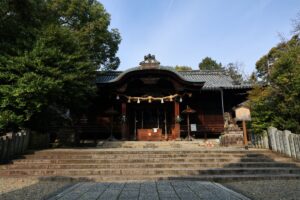
Muko Jinja Shrine is a quaint shrine tucked away from the main road in Muko City. It’s easily accessible either by foot if you’re up for a pleasant stroll, or by a quick taxi ride. This spot is particularly charming for its serene atmosphere and beautiful approach lined with green maples, providing a picturesque walk.
Interestingly, it’s even said to have served as a model for Tokyo’s grand Meiji Jingu! It’s worth noting this shrine offers a glimpse into different seasons year-round, from vibrant green maples to delicate sakura and stunning autumn leaves.
Plus, it’s conveniently close to other fascinating spots in the Otokuni area. One such location is the local planetarium, located right next to it!
Goshuin price: 300 yen ~
Mukojinja Shrine
Located in Muko City in the Otokuni Bamboo Grove area of Kyoto Prefecture, Muko shrine is an ancient shrine founded in 718 and is said to be a shrine for good harvest, academic achievement, and traffi …
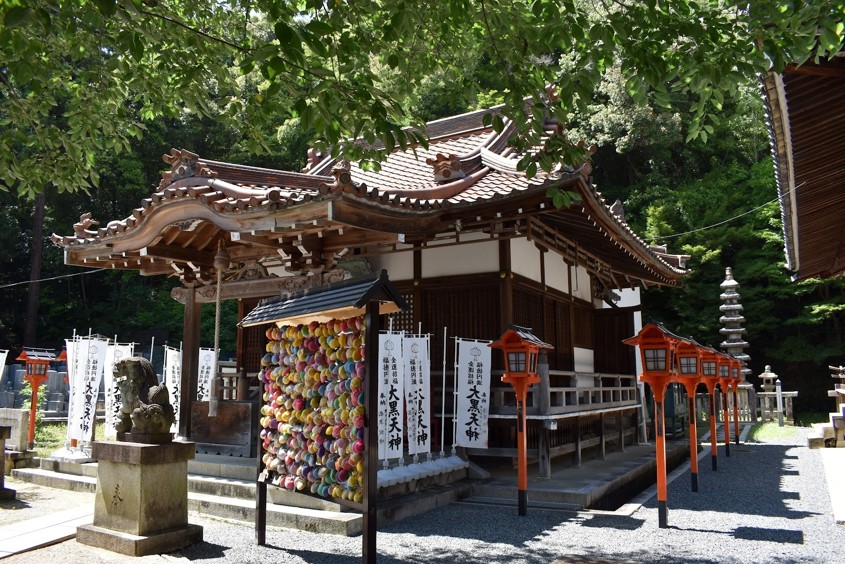
Situated on Mount Tennozan, Hoshaku-ji Temple is another excellent choice for combining nature with your goshuin quest. It’s situated right near Mt. Tennozan’s hiking trail, making it a perfect pit stop on your way up or down.
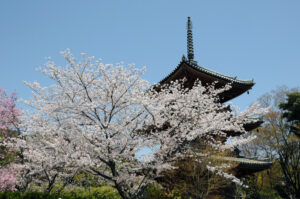
Beyond its natural appeal, the temple grounds also feature a distinctive three-story pagoda, famously said to have been built by the legendary Toyotomi Hideyoshi himself. For those keen to dive deeper, they often have a handy QR code guide available to enhance your visit.
This peaceful spot is rich with lovely greenery, feels incredibly refreshing, and offers commanding views of the surrounding area.
Goshuin price: 300 yen ~
Hoshakuji Temple
Hoshakuji Temple is located on the south side of Mt. Tenno (270m) near Oyamazaki Town on the border between Kyoto and Osaka Prefectures. The temple is beautiful year round with cherry blossoms in spri …
Alright, so you’re ready to embark on your goshuin quest. To make sure your experience is as smooth and enjoyable as possible, here are a few pointers from someone who’s been there!
The Best Time to See Green Maples and Hydrangeas
The best time to see Kyoto’s maples is late May to early July. Hydrangeas typically hit their peak from mid-June to mid-July. So, aiming for that sweet spot around mid-June usually means you’ll catch both in their full glory.
And for those picture-perfect moments, we always recommend going in the morning. The light is softer, the weather is cooler, and the crowds are usually much thinner, making for incredible photos. Plus, many temples and shrines offer seasonal goshuin with special maple leaf or hydrangea designs during this time, making your keepsake even more unique.
Planning Your Route
A little planning goes a long way, especially if you’re hitting multiple spots. The best way to efficiently visit several temples and shrines in one day is by hiring a taxi for the day. It saves a ton of time on public transport connections and gives you the flexibility to linger where you want. Companies like MK Taxi offer such hire services, so be sure to check their website for options.
You’ll also definitely want to double-check each temple or shrine’s operating hours and entrance fees on their official website before you head out, just to avoid any surprises.
Don’t leave forget to bring these essentials for a comfortable and enjoyable visit.
Your goshuincho if you have one.
A small pouch or bag for your goshuincho to protect it.
Some cash for goshuin fees and any offerings, as most places don’t accept cards.
A water bottle, especially if it’s warm out – hydration is key!
Comfortable shoes because you’ll be doing a fair bit of walking.
Sunscreen and a hat – that early summer sun can be stronger than you think.
Lightweight clothing is also a smart move to stay cool and comfy.
Respectful Photography
While it’s totally understandable to want to capture the beauty, remember that these are sacred spaces. Always be mindful of signs prohibiting photography, particularly inside temple or shrine buildings. When in doubt, it’s always best to err on the side of caution and simply appreciate the moment with your own eyes.
Cherishing Your Kyoto Goshuin Memories
Collecting goshuin in Kyoto, especially amidst the early summer splendor of green maples and hydrangeas, offers something truly special. It’s an authentic way to connect with Japan’s spiritual side, and it acts as a souvenir to remember your trip by.
Ready for more immersive Japanese experiences? Be sure to check our other articles packed with tips and insights for your next Kyoto adventure.