When people travel to Kyoto, they usually head to the most popular locations, like Kiyomizu-dera Temple, Kinkaku-ji Temple (the Golden Pavilion), or Fushimi Inari Taisha Shrine. But journeying out to the historical sites on the outskirts of Kyoto is well worth the effort. From World Heritage Sites like Byodo-in Temple, which you can see on the 10 yen coin, to other ancient temples adorned with flowers throughout the seasons, shrines steeped in history, and famous castles that still echo the drama of the Sengoku period, each place is filled with the profound stories unique to the thousand year-old capital. Here, we’ll focus on three areas of Kyoto Prefecture – Kyoto Tea Country, Kyoto Otokuni Bamboo Grove, and Woodland Kyoto – to guide you through beautiful and tranquil historic landscapes that offer something quite different from central Kyoto City.
Why Does Kyoto Have So Many World Heritage Sites and Historic Landmarks?
Kyoto was once the capital city of Japan, known then as Heian-kyo. Established in the 8th century, it flourished as a center of politics, culture, and faith for more than a thousand years. As a result, the city became home to countless temples, shrines, castles, and traditional buildings that have been carefully preserved to this day. Thanks to the citizens’ desire to protect their cultural heritage and outstanding systems designed to protect the city’s landscape, precious traces of history have been passed down to the present day in their original form. For all these reasons, Kyoto has become a special place with the largest number of historical and cultural heritage sites in Japan.
But these aren’t limited to the bustling city limits of Kyoto: if you venture out into Kyoto’s surrounding areas, you’ll find more wonderful historical landscapes, from the World Heritage Site, Byodo-in Temple, found on Japan’s 10 yen coins; to Japan’s oldest Tenmangu shrine, or Fukuchiyama Castle, which has deep ties to a Sengoku period (1467-1603) commander, and many more. Out here, you can experience the wonders of the ancient capital from a slightly different perspective.
Historic Sites on Kyoto’s Outskirts That You Won’t Want to Miss
Kyoto Tea Country: World Heritage Site Byodo-in Temple, Famous from Japan’s 10 Yen Coin
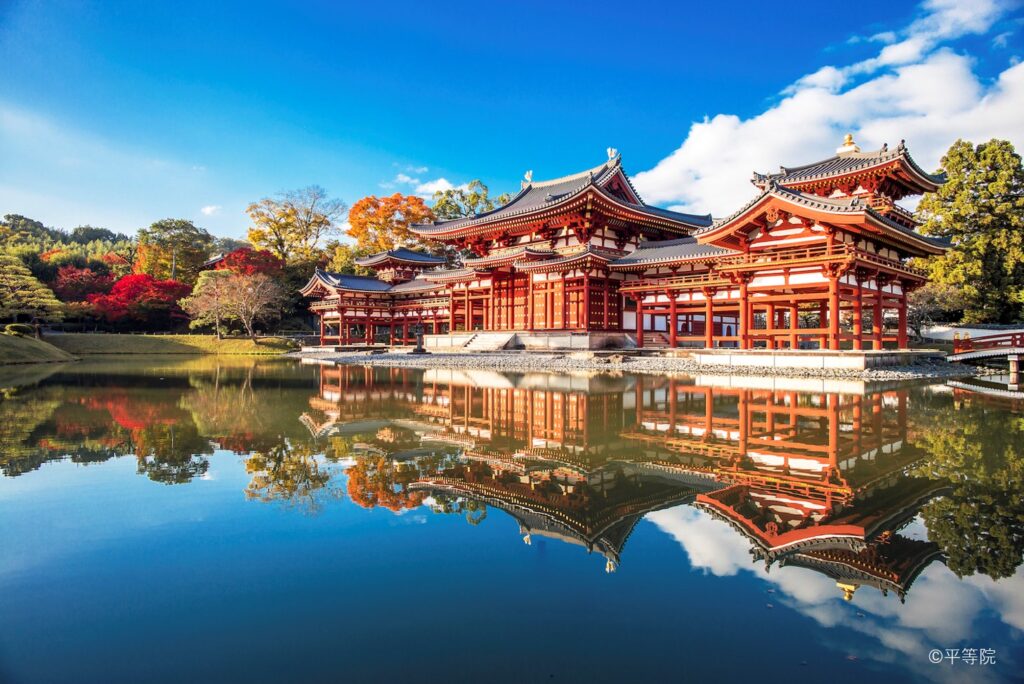
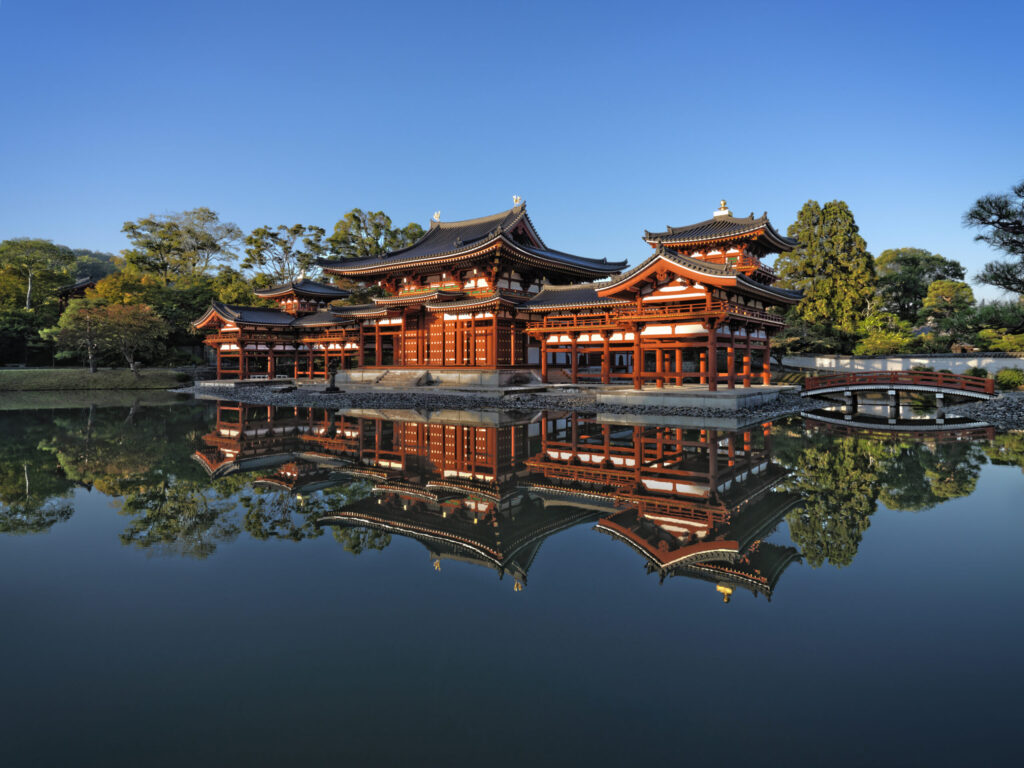
When speaking of Kyoto’s iconic historic locations, Byodo-in Temple in Uji is one that simply can’t be left off the list. Founded in 1052, the temple’s Phoenix Hall was built the following year, said to be the embodiment of the Buddhist Pure Land paradise on earth. In addition to being registered as a World Heritage Site, Byodo-in Temple is also famous for gracing Japan’s 10 yen coin with its image, making it a familiar symbol of Japanese culture for many.
The vermillion Phoenix Hall reflected in the temple pond is a breathtakingly beautiful sight. Throughout the seasons, with its cherry blossoms in spring, elegantly blooming wisteria in early summer, brilliant autumn foliage in the fall, and serene winter atmosphere, Byodo-in Temple continues to captivate visitors with its changing beauty all throughout the year. In addition to admiring the National Treasure buildings, the Byodo-in Museum Hoshokan on the temple grounds is well worth a visit. Gazing at some of the thousand year-old treasures within up close, you’ll truly get a sense of the depth of Kyoto’s history.
Byodoin Temple
Byodoin Temple, located on the west bank of the Uji River, shows the historical glory of the Fujiwara clan’s prosperity. Originally Minamoto no Toru’s villa, it was later acquired by Fujiwara no Michi …
Kyoto Tea Country: Seasonal Blooms Woven Together with 1000 Years of Faith at Mimuroto-ji Temple
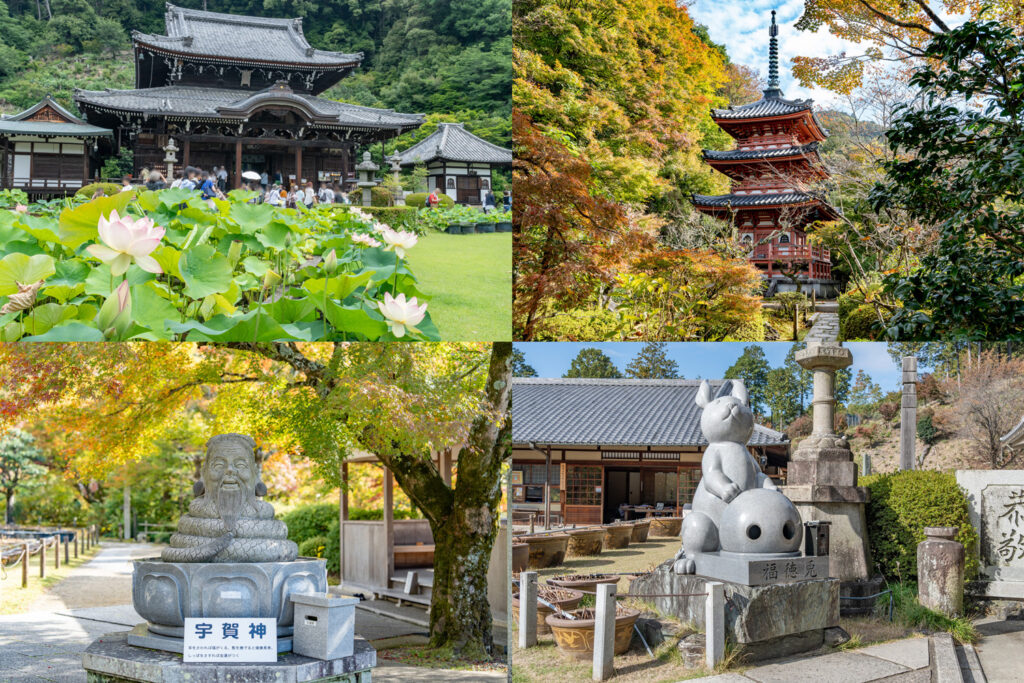
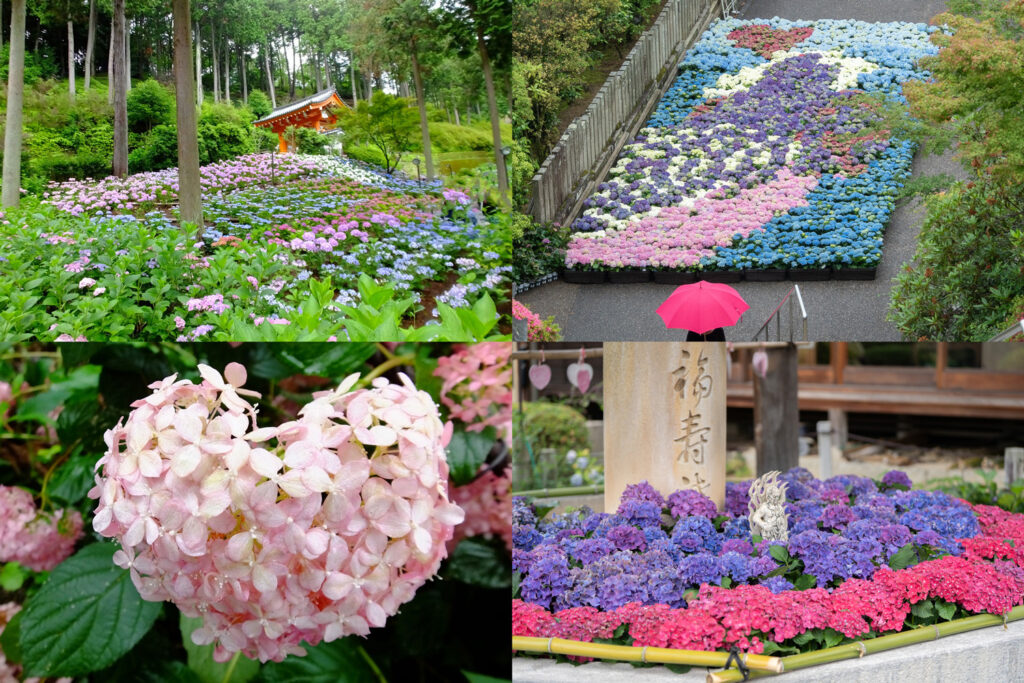
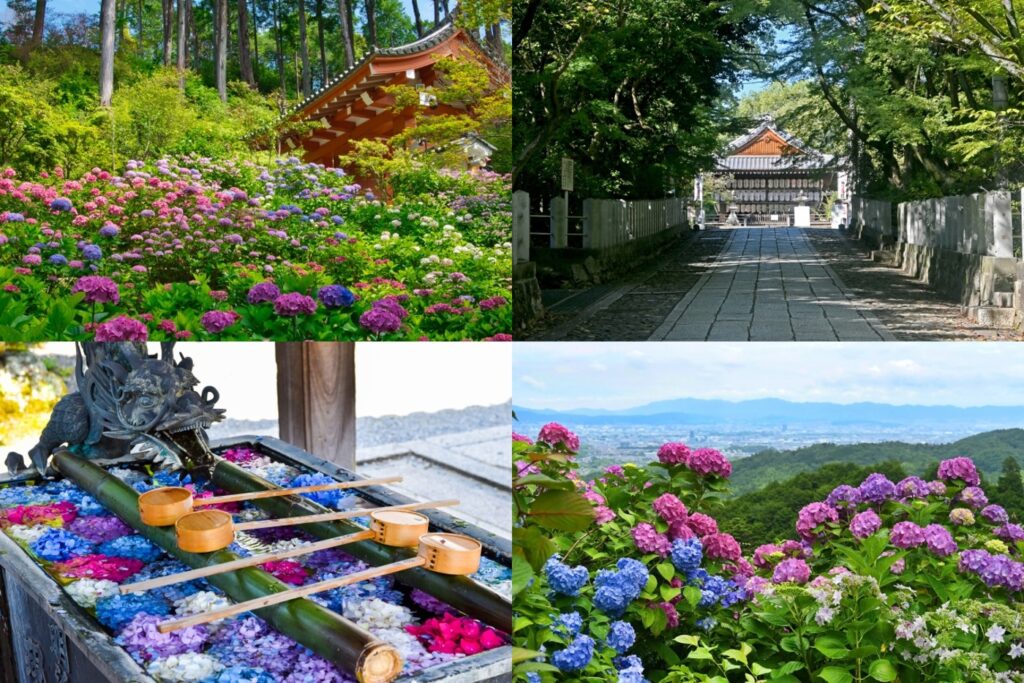
Famous as the “flower temple,” Mimuroto-ji is an ancient temple on Kyoto’s outskirts that’s perfect for enjoying both history and nature’s beauty. With a history that dates back to the 8th century, Mimuroto-ji Temple has stood here for more than a thousand years. In early summer, you’ll find a sight to behold here with some 20,000 hydrangeas, bringing many to the temple that’s also been called another nickname, the “hydrangea temple.”
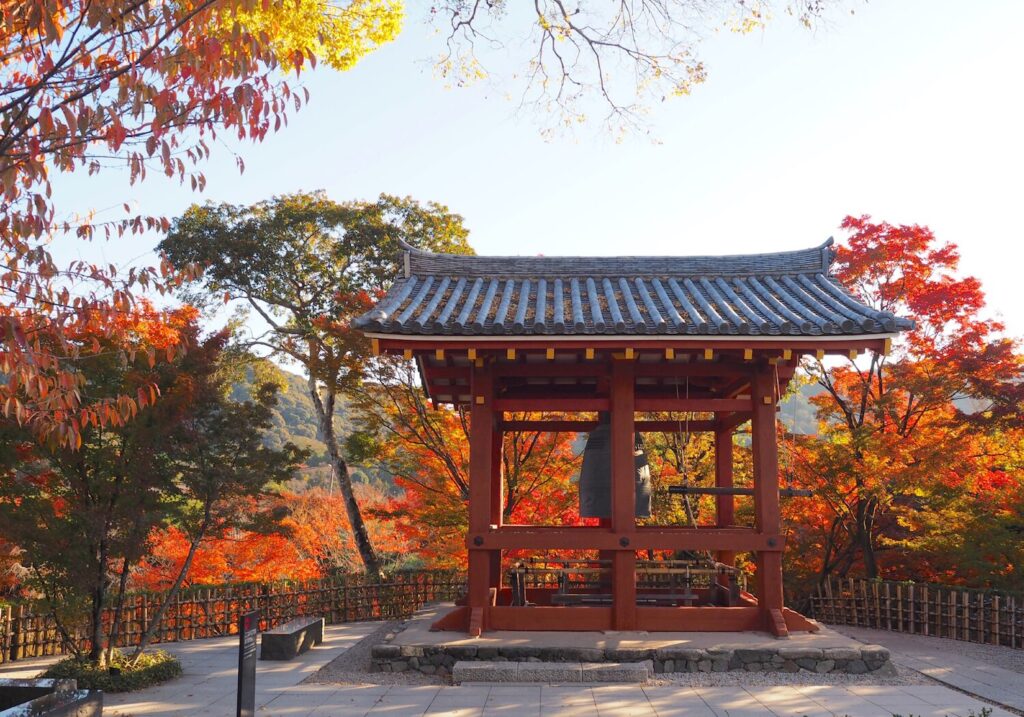
Aside from hydrangeas, Mimuroto-ji Temple has a few different faces throughout the seasons, including its cherry blossoms and azaleas in the spring, lotus blossoms in summer, and maple leaves in the fall. Take a leisurely stroll through the gardens of these historic temple grounds, and take in some of the uniquely elegant culture of Kyoto Tea Country, the home of tea in Kyoto.
Mimurotoji
The Mimurotoji temple is located in Uji City in the Kyoto Tea Country region, southern Kyoto Prefecture. This temple has a long history, and its Treasure House enshrines Buddhist statues including Imp …
Kyoto Otokuni Bamboo Grove: Mukojinja Shrine, an Ancient Shrine with Beautiful Seasonal Scenery
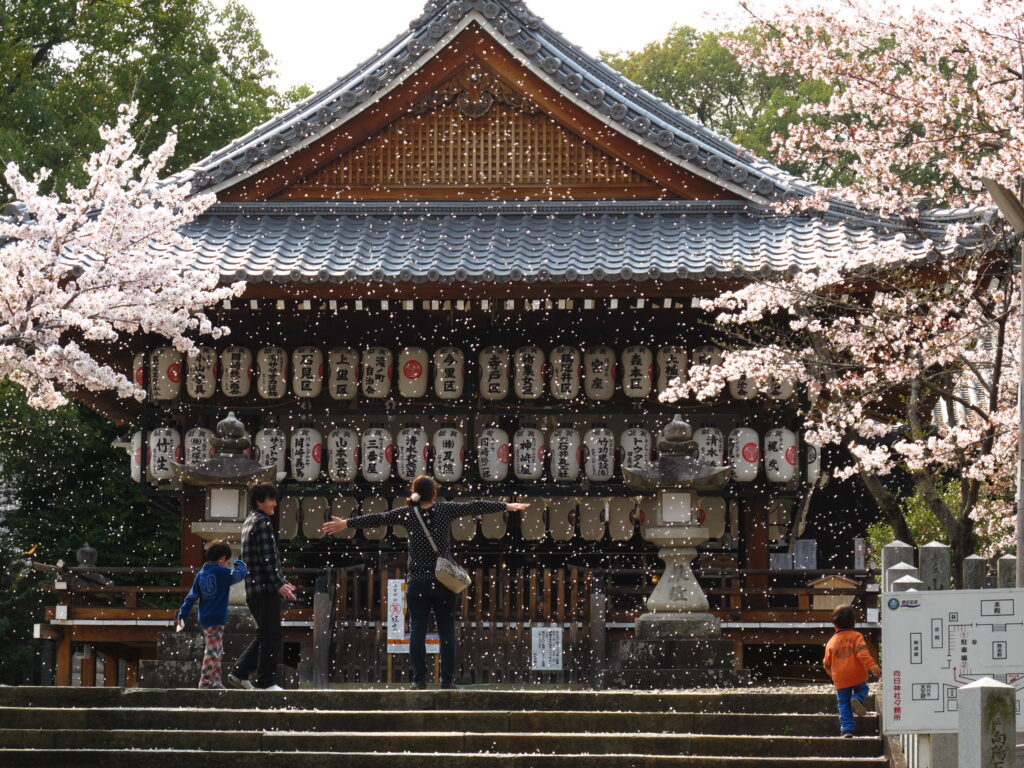
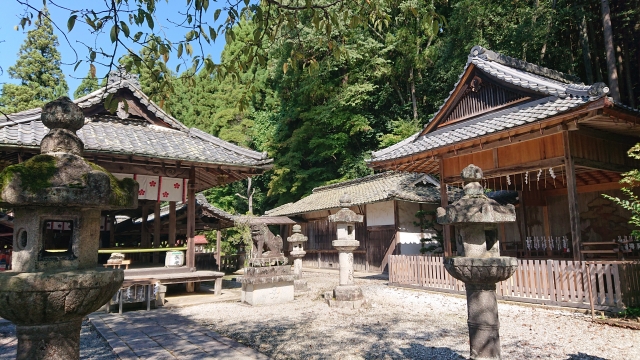
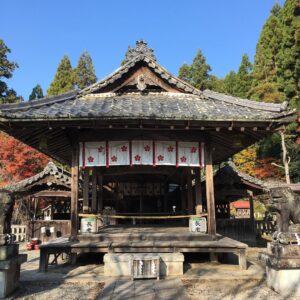
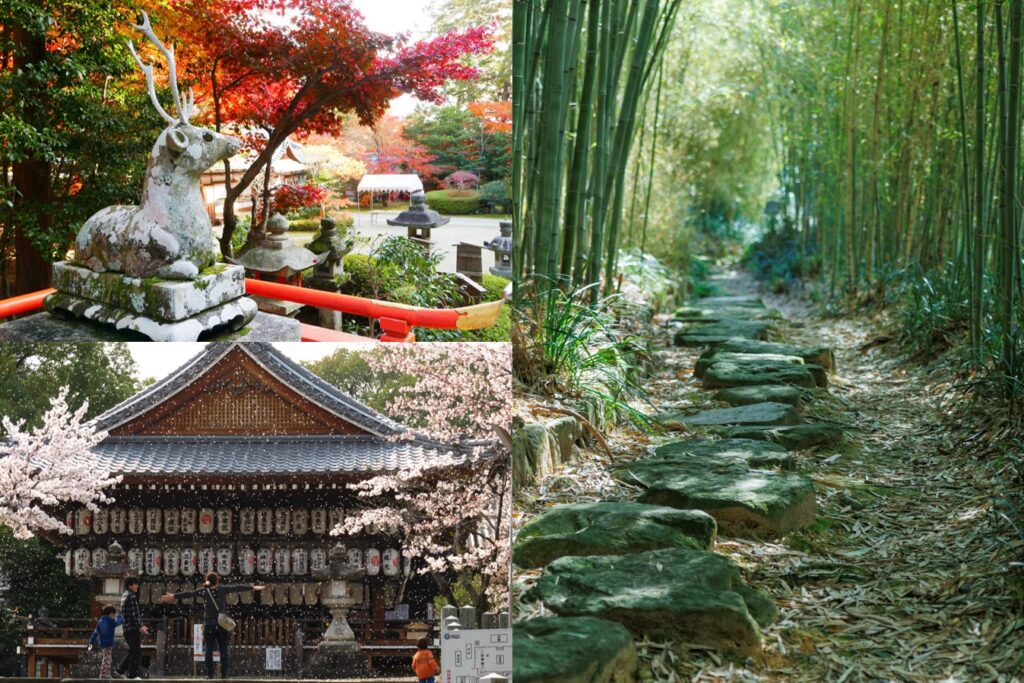
Founded during the Nara period (710-794), Mukojinja Shrine is an iconic historic shrine in the Otokuni Bamboo Grove area with a history of over 1,300 years. The shrine’s main hall is registered as an Important Cultural Property, and is characterized by its unique architectural style, known as muko-zukuri. In fact, it is also known as the shrine that served as the model for Tokyo’s Meiji Jingu Shrine.
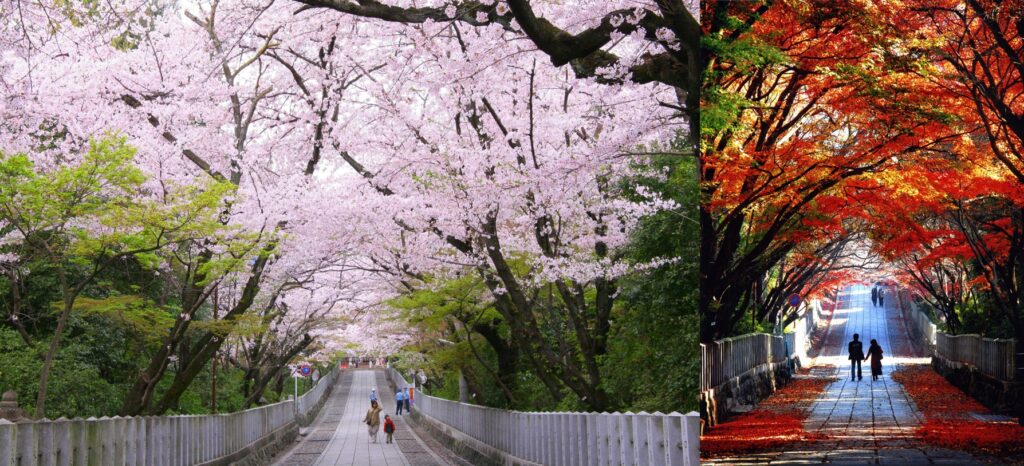
In addition to its historical value, the shrine is also famous locally as a flower-viewing spot. In spring, cherry blossoms in full bloom line the approach to the shrine, while vivid autumn foliage transforms the path in fall, letting visitors take in the quiet atmosphere unique to an ancient capital as they stroll along. If you have extra time, be sure to visit the nearby Muko Bamboo Path as well, to enjoy the refreshing ambiance of the Kyoto countryside amidst the beautiful bamboo and the old shrine.
Mukojinja Shrine
Located in Muko City in the Otokuni Bamboo Grove area of Kyoto Prefecture, Muko shrine is an ancient shrine founded in 718 and is said to be a shrine for good harvest, academic achievement, and traffi …
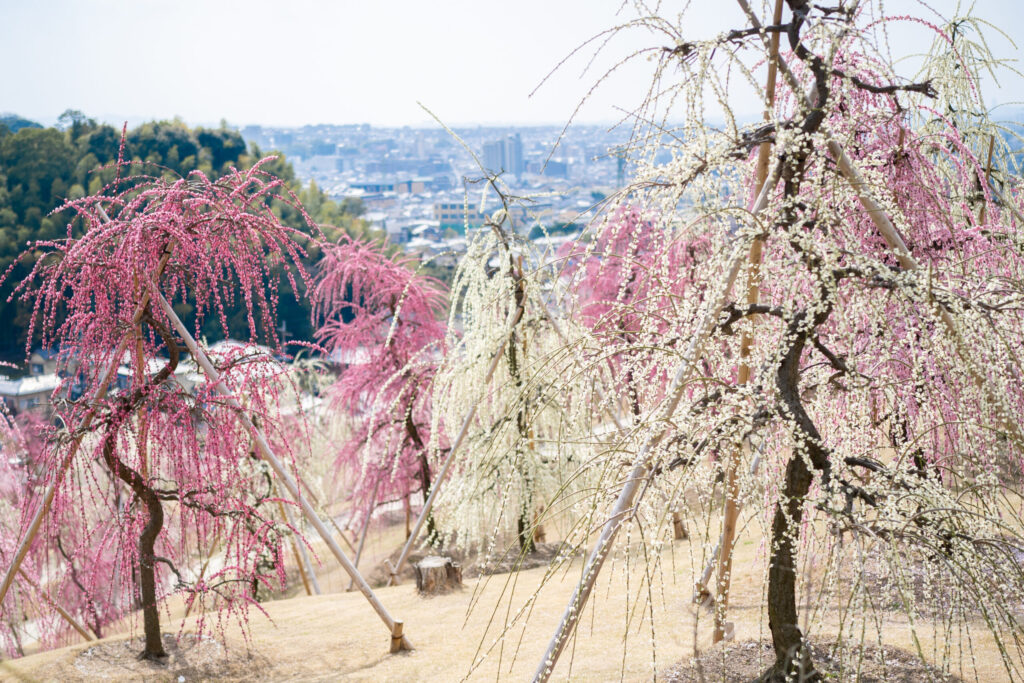
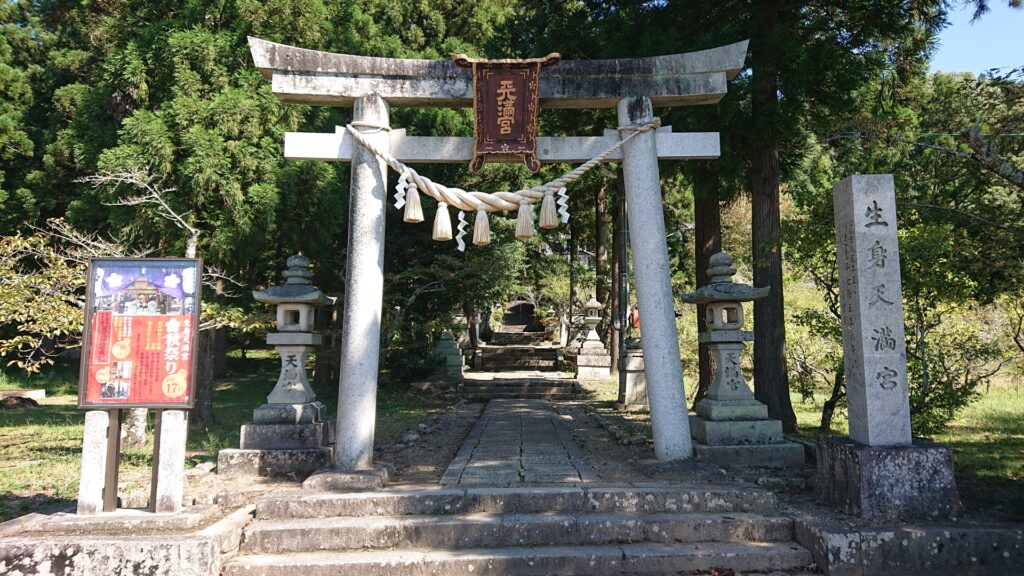
Located in Nantan City, Kyoto Prefecture, Ikimi Tenmangu Shrine is the oldest Tenmangu shrine (a number of shrines dedicated to Sugawara no Michizane) in Japan. It is the only shrine in the country to bear the name ikimi (meaning “living body”) because it enshrined the likeness of Sugawara no Michizane—revered as the deity of learning—while he was still alive. The shrine was founded in 901 to pray for Michizane’s safe return after he was exiled to Dazaifu, and it too boasts a history of more than a thousand years.
The shrine grounds still have their quiet, traditional atmosphere, and offer even more enchanting views when the plums blossom in early spring. This is a spot steeped in both history and local faith, often visited by students and their families coming to pray for academic success. If you’re interested in Japanese history or visiting shrines, Ikimi Tenmangu is well worth a visit.
Ikimi Tenmangu Shrine
Dedicated to Sugawara Michizane, famous as a deity of learning, Ikimi Tenmangu Shrine is the oldest of the Tenmangu shrines in Japan, built during Sugawara Michizane’s lifetime. This shrine is said to …
Kyoto by the Sea/Woodland Kyoto: Experience Sengoku Period History at Fukuchiyama Castle
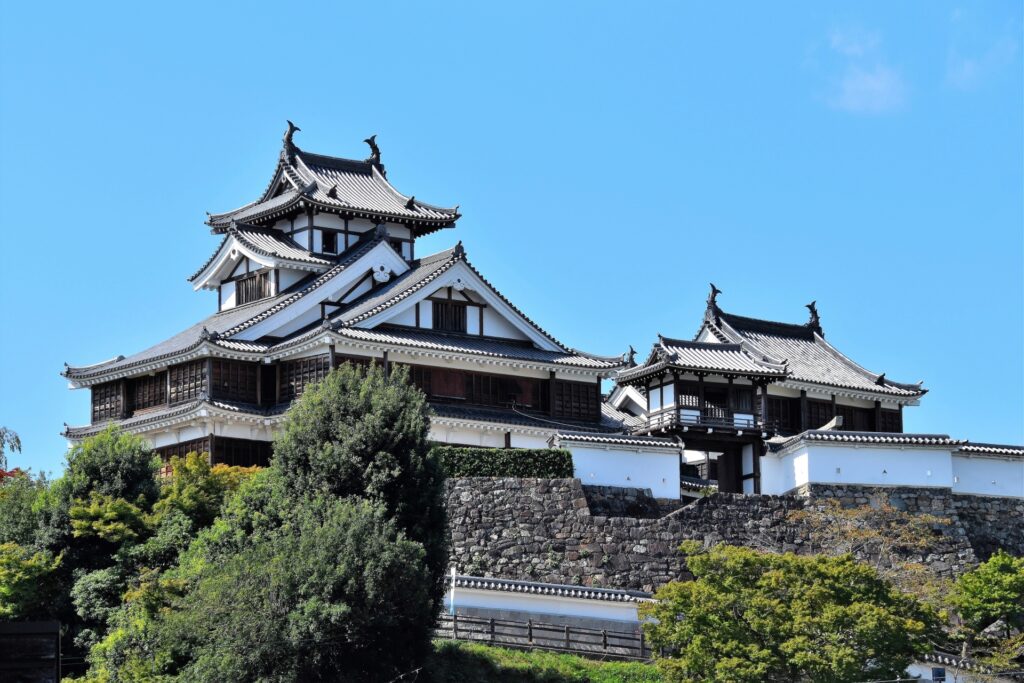
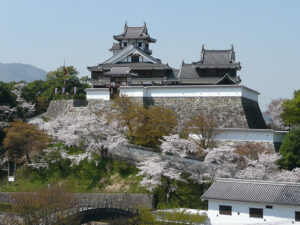
Fukuchiyama Castle is located at the intersection of two areas, Kyoto by the Sea and Woodland Kyoto, and this famous castle can’t be missed if you’re a history buff. Built in the 16th century by Sengoku period warlord Akechi Mitsuhide, Fukuchiyama Castle witnessed a turbulent period of history during which it served as a stronghold for governing the Tamba region. Today, the castle tower interior houses a museum, where you can learn about Mitsuhide’s deep connection to Fukuchiyama and the culture of the castle town.
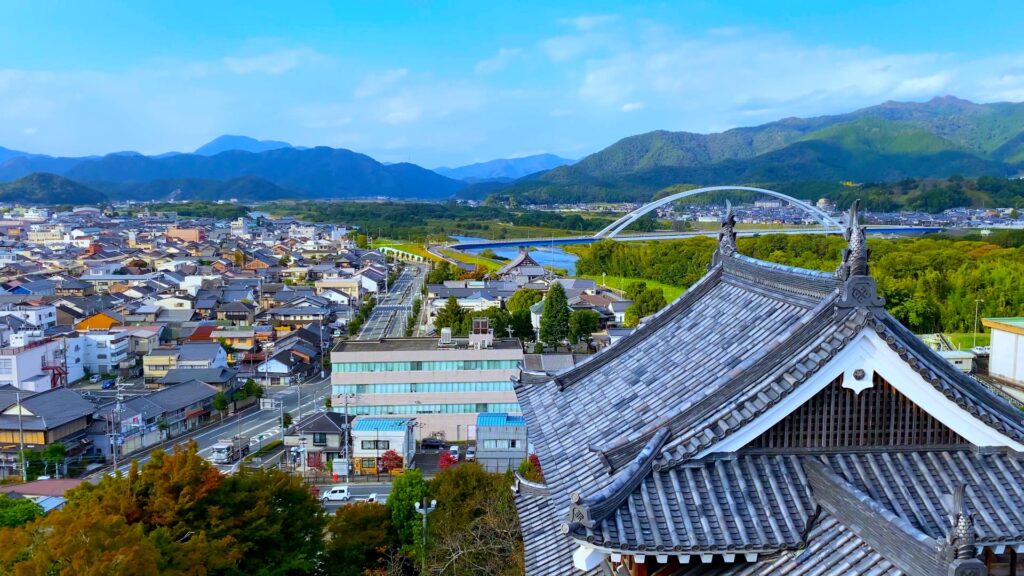
Fukuchiyama Castle has also been selected as one of the Continued 100 Fine Castles of Japan, a powerful sight to see with its precious original stone walls and castle tower. In spring, the castle sees cherry blossoms, and fall colors light it up in autumn. If you climb up the castle tower, you’ll also find a wide-open panoramic view of the Fukuchiyama townscape and the nearby mountains. This is a great spot to visit in the Kyoto outskirts for a trip through history, as if you’d slipped back to the Sengoku period.
Fukuchiyama Castle
Before Fukuchiyama Castle, there was Yokoyama Castle, a fortress of the Yokoyama, the local ruling family. Akechi Mitsuhide, the samurai who subjugated Tamba, rebuilt the fortress using state-of-the-a …
Journey Through History and Culture, and Discovery the Kyoto That’s Right for You
The appeal of the areas surrounding Kyoto doesn’t end with its World Heritage sites and ancient shrines. These areas are packed with diverse attractions, from the culture of the Heian imperial court and flower-adorned temples to tranquil bamboo groves and famous castles from the Sengoku period. Why not plan a historical excursion that suits your interests, and discover something a little different from central Kyoto City?
Heian Court Culture Itinerary: Experience the Elegance of the Ancient Capital
Top left photo courtesy of: Byodo-in Temple
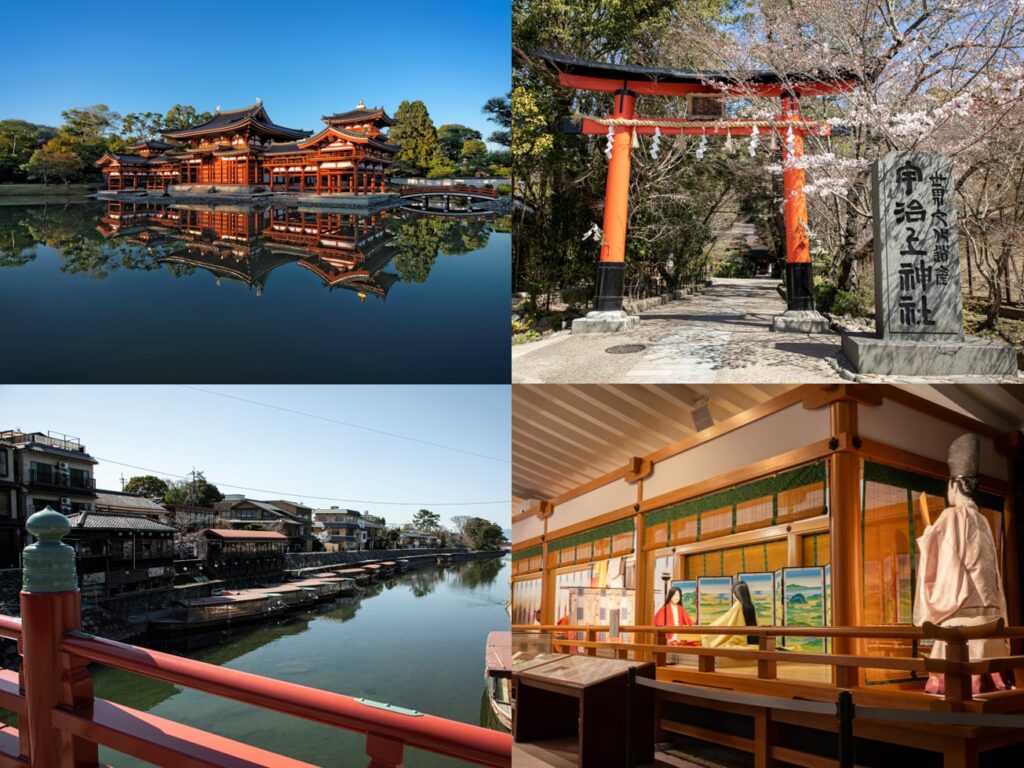
This route allows you to explore the cultural heritage sites passed down since the Heian period (794-1185), and the atmosphere of elegance born from a thousand years of history. In addition to the World Heritage site Byodo-in Temple, take a leisurely stroll along the Uji River, visit Ujikami Shrine與The Tale of Genji Museum, and fully enjoy the history of Tea Country Kyoto and its matcha culture.
Recommended Route:
Depart from Kyoto City → 1. Byodo-in Temple → 2. Stroll along the Uji River → Enjoy Uji matcha and local cuisine → 3. Ujikami Shrine → 4. The Tale of Genji Museum
A Driving Itinerary for Flowers & Ancient Temples: Enjoy the Colors of the Seasons
If you like seeing seasonal flowers, we recommend a car trip through the ancient temples of Kyoto’s outskirts. Start at Mimuroto-ji Temple, famous for its hydrangeas, then visit famous flower-viewing spots such as Yanagidani Kannon Yokoku-ji Temple, and Yoshimine-dera Temple and finish at Mukojinja Shrine. You can find beautiful natural scenery in Kyoto all throughout the year.
Shrines & Bamboo Forest Rejuvenation Itinerary: Surrounded by Tranquil Silence
If you’re looking for tranquility and peace in Kyoto’s outskirts, the Kyoto Otokuni Bamboo Grove area is your best bet. After visiting the historic Oharano and Mukojinja Shrines, take a stroll along the “Take-no-michi” (Muko Bamboo Path), with its beautiful green extending as far as the eye can see, and through the nearby bamboo forests. This is a great route for experiencing a uniquely Kyoto ambiance that brings together nature and a thousand years of faith.
Recommended Route:
1. Oharano Shrine → 2. Mukojinja Shrine → 3. Muko Bamboo Path → Explore the Otokuni Bamboo Grove area
Really Off-the-Beaten-Track Itinerary: Castles, Ancient Shrines & Legends of Oni
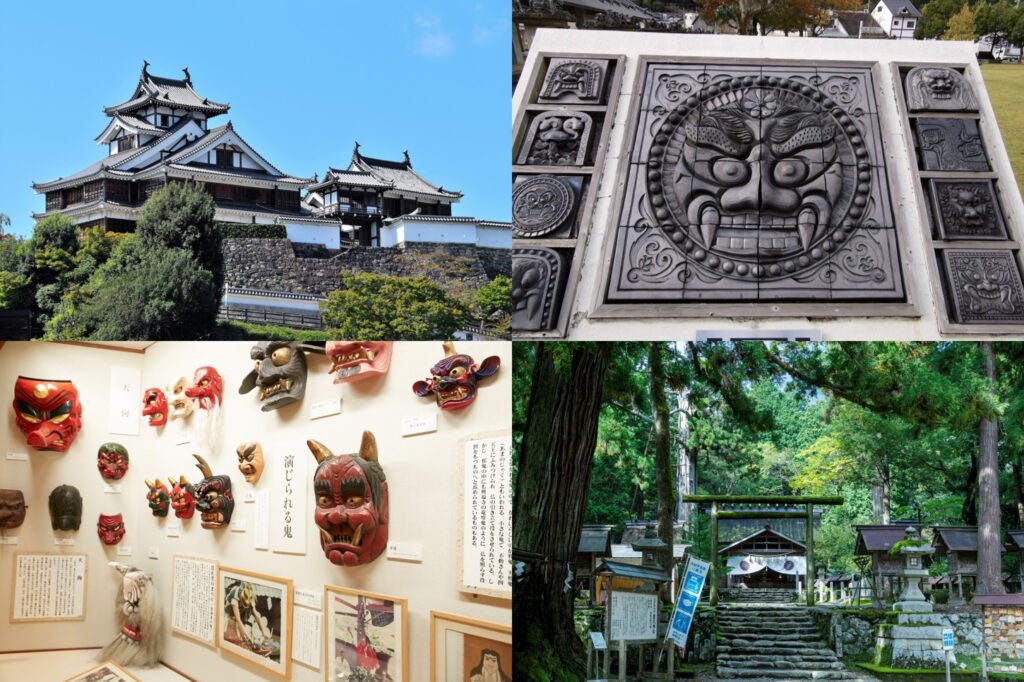
Venture beyond the everyday, and step deeper into Kyoto. Explore lesser-known places like Fukuchiyama Castle and its castle town, which are connected to famous warlord Akechi Mitsuhide; ancient shrines where mythology remains alive; and the legends of Oni (the demons or ogres of Japanese folklore) associated with Mount Oe. This special route is full of hidden gems: dynamic and mysterious sights that stray from the typical image of Kyoto.
Frequently Asked Questions About Historical Spots on Kyoto’s Outskirts
Q1: What historical sites should I visit in Kyoto, aside from Kiyomizu-dera Temple?
If you want to get a deeper understanding of Kyoto’s history and culture, you should really check out its surrounding areas. They’re home to a wide variety of different sites, from the World Heritage Site Byodo-in Temple, to Ikimi Tenmangu Shrine, Japan’s oldest Tenmangu shrine; Mimuroto-ji Temple with its beautiful flower displays throughout the seasons, the historic Mukojinja Shrine, and Fukuchiyama Castle, which ranks among the Continued 100 Fine Castles of Japan.
Q2: Are the areas around Kyoto good for day trips?
They’re perfect for day trips! You can put together one-day routes according to your interests, like the “culture of the ancient capital,” “flowers and ancient temples,” “shrines and bamboo groves,” “Sengoku period historical sites,” and so on. If you have any extra time during your trip, we also recommend including nearby restaurants and other sightseeing spots, for a more leisurely two-day one-night trip.
Q3: What’s the best season to travel in the areas near Kyoto? Are there any historical spots I can see during the cherry blossom or autumn leaf seasons?
The areas around Kyoto are wonderful to visit at all times of the year. In the spring, Spring brings magnificent cherry blossoms to sites such as Byodo-in Temple, the banks of the Uji River, Mukojinja Shrine, and the area around Fukuchiyama Castle. In early summer, see the hydrangeas that adorn Mimuroto-ji Temple, while summer itself offers the refreshing sight of green bamboo in the Otokuni Bamboo Grove region. Finally, autumn brings vibrant fall foliage that paints the ancient temples and castles in brilliant colors. No matter when you visit, you’re sure to encounter some breathtaking scenery.
The appeal of the areas surrounding Kyoto lies in more than just their precious historical heritage: the stories woven over a thousand years still live on here within the local towns and natural landscapes. From World Heritage Sites that date back to the Heian imperial court, to temples colored by the changing seasons, tranquil shrines in bamboo groves, and castles where the drama of the Sengoku era slumbers – on your next trip to Kyoto, why not venture just a little further afield into the history, and uncover all the discoveries that await?