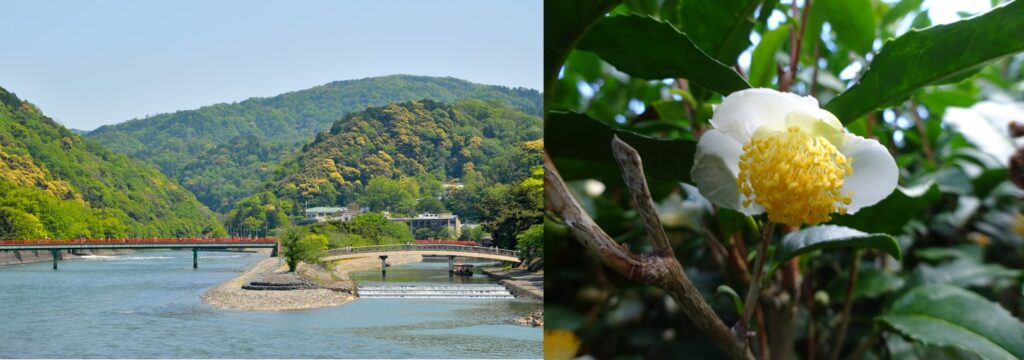
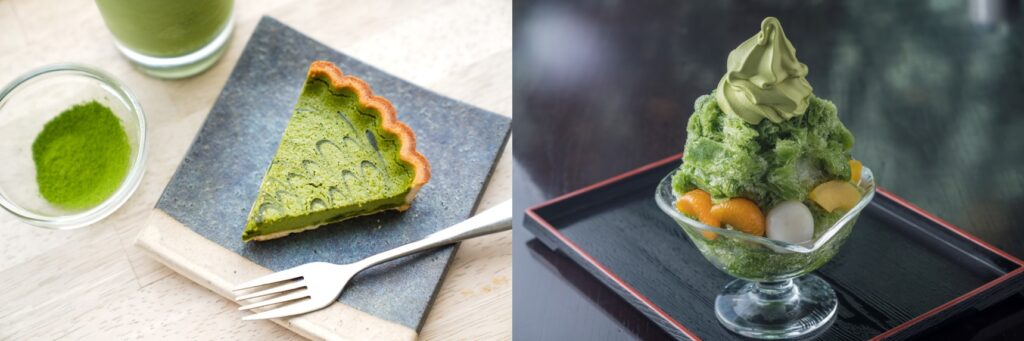
For centuries, tea has been a beloved beverage in Japan, and now it is enjoyed globally, particularly among those who value health and anti-aging. While tea is cultivated in various regions across Japan, the southern part of Kyoto Prefecture, known as Kyoto Tea Country, boasts a rich history and reputation for the prestigious Uji tea, renowned as one of the highest quality teas in Japan.
For travelers, the Kyoto Tea Country region offers the opportunity to take in picturesque tea plantations, taste delicious teas grown reflecting the local terroir, and savor authentic tea-based meals, sweets, and drinks. Join us as we look at what makes Uji tea a top-notch drop and unravel some of the history and culture of Uji tea along the way.
Japanese green tea, black tea, and oolong tea are all derived from the leaves of the tea plant, Camellia sinensis. This plant is said to be native to China, and its leaves are believed to have been consumed as medicine more than 5,000 years ago. The difference among types of tea lies in the processing methods. Different levels of oxidative fermentation result in different teas.
Green tea is made from leaves that are heated immediately after being picked. This stops the oxidative fermentation, resulting in a tea with a refreshing, leafy aroma. On the other hand, black tea comes from oxidized leaves. The oxidative fermentation process creates the strong aroma and flavor characteristic of black tea. Oolong tea is made by stopping the oxidative fermentation process midway, falling somewhere between green tea and black tea.
・The Home of Japanese Tea
The Kyoto Tea Country region has approximately 800-years of tea cultivation history. With Kyoto serving as the political and cultural center of Japan, the quality of the tea was continuously refined. The sophisticated tea gained high acclaim and special treatment from those in power, including emperors and shogun (military rulers in Japanese history). Furthermore, this place is the “motherland” of Japanese tea as the birthplace of matcha (world-known powdered green tea), sencha (one of the most common types of Japanese tea), and gyokuro (luxury tea to brew, not to whisk like matcha).
Uji tea is a green tea produced in Kyoto Prefecture and three of the adjacent prefectures (Nara, Shiga, and Mie). It is processed in Kyoto by Kyoto’s tea producers, using the traditional methods originating in the Uji region. This tea is highly regarded for its refreshing aroma, rich flavor with a delicate sweetness and umami (delicious savory taste), beautiful color, and more. In addition to the region’s geographical and climatic advantages, the traditional tea blending technique known as gogumi further enhances the excellent quality. This technique, practiced by highly skilled blenders, takes advantage of the unique characteristics of each tea leaf. Taking all of this into consideration, it’s no surprise that the iconic tea ceremony blossomed in Kyoto.
・Climate and Geography
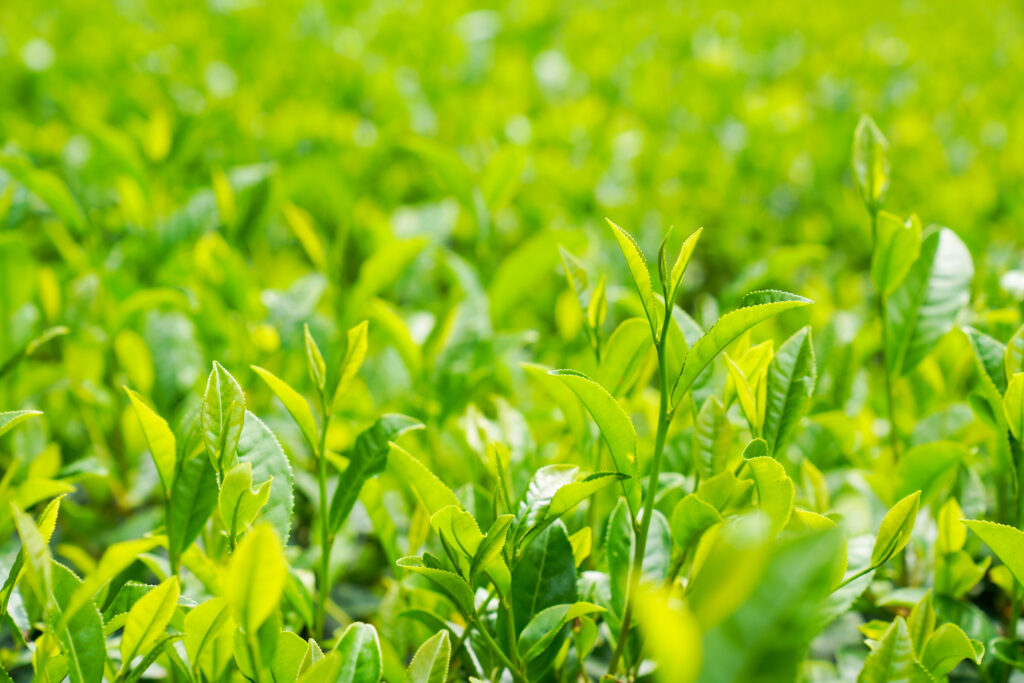
Kyoto Tea Country is blessed with rivers like the Uji River and Kizu River, a relatively warm climate, and ample rainfall. Furthermore, there are many mountains and a significant temperature difference between day and night that leads to morning fog. The fog is said to act as a natural sunshade, delay the hardening of new tea buds, protect them from frost, and contribute to their superior aroma and umami. Additionally, the soil in this region is fertile and well-drained, making it the ideal environment for cultivating delicious tea.
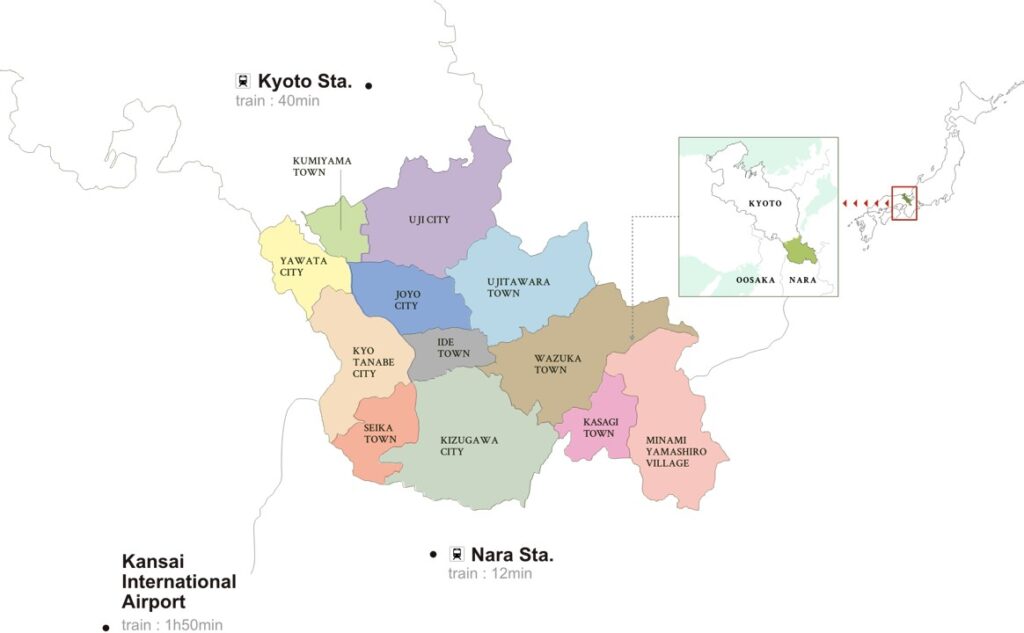
Map of “Kyoto Tea Country”
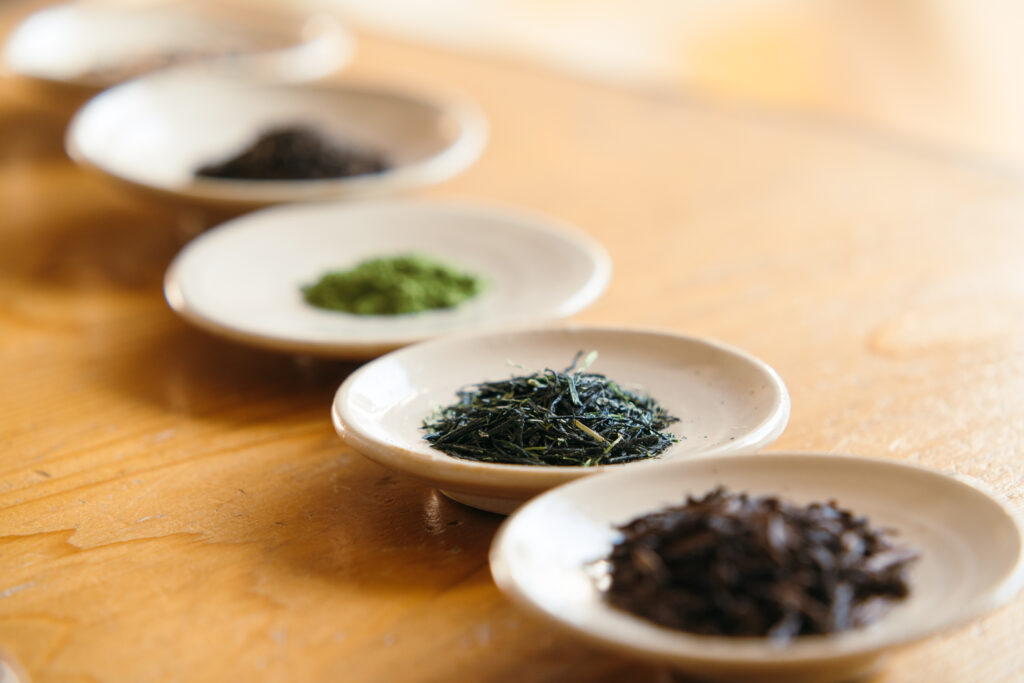
Examples of Uji Tea
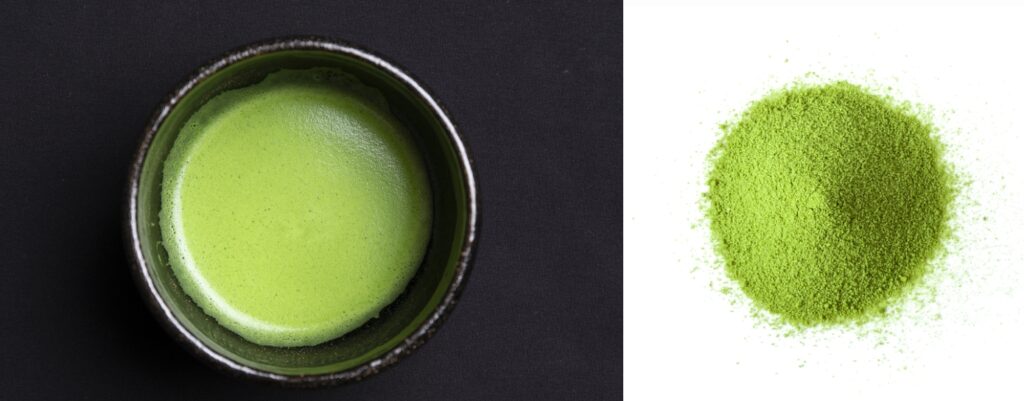
Matcha:
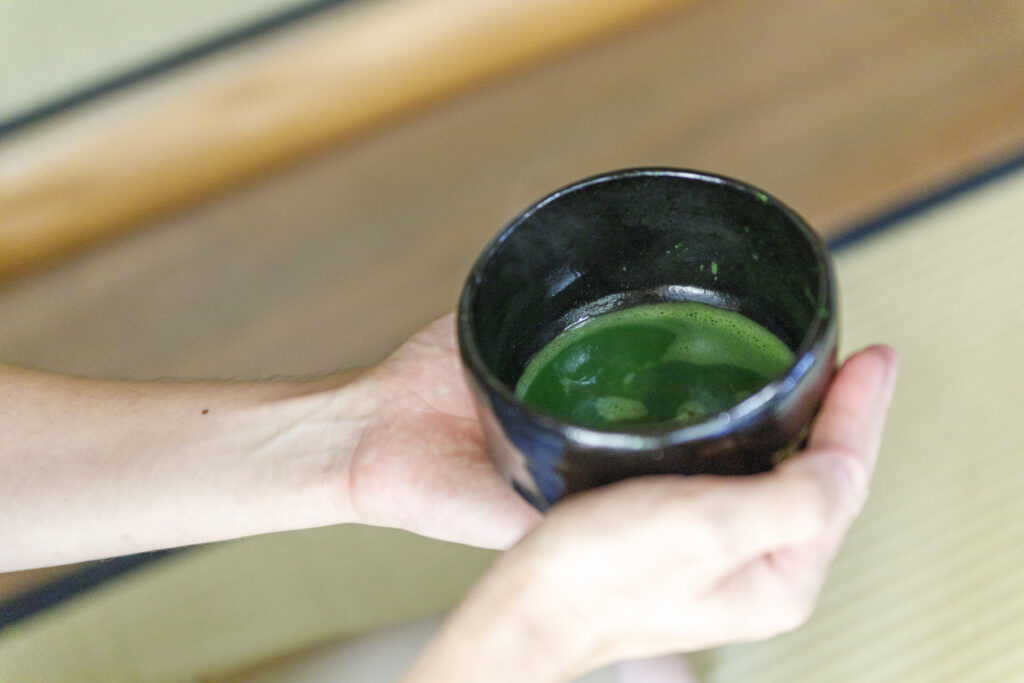
Powdered green tea that is a key component of Japanese tea ceremonies. It’s made of tea buds and young leaves that are grown in shade. The buds and leaves are steamed, dried, stone-ground into fine powder, and then whisked with hot water. Uji matcha is one of the most typical examples of Uji tea, and renowned for its supreme quality. It has a beautiful color, mild taste with umami and little astringency, and rich aroma. It has consistently occupied the high places in the tea industry competitions.
Gyokuro:
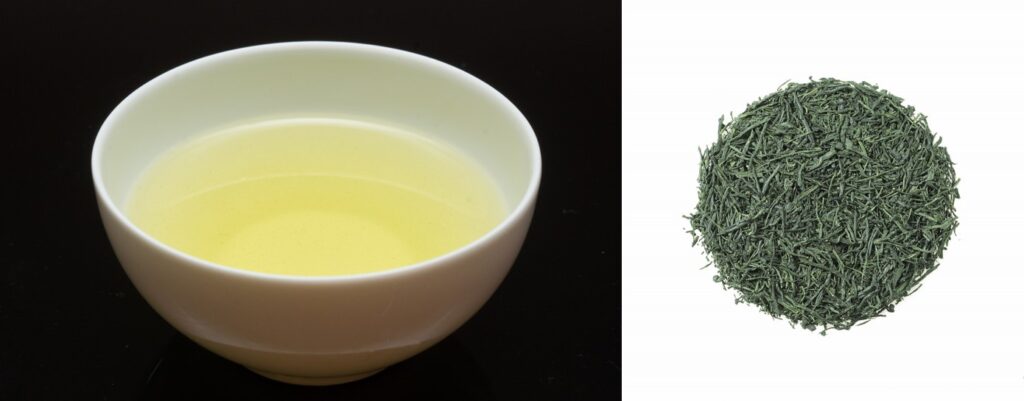
One of the highest grades of Japanese green tea, sometimes called the “king of teas” in Japan. To increase umami and reduce astringency, it’s made of tea buds and young leaves that are grown in shade. Unlike matcha, the buds and leaves are kneaded as they’re dried, after being steamed. Also, they are brewed, not ground into powder and whisked. Gyokuro offers not only umami, but also a delicate sweetness, a mellow aroma, and a clear green color. Kyotanabe City is renowned for its refined gyokuro that has repeatedly won first place in competitions.
Sencha:
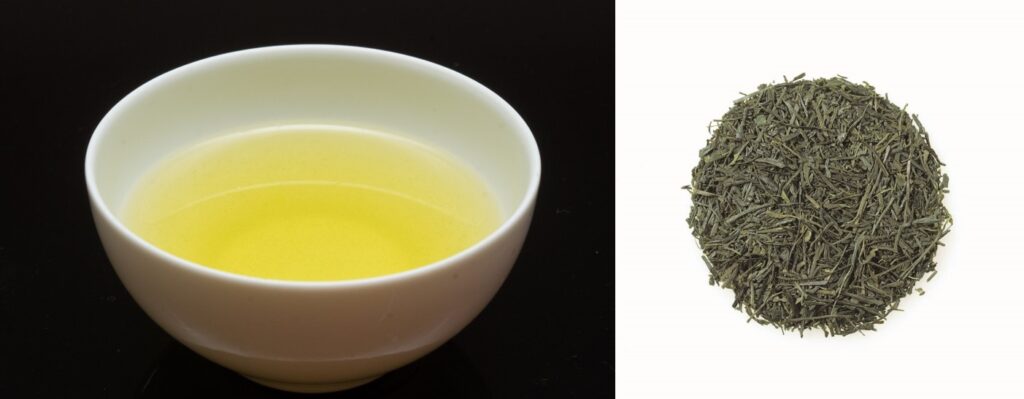
One of the most common types of Japanese green tea. It’s made of tea buds and young leaves that are grown under the sun. The buds and leaves are steamed, and kneaded as they’re dried. Sencha offers a refreshing aroma and taste, balanced by a subtle, pleasant astringency.
Hojicha:
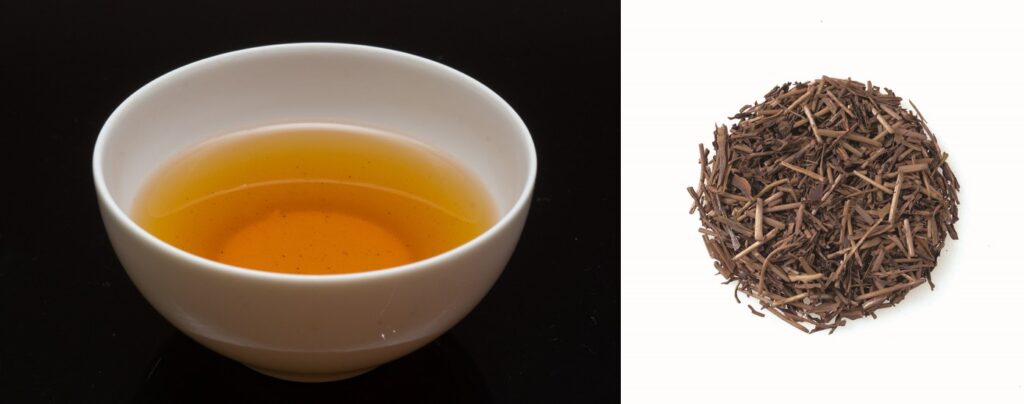
A brown-colored tea (that falls under the category of “green tea”) made by roasting tea leaves, such as sencha, over high heat. This process gives it a distinctive roasted aroma. It contains less caffeine than matcha or gyokuro.
History of Uji Tea
Now that we have a basic understanding of Uji tea, let’s dig a little deeper and explore its rich history.
1. The Beginning of Uji Tea (13th-14th Centuries)
The cultivation of Uji tea is said to have started at the beginning of the 13th century. Eisai, a Buddhist monk who had studied in China, brought back tea seeds and cultivation methods to Japan. (He is also known for introducing the Rinzai school of Zen Buddhism to Japan.) He shared the seeds with Myoe (a Buddist monk who later re-established Kyoto’s temple under the name Kosanji). Myoe began cultivating them in Toganoo, and then planted them in Uji as well.
Eisai wrote a book about the medicinal benefits of tea, such as invigorating the body, aiding digestion, relieving hangovers, and prolonging life, and he also wrote more about tea in this book, such as methods for cultivating and processing tea. The tea of that time was a drink similar to today’s matcha. It was widely used among Buddhist monks to stay awake and focused on meditation.
During the mid-14th century, the custom of tea drinking became widespread, and Uji tea was recognized as a premium gift.
In Uji, the tea cultivation spread quickly, thanks to the region’s advantageous natural conditions, including its soil and terrain.
2. The Solidification of Uji Tea’s Reputation (15th-16th Centuries)
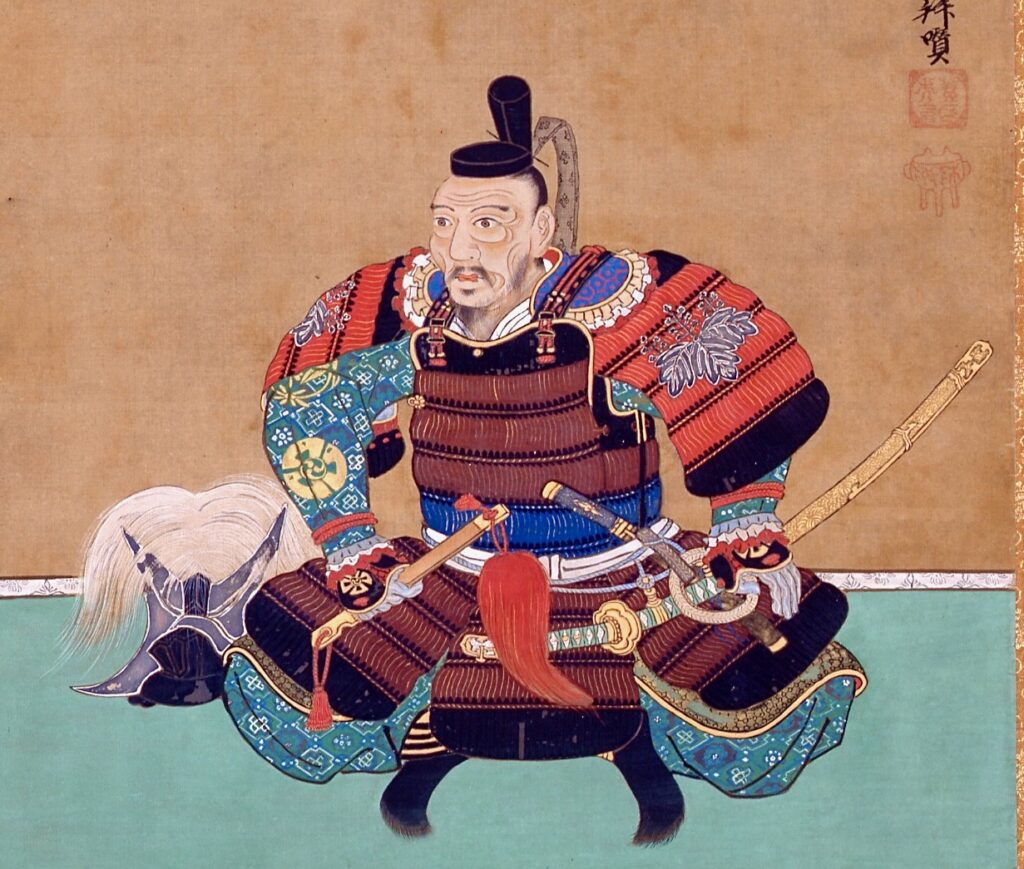
The great daimyo (Japanese feudal lord) Toyotomi Hideyoshi loved tea ceremonies and Uji tea. Picture courtesy of Hideyoshi & Kiyomasa Memorial Museum
In the 15th century, Uji tea won the favor of the ruling Ashikaga shogunate and became known as the tea treasured by the shogun, establishing its position as the best tea in Japan. By order of the shogunate, seven special tea plantations were established in Uji. One of them, the Okunoyama Tea Garden, has continued to produce tea to this day.
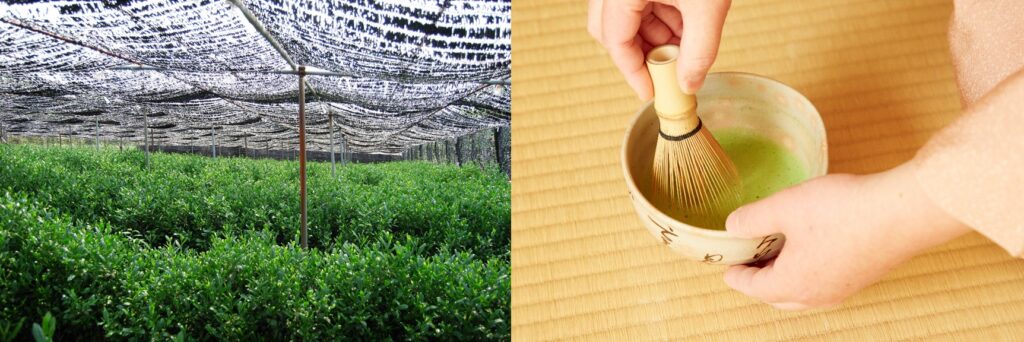
The 16th century saw the emergence of an innovative method for producing higher-quality tea leaves to meet the needs of tea masters like Sen no Rikyu. This technique, called Ōishita Saibai, limits the amount of sunlight that reaches the tea plants. Tea plants are covered for a predetermined number of days before harvest, during the growth of the buds. This suppresses the chemical process that converts theanine, a component of umami, into catechin, a component of astringency. This brought the matcha of Uji a well-rounded umami, a delicate sweetness, and a richer color and aroma.
It was around this time that the Japanese tea ceremony developed. The act of drinking tea was elevated into the cultural practice that fused Zen spiritual discipline with the unique Japanese aesthetic and spirituality. A bowl of tea became a medium for the host and guest to share time and deepen their bonds. In the turbulent times of the Warring States Period in Japan, drinking tea spread among samurai warriors seeking solace and inner peace. While enjoying the tea ceremony had already been a status symbol for them, during the time of constant domestic conflicts and upheaval, it also served as an escape from the ferocity of the battles. Kyoto, as the center of politics and culture at that time, often saw large-scale tea ceremonies that partly served as a show of power.
Left: Ōishita Saibai method still plays an important role in Uji tea today. Right: In a tea ceremony, the host prepares tea with utmost care for the guests.
3. The Evolution of Uji Tea (17th-19th Centuries)
In the Edo Period, from the early 17th century lasting for approximately 260 years under the Tokugawa shogunate, commerce thrived under political stability. Uji tea retained its favored status even after the center of government was shifted from Kyoto to Edo (present Tokyo). The grand annual procession called Ochatsubo Dochu (journey of tea leaf jar), a symbol of the shogunate’s authority, delivered Uji tea to Edo.
The 17th century saw a new development in tea making. Ingen Ryuki (Yinyuan Longqi), a Chinese Zen Buddhist priest, introduced the concept of sencha to Japan, where tea leaves are brewed rather than powdered and whisked like matcha. In the 18th century, Nagatani Soen devised Aosei Sencha Seiho, an innovative method of hand-kneading steamed tea buds and leaves during the drying process. Yielding a tea with a vibrant color, a pleasant aroma, and a delicious taste, Aosei Sencha Seiho laid the foundation for the processing method of today’s sencha.
In the early 19th century, gyokuro (also known as “jade dew”), a premium green tea, was born in Uji, through the fusion of two methods, Ōishita Saibai and Aosei Sencha Seiho. Sandy soil is suitable for cultivating gyokuro, and excellent plantations expanded from areas around Kizu River.
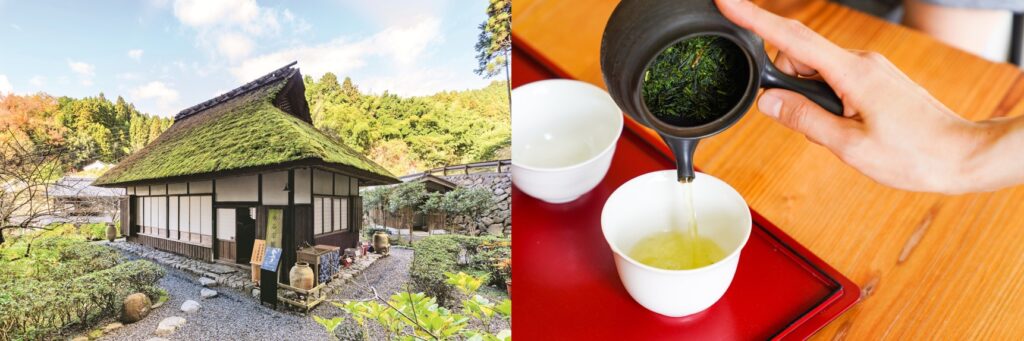
Left: The birthplace of Nagatani Soen, where you can see the spot where he used a hoiro (a heater to dry things such as tea leaves and food in processing) to make tea.
Birthplace of Nagatani Souen
This is the birthplace of Nagatani Souen, rebuilt in 1960. He developed and popularized the Aosei Sencha Seihou method in 1738, which laid the foundation for the processing method of some of today’s J …
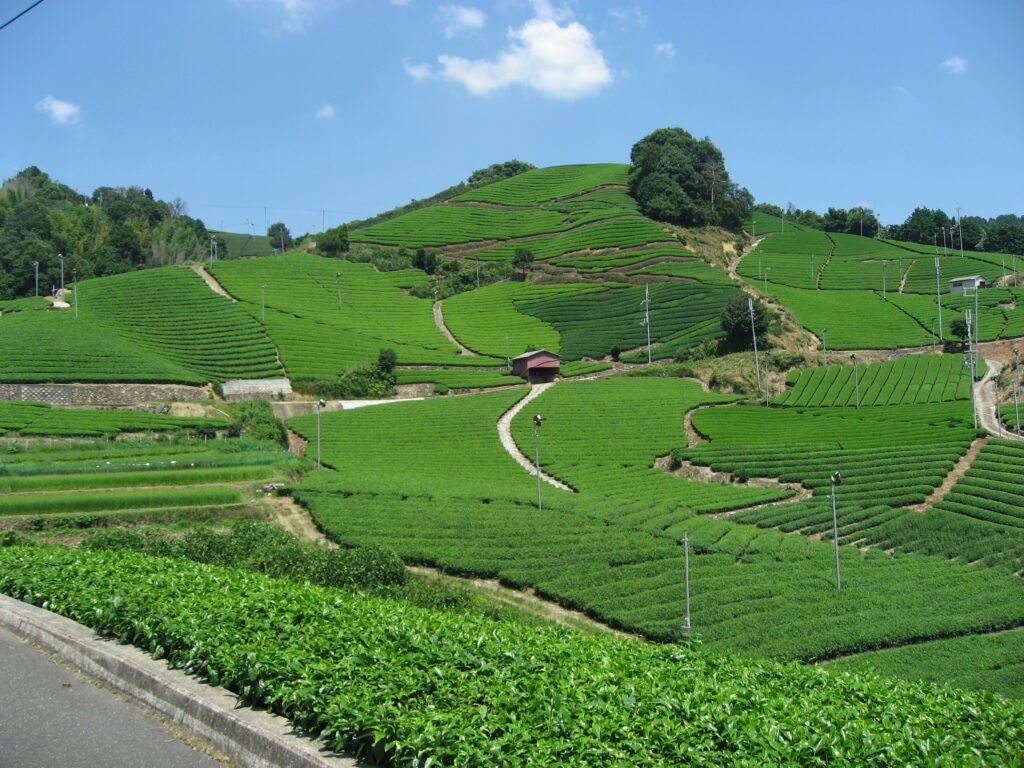
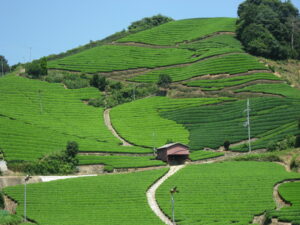
In the late 19th century, as the modernization of Japan progressed, the global demand for green tea surged, leading to rapid expansion of the Japanese tea industry. In the 20th century, south of Uji, the tea plantations were expanded from the slopes of the mountains to the mountaintops, creating distinctive landscapes of beautiful green carpets stretching towards the sky.
Today, Japanese teas, especially matcha, are riding a global wave of popularity, being incorporated into a variety of products from sweets to energy drinks. Research findings on green tea, including its antibacterial, antiviral, and relaxing benefits, are leading us to recognize matcha’s potential as a superfood.
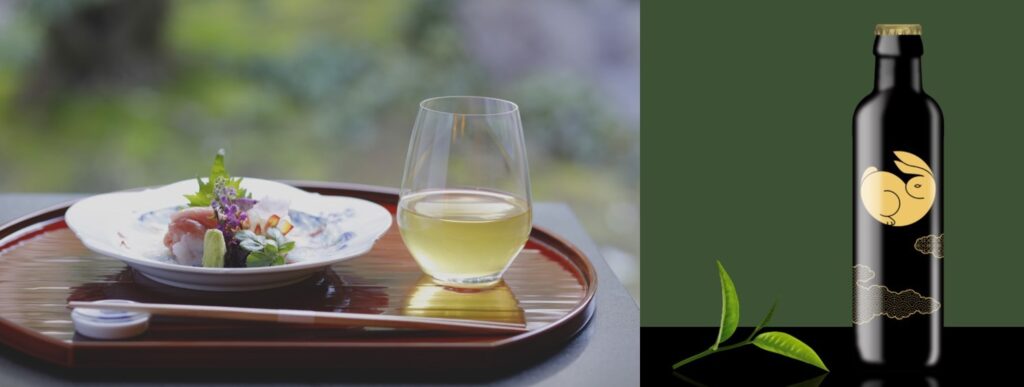
There are so many options to enjoy matcha and other Japanese teas, such as organic ones, tea-infused beers, and food pairings. Find your favorite way to enjoy tea in the Kyoto Tea Country region, which is located just south of Kyoto City. You can also immerse yourself in centuries of history while feeling relaxed and refreshed by the serene beauty of a tea plantation and the rich aroma of tea. From the traditional wonders of tea to exciting modern delights, unforgettable tea experiences await you.
Wazuka Town gradually warms up from west to east in spring. In Ishitera and nearby places, located in the western part of Wazuka, tea picking begins no later than late April. Therefore, the tea planta …
If you want to learn about Uji tea and the history and culture of Uji, this is the perfect place to start.
With the rich history of Uji, the park is located among several historical sites, including …
Uji City, just about a 20-minute train ride from Kyoto Station on the JR Nara Line, is the perfect destination for those who want to experience a tea ceremony or try meals, sweets and drinks using Uji tea. From Uji, you can take a bus or taxi to Ujitawara Town where you can admire expansive tea plantations. Wazuka Town is accessible by bus or taxi from JR Kamo Station (in Kizugawa City). Depending on the tea plantations and seasons, English tours might be available, or intern staff from overseas might be working there. In addition, along the Kizu River, there are areas where tea plantations spread out, and around the Nagarebashi (Kouzuyabashi) bridge, which connects Yawata City and Kumiyama Town, you can view the scenic harmony of the wooden bridge and the tea plantations. The Kyoto Tea Country region has many other wonderful places.
You can enjoy the scenery of tea plantations all year round as tea plants are evergreen. The first tea harvest of the year often takes place around early May. Especially in this season, you can easily find great opportunities to experience tea picking. (Before the harvest, some tea plantations are covered.) From this timing, you can enjoy the freshly picked tea with a refreshing aroma throughout the region.
(Please note that the tea plantations are private property. Please do not enter without permission.)