
Inspiration

Kyoto’s Bamboo Forests: There’s More to Bamboo in Kyoto than Arashiyama

2024.07.23

Man admiring bamboo trees on a dirt trail
Kyoto Tea Country Kyoto Otokuni Bamboo Grove

Keihanna Commemorative Park
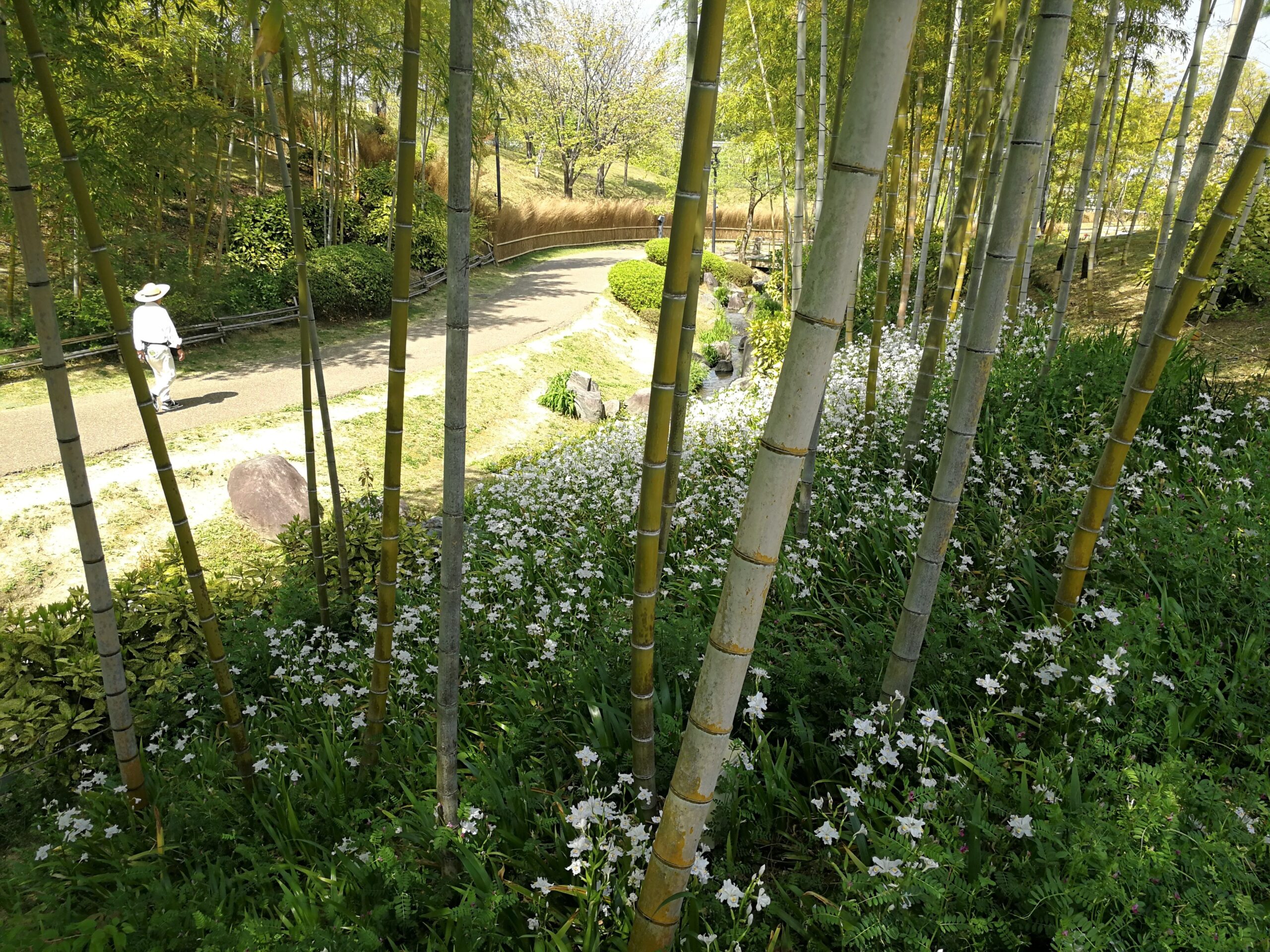
Keihanna Commemorative Park is a vast park in Keihanna Science City, spanning 24.1 hectares. The park has free and paid areas, each offering unique attractions for visitors of all ages. The free area includes Hiroba (Open Space), which has a large, stepped lawn area resembling a tanada (rice terrace), where families can relax and children can run and play freely. There is also a free playground for kids. In the Taniai (Valley) area, you can view a typical Japanese landscape with a serene small stream, lush Bamboo Grove, and pretty Plum Garden. It’s a perfect place for a leisurely walk while enjoying the beauty of nature. In the paid area, there is Suikei-en, a Japanese-style garden with paths that bring you to wonderful spots such as a cascading pond, Rock Cluster, and Floating Stage where you can feed Japanese carp. The seasonal flowers and fall foliage are fascinating, too. From the Kangetsukyo Bridge, you can admire the incredible panoramic views of the garden, which you shouldn’t miss out on! In addition, there are a wide variety of events, from gallery exhibitions to star-gazing nights. This park offers something for everyone.
Keihanna Commemorative Park

Keihanna Commemorative Park

The Keihanna Commemorative Park, officially called the Kyoto Prefectural Kansai Culture and Science City Commemorative Park, is 24.1 hectares in size. It was built to commemorate the establishment of …
Shokado Garden and Art Museum

Photo courtesy of Shokado Garden and Art Museum

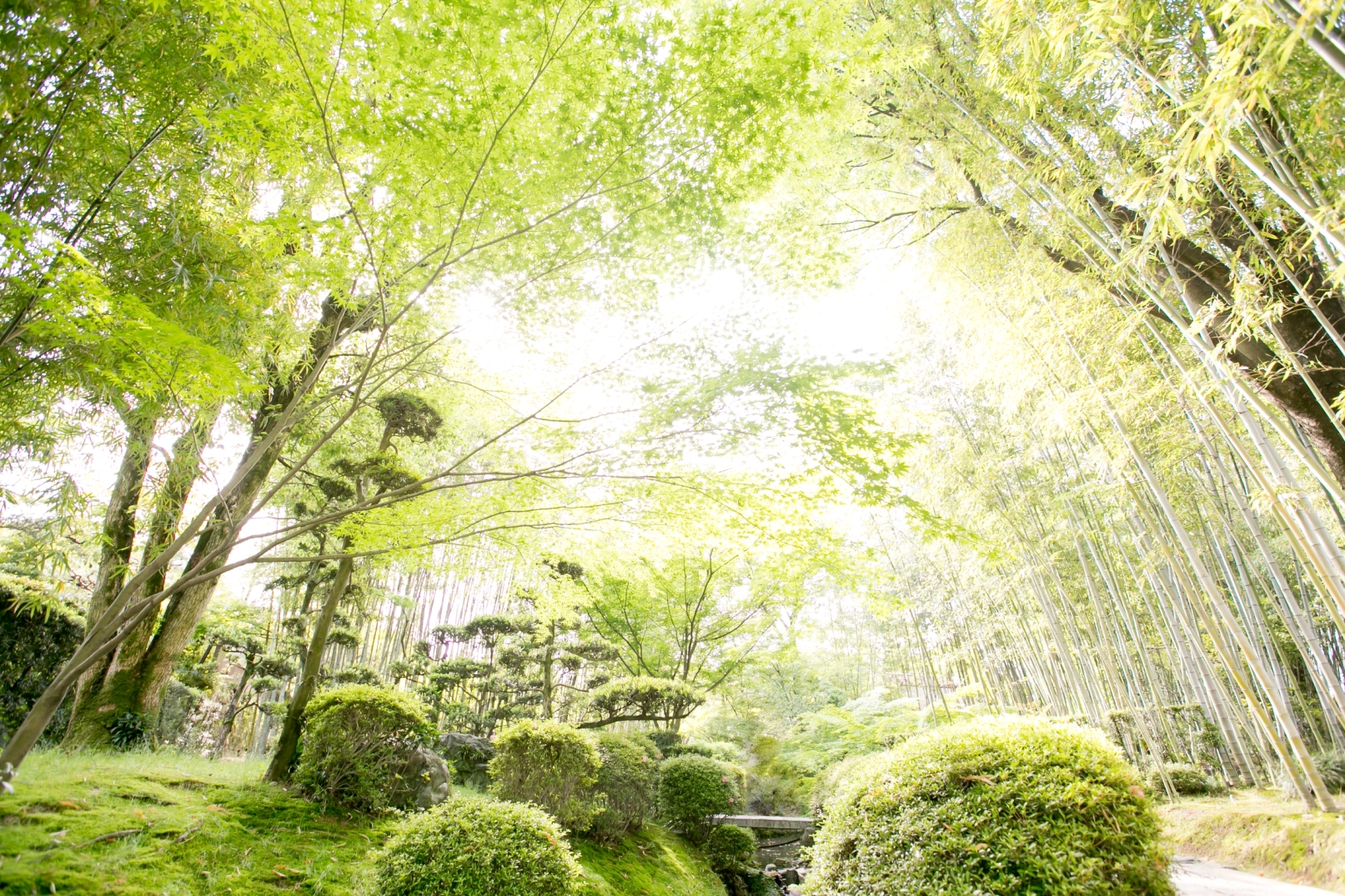
Explore the more than 20,000㎡ grounds of Shokado Garden Art Museum. Here, history and nature intertwine to create a captivating experience. The garden has the hermitage of Shokado Shojo (1584-1639), a Buddhist priest of Takimotobo, one of the small temples that comprised Iwashimizu Hachimangu at that time. (Please note that as of March 2025, the hermitage is generally not open to the public except on special opening days.) With over 40 species of bamboo, more than 300 camellia trees, and various other plants, the garden offers beautiful scenery throughout the four seasons. At the art museum, visitors can enjoy works by Shojo and other artists. There are also special exhibitions in spring and fall, as well as exhibitions focusing on the museum’s collection held about three times a year. Immerse yourself in the wonderful themed exhibitions, and experience the essence of Japanese culture and seasonal beauty.

Shokado Garden and Art Museum

Shokado Garden and Art Museum

Shokado Garden and Art Museum is associated with Shokado Shojo (1584-1639), a Buddhist priest of Takimotobo, one of the small temples that comprised Iwashimizu Hachimangu at that time. The garden spa …

Things to Know for Your Trip

What to Wear to Bamboo Forests in Kyoto?

As a general rule, light and comfortable clothing is best. A nice pair of walking shoes also doesn’t hurt, as you’ll likely be walking a lot. While most of your time will be spent under the shade of the bamboo stalks, it can still get quite hot in the summer months. Consider bringing plenty of water, light-colored, loose-fitting clothing, and perhaps a portable fan for added comfort during the warmest parts of the day.

For fall and spring, you might want a light jacket in the mornings and evenings. And for winter, make sure to bring a nice padded coat. Many visitors also like to wear kimono rentals and take pictures by the bamboo. While there’s no strict dress code, Japanese style is generally more modest.

What Time Should You Go to the Bamboo Forest?

When planning a visit to Kyoto’s bamboo groves, it is recommended to go early in the morning to avoid crowds and experience the serene beauty of the forest in peace. The best time to go is typically around sunrise. The soft morning light filtering through the bamboo groves produces a magical atmosphere.

Going early in the morning also allows you to beat the heat of the day, especially during the summer months when temperatures can soar. Overall, to make the most of your visit, aim to arrive at the site early in the morning for a tranquil and memorable experience. Just make sure to double check the operating hours before you go.

Why Visit Kyoto’s Bamboo Groves?

In conclusion, Kyoto’s diverse bamboo landscapes offer hidden treasures waiting to be explored. Each location provides a unique experience in nature and cultural heritage. Take-no-Michi has picturesque trails while Iwashimizu Hachimangu offers historic ambiance. Kyoto City Rakusai Bamboo Park is a dedicated bamboo paradise, and Keihanna Commemorative Park boasts serene natural beauty. Escape the crowds in Kyoto’s serene bamboo groves and discover hidden beauty beyond the familiar tourist spots.

Another Kyoto Partners