Inspiration

Kyoto’s Bamboo Forests: There’s More to Bamboo in Kyoto than Arashiyama

2024.07.23

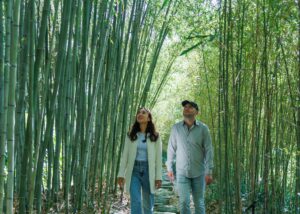
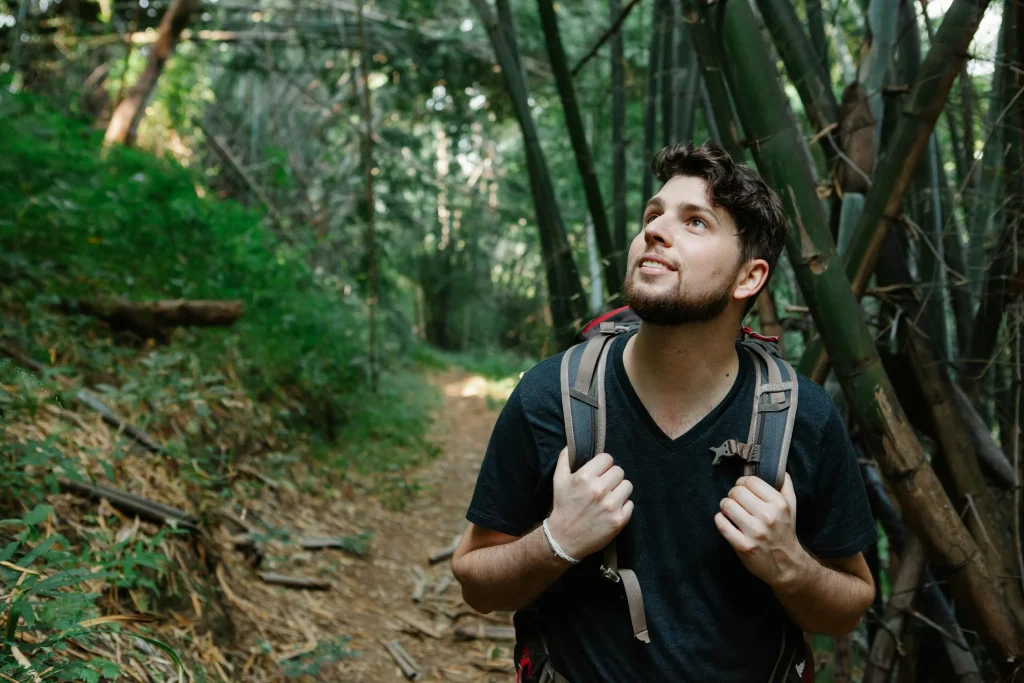
Man admiring bamboo trees on a dirt trail
Kyoto Tea Country Kyoto Otokuni Bamboo Grove

When you think of exploring bamboo forests in Kyoto, what comes to mind? Chances are, you’ve seen countless pictures of people posing in the middle of the famous Arashiyama Bamboo Grove. Arashiyama is great. But it doesn’t even begin to scratch the surface when it comes to bamboo in Kyoto. In this article, we’ve put together the best lesser-known spots to see bamboo away from the crowds.

If you travel outside the city, you’ll reach Kyoto Otokuni Bamboo Grove, an area blessed with bamboo forests. Here, you’ll discover breathtaking landscapes, narrow pathways begging for adventure, tranquil temples and shrines, and photogenic parks. So if you’re a nature lover, a photography buff, or simply in need of peace and quiet, we’ve got you covered. Ready to learn more? Let’s get started!

Take-no-Michi (The Bamboo Path)
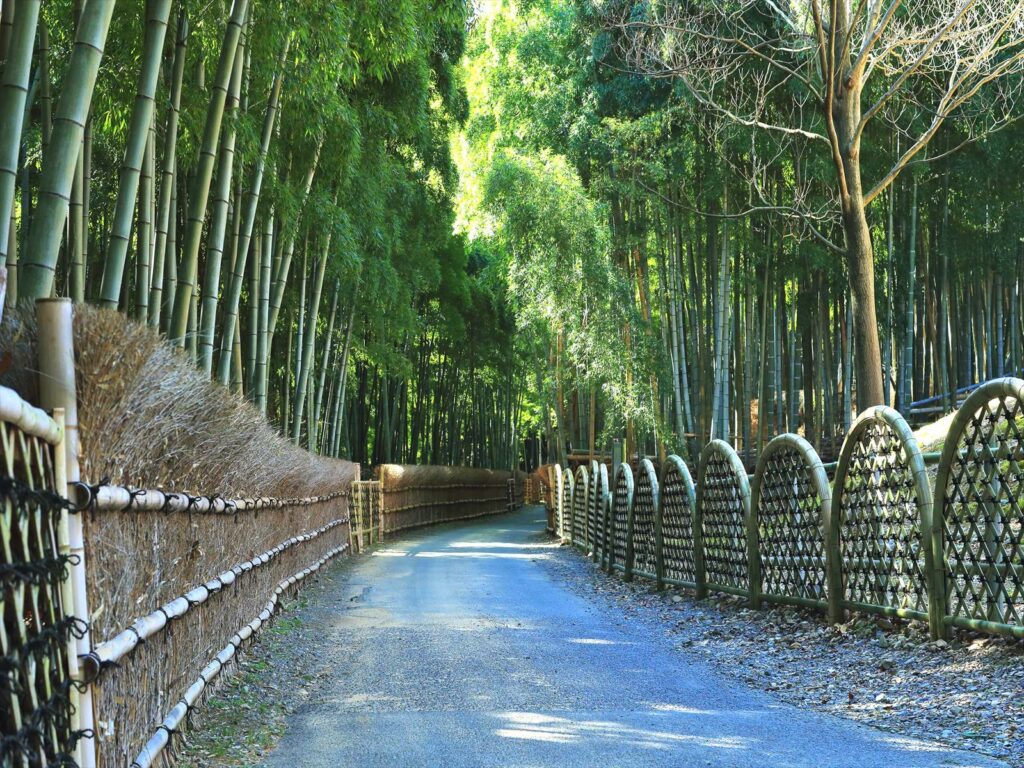
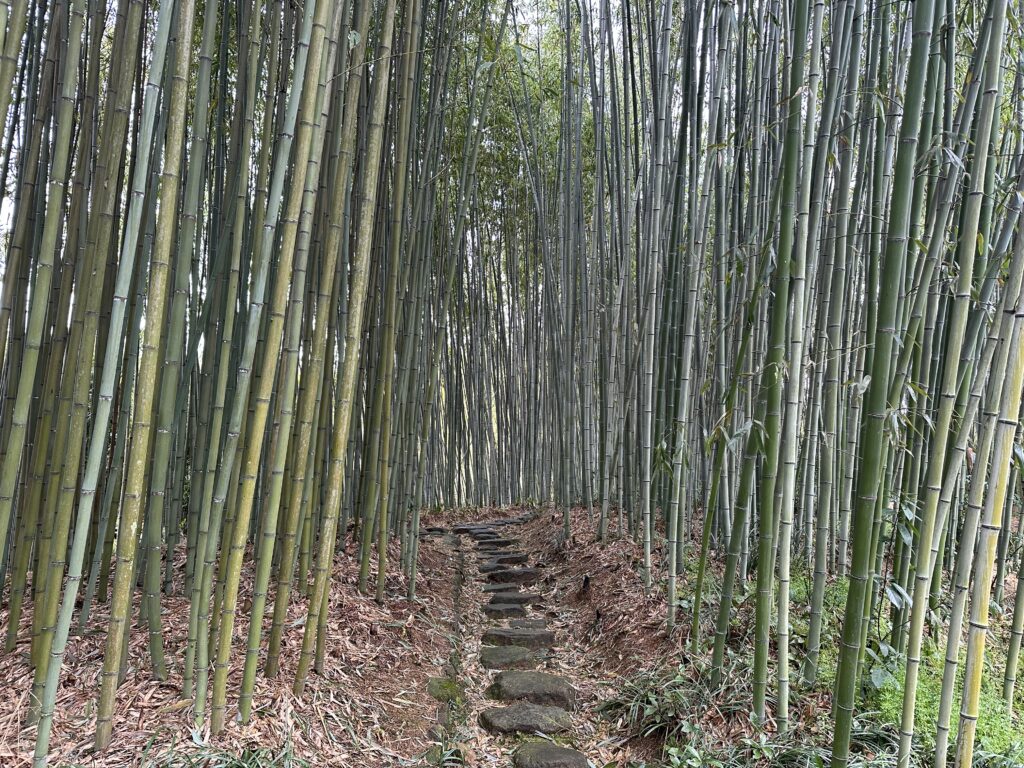
Bamboo trees lining a path bordered by a bamboo fence

Nestled in the hills of Muko City, you’ll discover Take-no-Michi, a grove of bamboo that rivals even Arashiyama. Its walking trails stretch approximately 1.8km and offer picturesque views of handmade bamboo hedges. Take-no-Michi has won several accolades, such as being recognized as one of Japan’s “500 Most Beautiful Walking Paths” and “Best 100 National Walking Paths” by the Japan Walking Association. Every autumn, the path hosts the enchanting “Kaguya’s Evening” event. There are over 4,500 bamboo lanterns that illuminate the grove during the event, creating a mesmerizing spectacle. Take-no-Michi remains a hidden gem despite its reputation. Explore its winding paths and listen to the melodies of chirping birds and swaying bamboo.
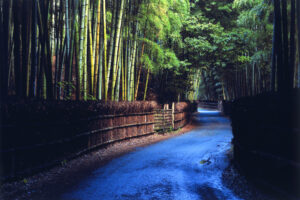
Take-no-Michi (The Muko Bamboo Path)

Take-no-Michi (The Muko Bamboo Path)

Bamboo shoots are one of Kyoto’s specialty products, but the “Otokuni” area around Muko City and Nagaokakyo City is known for producing some of the highest quality bamboo shoots in Kyoto. Take-no-Mich …
Iwashimizu Hachimangu

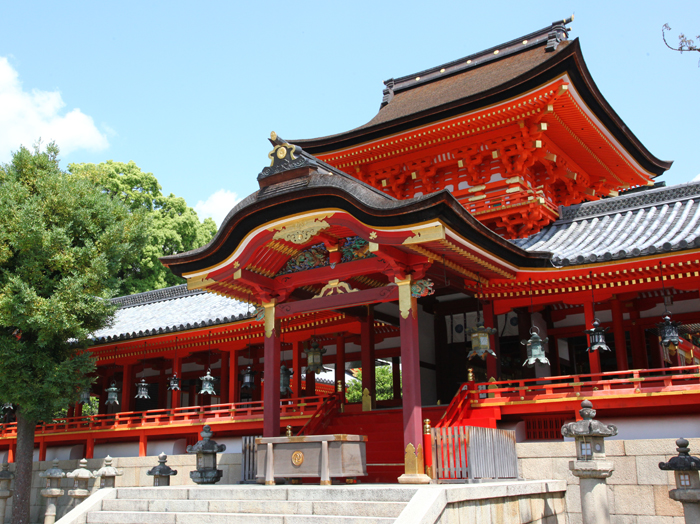
The front of Iwashimizu shrine with bamboo in the background

Iwashimizu Hachimangu Shrine, with a nearly 1,200-year history, is one of the three major Hachimangu shrines. This ancient shrine has undergone reconstruction and expansion over many years. Historical figures like Oda Nobunaga, Toyotomi Hideyoshi and Hideyori, and Tokugawa Iemitsu have greatly influenced its development. Today, it houses many National Treasures that showcase the magnificent architecture and cultural significance. As you approach the main shrine complex, towering bamboo will welcome you. The lush greenery and its tranquil atmosphere offer a retreat from the city. Exploring the expansive precincts is a wonderful experience. Capture stunning photos and share your journey with friends and family. Additionally, the shrine holds many rituals throughout the year. Some of these offer a glimpse of representative Japanese traditional culture, such as Setsubun (the day before the beginning of spring in the old calendar). You won’t want to miss this unforgettable experience in Kyoto.

Iwashimizu Hachimangu

Iwashimizu Hachimangu

Iwashimizu Hachimangu is one of the three major Hachimangu shrines. This majestic shrine, with a nearly 1,200-year history, is considered Japan’s second most important shrine after Ise Jingu (Ise Shri …

Kyoto City Rakusai Bamboo Park

A rock path surrounded by bamboo trees

Kyoto City Rakusai Bamboo Park is a unique experience. This is one of the few parks dedicated to bamboo and has a variety of attractions centered around this versatile plant. The park includes a bamboo museum, children’s plaza, and an ecological garden. One standout feature is the Rakusai Bamboo Bridge. This wooden footbridge spans a serene pond and offers scenic views of the forest. Whether you seek a place for peaceful contemplation, stunning photo opportunities, or want to reconnect with nature, this park is for you. The variety of features makes it an excellent choice for families, groups, and solo travelers.

Kyoto City Rakusai Bamboo Park

Kyoto City Rakusai Bamboo Park

This is an establishment that primarily deals with bamboo, which is rarely done even on a global level. Here, you can find a bamboo museum, a children’s plaza, and an ecological garden where various …

Keihanna Commemorative Park

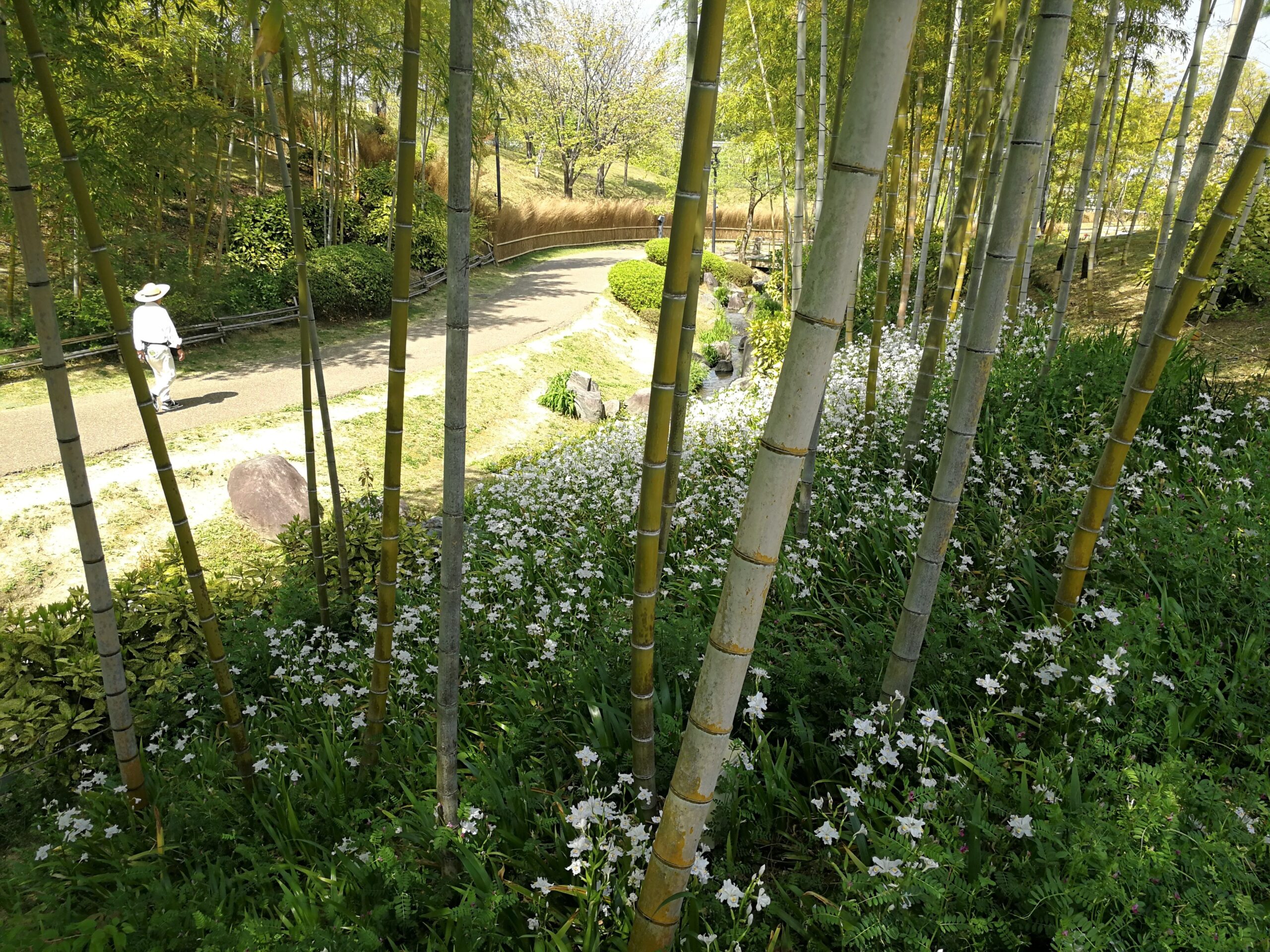
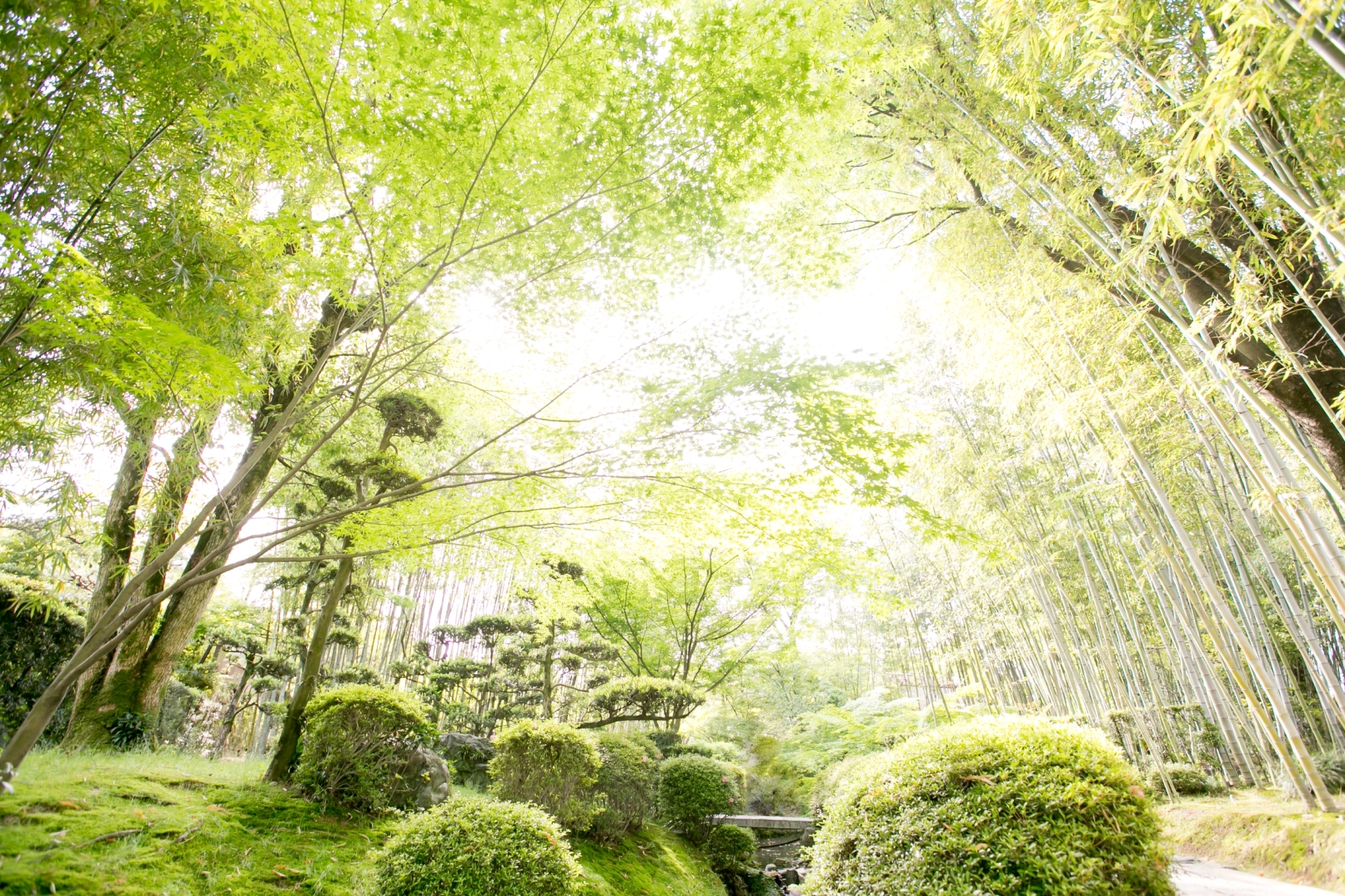
Keihanna Commemorative Park is a vast park in Keihanna Science City, spanning 24.1 hectares. The park has free and paid areas, each offering unique attractions for visitors of all ages. The free area includes Hiroba (Open Space), which has a large, stepped lawn area resembling a tanada (rice terrace), where families can relax and children can run and play freely. There is also a free playground for kids. In the Taniai (Valley) area, you can view a typical Japanese landscape with a serene small stream, lush Bamboo Grove, and pretty Plum Garden. It’s a perfect place for a leisurely walk while enjoying the beauty of nature. In the paid area, there is Suikei-en, a Japanese-style garden with paths that bring you to wonderful spots such as a cascading pond, Rock Cluster, and Floating Stage where you can feed Japanese carp. The seasonal flowers and fall foliage are fascinating, too. From the Kangetsukyo Bridge, you can admire the incredible panoramic views of the garden, which you shouldn’t miss out on! In addition, there are a wide variety of events, from gallery exhibitions to star-gazing nights. This park offers something for everyone.

Keihanna Commemorative Park

Keihanna Commemorative Park

The Keihanna Commemorative Park, officially called the Kyoto Prefectural Kansai Culture and Science City Commemorative Park, is 24.1 hectares in size. It was built to commemorate the establishment of …

Shokado Garden and Art Museum

Photo courtesy of Shokado Garden and Art Museum

Explore the more than 20,000㎡ grounds of Shokado Garden Art Museum. Here, history and nature intertwine to create a captivating experience. The garden has the hermitage of Shokado Shojo (1584-1639), a Buddhist priest of Takimotobo, one of the small temples that comprised Iwashimizu Hachimangu at that time. (Please note that as of March 2025, the hermitage is generally not open to the public except on special opening days.) With over 40 species of bamboo, more than 300 camellia trees, and various other plants, the garden offers beautiful scenery throughout the four seasons. At the art museum, visitors can enjoy works by Shojo and other artists. There are also special exhibitions in spring and fall, as well as exhibitions focusing on the museum’s collection held about three times a year. Immerse yourself in the wonderful themed exhibitions, and experience the essence of Japanese culture and seasonal beauty.

Shokado Garden and Art Museum

Shokado Garden and Art Museum

Shokado Garden and Art Museum is associated with Shokado Shojo (1584-1639), a Buddhist priest of Takimotobo, one of the small temples that comprised Iwashimizu Hachimangu at that time. The garden spa …

Things to Know for Your Trip

What to Wear to Bamboo Forests in Kyoto?

As a general rule, light and comfortable clothing is best. A nice pair of walking shoes also doesn’t hurt, as you’ll likely be walking a lot. While most of your time will be spent under the shade of the bamboo stalks, it can still get quite hot in the summer months. Consider bringing plenty of water, light-colored, loose-fitting clothing, and perhaps a portable fan for added comfort during the warmest parts of the day.

For fall and spring, you might want a light jacket in the mornings and evenings. And for winter, make sure to bring a nice padded coat. Many visitors also like to wear kimono rentals and take pictures by the bamboo. While there’s no strict dress code, Japanese style is generally more modest.

What Time Should You Go to the Bamboo Forest?

When planning a visit to Kyoto’s bamboo groves, it is recommended to go early in the morning to avoid crowds and experience the serene beauty of the forest in peace. The best time to go is typically around sunrise. The soft morning light filtering through the bamboo groves produces a magical atmosphere.

Going early in the morning also allows you to beat the heat of the day, especially during the summer months when temperatures can soar. Overall, to make the most of your visit, aim to arrive at the site early in the morning for a tranquil and memorable experience. Just make sure to double check the operating hours before you go.

Why Visit Kyoto’s Bamboo Groves?

In conclusion, Kyoto’s diverse bamboo landscapes offer hidden treasures waiting to be explored. Each location provides a unique experience in nature and cultural heritage. Take-no-Michi has picturesque trails while Iwashimizu Hachimangu offers historic ambiance. Kyoto City Rakusai Bamboo Park is a dedicated bamboo paradise, and Keihanna Commemorative Park boasts serene natural beauty. Escape the crowds in Kyoto’s serene bamboo groves and discover hidden beauty beyond the familiar tourist spots.

Another Kyoto Partners