Southern Kyoto Prefecture, especially Uji, is known for its high-quality tea. Visitors can enjoy various types of tea, such as matcha, sencha, houjicha, and gyokuro. Tea-infused sweets also attract tourists. This region offers excellent experiences of Japanese tea culture, from whisking matcha to picking tea leaves.
The Kyoto Tea Country region, including Uji, has approximately an 800-year history in the production and development of Japanese tea, giving rise to a unique Japanese tea culture.
The region is said to be the birthplace of matcha, gyokuro, and sencha green teas (*1). Visitors can enjoy flavorful tea while learning about the rich tea culture and history of this area.
The seven activities listed below are enjoyable for anyone who wants to learn about Japanese tea. In addition to savoring delicious sweets made with tea, you can uncover wonderful new experiences, such as preparing a bowl of matcha and drawing a picture on its surface, and picking tea leaves at one of Japan’s most picturesque tea plantation areas. Your fantastic journey will create unforgettable memories.
*1: Matcha and gyokuro have rich flavors and aromas, so they are considered high-quality teas. Gyokuro is a type of tea produced by growing tea plants using shades for more than twenty days. Matcha is also shade-grown, but after the leaves are harvested and steamed, they are dried without being kneaded, and ground into fine powder with a stone mill. Sencha is produced from tea plants grown in full sunlight. The fresh leaves are steamed, and kneaded to be dried. (There are several theories regarding the origins of these teas.)
1. Learn How to Grind and Prepare Matcha
For many, matcha is synonymous with Uji in Kyoto. Uji has numerous places where visitors can learn how to grind or prepare matcha green tea. Visit Uji, which is only about a 20-minute train ride from Kyoto Station on the JR Nara Line.
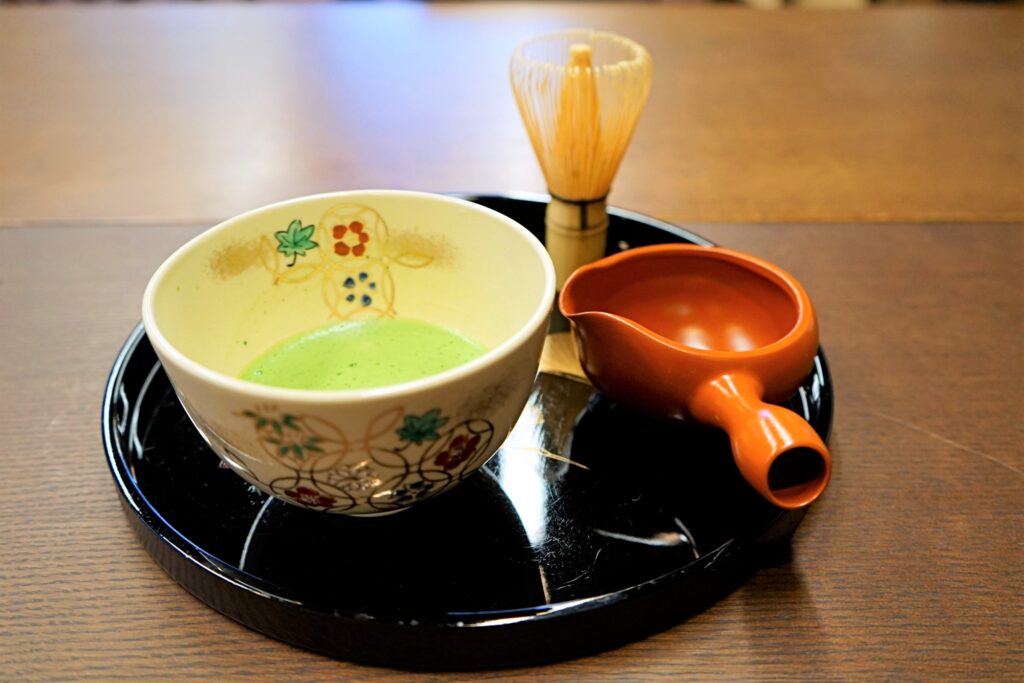
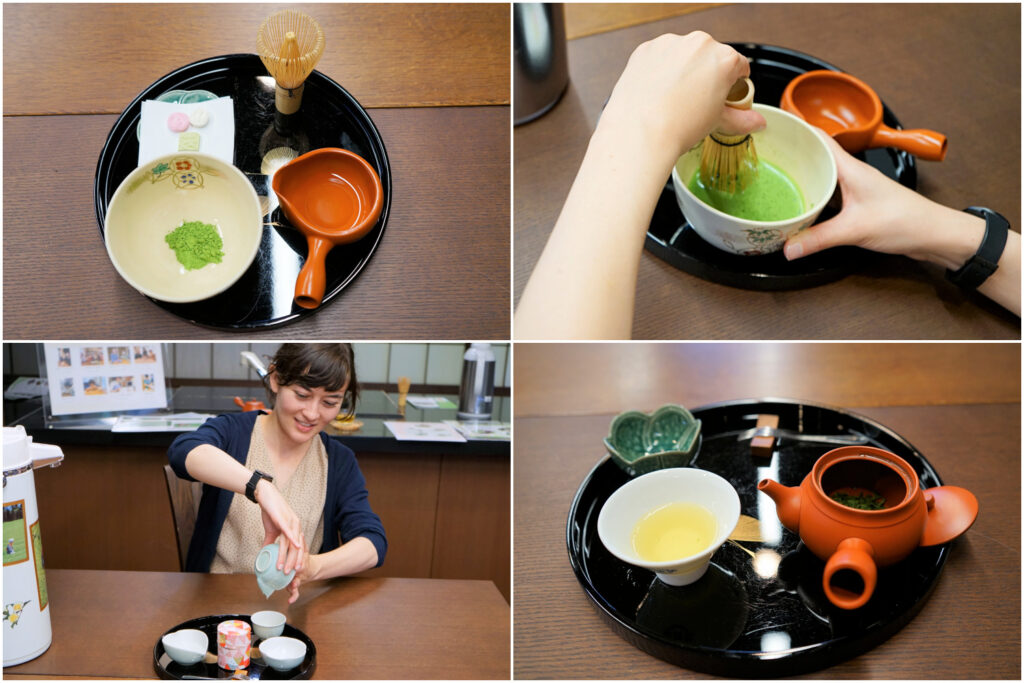
Our first recommended spot in Uji is Uji Tea Ceremony Hall “House of Takumi.”.You can learn the proper way to brew gyokuro or sencha with the guidance of an English-speaking Nihoncha (Japanese Tea) Instructor, and enjoy the tea. You can also learn how to whisk up delicious matcha in a simple way. Information on how these three types of tea differ from one another and how they are grown is available, too.
Further information can be found on their official website (Japanese).
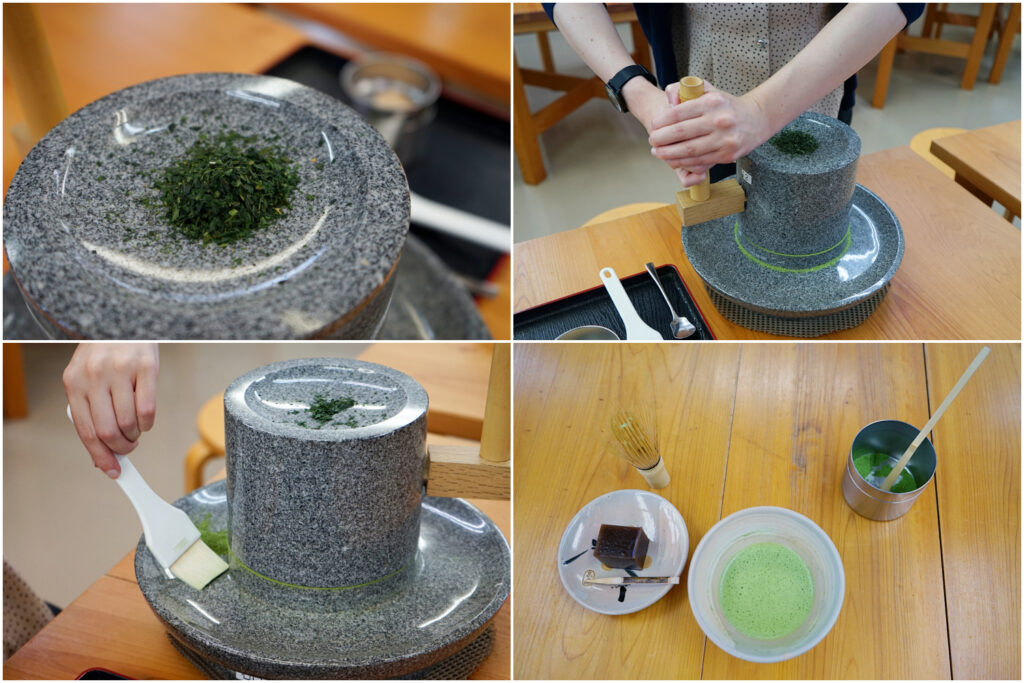
Another great place that shouldn’t be missed is the Ujicha Kobo of Fukujuen Uji Kobo. In the matcha-making activity here, you can experience the whole process, from hand-grinding tencha, a type of green tea that becomes matcha powder, using a stone mill, to whisking and savoring your own matcha. They offer many other hands-on activities.
At the cafeteria on the second floor, you can enjoy traditional matcha sweets and dishes. At the shop on the first floor, you can find great gifts for yourself and your loved ones. There’s also a separate building called Gyokuro Tei, where you can enjoy meals and sweets made with gyokuro. On the left bank of the Uji River, there is the other building of Fukujuen Uji Kobo called Ujicha Tei. They offer sweets, meals and gifts of tea, as well.
Both the House of Takumi and the facilities of the Fukujuen Uji Kobo are located within walking distances from JR and Keihan Uji Stations. Please note that advanced reservations are required for some of the workshops.
2. Harvest Tea Leaves
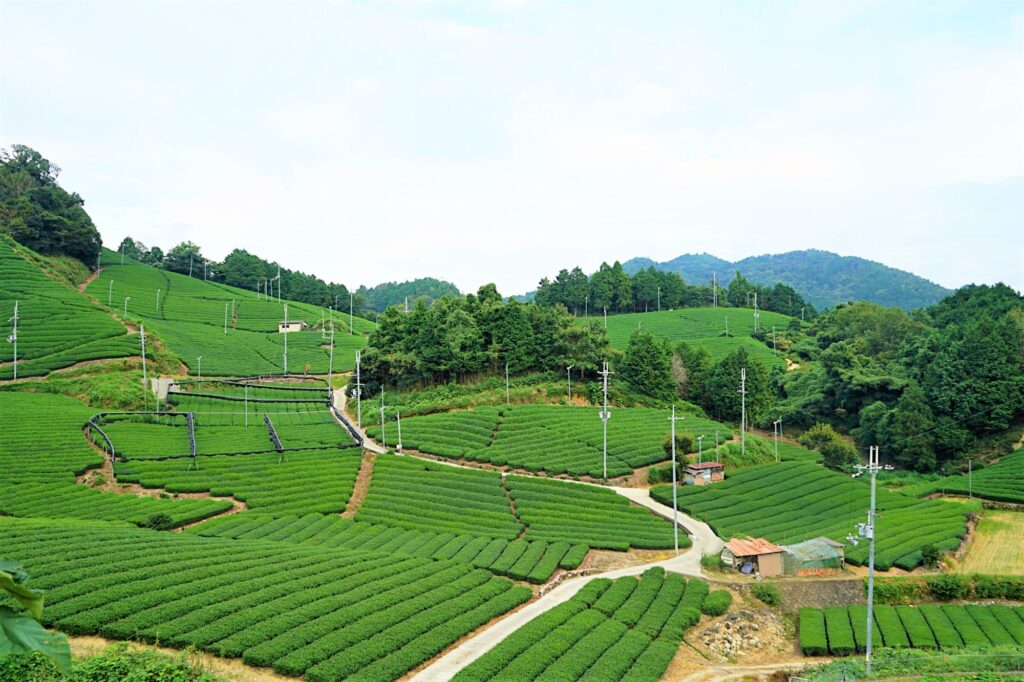
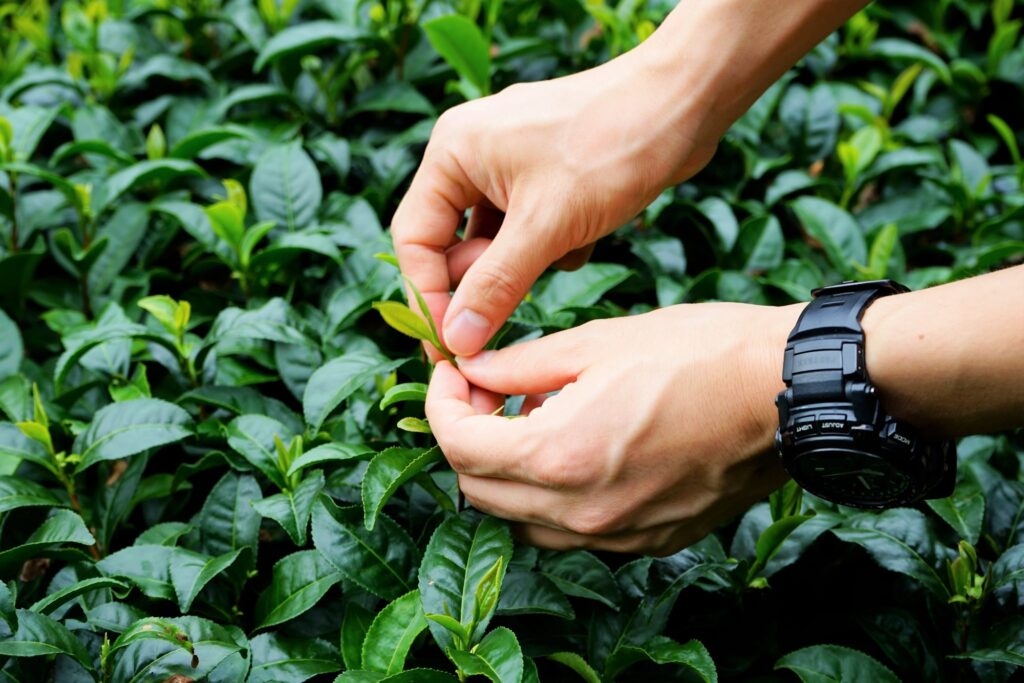
While tea picking in Kyoto is often associated with late spring, there are places where you can enjoy it in other seasons as well. Tea is a type of camellia plant, and only the fresh leaves are taken when harvesting.
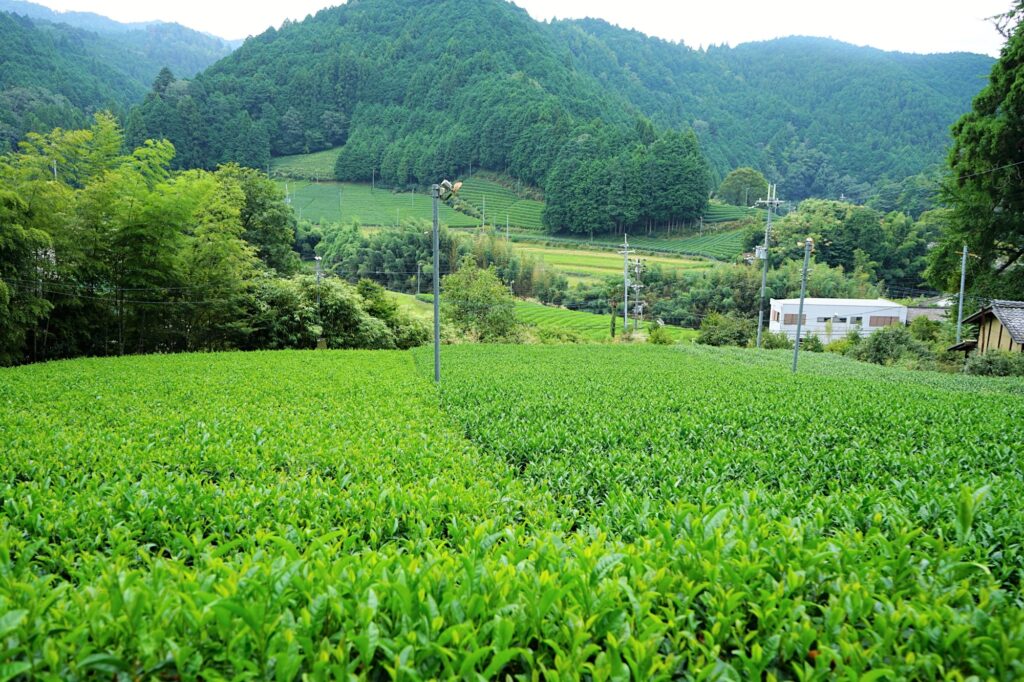
For a tea-picking experience, D:matcha Kyoto in the town of Wazuka offers Tea Farm Tour & Tasting, which is available in both Japanese and English with a very knowledgeable guide. You can learn about various aspects of tea, such as its types and production methods. After that, you can grind tea leaves into matcha powder using a stone mill. Then, you can stroll through their beautiful tea plantation, pick tea leaves, and tour their tea factory. Finally, discover the distinct flavors of homegrown teas with a tasting, and enjoy a delicious lunch.
Advanced reservations are required. For tour dates, please inquire via email (info@dmatcha.com).
3. Learn About Tea and Create Matcha Art
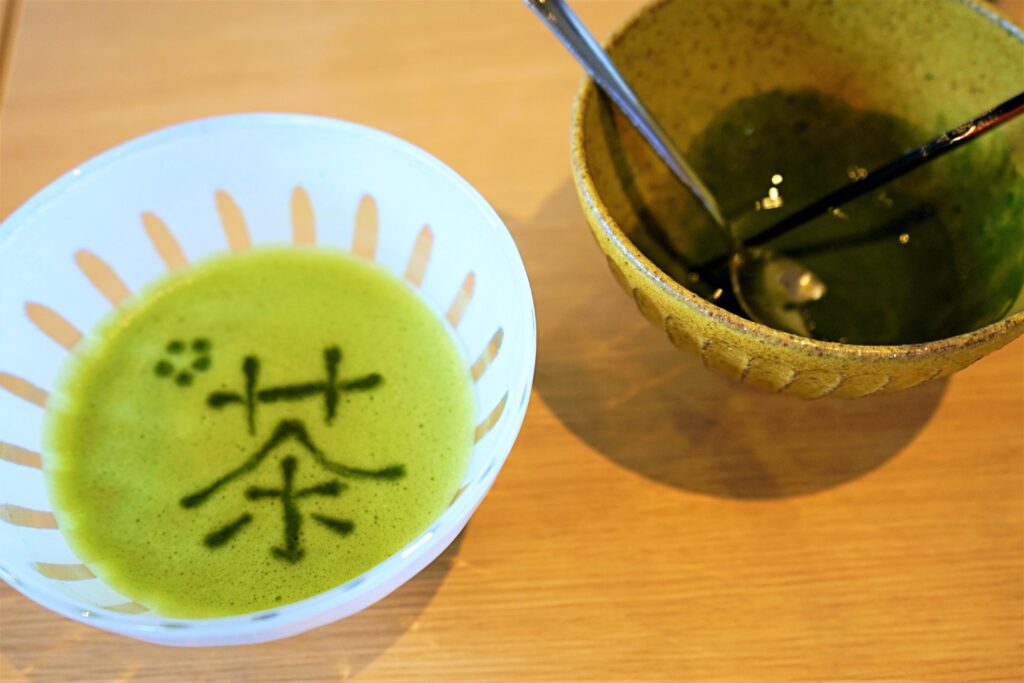
Utena Tea’s matcha art classes are a fun experience for all ages, and a great way to hone your creative skills. Before drawing, the experienced and friendly teacher, who cultivates tea in Wazuka, will tell you about green tea of Kyoto and Wazuka, including the story of how the tea is processed, and other interesting facts about tea.
After preparing teas, which will serve as the “ink” and the “canvas” for your work of art, it’s time to draw! Create your own masterpiece on the foamy surface of the matcha. If you make a mistake or want to redo your design, you can easily erase it and restore the “canvas” as many times as you want, just by whisking it.
An advanced reservation is required to participate in the workshop. Send an email to the teacher at utena.tea@gmail.com for details, including the venue and workshop schedule (English is acceptable).
As a side note, you can enjoy creating matcha art at Uji Tea Ceremony Hall “House of Takumi,” too.
4. Eat and Drink Matcha
Delicious green tea, especially matcha, is everywhere in and around Uji, the Kyoto Tea Country region. It’s awesome, but this abundance may make it difficult to decide where to go. We recommend visiting some certified Ujicha Cafes that offer at least three sweets, meals or drinks featuring the Uji tea, and have staff knowledgeable about the tea’s history, culture, and preparation methods.
The following three places are certified Ujicha Cafes, perfect for experiencing delicious tea including matcha!
1. Tsujiri Uji Main Store
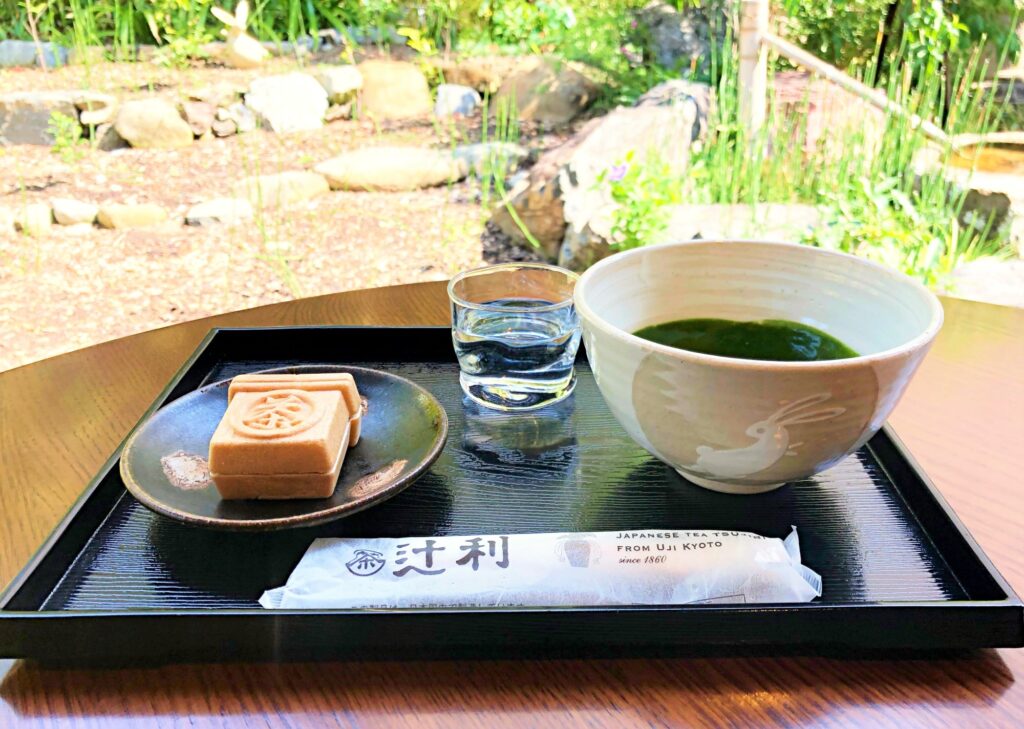
Tsujiri, founded in 1860, is a renowned tea shop chain with locations in Kyoto, Osaka, and more. At the Tsujiri Uji Main Store, you can enjoy a truly relaxing tea experience. This elegant shop has a nice cafe and a courtyard with a Japanese garden. The peaceful environment provides a serene haven.
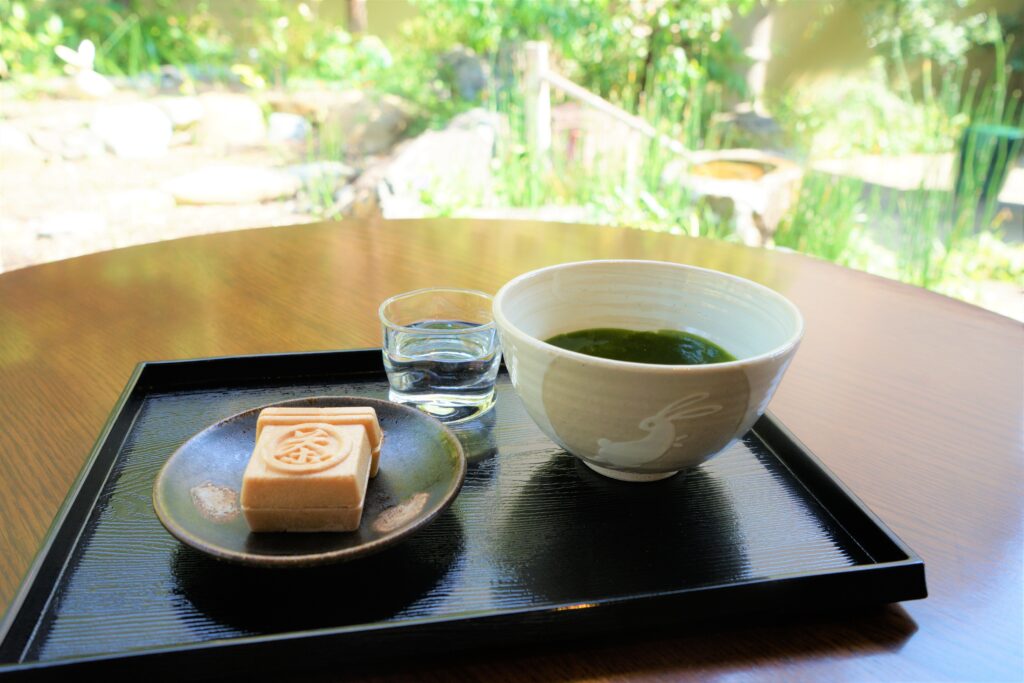
They offer a menu with traditional matcha and wagashi (traditional Japanese confectionery) combos, as well as matcha-infused desserts. With pictures and English descriptions on the menu, it’s easy to order. The photo above shows the combo of koicha (thick and rich matcha) and a homemade monaka (Japanese wafers filled with sweet bean paste).
This koicha is incredibly rich, dense, and creamy. In spite of its intensity, it’s surprisingly smooth without strong bitterness, making it a great choice for those looking to try an authentic matcha experience. The combo comes with a second serving of usucha (a lighter matcha), so you can enjoy two different kinds of deliciousness.
2. Ocha no Kanbayashi
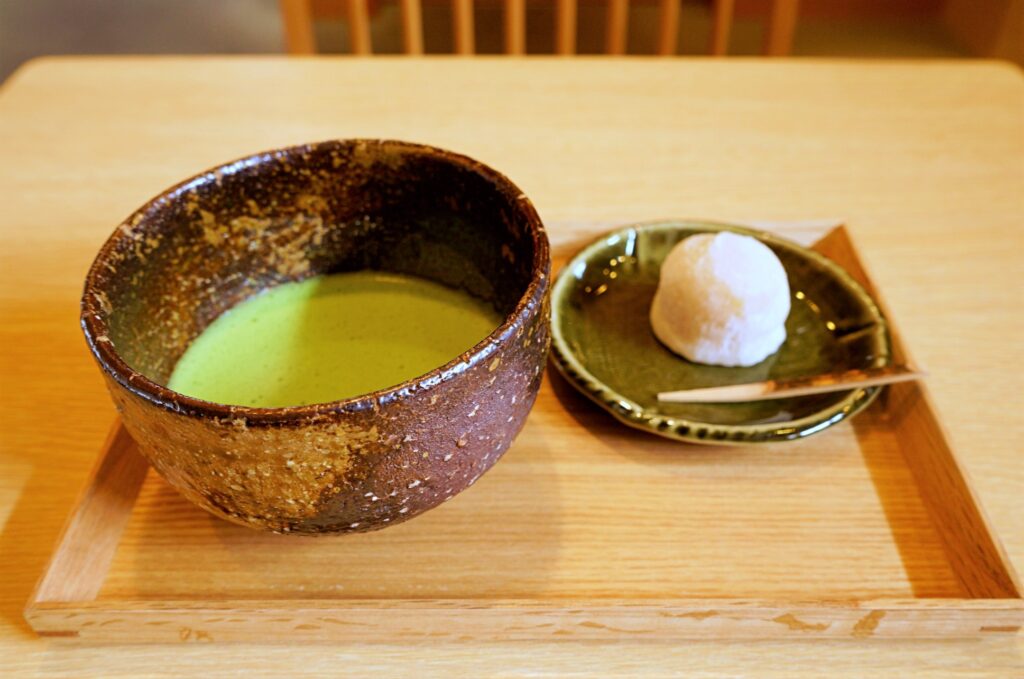
Ocha no Kanbayashi has over 400 years of history producing high-quality Japanese tea. Their shop on Ujibashi Street has a cafe space on the second floor where you can enjoy tea with seasonal Japanese sweets. This photo shows a popular combo of matcha called “Asahi no Shiro” and a sweet (this one is mochi rice cake with a chestnut in it). They are delicious.
They offer a tour of the tea factory behind this shop, where you can learn how tea leaves, just after harvest, are processed. You can see mechanized stone mills that make matcha, too. In the adjacent tea house, you can experience a tea ceremony. You can also try grinding tea leaves into matcha powder using a traditional stone mill.
3. Maiko Tea Boutique
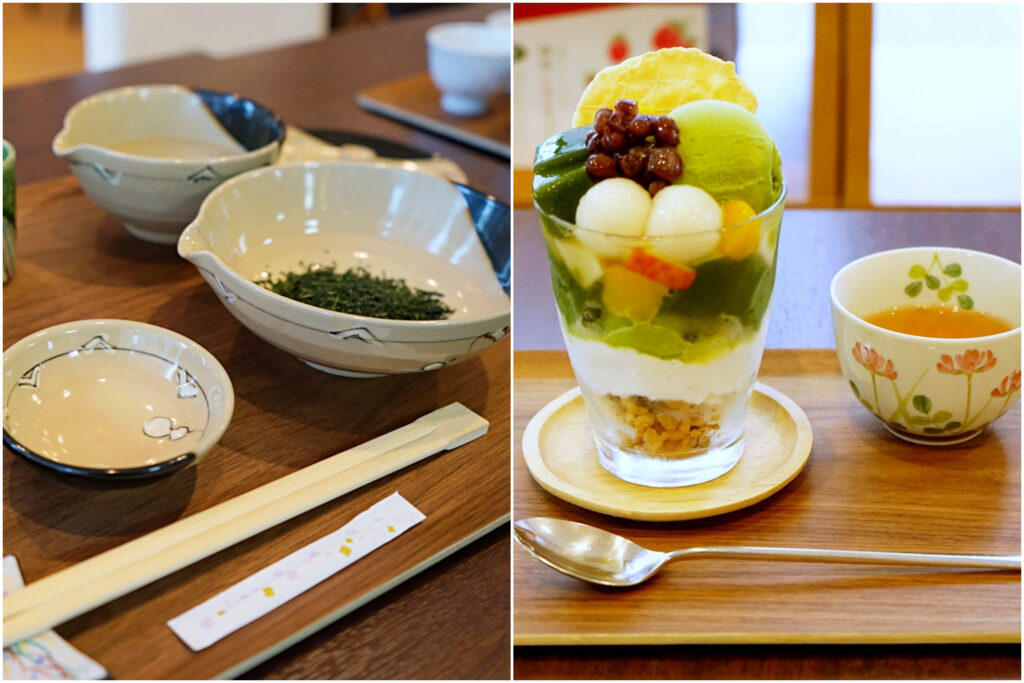
Maiko Tea Boutique is a cafe offering sweets, meals and beverages using high-quality tea. For those with a sweet tooth, their matcha parfait is a great option. You can enjoy rich matcha jelly and ice cream with shiratama dango (chewy rice dumplings), azuki (red beans), a chestnut, fruit, and other delicious ingredients. The harmony of the traditional Japanese ingredients and flavorful Uji matcha is divine.
Located in Kyotanabe City, the cafe is also known for the local specialty, gyokuro.If you visit it, don’t miss the chance to savor the exquisite gyokuro that normally is 10,000 yen per 100 grams. You can enjoy several cups, and even enjoy the unique experience of eating the tea leaves after finishing your tea.
4. Discover the Joy of a Meal Featuring Tea
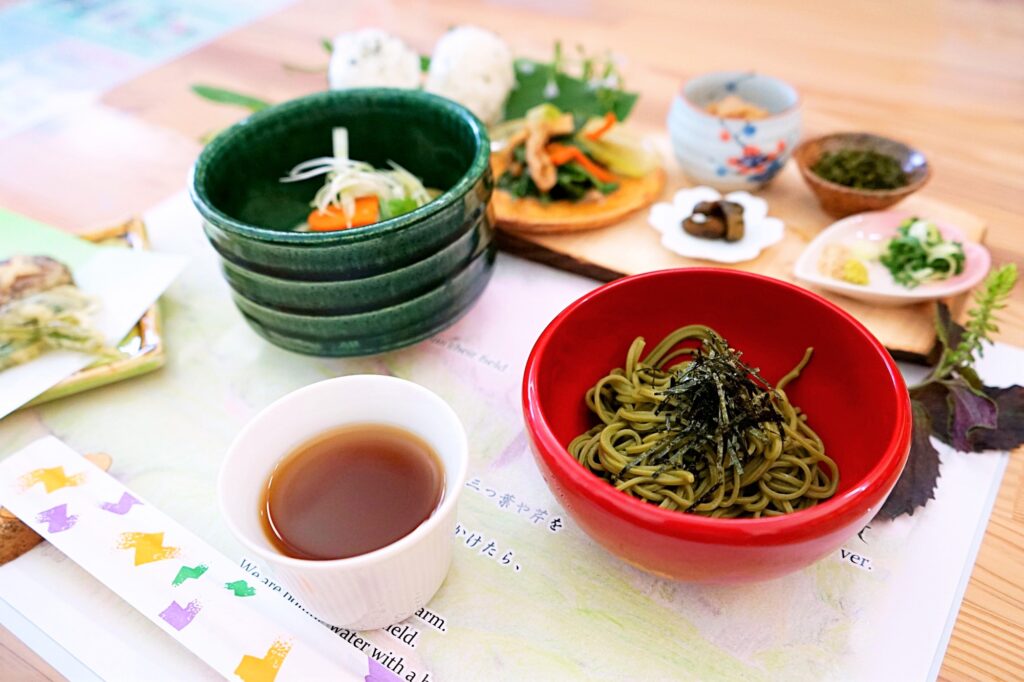
If you’re looking for something more substantial than sweets, how about dishes like chasoba (green tea noodles)?
Soenkoyuan Yantan, located in Ujitawara Town, is a tourism base that fosters interaction among people as well as offering sightseeing information and fun hands-on activities. They also offer delicious meals such as chasoba noodles and chajiru that is made with miso (traditional Japanese seasoning paste) and bancha (a type of Japanese green tea).
Soenkoyuan Yantan was created by renovating a former communal tea factory. “Yantan” is what locals call “Yuyadani” that is the name of this area. The area is known as the birthplace of Nagatani Souen. He developed and popularized the Aosei Sencha Seihou method in 1738, which laid the foundation for the processing method of some of today’s Japanese green teas including sencha.
Picture courtesy of Ocha no Kyoto DMO
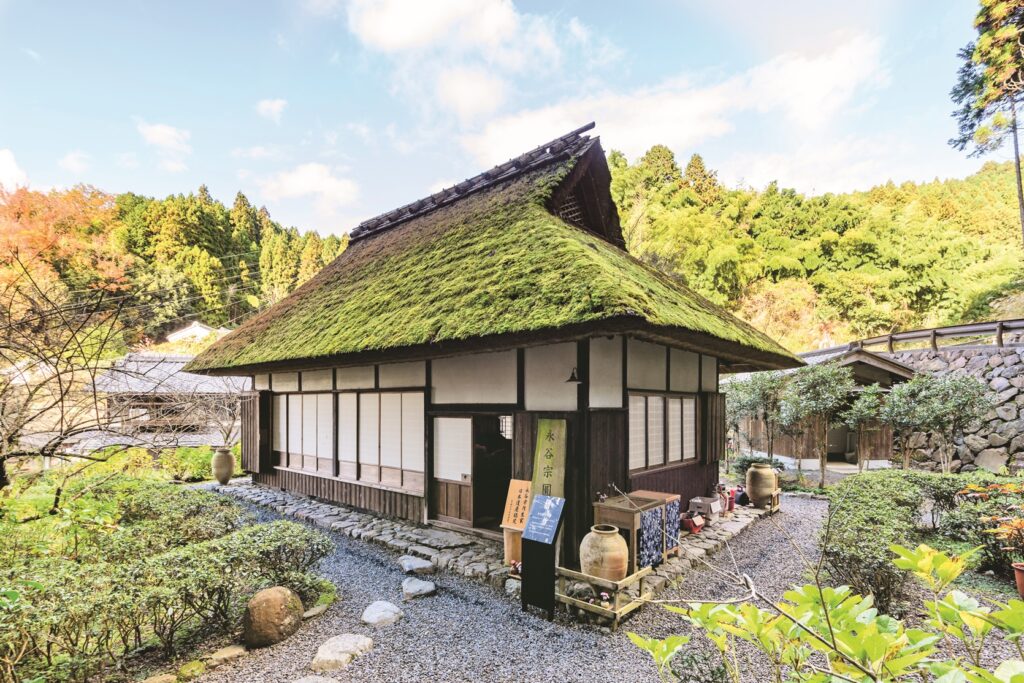
The birthplace of Nagatani Soen is nearby and worth a visit. It is open to the public from 10:00am to 3:00pm on Saturdays, Sundays, and national holidays.
Inside the thatched house, you can still see the spot where Souen actually used a hoiro (a heater to dry things such as tea leaves and food in processing) to make tea. There is also a video that explains the tea processing method and Souen’s history. You can enjoy sencha tea, too. Thanks to his invention of the Aosei Sencha Seihou method, we, even today, can savor sencha with a great aroma, taste and color, which is a wonderful Japanese tea experience.
5. Find the Perfect Tea Set at a “Pottery Village”
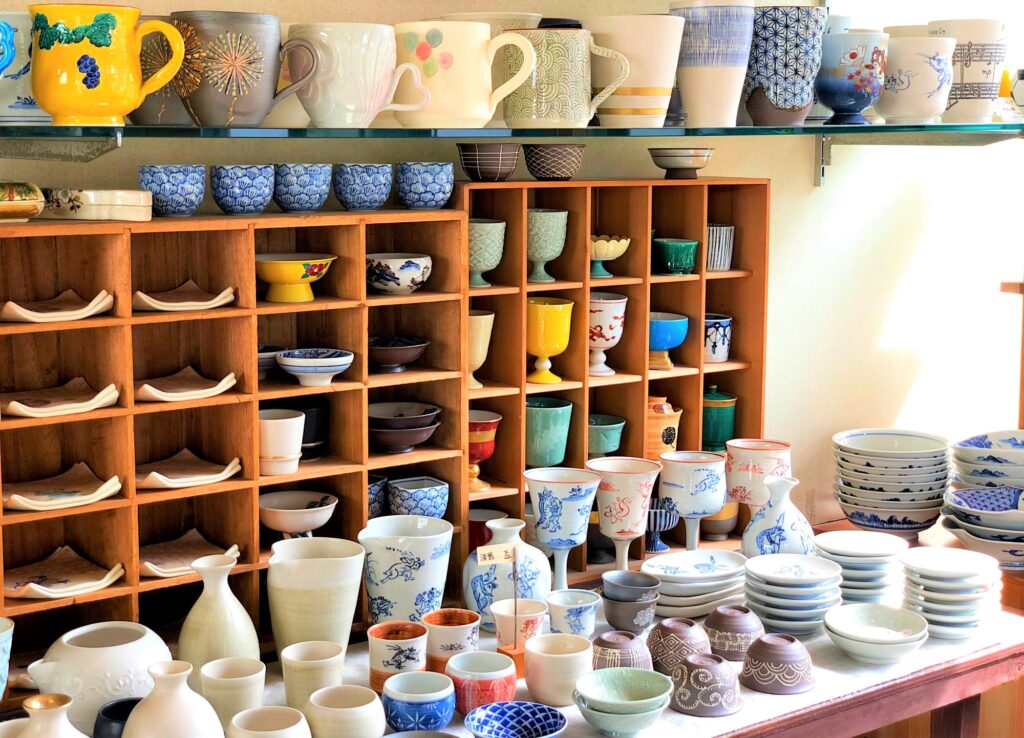
Kyo-yaki and Kiyomizu-yaki are renowned ceramics made in Kyoto. They are known for their elegance and refinement. “Sumiyama Pottery Village” in Uji is one of the best places to learn about them. Skilled artisans, who have been making them for years, have their studios here. Visitors can find and purchase teacups, bowls, vases, and many other ceramic works, from traditional ones to innovatively designed ones.
Kyo-yaki and Kiyomizu-yaki are thought to have originated in the 16th century. The intricate designs are made with a variety of techniques, including slip trailing, a method of using watered-down clay to draw on the surface.
In the Edo Period (around 1603-1868), nobori-gama (kilns with stepped chambers) were used for Kyo-yaki, but electric and gas kilns are now mainstream. Today, you can see the only remaining nobori-gama kiln for Kyo-yaki in the Sumiyama area. It is used only once a year in the special event dedicated to the preservation of traditional pottery methods, when ceramics are enclosed in special cases and fired to avoid contamination from ash and other debris.
Though nobori-gama tours are not available currently (as of March 2025), you can enrich your shopping in Sumiyama by imagining the stories behind it.
6. Get Gifts and Sweets Around Byodoin Temple
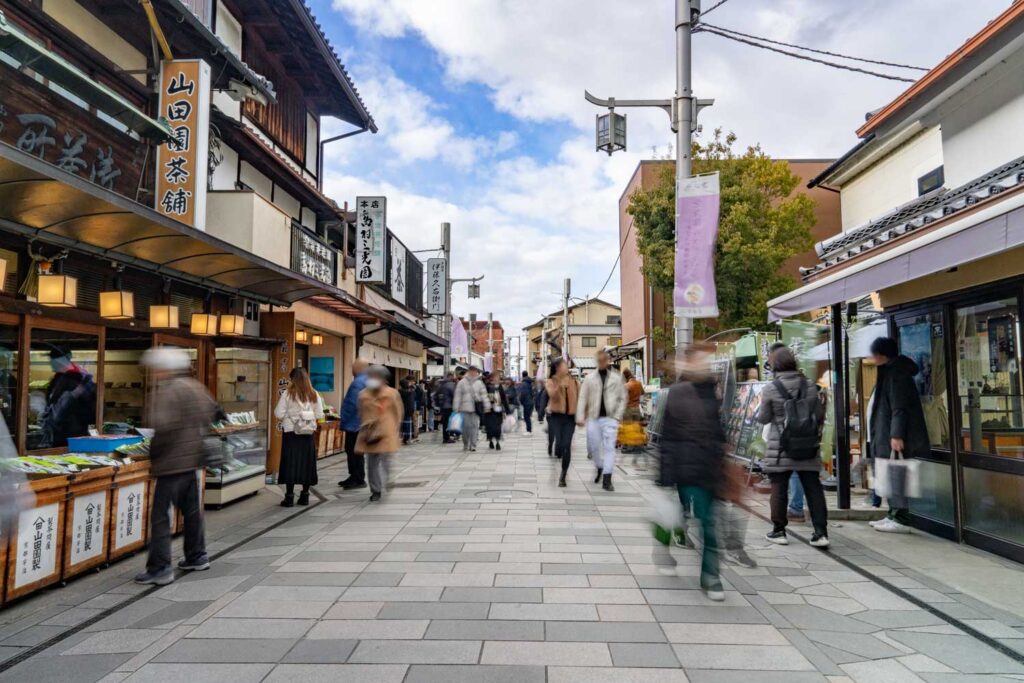
Byodoin Temple, a World Heritage site, is one of the best-known attractions in the Kyoto Tea Country region. Byodoin-Omotesando, the front approach to the temple, is designated one of Japan’s 100 most fragrant and scenic spots. Just strolling amidst the fascinating aroma of tea is fun. Moreover, the stone-paved street is lined with shops of tea, gifts and sweet treats, as well as nice cafes and restaurants featuring Uji matcha.
One of the must-tries is chadango (skewered dango dumplings using tea). They are small and easy to eat while strolling, making it an excellent choice for something to satisfy your sweet tooth.
Byodoin Temple
Byodoin Temple, located on the west bank of the Uji River, shows the historical glory of the Fujiwara clan’s prosperity. Originally Minamoto no Toru’s villa, it was later acquired by Fujiwara no Michi …
“Kyoto Tea Country” boasts a long and unique history of tea production and diverse tea culture. It offers visitors fun experiences unique to this region. Whether you’re seeking Uji matcha and delicious sweets, or yearning to delve into the profound world of tea, this is a perfect place to visit. A paradise awaits all tea enthusiasts!
“Kyoto Tea Country” consists of five cities, six towns and one village (*2) in southern Kyoto Prefecture. Embark on a journey of discovery, uncover hidden gems and savor exquisite teas for a truly fulfilling experience. For a day trip suggestion, see this article.
*2: Uji City, Joyo City, Yawata City, Kyotanabe City, Kizugawa City, Kumiyama Town, Ujitawara Town, Ide Town, Wazuka Town, Kasagi Town, Seika Town, and Minamiyamashiro Village