Inspiration

A Sip of Tea Culture in Kyoto! 7 Amazing Japanese Tea Activities

2021.02.08

Kyoto Tea
Kyoto Tea Country

4. Discover the Joy of a Meal Featuring Tea
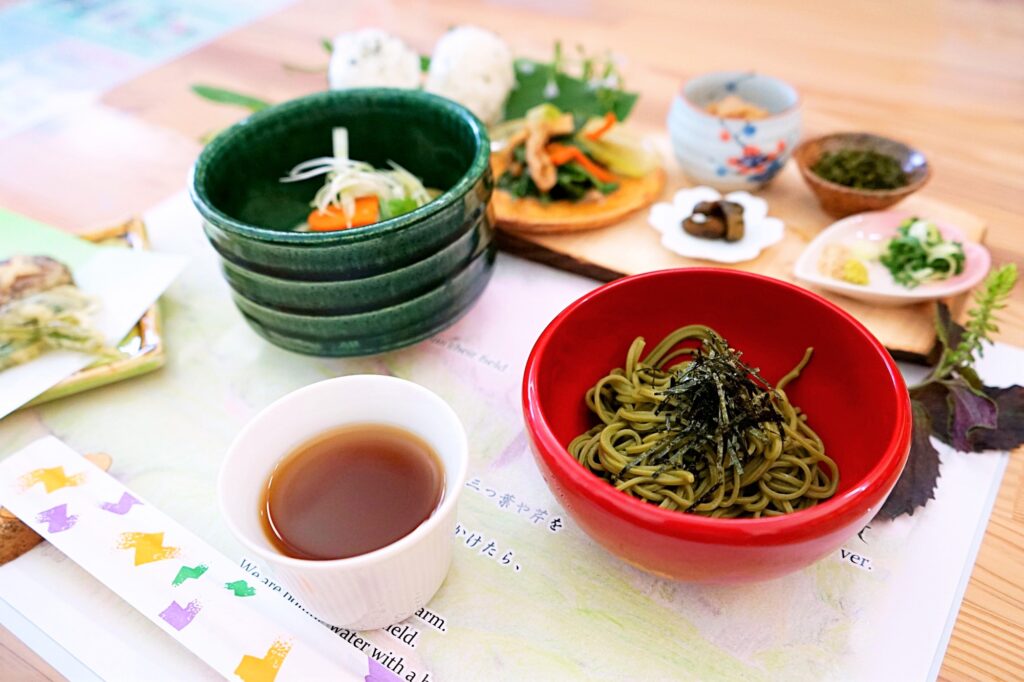
Matcha soba in a bowl, vegetables, dipping sauce, and a menu

If you’re looking for something more substantial than sweets, how about dishes like chasoba (green tea noodles)?

Soenkoyuan Yantan, located in Ujitawara Town, is a tourism base that fosters interaction among people as well as offering sightseeing information and fun hands-on activities. They also offer delicious meals such as chasoba noodles and chajiru that is made with miso (traditional Japanese seasoning paste) and bancha (a type of Japanese green tea).

Soenkoyuan Yantan was created by renovating a former communal tea factory. “Yantan” is what locals call “Yuyadani” that is the name of this area. The area is known as the birthplace of Nagatani Souen. He developed and popularized the Aosei Sencha Seihou method in 1738, which laid the foundation for the processing method of some of today’s Japanese green teas including sencha.
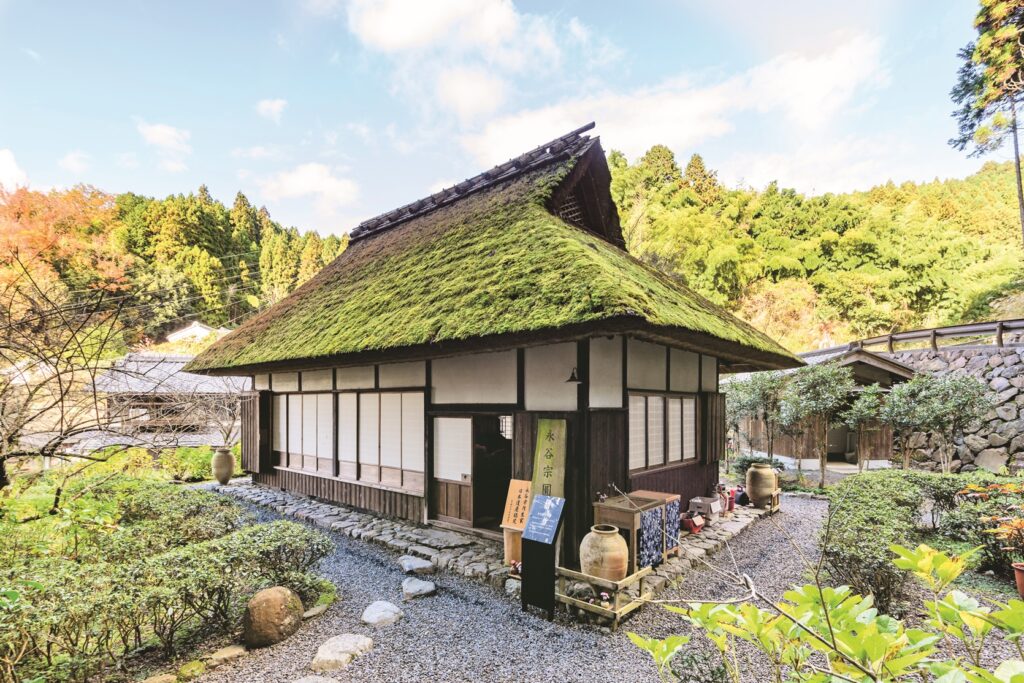
A thatched roof house in the countryside with moss
Picture courtesy of Ocha no Kyoto DMO

The birthplace of Nagatani Soen is nearby and worth a visit. It is open to the public from 10:00am to 3:00pm on Saturdays, Sundays, and national holidays.

Inside the thatched house, you can still see the spot where Souen actually used a hoiro (a heater to dry things such as tea leaves and food in processing) to make tea. There is also a video that explains the tea processing method and Souen’s history. You can enjoy sencha tea, too. Thanks to his invention of the Aosei Sencha Seihou method, we, even today, can savor sencha with a great aroma, taste and color, which is a wonderful Japanese tea experience.
5. Find the Perfect Tea Set at a “Pottery Village”

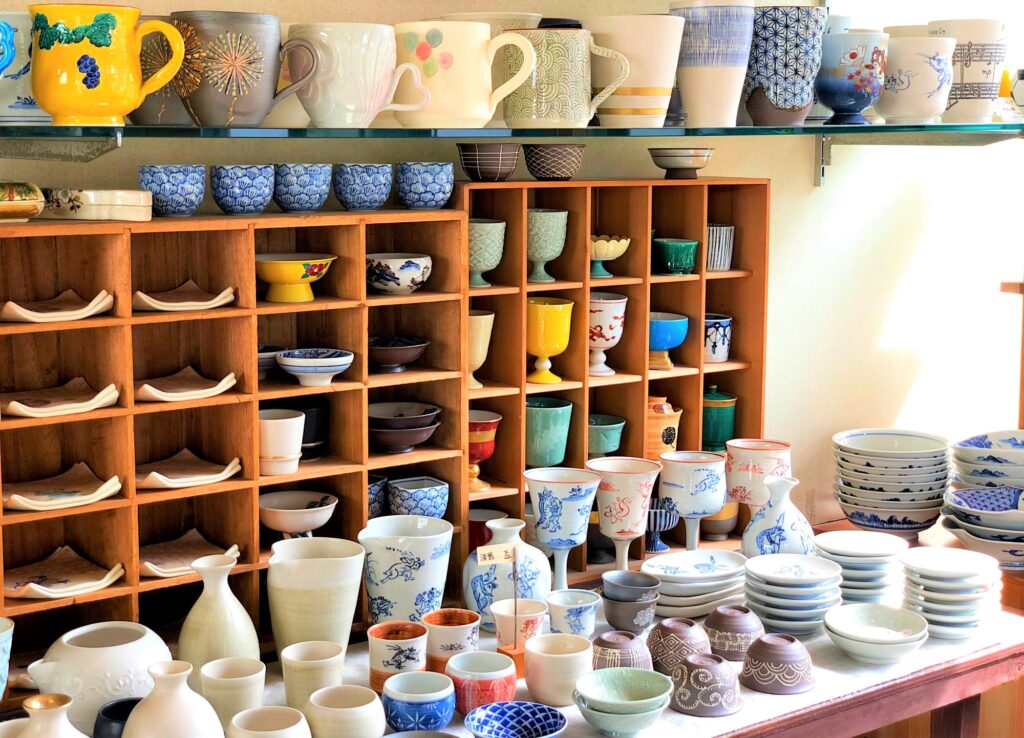
Ceramic cups, mugs, plates, vases, and bowls on display at Sumiyama Pottery Village

Kyo-yaki and Kiyomizu-yaki are renowned ceramics made in Kyoto. They are known for their elegance and refinement. “Sumiyama Pottery Village” in Uji is one of the best places to learn about them. Skilled artisans, who have been making them for years, have their studios here. Visitors can find and purchase teacups, bowls, vases, and many other ceramic works, from traditional ones to innovatively designed ones.

Kyo-yaki and Kiyomizu-yaki are thought to have originated in the 16th century. The intricate designs are made with a variety of techniques, including slip trailing, a method of using watered-down clay to draw on the surface.

In the Edo Period (around 1603-1868), nobori-gama (kilns with stepped chambers) were used for Kyo-yaki, but electric and gas kilns are now mainstream. Today, you can see the only remaining nobori-gama kiln for Kyo-yaki in the Sumiyama area. It is used only once a year in the special event dedicated to the preservation of traditional pottery methods, when ceramics are enclosed in special cases and fired to avoid contamination from ash and other debris.

Though nobori-gama tours are not available currently (as of March 2025), you can enrich your shopping in Sumiyama by imagining the stories behind it.

6. Get Gifts and Sweets Around Byodoin Temple

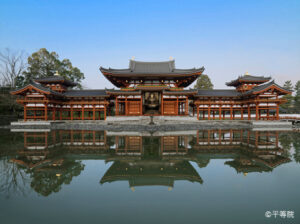
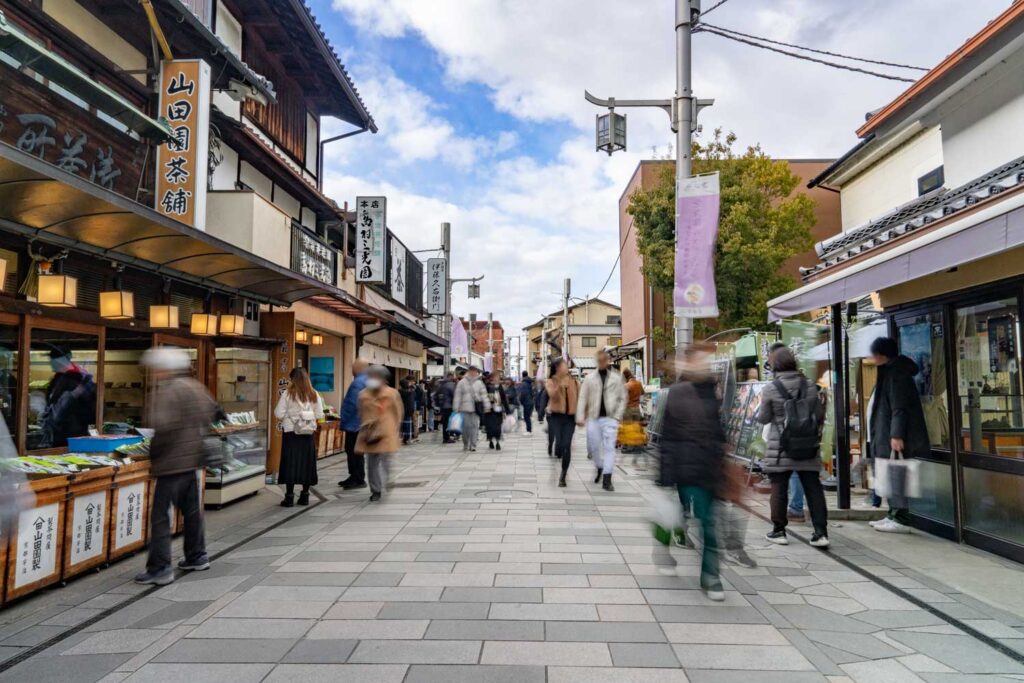
Byodoin Temple, a World Heritage site, is one of the best-known attractions in the Kyoto Tea Country region. Byodoin-Omotesando, the front approach to the temple, is designated one of Japan’s 100 most fragrant and scenic spots. Just strolling amidst the fascinating aroma of tea is fun. Moreover, the stone-paved street is lined with shops of tea, gifts and sweet treats, as well as nice cafes and restaurants featuring Uji matcha.

One of the must-tries is chadango (skewered dango dumplings using tea). They are small and easy to eat while strolling, making it an excellent choice for something to satisfy your sweet tooth.

Byodoin Temple

Byodoin Temple

Byodoin Temple, located on the west bank of the Uji River, shows the historical glory of the Fujiwara clan’s prosperity. Originally Minamoto no Toru’s villa, it was later acquired by Fujiwara no Michi …

Discover Tea Culture in “Kyoto Tea Country”

“Kyoto Tea Country” boasts a long and unique history of tea production and diverse tea culture. It offers visitors fun experiences unique to this region. Whether you’re seeking Uji matcha and delicious sweets, or yearning to delve into the profound world of tea, this is a perfect place to visit. A paradise awaits all tea enthusiasts!

“Kyoto Tea Country” consists of five cities, six towns and one village (*2) in southern Kyoto Prefecture. Embark on a journey of discovery, uncover hidden gems and savor exquisite teas for a truly fulfilling experience. For a day trip suggestion, see this article.

*2: Uji City, Joyo City, Yawata City, Kyotanabe City, Kizugawa City, Kumiyama Town, Ujitawara Town, Ide Town, Wazuka Town, Kasagi Town, Seika Town, and Minamiyamashiro Village

Another Kyoto Partners