A Brief History of Tea in Wazuka
Tradition traces the town’s tea story to the Kamakura period, when Jishin Shonin planted tea seeds received from the monk Myoe Shonin of Toganoo at the foot of Mt. Jubu, marking the beginning of tea cultivation in this region.
The town that grew up around it remained small, but its production flourished. Wazuka farms proudly produce some of Japan’s most celebrated sencha, matcha, kabusecha (a lightly shade-grown leaf tea), and hojicha (a roasted green tea).
Where to See Wazuka’s Tea Fields
The view most people picture when they think of Uji-cha is Ishitera, designated Kyoto Prefecture Scenic Asset No. 1. Its long, curving rows climb above a scatter of farmhouses, and the image ends up on a good deal of the tea packaging you’ll see in the city.
A visit to the Ishitera Tea Fields Viewing Platform is highly recommended for taking in the panorama. Additionally, about a 10-minute drive from Ishitera lies the Taikoyama Burial Mound, an ancient burial mound local to the area. Situated atop a small hill near the town center, it offers wide surrounding views where you can enjoy the beautiful landscape while feeling the fresh breeze over the tea fields.
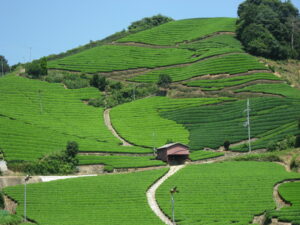
Shirasu and Ishitera Tea Plantations
Wazuka Town gradually warms up from west to east in spring. In Ishitera and nearby places, located in the western part of Wazuka, tea picking begins no later than late April. Therefore, the tea planta …
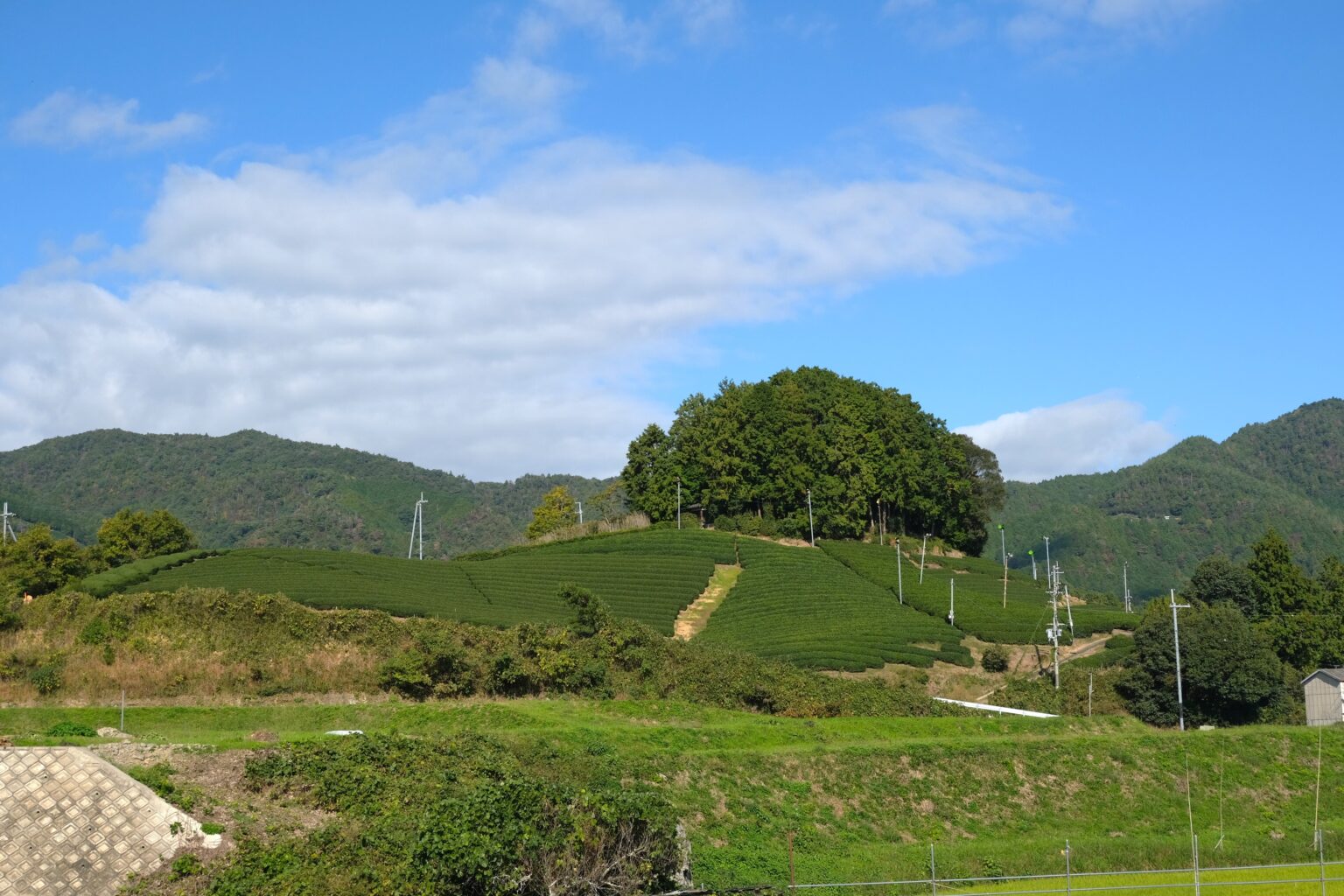
One thing to keep in mind: these are working farms and private land. Stay out of the rows themselves; the lookouts and roadside paths give you the same sweeping view the farmers see at dawn.
Wazuka Tea Plantation Tours and Farm Stays
If you want to spend a real day inside the tea landscape rather than just photographing it, two Wazuka operations run excellent experiences in English.
Kyoto Obubu Tea Farms is a tea farm dedicated to introducing Japanese tea to the world through tea production, education, and cultural experiences. Each year, over 4,000 visitors from more than 30 countries visit Wazuka to learn about Japanese tea directly from the growers. Its flagship four-hour Guided Tea Tour walks you through beautiful fields and an active sencha factory, serves a tea-infused lunch, and concludes with a tasting of 10 or more single-origin Japanese teas. Highly praised by international travelers, it offers a comprehensive learning experience spanning cultivation, processing, brewing, and tea culture. Direct shuttle buses run from Kyoto Station’s Hachijo Exit during the spring and autumn high seasons.
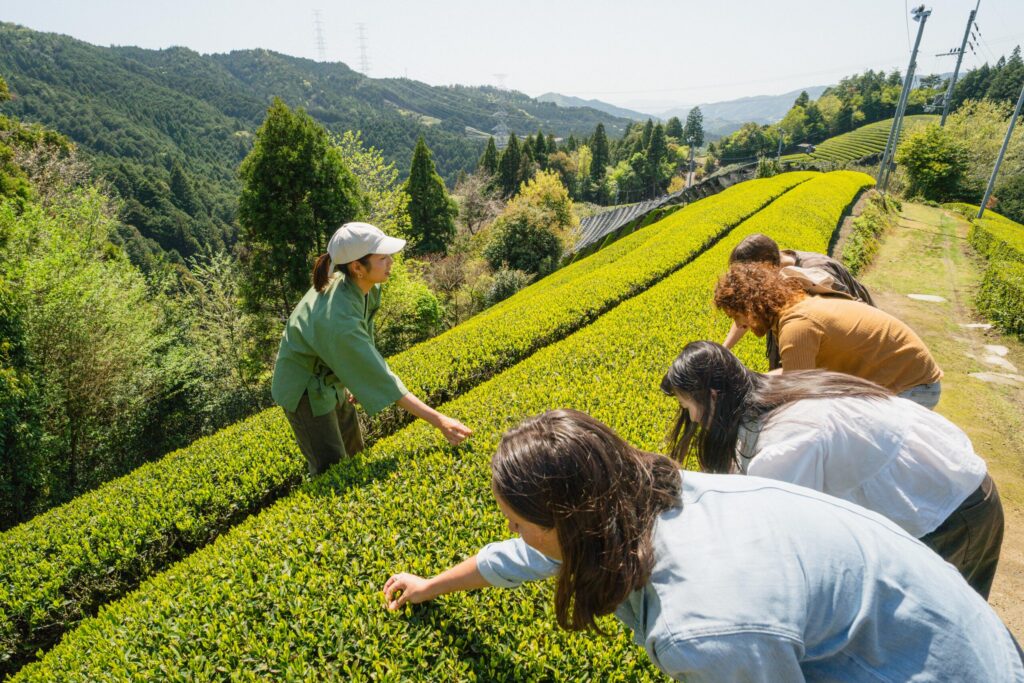
d:matcha Kyoto, over in the Yubune area beside the thousand-year-old Hakusan Shrine, is the more terroir-driven of the two. Founder Daiki Tanaka leads the morning Tea Farm Tour & Tasting himself: a walk through the lower fields, a climb to the shrine, hand-picking, a visit to the tencha factory, a six-cup tasting, and a farm-to-table lunch where leaves cut an hour earlier come back to the table as tempura. This is the only matcha factory tour in Wazuka, and a gentler version is available for families with school-age children.
For a slower way to wake up inside the landscape, d:matcha also runs Tea Moon, a renovated traditional house set among its tea fields. A stay includes the morning tour and the farm-to-table dining; the property opened in 2023 as part of the company’s work to bring the Yubune district back to life.
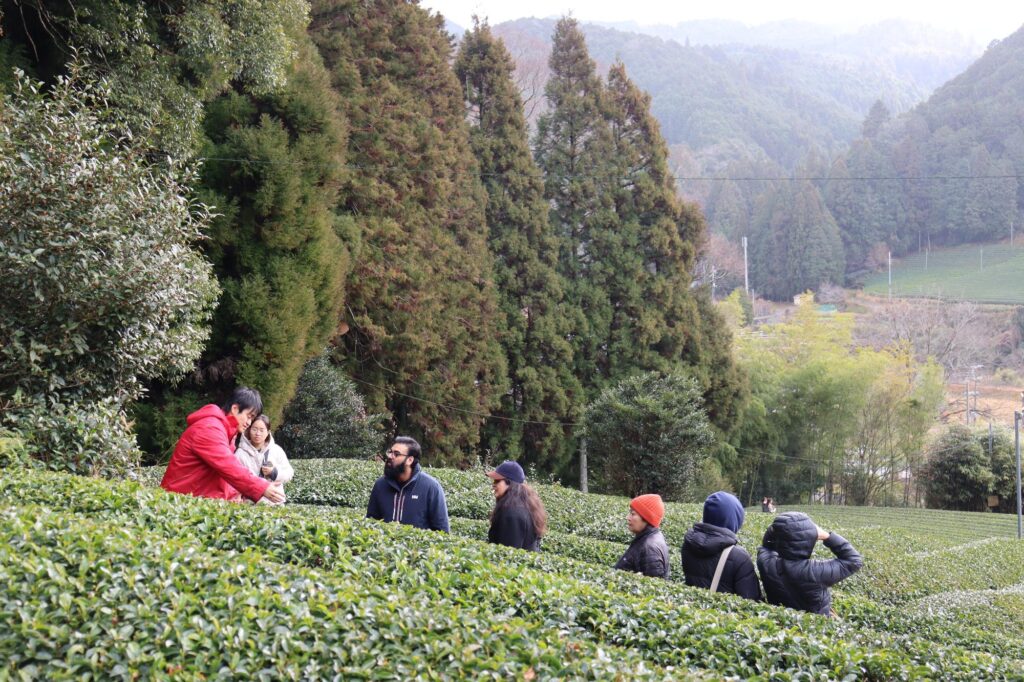

Tea farm tour & tasting in Wazuka, Kyoto
Farm tour & tea flight with the passionate founder of d:matcha! Followed by tea-themed lunch overlooking their green fields in Wazuka, Kyoto, Japan. A unique deep dive into the world of Japanese tea. …
The Shincha Season at the Wazuka Tea Fields
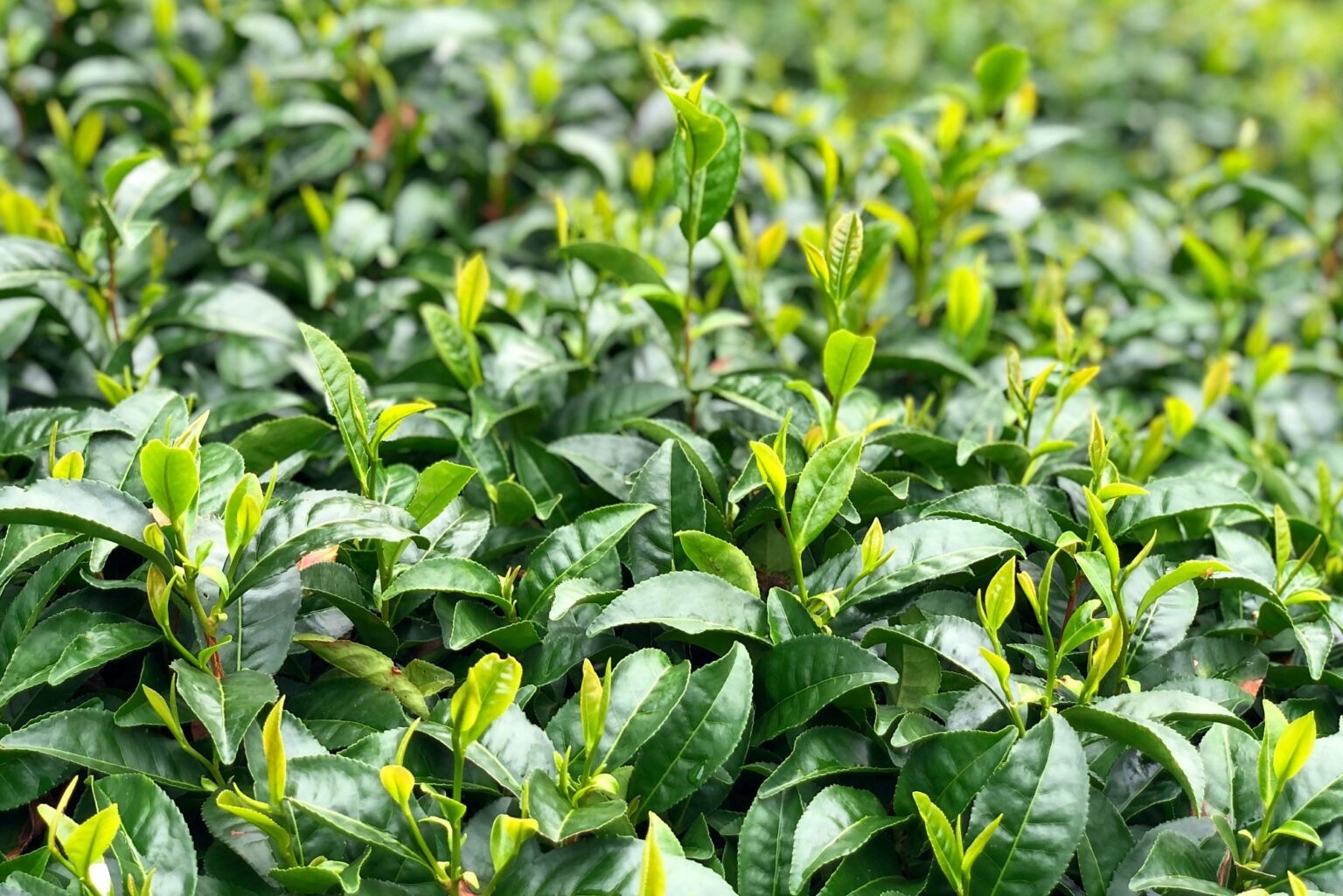
The year’s first and finest harvest, shincha, comes in from late April through mid-May, traditionally timed to hachiju-hachiya, the 88th night after the start of spring on the old lunar calendar. The fields look their most alive at this time of year. Pickers move down the rows in white head-wrappings, small trucks ease between the ridges, and the cut leaf carries a green, grassy smell that hangs over the valley.
Two or three weeks before harvest, farmers drape the highest-grade tencha (the leaf that is ground into matcha) rows in woven black cloth. This practice, known as kabuse, starves the leaves of light, boosts their umami, and yields the raw material for some of Japan’s most prized matcha. If you arrived picturing unbroken emerald slopes, the half-tarped hillside can take a moment to make sense; most visitors leave understanding that the shade is exactly the point.
For clean green photographs, aim for late March through mid-April, before the covers go on, or late May into early June, after the first cut, when the rows are open and freshly trimmed. The village also throws its Chagenkyo Matsuri (the “Teatopia Festival”) on the first weekend of November.
How to Get to Wazuka
The trip to Wazuka from Kyoto Station takes about 90 minutes each way.
From Kyoto Station, take the JR Nara Line Miyakoji Rapid bound for Nara to Kizu, then transfer to the JR Kansai Line for one stop to Kamo. From the west exit, board Nara Kotsu bus #65 bound for Harayama in Wazuka Town. Buses run roughly once an hour, so check the timetable before you leave.
Alternatively, you can reach Wazuka from Uji. From JR Uji Station or Keihan Uji Station, take Kyoto Keihan Bus #180 (Tachiba Line) or #186 (Uji Okuyamada Chayamura Line) to Ujitawara Bus Center, then transfer to Bus #78 (Chagenkyo Wazuka Line) bound for Wazuka. In spring and autumn, the “Ocha no Kyoto Green Liner” also operates, offering direct service from Uji to Wazuka depending on the schedule. (Note: Bus information is current as of 2026; please check the latest schedules before traveling.)
A car offers the greatest flexibility, taking just about 60 minutes from Kyoto Station. Once you arrive, the best way to get around is an electric-assist bicycle from the Wazukacha Café for about 2,500 yen a day. The e-bike makes Wazuka’s hills feel much easier to handle and lets you loop from the cozy café through Ishitera and the scenic viewpoint at dan dan café.
Stay Overnight in Wazuka
Wazuka rewards an overnight stay far more than a rushed day trip. Spend a full day relaxing and enjoying Wazuka’s tea farm tours and local scenery before staying overnight in the town. On day two, take an e-bike out to the Ishitera tea fields. The mountain village of Kasagi, with its maple grove and the giant Buddhist rock carvings at Kasagi-dera, is a 20-minute drive away and pairs naturally with a Wazuka tea day.
Spend a quiet night here, and you’ll see why this corner of southern Kyoto has been a “Teatopia” for eight centuries!
Consider booking a delightful stay at d:matcha’s Tea Moon Bed & Breakfast. It’s the perfect way to unwind after a week exploring Kyoto City, especially with the charming morning tea-field tour included for a memorable experience.
Related in this series: Things to Do in Kyoto with Kids (the family-suitable d:matcha tour), Day Trips from Kyoto, Otokuni Bamboo Grove, and Autumn in Rural Kyoto.

D:matcha Kyoto
D:matcha Kyoto offers amazing tea experiences. The Tea Farm Tour & Tasting is available in both Japanese and English. First, you can learn about various aspects of tea, such as its types and productio …