Inspiration

Kyoto’s Best Local Food: From Fresh Seafood to Matcha Cuisine, Desserts, and Unique Sushi

2026.07.02

Kyoto by the Sea Woodland Kyoto Kyoto Tea Country Kyoto Otokuni Bamboo Grove

When it comes to dining, Kyoto is probably most famous for its matcha desserts, yudofu (boiled tofu) dishes, and elegant, traditional Kyo-ryori cuisine. But did you know there are many more incredible local specialties you won’t want to miss? In fact, the prefecture of Kyoto is much larger than many people realize, and each area – from the Sea of Japan coast to peaceful mountain villages, the tea-growing region of Uji, and the beautiful bamboo forests of Otokuni – has its own rich culinary traditions. In this guide, we’ll shine a light on four distinct regions in Kyoto, and take you on a delicious journey to sample everything from fresh seafood and traditional regional cooking to Uji matcha desserts, beloved local sushi, and neighborhood eateries.

More than Just Matcha & Tofu: the True Charm of Kyoto Food

Kyoto has been Japan’s cultural heart for centuries, and its culinary traditions have been deeply shaped by its history, geography, and rich natural surroundings. While traditional kyo-ryori (literally, “Kyoto cuisine”), matcha, and traditional Japanese sweets are undoubtedly among the city’s signature flavors, if you venture a little further into Kyoto Prefecture’s different regions, you’ll find a tapestry of unique local specialties.

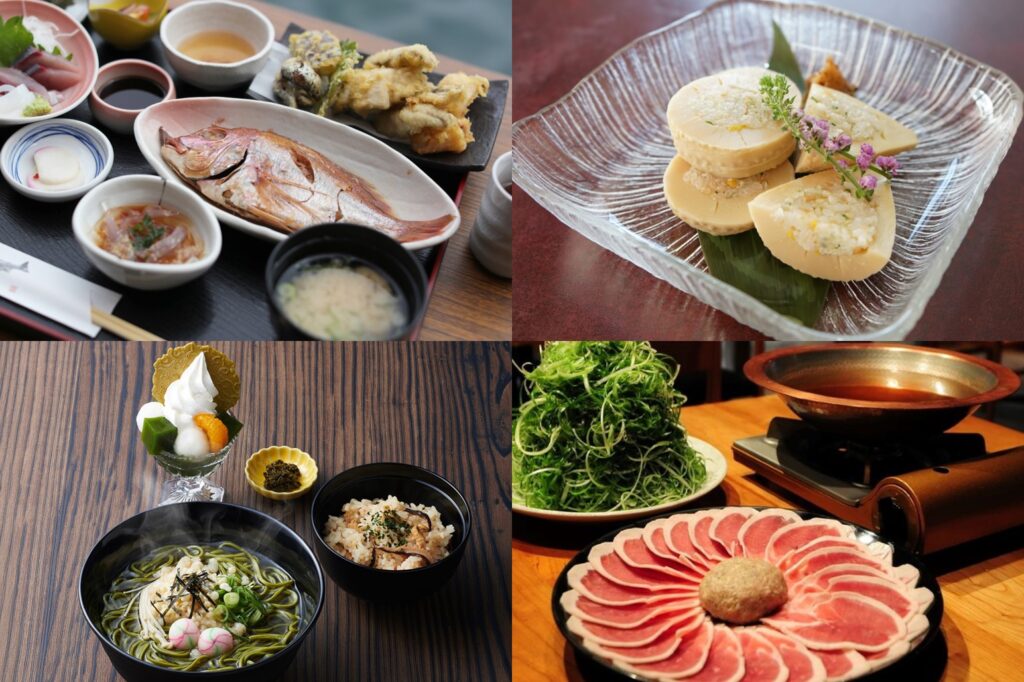
In the north, Kyoto by the Sea, the region on the Sea of Japan coast, is a treasure trove of fresh seafood, including crab and oysters. In mountain-encircled Woodland Kyoto, you’ll find regional dishes made with local ingredients and a culture of vegetable-rich local cooking. Kyoto Tea Country, famous for Uji matcha, offers not only exceptional tea but also an array of desserts, traditional wagashi sweets, and even matcha soba. And in the Kyoto Otokuni Bamboo Grove area, known for its beautiful namesake bamboo forests, you’ll find Kyoto’s ryotei fine dining traditions, plus unique sushi, and cozy home-style cooking that passes down the use of regional ingredients.

Planning your trip around Kyoto food alone is a worthwhile venture on its own, but if you’re visiting these unique restaurants, you’ll want to visit some sightseeing locations along the way. As you explore the local cuisine in each region of Kyoto prefecture, you can wander along scenic coastlines, explore charming historic towns, stroll through tea-growing villages, and walk among peaceful bamboo forests. Experiencing all the scenery and culture first-hand is just one of the hidden pleasures of planning a trip to Kyoto yourself.
Kyoto by the Sea: Can you really eat fresh seafood in Kyoto?

Located along the Sea of Japan coast, Kyoto by the Sea is an area that boasts rich fishing grounds and a proud maritime heritage. As the seasons change, a succession of seafood delicacies like matsuba crab, oysters, yellowtail, and rock oysters arrive one after another, contributing to the local culinary culture that embraces the flavors of the season. If you’re visiting Amanohashidate, Ine’s famous boat houses, or Maizuru, be sure to try the seafood delivered directly from local fishing ports. It’s a completely different side of Kyoto’s culinary scene from what you’ll find in the city.


Kamanyu Suisan (Kamanyu Fishery): Savor the Day’s Fresh Catch, Direct from the Port

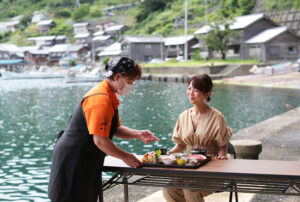
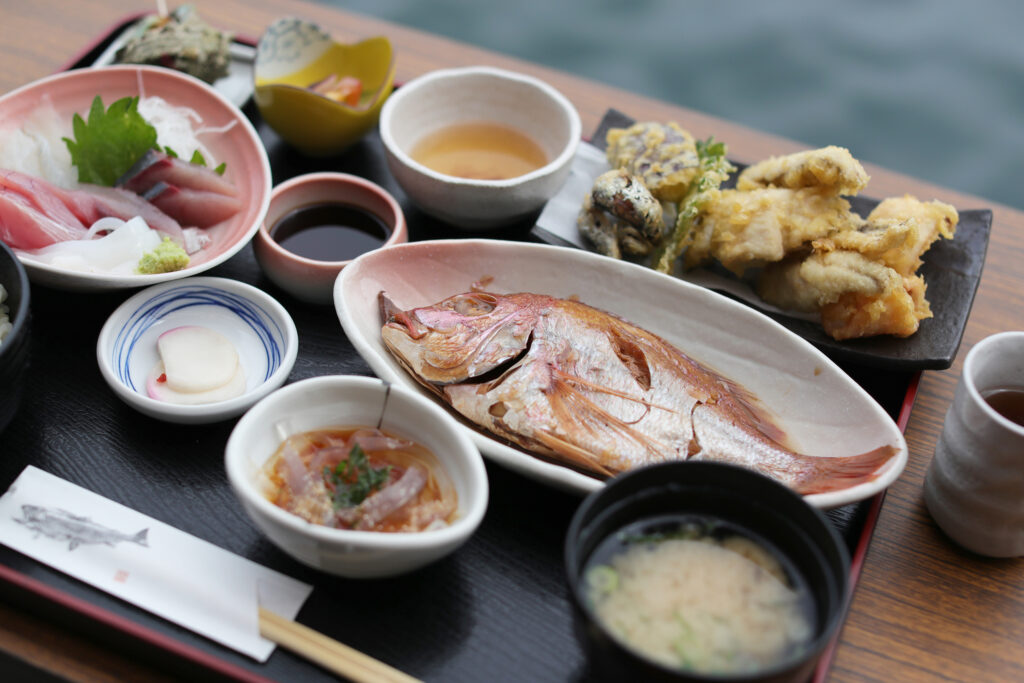
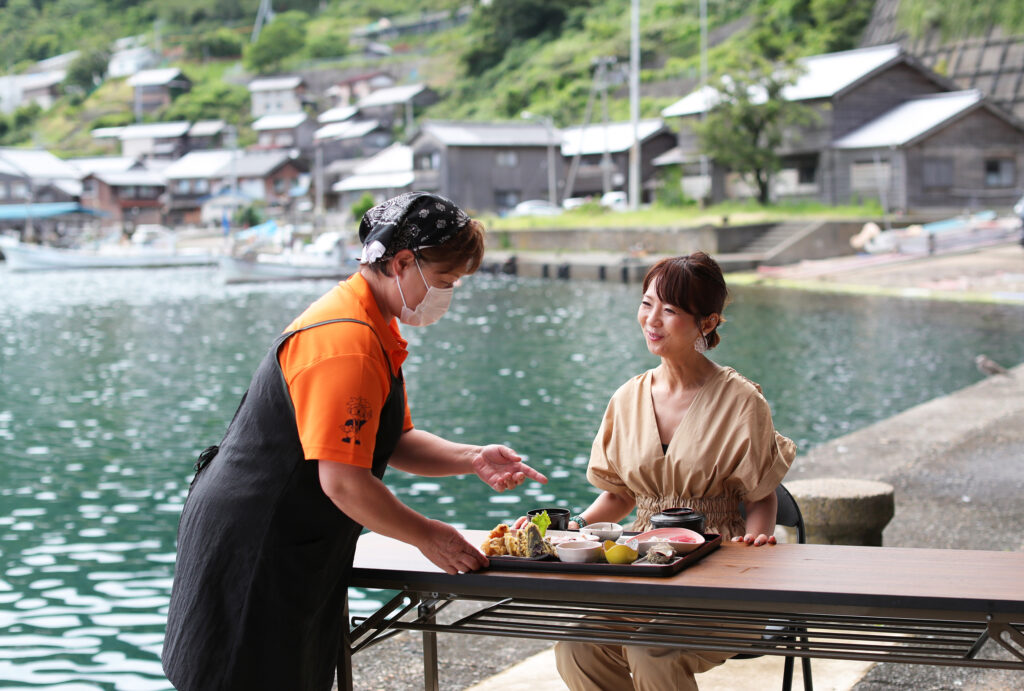
Located in Ine, Kamanyu Suisan (Kamanyu Fishery) is operated jointly by local fishermen. The best part? It serves incredibly fresh seafood brought in each day directly from nearby Kamanyu Fishing Port. The restaurant’s signature menu item, the “Fishing Port Meal” (ryoko meshi) is a hearty dish that uses a generous amount of seasonal fish, including sashimi, fried fish, grilled fish, miso soup with plenty of seafood, and even a small side dish. The menu changes with the seasons, so every visit offers something new to enjoy. What’s more, since the restaurant is located right beside the harbor, you can enjoy the peaceful views of the sea and the quiet fishing village, making you feel like you’ve really taken a step into everyday life in Kyoto by the Sea. If you’re driving around Ine’s Funaya or the Tango Peninsula, you’ll definitely want to make a stop at this well-known boat-to-table restaurant.

The Kamanyu Fishery

The Kamanyu Fishery

The Kamanyu Fishery is located at the port in Ine Town, part of Kyoto by the Sea. The Kamanyu Fishery serves up a generous lunch set, including freshly caught seasonal seafood with plenty of local pro …


Nawa-ya: Japanese Cuisine that Echoes the Landscapes and Seasons of Tango

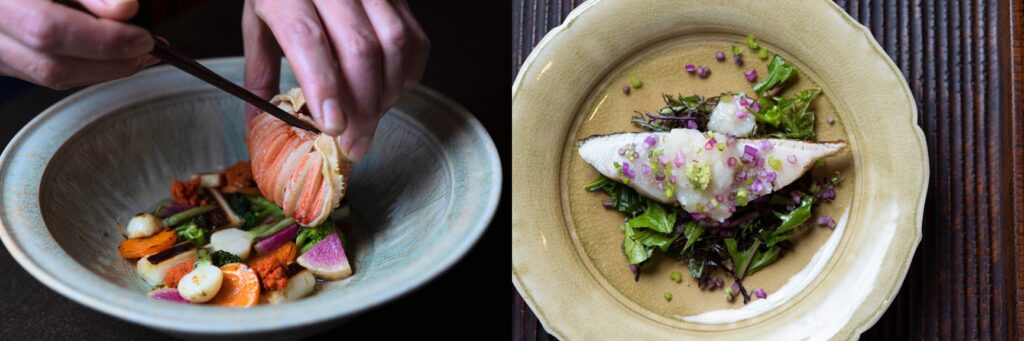
Nawa-ya is one of Tango’s hidden culinary gems – featured in the internationally acclaimed gourmet guide Gault & Millau – and a favorite with discerning diners. The restaurant places great importance on local ingredients and seasonal flavors, using delicate culinary techniques to transform carefully selected delicacies – like fresh seafood from the Sea of Japan and vegetables grown in Tango’s rich natural environment – into dishes of the highest quality. From appetizers to main courses, every dish reflects the chef’s dedication to bringing out the true essence of the ingredients, allowing diners to experience the story of the land through each bite.

The restaurant is reservation-only, so be sure to make a reservation on their official page before you head out.

Nawa-ya

Woodland Kyoto: Leisurely savor the local flavors of the countryside

When you leave the Sea of ​​Japan and step into the forest of Kyoto, surrounded by lush mountains, the food landscape changes completely. The lush green forests, clear water, and fertile land nurture fresh vegetables, delicious rice, and other seasonal produce, giving rise to a food culture that celebrates the natural flavors of the ingredients themselves. Whether you’re enjoying traditional regional cuisine in a historic farmhouse or creative vegetarian dishes made with local produce, every meal reflects the warm, rustic charm unique to Woodland Kyoto that you’ll remember long after you’ve left.


Yanagimachi: Enjoy Fukuchiyama’s Seasonal Best in a Historical Machiya Home

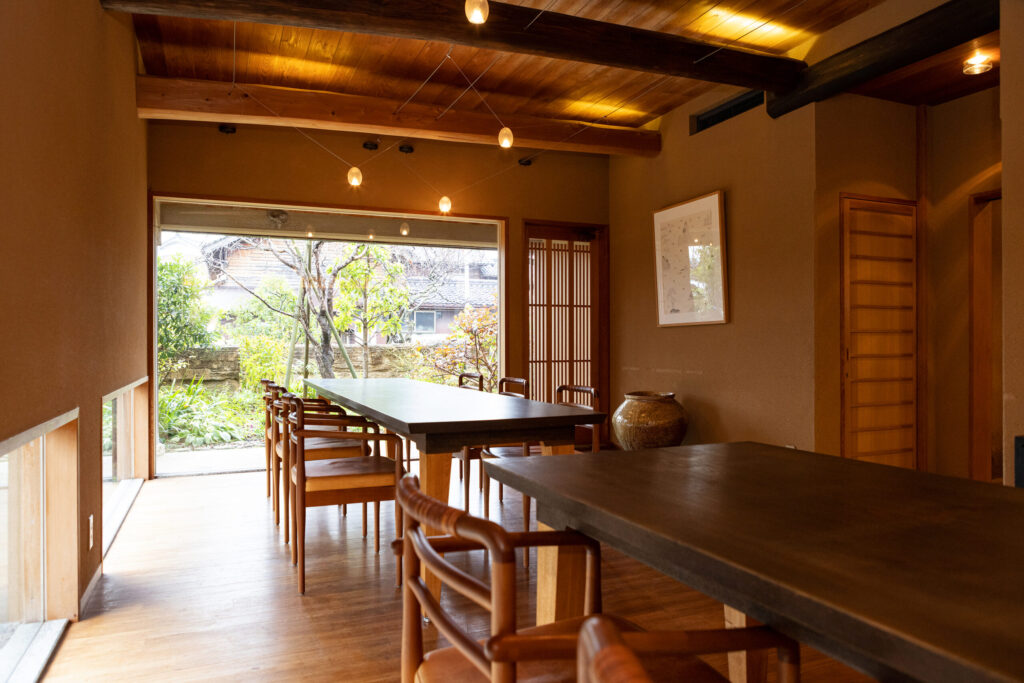
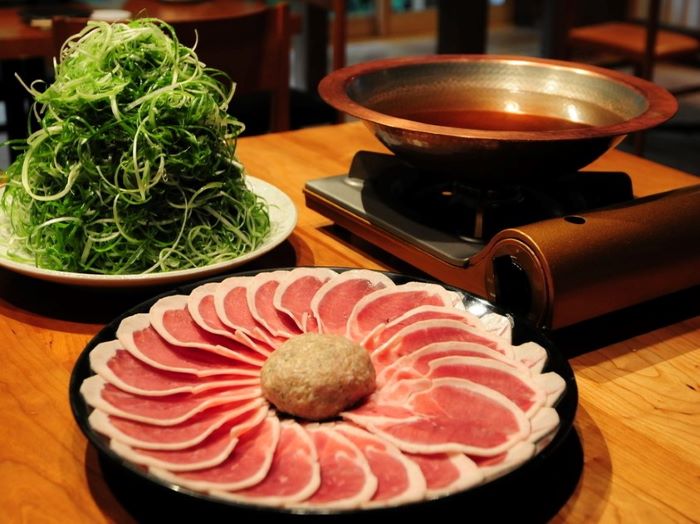
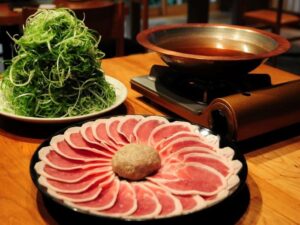
Located in the former castle town beneath Fukuchiyama Castle, Yanagimachi is housed in a beautifully renovated traditional machiya townhouse that still has all of its authentic Japanese atmosphere. Here, you can fully experience Woodland Kyoto’s rich culinary traditions through refined cuisine centered on locally grown vegetables, regional specialties from the Tamba and Fukuchiyama area, and seasonal produce. Popular signature dishes include duck sukiyaki hot pot and an oyakodon (rice bowl with eggs and chicken) made with carefully selected local chicken. After you’ve strolled around Fukuchiyama Castle and the old townscape, you can relax inside the beautifully preserved wooden building and enjoy thoughtfully prepared dishes in Yanagimachi to get a feel for the slow pace and warmth of life in the Woodland Kyoto area.

Yanagimachi

Yanagimachi

Yanagimachi is a famous restaurant in Fukuchiyama that showcases Fukuchiyama’s specialties of duck and green onion in a dish known as kamosuki (sukiyaki made with duck meat). The restaurant building i …


Vegan Life SoiSoi: Wholesome, Organic Dining in Woodland Kyoto

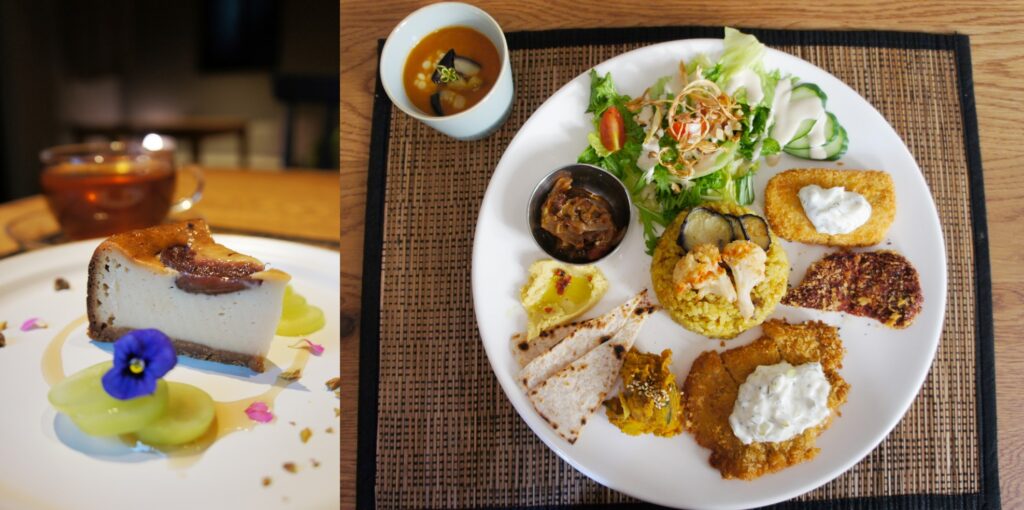
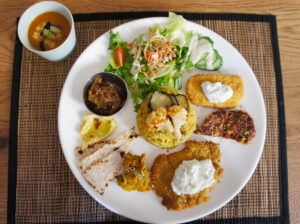
Vegan Life SoiSoi is a vegan café and restaurant that serves vegan cuisine featuring locally grown, organically grown, pesticide-free seasonal vegetables. Its creative menu blends Middle Eastern spices, European cooking techniques, and Asian recipes to create colorful dishes bursting with natural flavor. Whether you’re vegan or not, though, these vegetable-centered creations can be enjoyed by anyone. The lunch menu is updated every two months, and includes a full menu of specialty coffees, special tiramisu, donuts, and other snacks. With its warm, welcoming atmosphere, it has become a favorite stop for travelers exploring Woodland Kyoto.

Vegan Life SoiSoi

Vegan Life SoiSoi

We’re a cafe surrounded by nature in the Kyoto Prefecture countryside. We use ingredients sourced from local organic farmers and serve vegan plates featuring a different country’s cuisine every two mo …

Kyoto Tea Country: A Journey Through Uji’s Rich Tea Aromas & Exquisite Matcha Desserts

With its long history of tea production, Kyoto Tea Country is one of the key birthplaces of Japan’s tea culture, and one that continues to support its traditions to this day. The high-quality tea leaves that are carefully cultivated in these beautiful fields are enjoyed by people around the world, not only in delicious teas, but a variety of desserts, traditional-style wagashi sweets, and even in creative savory dishes. Come take a leisurely stroll through Uji’s historic streets, admire its UNESCO World Heritage sites and beautiful tea-growing landscapes, and savor authentic, richly flavored matcha. It’s a wonderful opportunity to experience the passion of generations of tea artisans and the culture of a lifestyle deeply intertwined with tea.


dan dan cafë: Enjoy Your Tea in Luxury, Looking Out on the Tea Fields

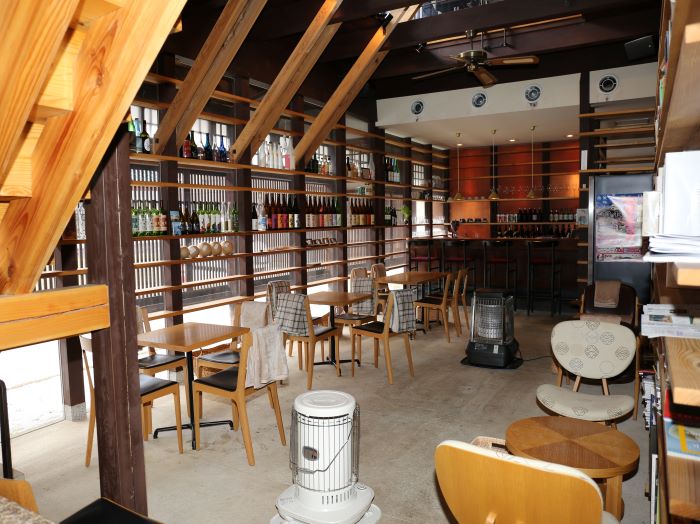
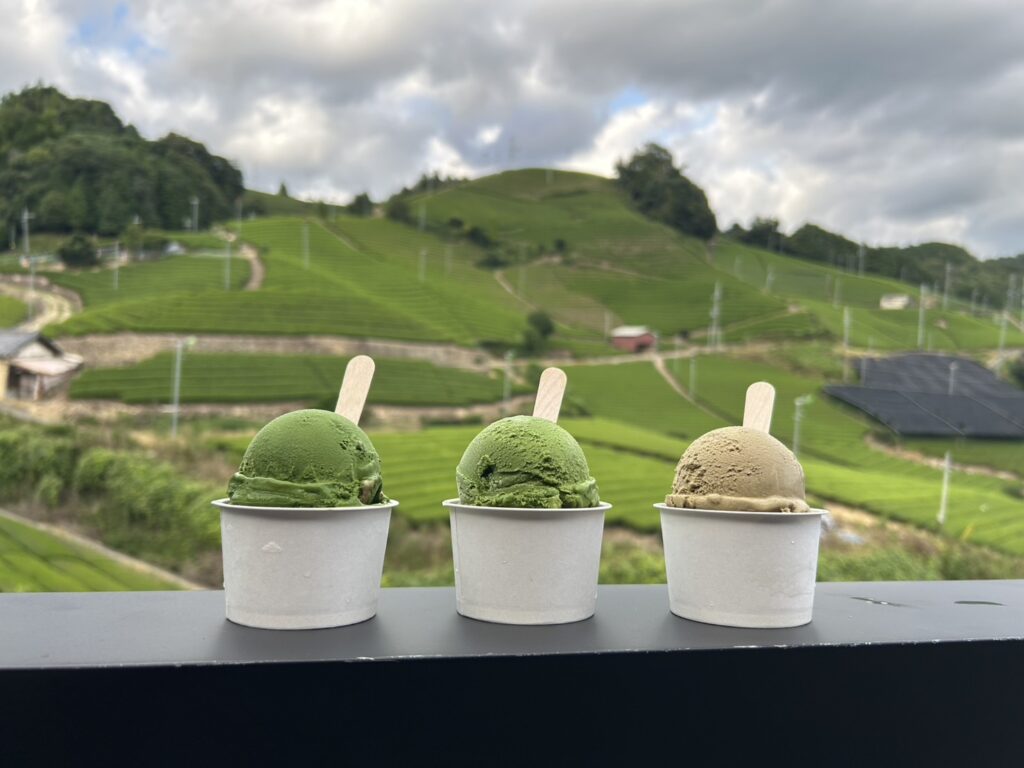
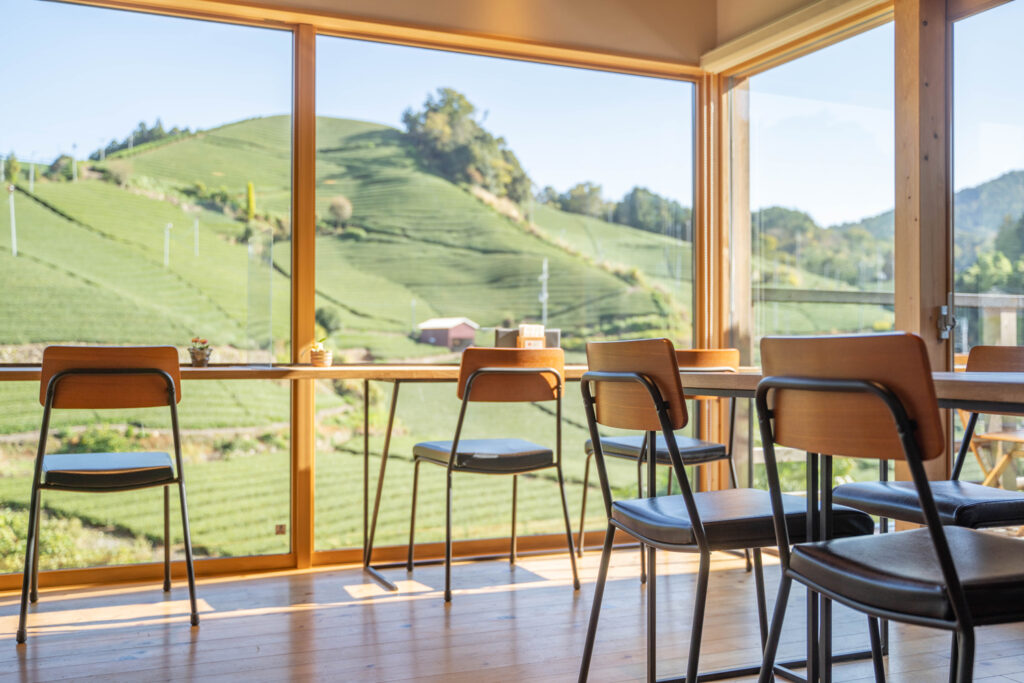
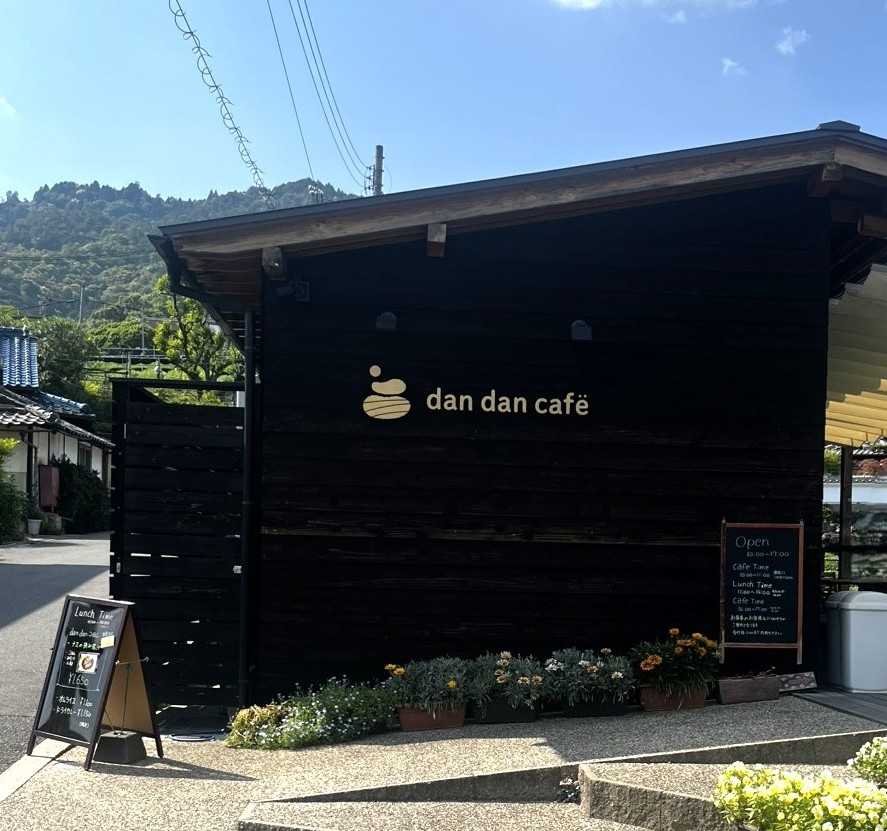
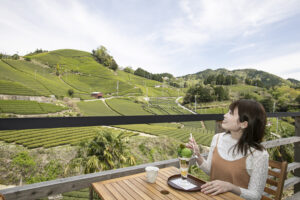
Located in the famous tea-producing town of Wazuka, dan dan cafë is a charming little café that stands alone amid lush green tea fields. From its windows you can look out on the picturesque Ishidera Tea Fields. The café is known for matcha sweets, drinks, and light meals made generously with locally produced Uji tea, perfect for appreciating the tea’s natural aroma and delicate flavor in every bite. Large windows offer a panoramic view of the tea fields, whose scenery changes beautifully with the seasons, but is sure to leave you with lovely memories whenever you visit. If you’re driving through Kyoto Tea Country, this is the perfect place to stop and enjoy a peaceful afternoon tea.

Dan Dan Cafë

Dan Dan Cafë

Located in Ishitera, this cafe offers a stunning view of Wazuka Town’s most famous tea plantation, which is a part of the Japan Heritage (Japanese Tea: Eight Centuries of Tradition). With the hope th …


Itoh Kyuemon: A Taste of Uji Matcha History in this Famous, Can’t-Miss Shop

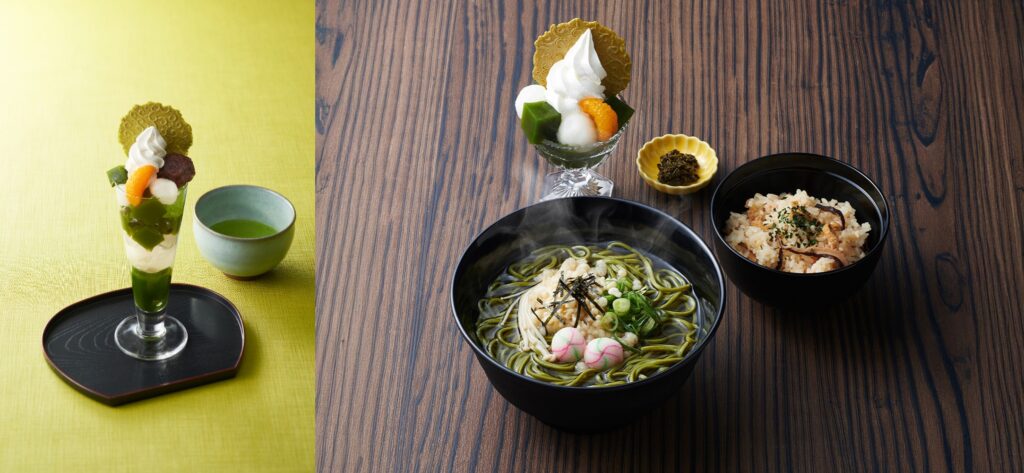
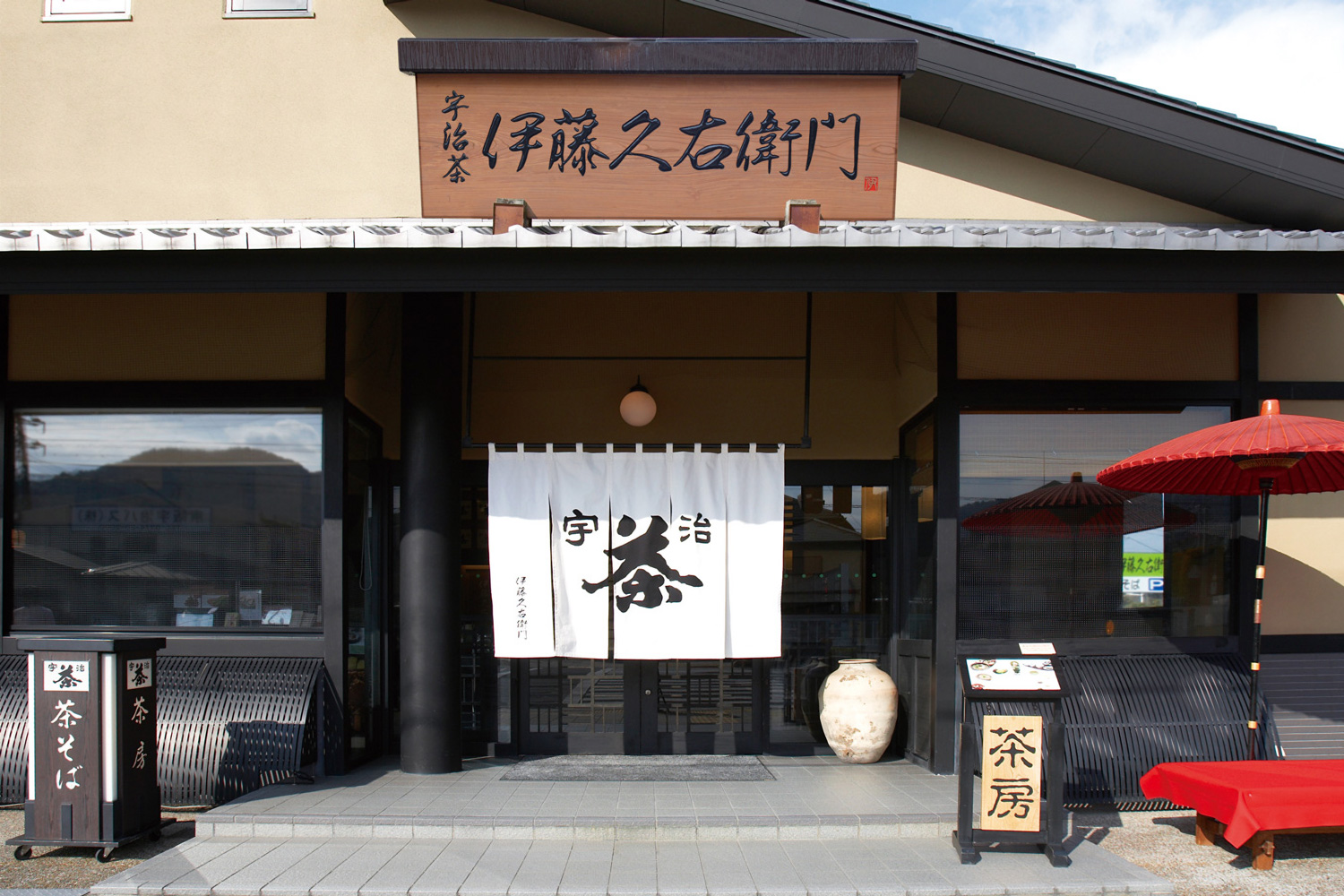
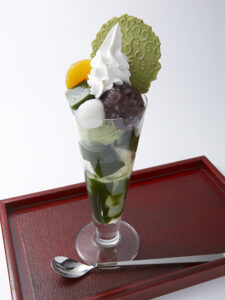
Founded in the late Edo period (1603-1868), Itoh Kyuemon is one of Uji’s most famous matcha brands and a must-visit spot if you’re traveling in the area. In addition to premium Uji tea, the tea shop’s adjoining café serves popular specialties that brilliantly reinterpret traditional tea culture into modern desserts and cuisine, like its generous matcha parfait or beautifully green matcha soba noodles. Itoh Kyuemon is also located nearby other famous attractions like Byodo-in Temple, so it’s a perfect spot to take a break while you’re out sightseeing. Just be aware that weekends, holidays, and peak travel seasons are extremely busy, so you’ll want to leave yourself plenty of extra time to really take in Uji’s matcha culture.

Itohkyuemon Uji Main Store

Itohkyuemon Uji Main Store

Itohkyuemon was founded in 1832. Their tea, processed with meticulous attention to quality, has been favored by many renowned temples and shrines. The main store is located on the right bank of the Uj …

Kyoto Otokuni Bamboo Grove: Discover Kyoto’s Fine Dining Traditions & Beloved Local Flavors

Kyoto’s Otokuni Bamboo Grove area is a region blessed to produce many different seasonal food items, not least of which are its famous bamboo shoots. This area is home to a unique culinary culture rooted in the lifestyle here: it blends together Kyoto’s refined ryotei dining with the warmth of cozy, homey neighborhood restaurants. After you walk through the beautiful bamboo forests and visit the storied temples and shrines, why not head to one of the local restaurants for a taste of Kyoto’s true deliciousness – a marriage of the season’s freshest ingredients and meticulous craftsmanship.


Uosu Kyoto Cuisine: Fine Ryotei Dining Artistry Meets Brilliant Sushi Culture

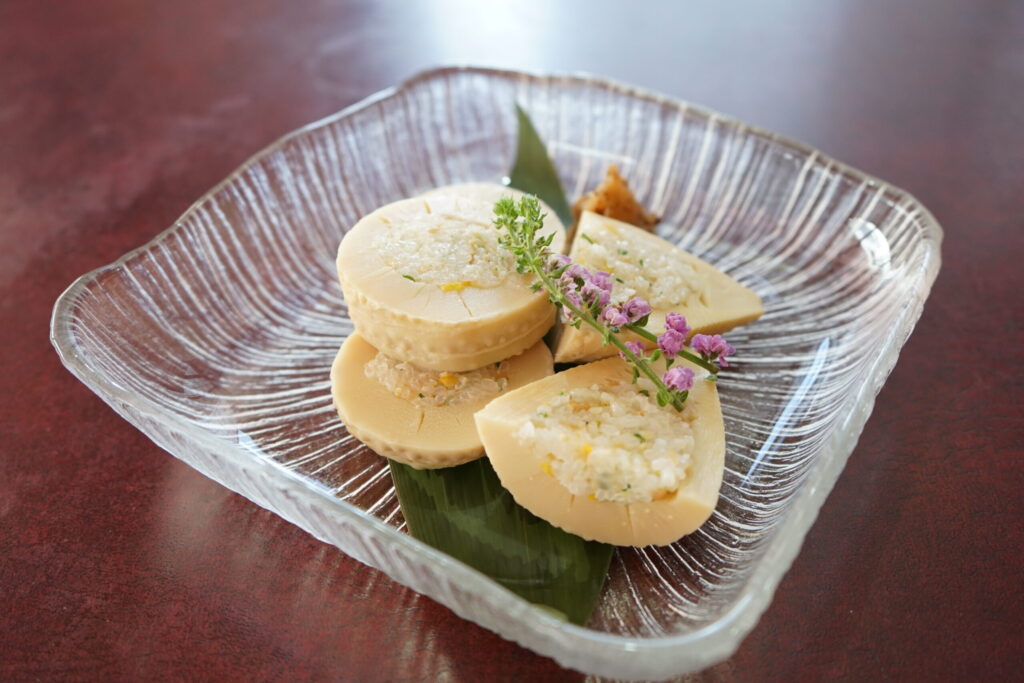
Uosu Kyoto Cuisine is a long-established Japanese restaurant that has been cherished in the Otokuni area for many years. It has earned a reputation for its exquisite Kyoto-style kyo-ryori cuisine and unique sushi creations found nowhere else. Using fresh seasonal ingredients, each beautifully presented dish delights both the eyes and the palate.
One dish you won’t want to skip is Uosu’s specialty, Takenoko Sugata-zushi (bamboo shoot sushi). It features vinegared rice layered with pickled cucumber-melon, wrapped in a bamboo shoot that’s been slowly simmered in a special dashi broth, and finished with a garnish of refreshing young Japanese pepper leaves. The bamboo shoots are remarkably tender, with an elegant sweetness that fills the mouth. You’ll want to take your time and savor the dishes in Uosu’s traditional Japanese atmosphere.

Uosu Kyoto Cuisine

Uosu Kyoto Cuisine

At the Kyoto cuisine restaurant Uosu, the second-generation owner has created a dish called “Takenoko Sugata Sushi” (stuffed bamboo shoot sushi), which allows guests to enjoy bamboo shoots all-year-ro …


Relish Shokudo: Homemade Comfort Food Featuring Otokuni’s Local Harvest

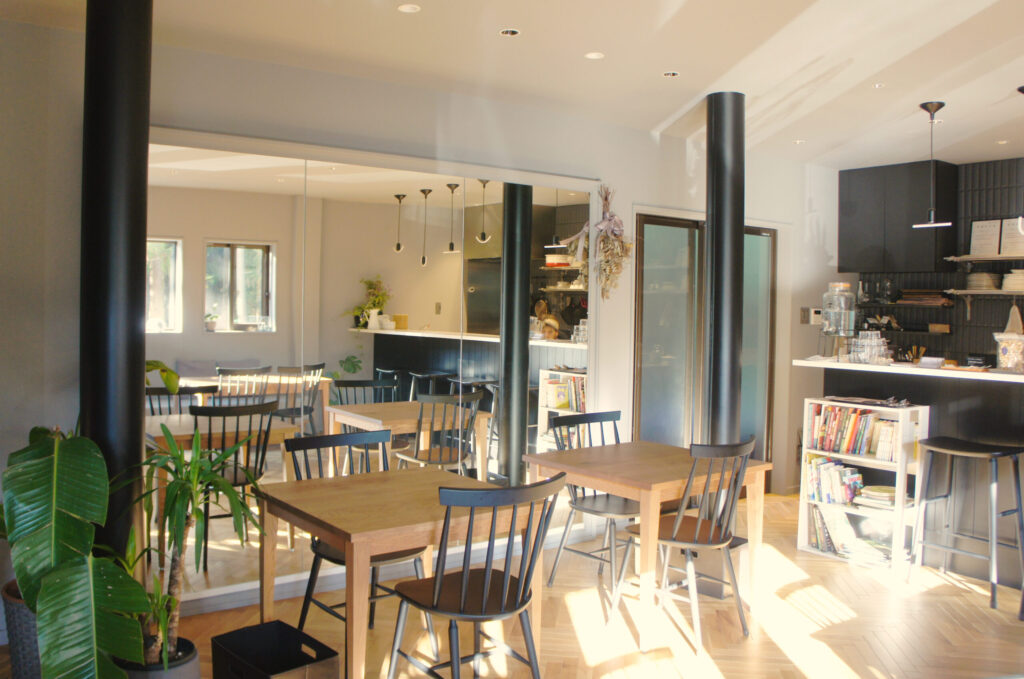
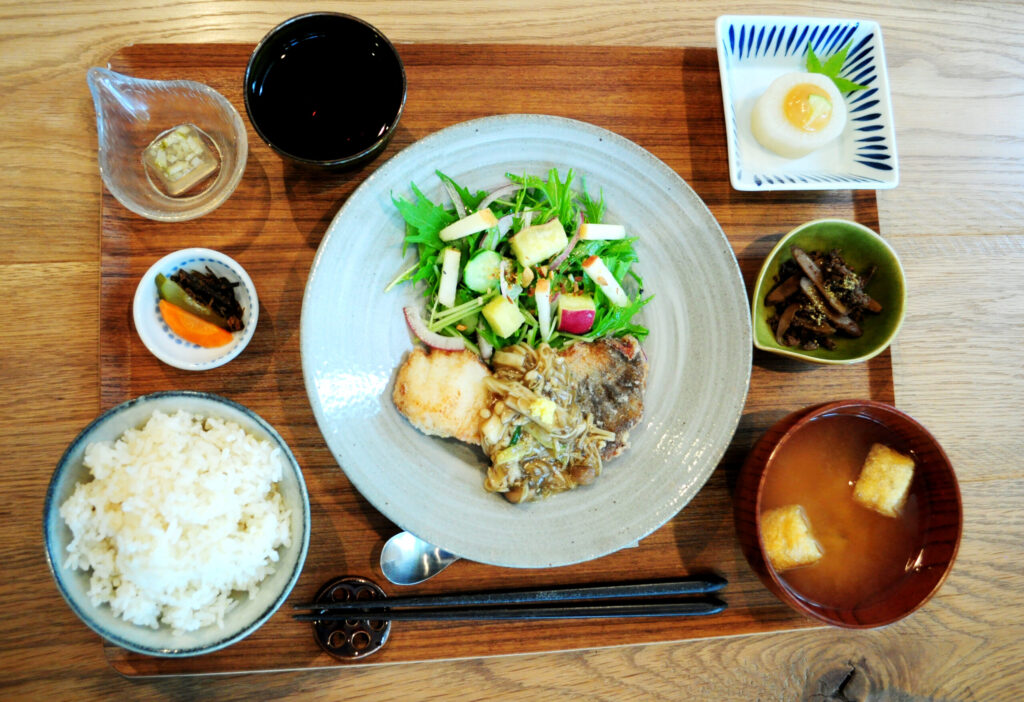
If you want to experience a more local dining experience in the Otokuni Bamboo Grove area, head to Relish Shokudo. This cozy restaurant was created by a local cooking school, and highlights the fresh vegetables and local produce grown throughout the Otokuni area.

At Relish Shokudo, you can enjoy a carefully prepared home-style meal that’s nutritionally balanced and thoughtfully designed with diners’ well-being in mind. Relax with a seasonal dish in the bright, welcoming interior, and you’ll feel like you’ve slipped into the unhurried rhythm of local life. It’s a wonderful place to discover both Otokuni’s rich agricultural traditions and the area’s local charm with a delicious lunch.

Relish Shokudo

Relish Shokudo

Relish Shokudo is an organic food cafe run by cooking class instructor Kaoru Mori. Lunch at Relish Shokudo is based on the traditional Japanese “washoku” format of “ichijuu sansai” (one soup and three …

Frequently Asked Questions About Kyoto Cuisine

Q1: What local food do I need to try while in Kyoto?
Each region of Kyoto Prefecture has its own unique foods. Kyoto by the Sea to the north is known for fresh seafood, Woodland Kyoto in the mountains for country-style dishes made with local produce, Kyoto Tea Country for its Uji matcha desserts and traditional wagashi sweets, and the Kyoto Otokuni Bamboo Grove area for traditional ryotei fine dining culture and unique sushi. If you’re planning your own route around Kyoto, we recommend enjoying some of these local foods while you’re sightseeing.

Q2: Do I need a reservation for restaurants in Kyoto?
Popular restaurants in both Kyoto City and its surrounding areas can become very busy, especially on weekends, public holidays, and during the cherry blossom and autumn foliage seasons. Some restaurants do accept advance reservations, but others operate on a first-come, first-served basis, so you’ll want to check restaurants’ official websites and other options for making a reservation, where possible, before you head out. You may also want to try to make your visit outside of peak hours and allow extra time, to make your visit a little smoother.

Q3: What’s the best way to plan if I want to experience a variety of different kinds of Kyoto food during my trip?
If your schedule allows, the best approach is to combine regional sightseeing with the local food experiences along the way. For example, you can enjoy fresh seafood when you visit Amanohashidate or Ine, country-style cuisine in Fukuchiyama, matcha culture in Uji, and then some traditional Kyoto-style kyo-ryori cuisine while you stroll through the Otokuni Bamboo Grove area. If you plan your trip like this, you’ll be able to get a real sense of the different landscapes and food

From the fresh seafood of Kyoto by the Sea, to the comforting country meals of Woodland Kyoto, to the rich matcha of Kyoto Tea Country, and finally to the elegant ryotei and local cooking of the Kyoto Otokuni Bamboo Grove area, each of Kyoto’s regional cuisines tells a story unique to the land.

On your next trip to Kyoto, consider a trip that mixes sightseeing with a tour of the local cuisine. Walk the scenic coastlines, explore historic mountain towns, wander through tea-growing villages, and stroll among peaceful bamboo forests while enjoying flavors you can only experience here. Come discover the remarkable depth and diversity of Kyoto Prefecture’s culinary culture for yourself.

Another Kyoto Partners