Inspiration

Charms and Fortunes, Oh my! Explore Kyoto’s Cute Omamori and Omikuji

2024.10.15

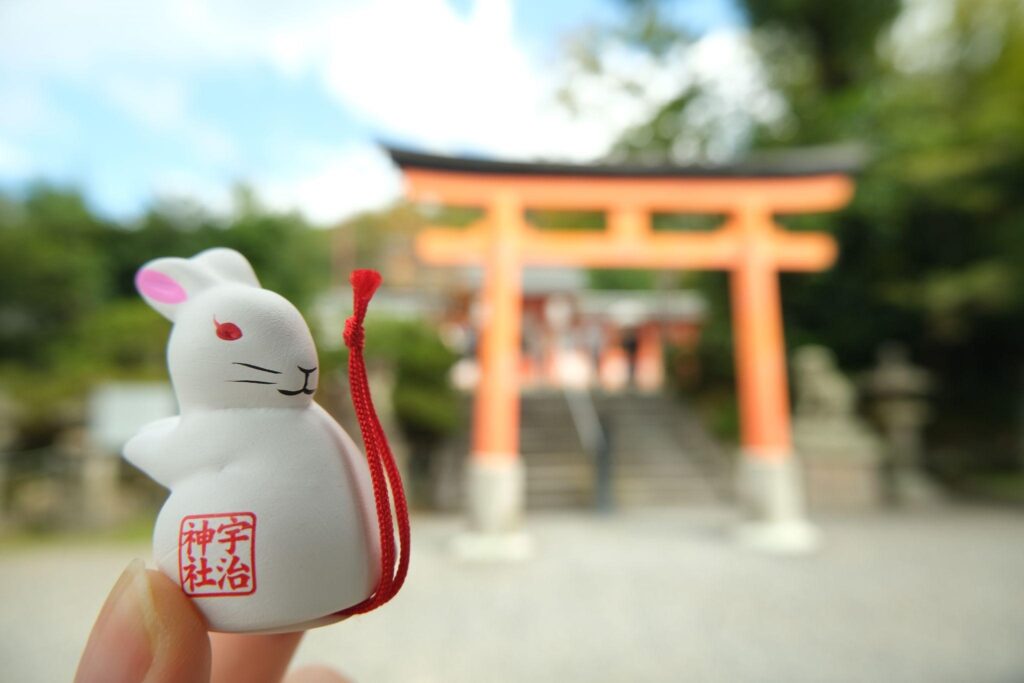
Rabbit charm
Kyoto by the Sea Woodland Kyoto Kyoto Tea Country Kyoto Otokuni Bamboo Grove

Ujikami Shrine: The Colorful Rabbit Omikuji
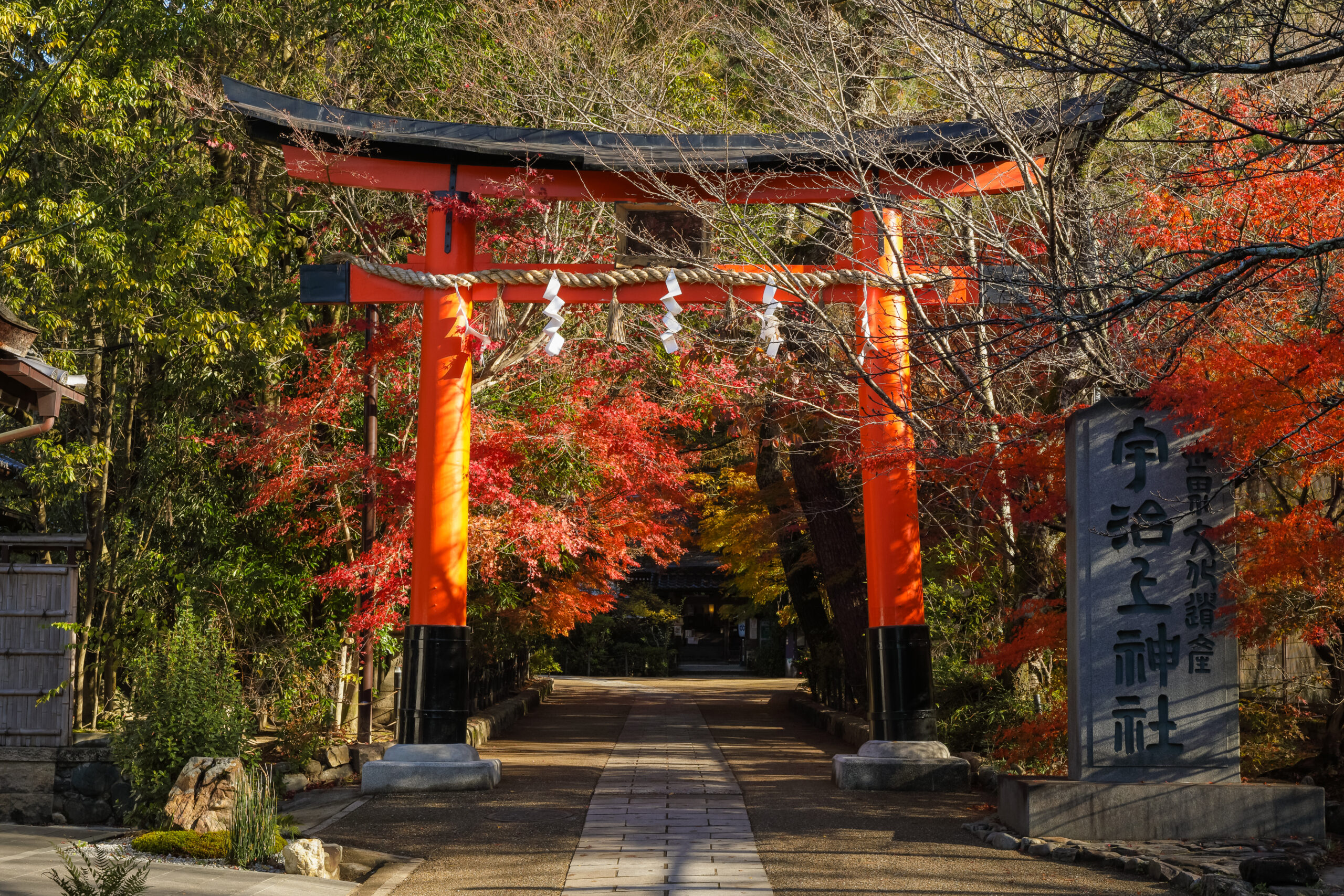
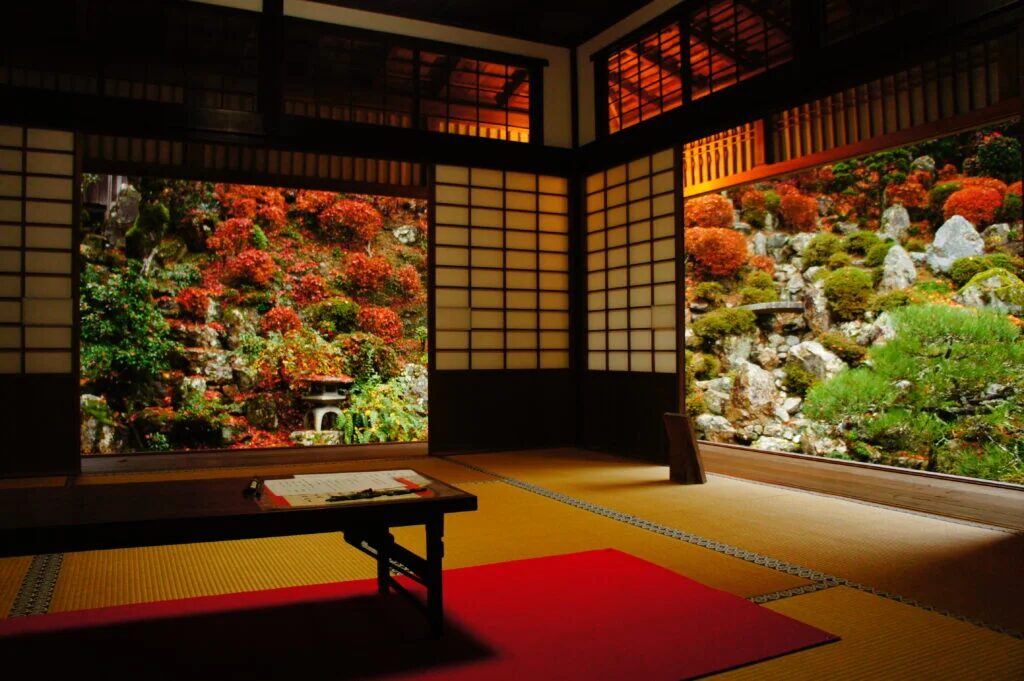
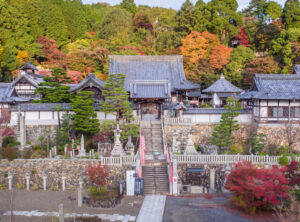
Ujikami Shrine in Fall
©UjiCity

A World Heritage site, Ujikami Shrine, is located just east of Uji-Shrine. The shrine is known for its history dating back to the Heian Period (794-1185), ancient architecture, and sacred atmosphere. In Uji, there is the legend of the Mikaeri Usagi (mentioned above), and this shrine offers charming rabbit omamori (Japanese amulets), omikuji, and so on.
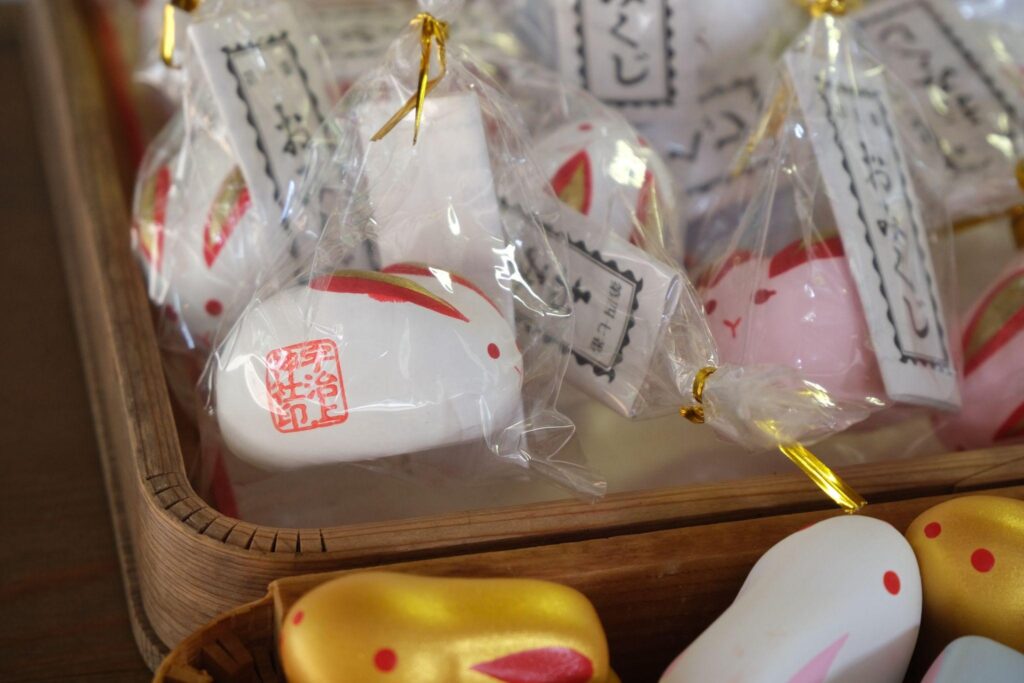
Tray of rabbit fortunes

The omikuji comes in two types: pottery and papier-mache (made of paper). They contain small slips of paper, which tell fortunes about various aspects of life, including love, health, and success. Choose your favorite color, and take the adorable rabbit figurine home as a keepsake.
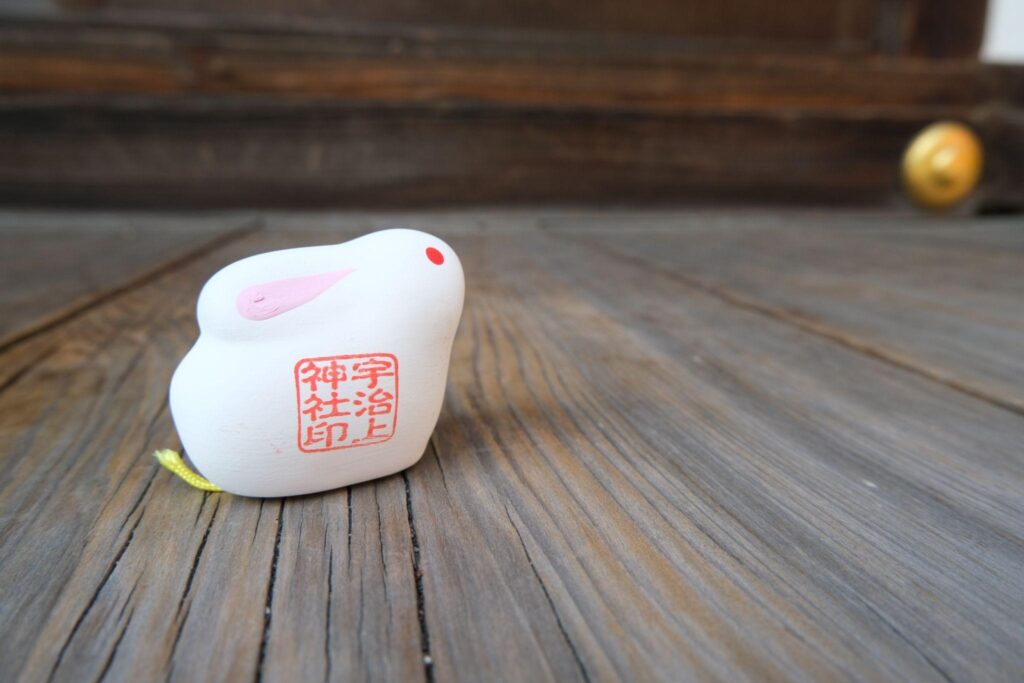
Rabbit fortune

Embrace the wisdom of the omikuji, and let it illuminate your path!

Price:
500 yen

Access:
About 10 min. on foot from Uji Station (Keihan Uji Line)
About 20 min. on foot from Uji Station (JR Nara Line)

Ujikami Shrine

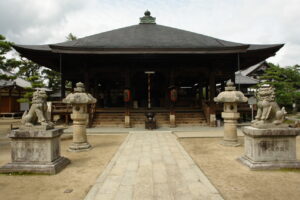
Ujikami Shrine is one of the World Heritage sites. It was once a single shrine together with Uji-Shrine, as a guardian shrine for Byodoin Temple.
The main hall (a National Treasure), built in the late Heian Period (794-1185), is the oldest existing shrine building in Japan. Built in the Nagare-zukuri style characterized by its long, flowing roof, it houses three structures to enshrine deities, which are two larger shrines flanking a smaller one in the center.
The worship hall (a National Treasure) is part of a building constructed in the Shinden-zukuri, the representative architectural style of aristocratic residences in the Heian Period.
The enshrined deities are Emperor Ojin, Uji no Wakiiratsuko, and Emperor Nintoku.
Ujikami Shrine offers charming rabbit omamori (Japanese amulets), omikuji (small items containing fortune-telling slips), and so on.
Mimurotoji: The Heart Hydrangea Charm

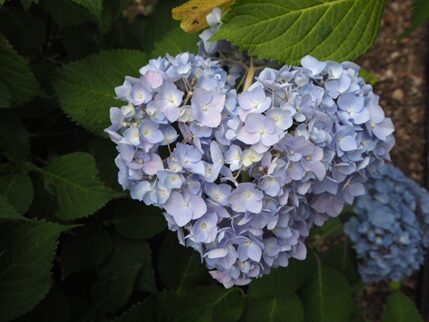
Heart Hydrangea at Mimuroto-ji Temple
©UjiCity

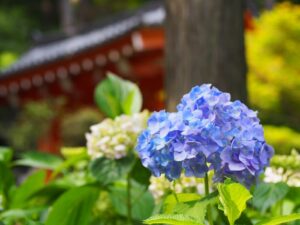
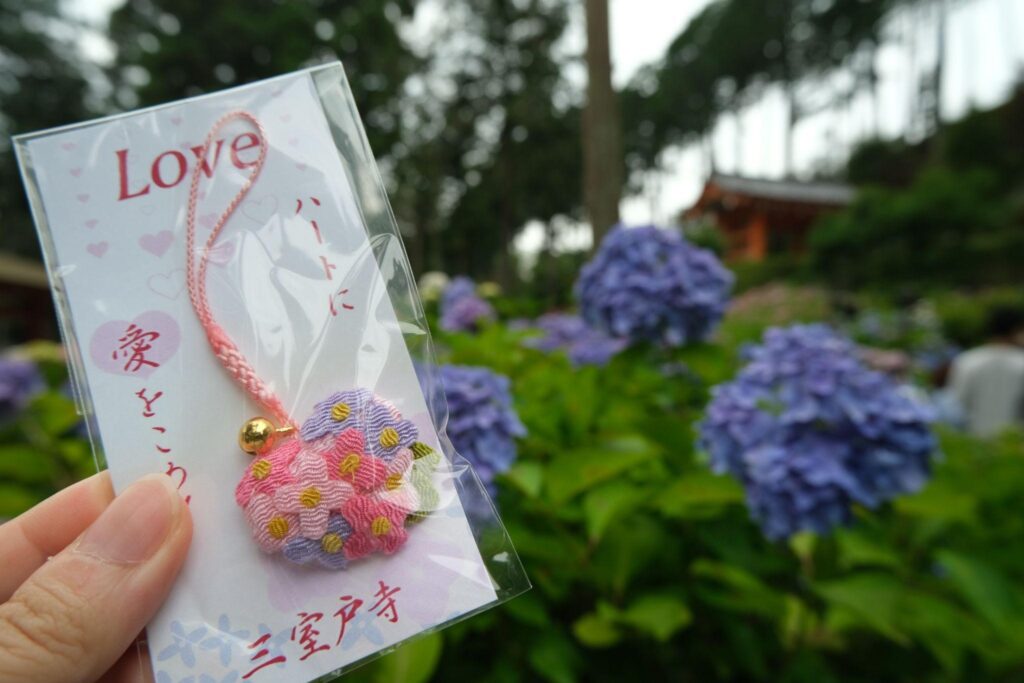
The Mimurotoji temple, often called the Hana no Tera (the flower temple), is renowned for its spectacular gardens. Located in Uji City, it attracts many people, including flower enthusiasts, those who are interested in history, and soul searchers. In the hydrangea garden, you can admire approximately 20,000 hydrangea plants of various colors, such as blue, purple, pink, and white, in the rainy season around June. Stroll through the garden, and immerse yourself in a vibrant sea of hydrangeas. If fortune smiles upon you, you might stumble upon a naturally formed heart-shaped hydrangea! This temple is famous for the heart-shaped hydrangeas, for it is even rumored that if you find one, your love will come true.

Heart Hydrangea Charm

The charm of the heart-shaped hydrangeas is lovely and meaningful. Why not get one? It’s wonderful as a souvenir or an accessory for your bag.

Price:
1,000 yen
Admission: General 1,000 yen; Child 500 yen

Access:
From Mimurodo Station (Keihan Uji Line), walk for 15 minutes or take a taxi

Mimurotoji

Mimurotoji

The Mimurotoji temple is located in Uji City in the Kyoto Tea Country region, southern Kyoto Prefecture. This temple has a long history, and its Treasure House enshrines Buddhist statues including Imp …

Izumo Dai-jingu Shrine: The Okuninushi and Rabbit Omikuji

Izumo Dai-jingu Shrine

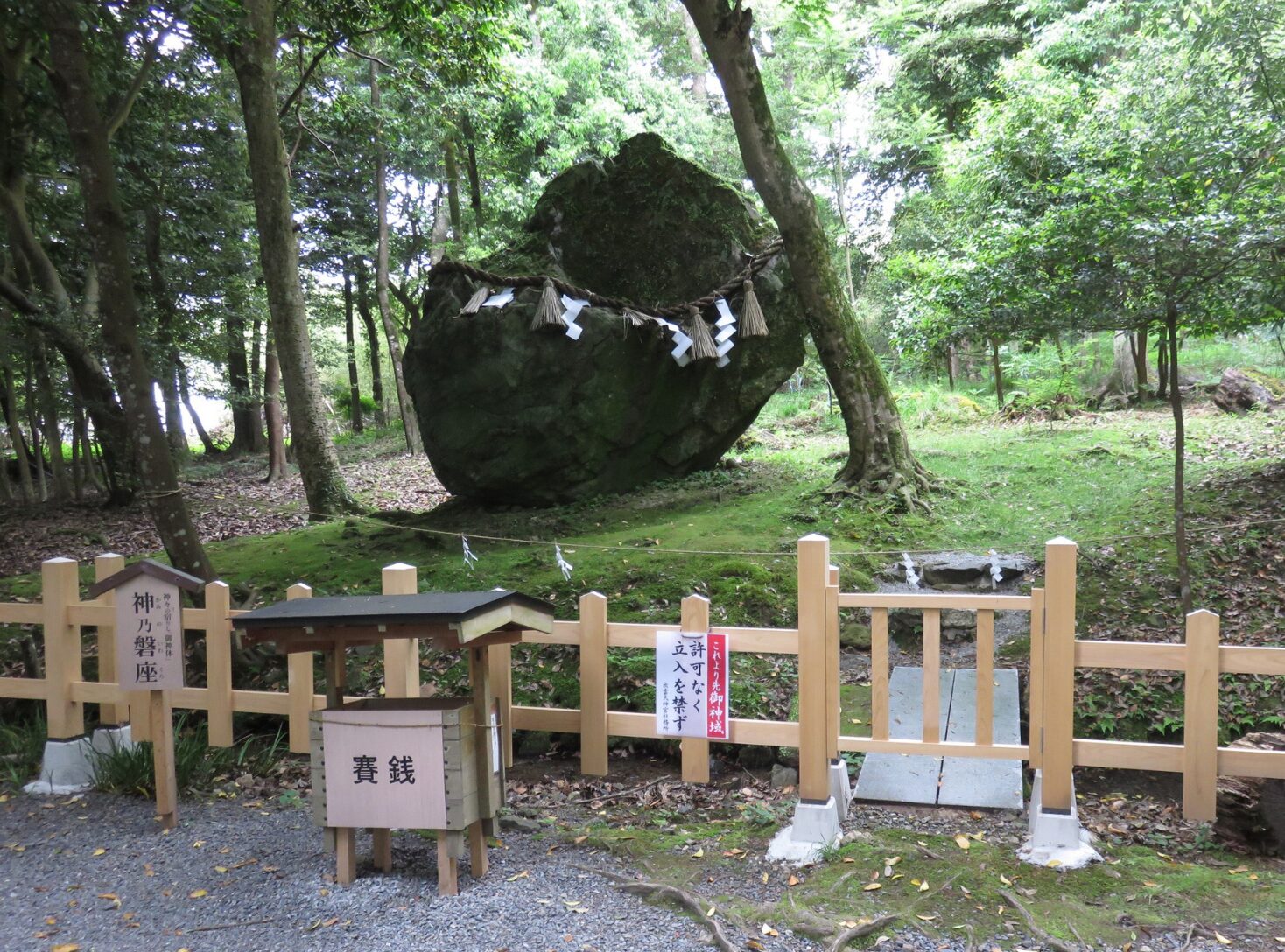
In Kameoka City, Izumo Dai-jingu Shrine stands as a testament to ancient legends and divine virtues. It is known for its association with the god Okuninushi no Mikoto, a compassionate deity also known as the Inaba-no-moto rabbit.

Okuninushi No Mikoto Charms

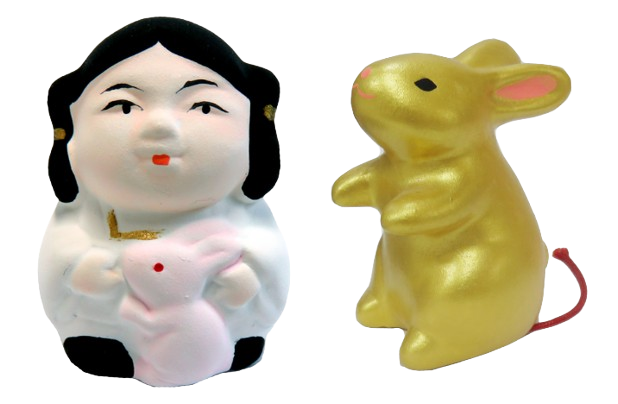
At Izumo Dai-jingu Shrine, you will find two charming omikuji. One depicts Okuninushi no Mikoto, and the other features a rabbit. These delightful ceramic figures each contain a fortune. The rabbit figurines, often in soft pink with gold accents, symbolize Okuninushi’s connection to the rabbit. These charms represent the 3 great divine virtues of the shine: longevity, matchmaking, and financial luck.

So go draw a fortune at Izumo Dai-jingu Shrine and let the divine blessings guide you towards love and harmony.

Price:
300 yen per fortune

Access:
Take the Keihan Kyoto Kotsu Bus from the North exit of JR Kameoka Stn. to “Izumo Dai-jingu-mae” bus stop.

Izumo Dai-jingu Shrine

Izumo Dai-jingu Shrine

This is a shrine that is famous for marriages. In its precincts, there are many attractions such as “Meoto iwa” where visitors go to tie the red thread of their amulets, and “Manai no Mizu,” which is …

Motoise Kono Shrine: The Tenganmamori Charm

Motoise Kono Shrine

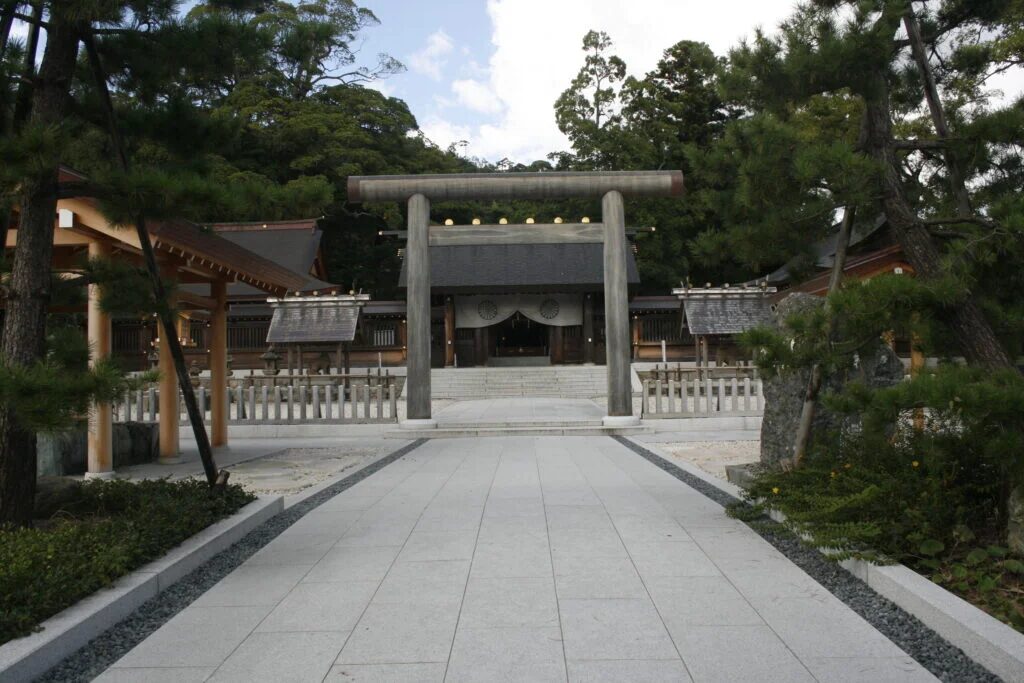
Motoise Kono Shrine is located in Miyazu City, near the scenic Amanohashidate. This shrine holds a deep historical and cultural significance and is considered one of the most important in Japan’s history, with its origins linked to the Ise Grand Shrine in Mie Prefecture.

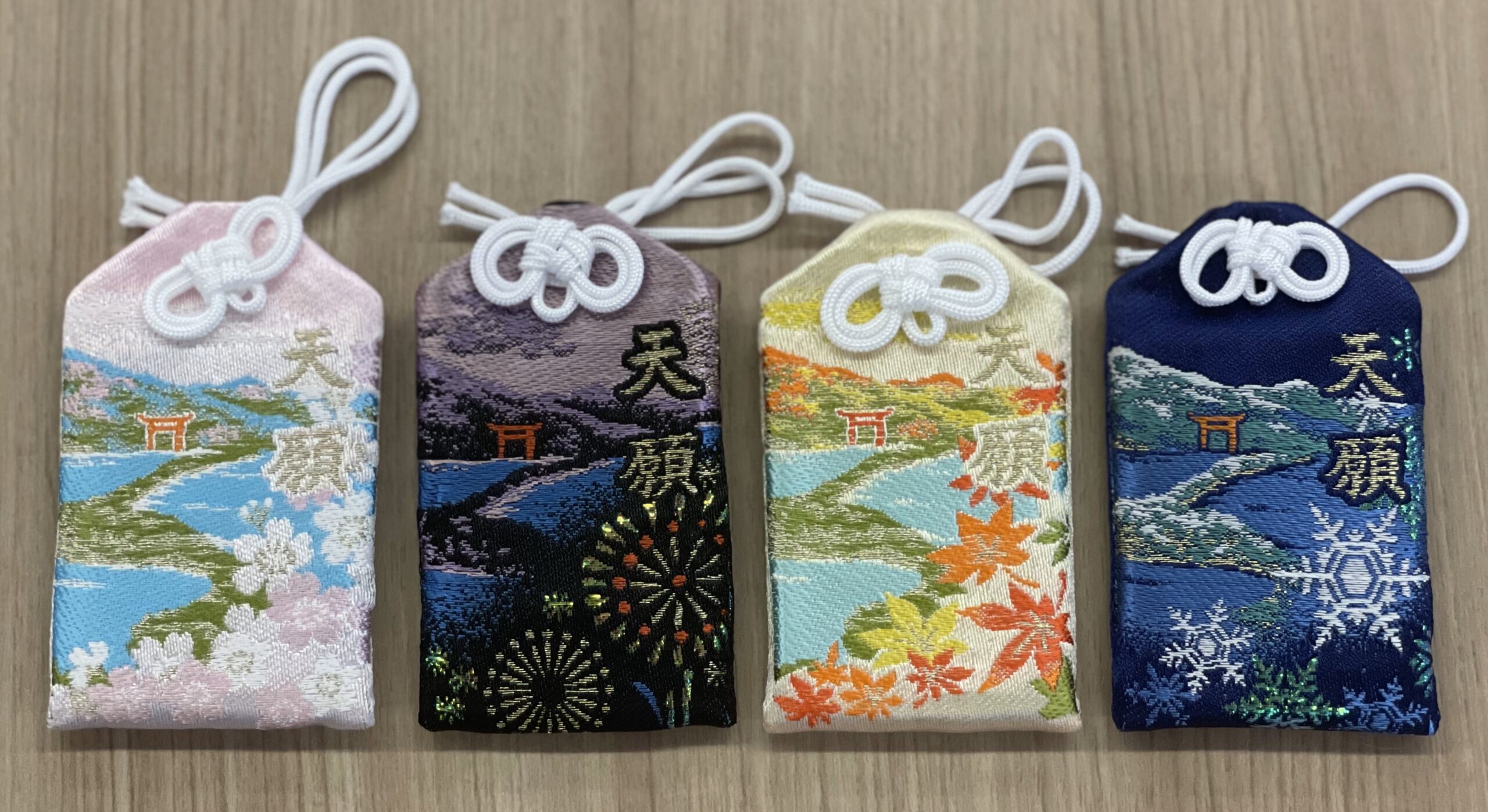
Tenganmamori Charm depicting four seasons

The Tenganmamori Charm is a special offering at Motoise Kono Shrine. Its detailed embroidered motifs represent the four seasons of Amanohashidate. According to legend, Amanohashidate was formed by the deity Izanagi-no-mikoto as a pathway from the heavens. This charm is thought to carry your wishes to the heavens through this pathway. Holding it will remind you of the natural beauty you experienced in the region.

Visit Motoise Kono Shrine to obtain the Tenganmamori Charm and experience the timeless blessings it offers.

Price:
1000 yen per charm

Access:
5 minute walk from the north side of Amanohashidate

Motoise Kono Shrine

Located to the northern side of Amanohashidate, one of Japan’s “Three Famous Scenic Views,” the ancient Motoise Kono Shrine is so called (literally, “former Ise”) because before the deities were moved to Ise-jingu Shrine in Mie Prefecture, the sun goddess Amaterasu and the goddess Toyo-uke Daijin were enshrined here. In front of the main hall, you’ll see shining, five-colored “suedama” (a kind of traditional Buddhist orb, representing a sacred jewel), an object only allowed to be placed in Ise-jingu Shrine and here in Kono Shrine.

Chion-ji Temple: The Folding Fan Fortune

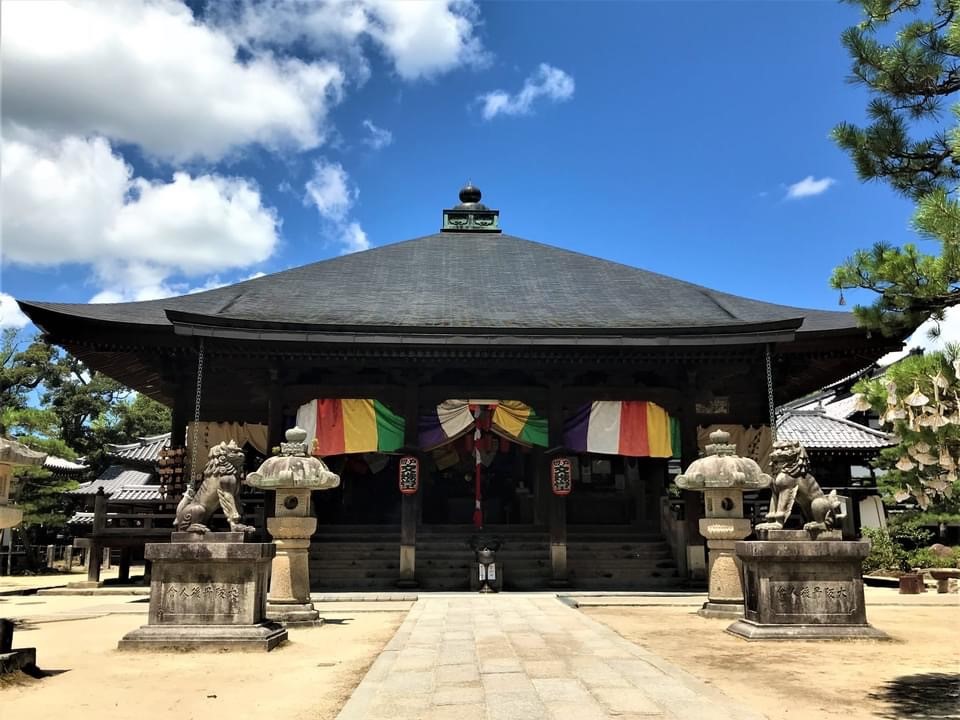
Chion-ji Temple, located near Amanohashidate, is a renowned temple dedicated to Monju Bosatsu, the Buddha of wisdom. It is famous for its association with academic success and wisdom, attracting students and scholars from across Japan.

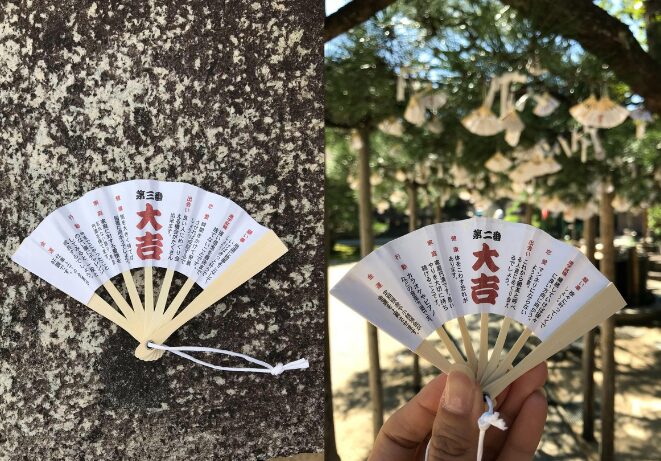
Folding fan fortunes

The Folding Fan Fortune (Suehiro Sensu Omikuji) is a distinctive feature of Chion-ji Temple. These fortunes, designed as folding fans, symbolize the spread of good luck and wisdom. After drawing your fortune, many people to tie it to a pine tree within the temple grounds, creating a beautiful display of hope and aspirations. The fans tied all over the temple grounds look like flowers in bloom.

Experience the wisdom and elegance of the Folding Fan Fortune at Chion-ji Temple and let your dreams and goals flourish.

Price:
300 yen per fortune

Access:
5 minutes walk from Amanohashidate Station

Chion-ji Temple

Chion-ji Temple

With the largest temple gate in the Tango region, Chion-ji Temple is a sacred location of the bodhisattva of wisdom, Monju, and the temple known as one of three Monju Buddhist temples in Japan. It’s f …

Yanagidani Kannon (Yokoku-ji Temple): The Flower Water Charm

Yanagidani Kannon

Yanagidani Kannon, or Yokoku-ji Temple, in Nagaokakyo City, is a place of serene beauty and spiritual significance. Known as the “Western Kiyomizu,” it offers a peaceful retreat with its lush gardens and historical artifacts. The temple’s hanachozu (flower basins), each with a distinct name, are a sight to behold and offer a tranquil experience for visitors.

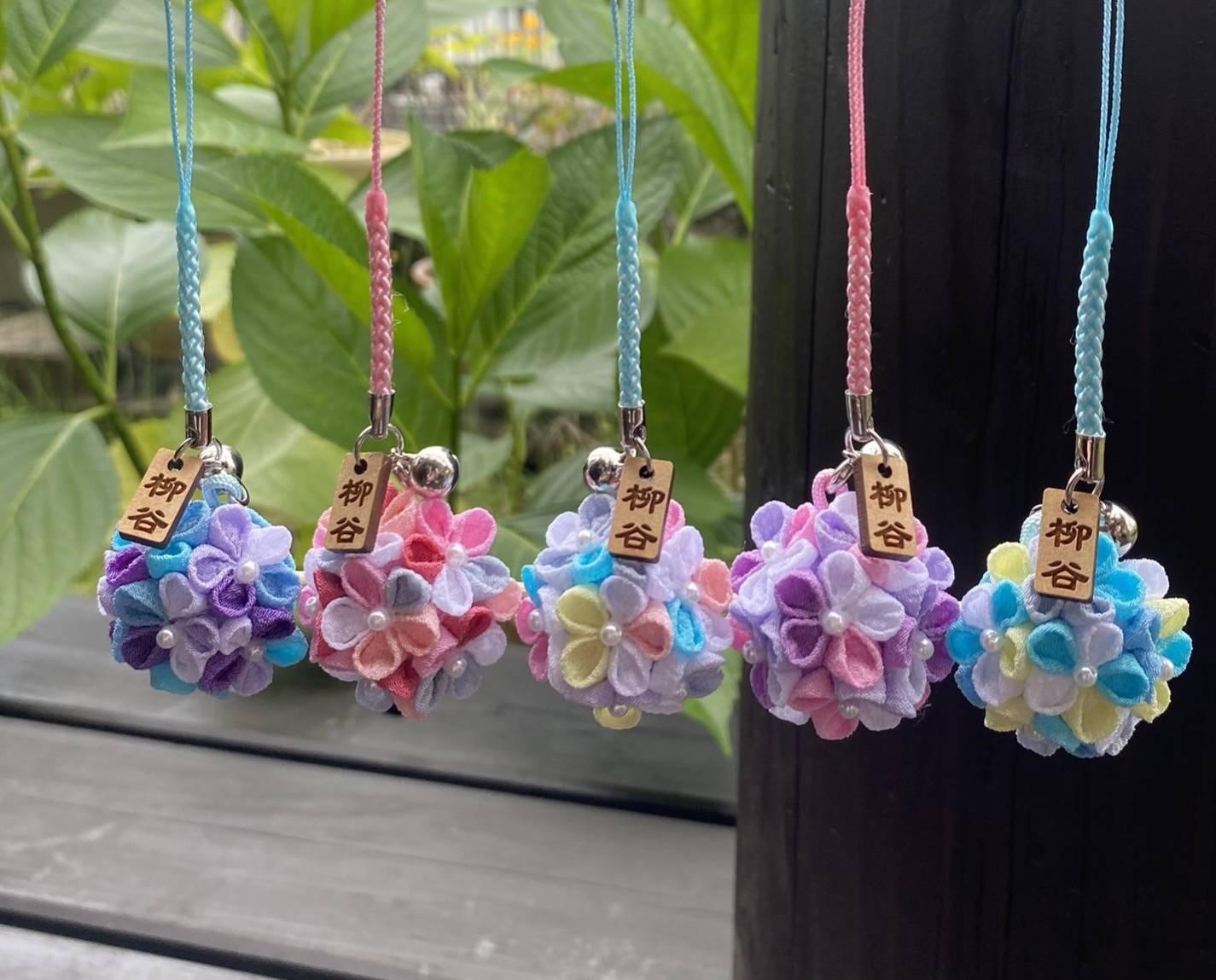
Flower water charms

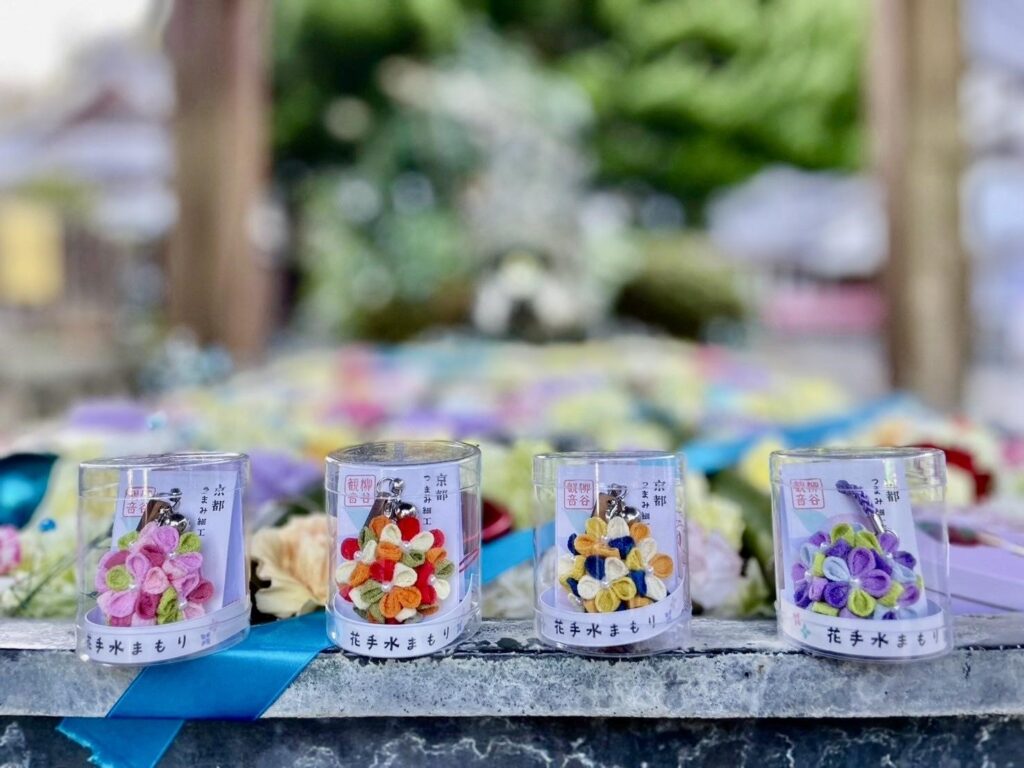
The Flower Water Charm (Hanachozu Omamori) is a unique and visually stunning offering. This charm, made with ‘Tsumami Zaiku,’ a traditional Kyoto craft used in the hair ornaments of maiko (apprentice geisha), is inspired by the ancient custom of floating flowers in water for purification and aims to bring peace of mind and blessings. The charm is available in a variety of colors and is the perfect way to bring back a piece of the temple with you.

Flower water charms in plastic cases

Visit Yanagidani Kannon to receive the Flower Water Charm and immerse yourself in the temple’s serene beauty and spiritual blessings.

Price:
2800 yen per charm

Access:
From Hankyu Nishiyama Tennozan Station, take Hankyu Bus to “Okukaiin-ji” bus top, then walk approximately 40 minutes or take a taxi for 10 minutes.

From Hankyu Nagaoka Tenjin Station, take Hankyu Bus to “Okukain-ji” bus stop, then walk approximately 40 minutes or take a taxi for 10 minutes.

Approximately 15 minutes by taxi from JR Nagaokakyo Station.

Yanagidani Kannon (Yokoku-ji Temple)

Yanagidani Kannon (Yokoku-ji Temple)

Yanagidani Kannon (Yokokuji Temple) is located in Nagaokakyo City, not far from Kyoto City and close to the famous Otokuni Bamboo Grove, where the main attraction is the eleven-faced, thousand-armed s …

Iwashimizu Hachimangu: The Dove Omikuji

Iwashimizu Hachimangu Shrine

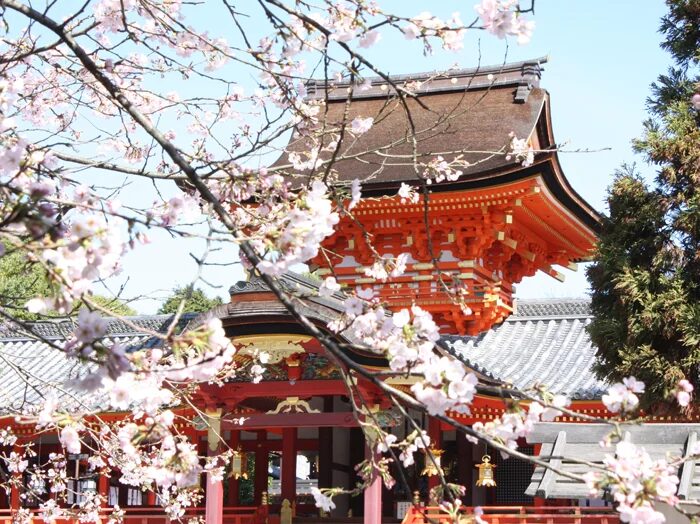
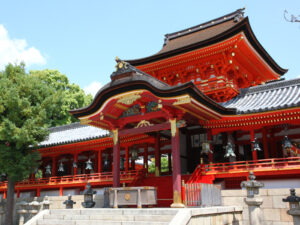
The Iwashimizu Hachimangu shrine, located in Yawata City, is one of the three major Hachimangu shrines dedicated to Hachiman Okami, believed to be ancestors of the emperors of Japan. Since ancient times, Hachiman Okami have been deeply revered as guardian deities of Kyoto and the nation in this shrine. Also, the shrine was a sacred place of worship for some of the most famous samurai warriors. It has National Treasures including the main building of the complex, which is adorned with intricate, colorful carvings. The shrine’s historical significance and stunning architecture make it a must-visit.

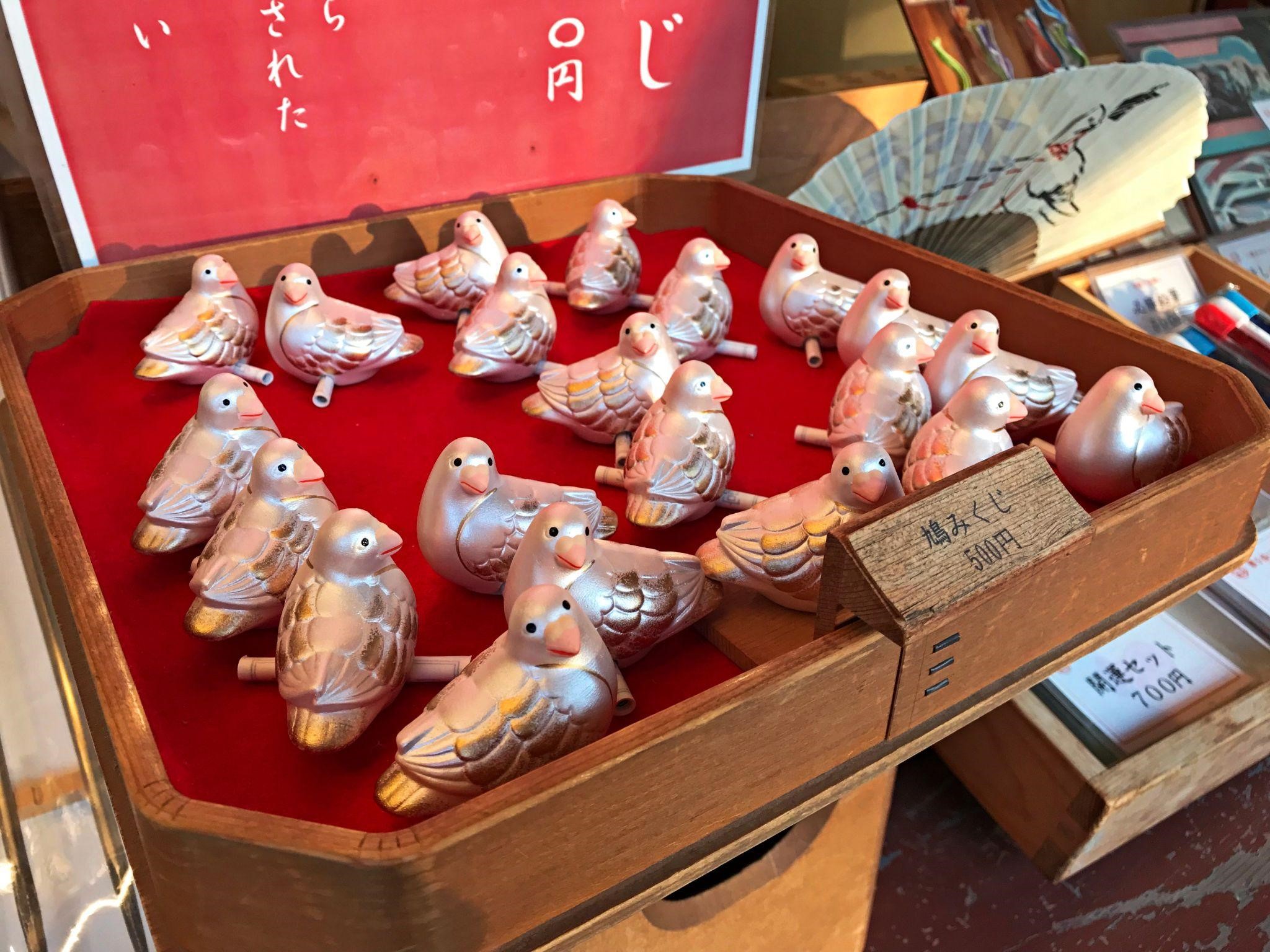
The dove-shaped omikuji are unique to this shrine. They come in two versions: one facing left, and one facing right. The smooth texture of the pottery and the light pink color are quite lovely. The rolled fortune slips offer guidance, enriching the experience of visiting the shrine and connecting with your inner self.

Get this adorable omikuji, and then it will become your companion that gently guides you on your life’s journey.

Price:
700 yen

Access:
From Iwashimizu-hachimangu Station (Keihan Main Line), take the cable car (from Cable-hachimangu-guchi Station to Cable-hachimangu-sanjo Station) and walk for 5 minutes.

Iwashimizu Hachimangu

Iwashimizu Hachimangu

Iwashimizu Hachimangu is one of the three major Hachimangu shrines. This majestic shrine, with a nearly 1,200-year history, is considered Japan’s second most important shrine after Ise Jingu (Ise Shri …

Kyoto’s temples and shrines offer a myriad of omikuji and omamori, each with its own unique charm and significance. Whether seeking guidance, protection, or blessings, these spiritual tokens provide a profound connection to Japan’s rich cultural heritage. They also serve as a wonderful reminder of your journey to reflect on in the years to come. Make sure to include these mystical experiences in your Kyoto itinerary and embrace the spiritual essence of this diverse prefecture.

*Prices listed in this article are accurate at the time of posting

Another Kyoto Partners