
Understanding Omamori and Omikuji
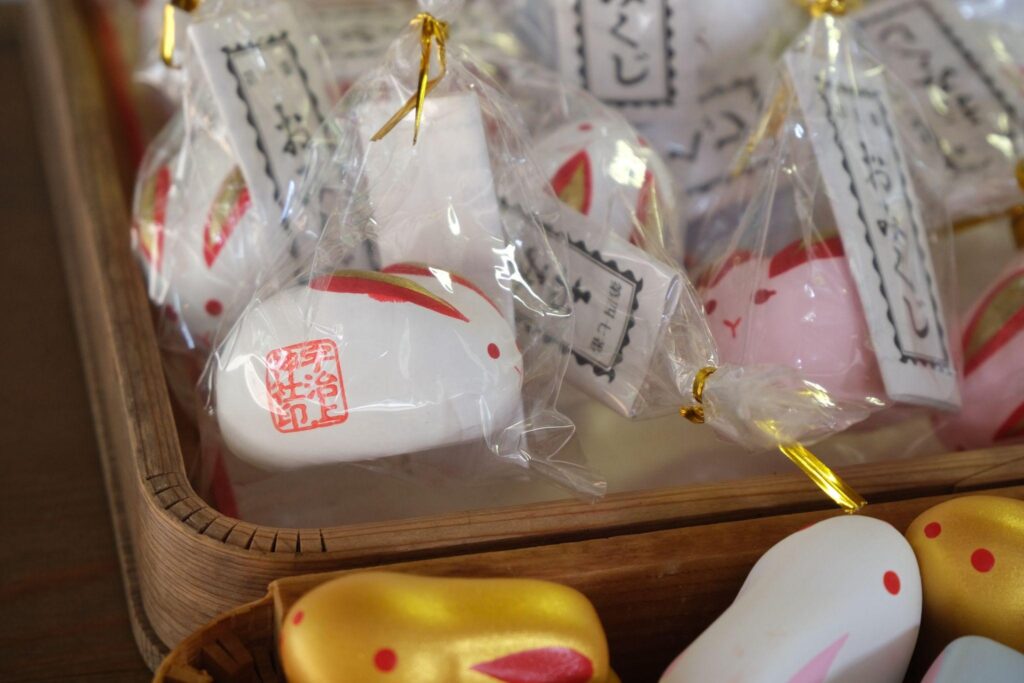
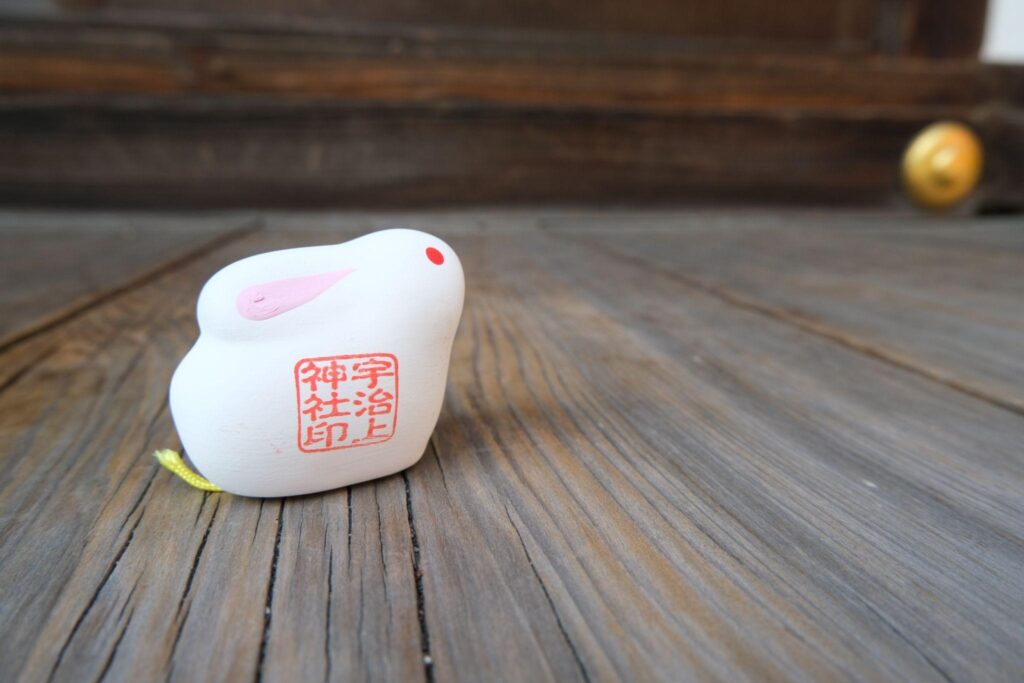
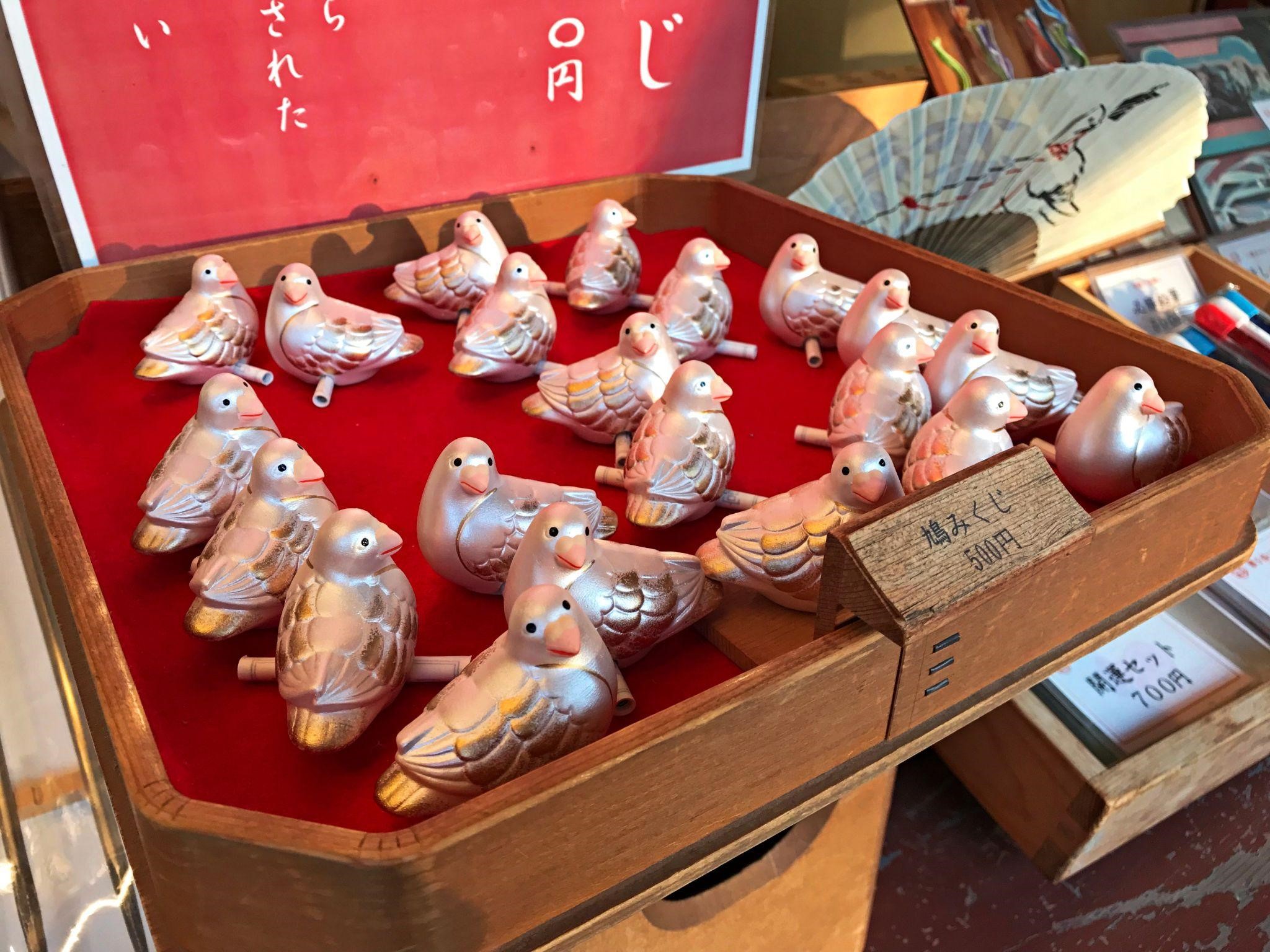
Kyoto, with its deep spiritual roots, is the perfect place to find omamori (charms) and omikuji (fortunes). While both offer a connection to the divine, they serve distinct purposes and come with their own traditions.
What is the purpose of Omamori?
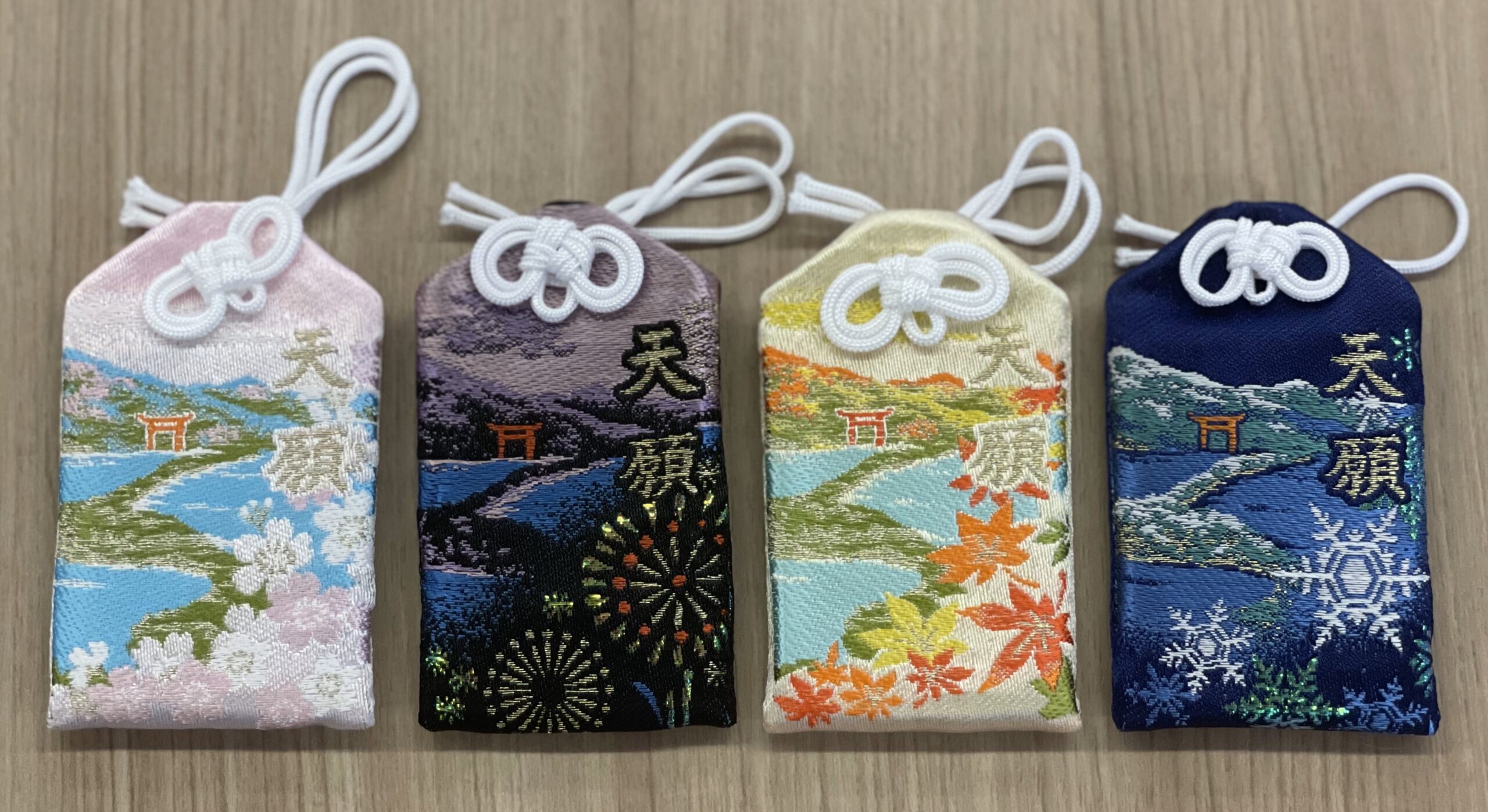
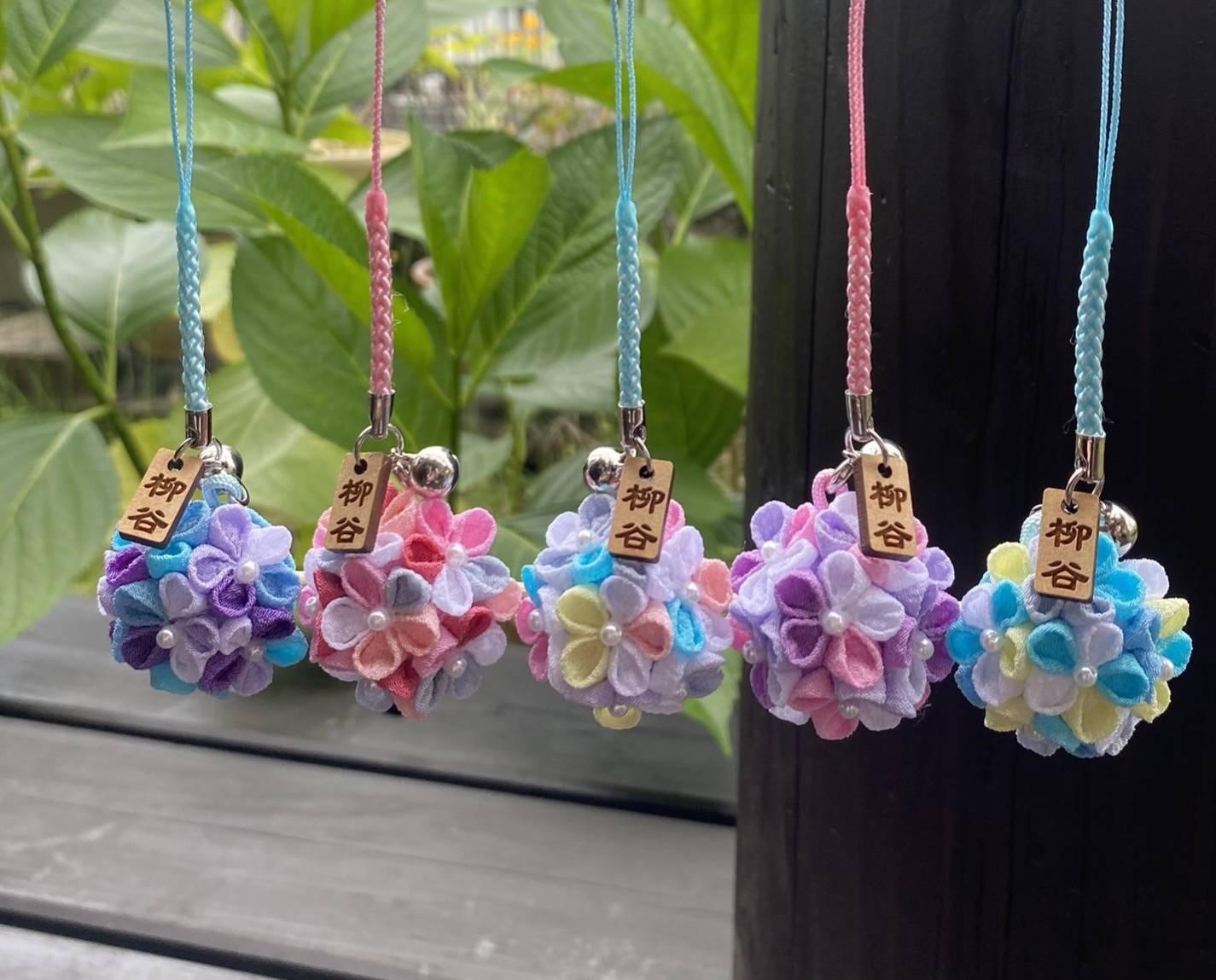
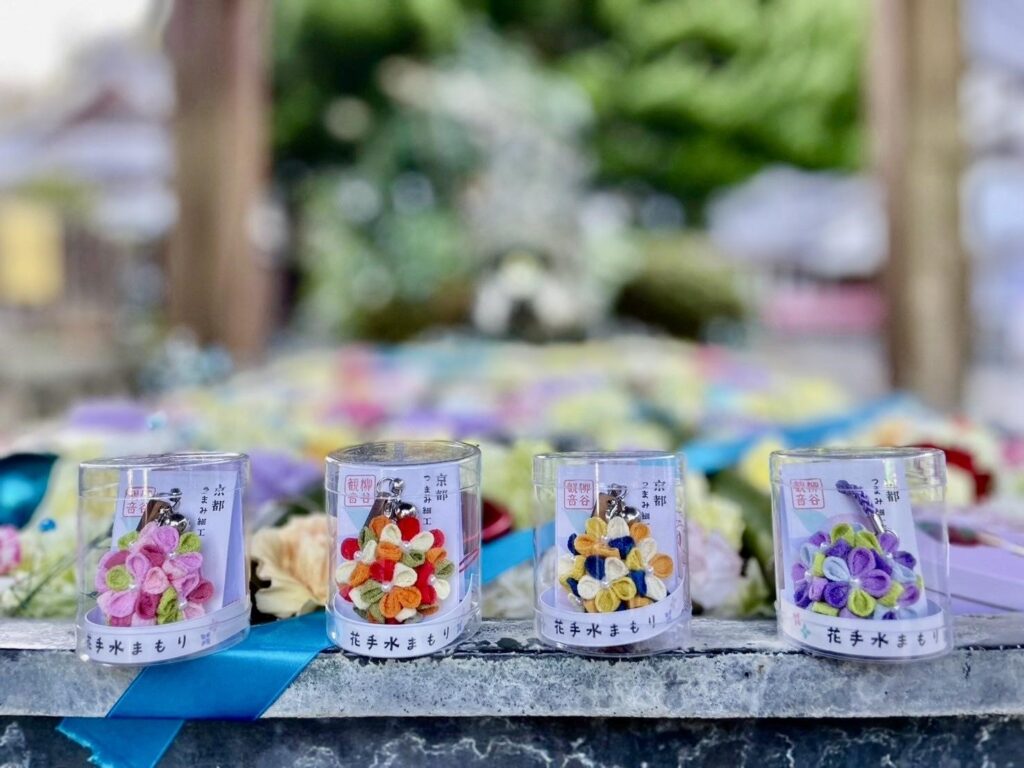
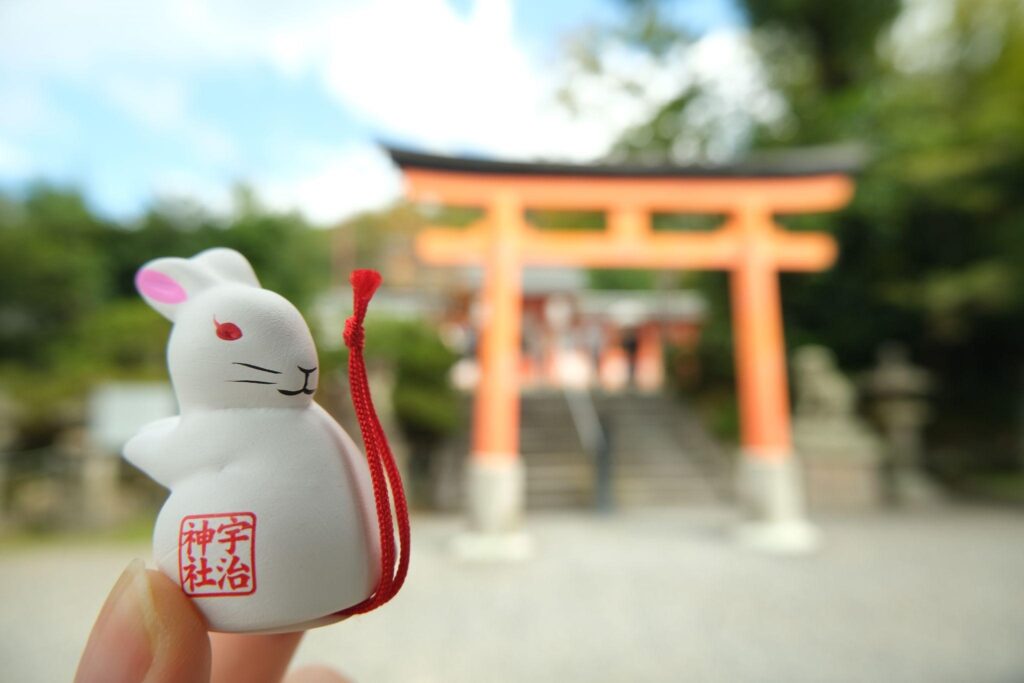
Omamori (御守/お守り), literally meaning “protection,” are Japanese amulets sold at Shinto shrines and Buddhist temples. Their primary purpose is to provide various forms of luck, blessings, and protection from evil or misfortune.
What each Omamori means for you
Because these charms aren’t “one size fits all,” the omamori meaning changes depending on which one you choose. Here are the most common types you’ll find while exploring Kyoto:
- Kōtsū-anzen (交通安全): Traffic safety
- Yaku-yoke (厄除け): Warding off evil or bad luck
- Kaiun (開運): General good fortune or better luck
- Gakugyō-jōju (学業成就): Academic success and passing exams
- Shōbai-hanjō (商売繁盛): Prosperity in business and financial matters
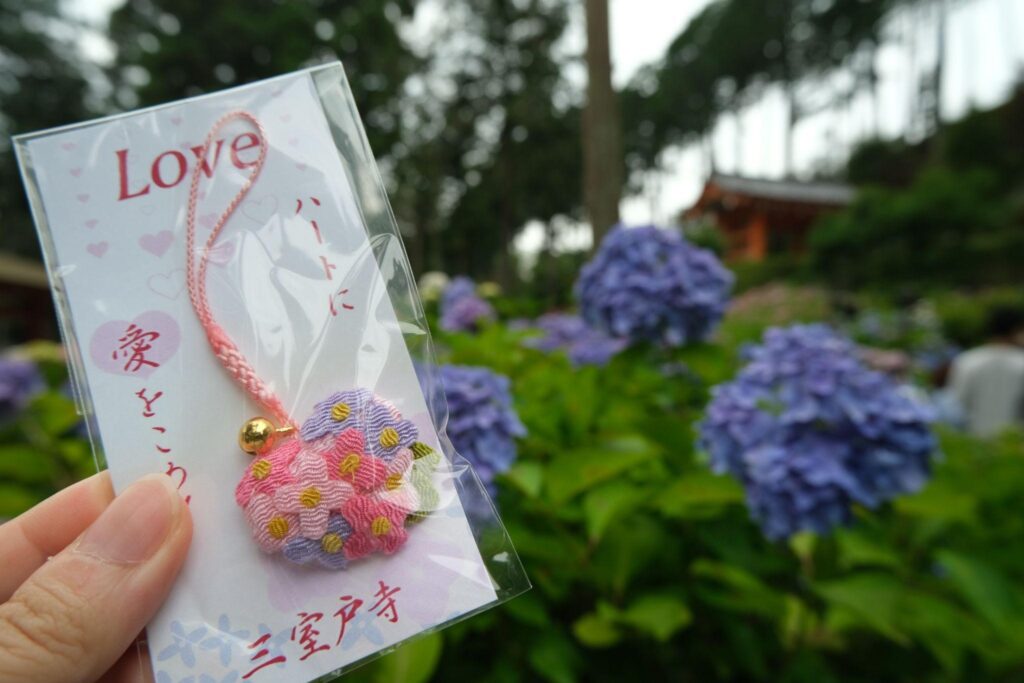
- En-musubi (縁結び): Love, matchmaking, and strengthening relationships
- Anzan (安産): Safe pregnancy and childbirth
People often carry omamori on their person, attach them to bags, cell phones, or hang them in cars or homes, keeping the blessings close. They also make thoughtful gifts, symbolizing well-wishing for friends and family.