Inspiration

Where to Stop on a Drive from Kyoto to Amanohashidate: A Trip Through Miyama, Maizuru, Fukuchiyama, and Ayabe Onsen

2026.10.28

Kyoto by the Sea Woodland Kyoto

When you visit Kyoto, you can travel by train or bus, sure, but driving a rental car is also a great option. On the route north from Kyoto City to Amanohashidate, you can also stop by locations like Miyama, Maizuru, Fukuchiyama, and Ayabe along the way, to take in thatched-roof villages, port town scenery, historic hidden gems, and day-use hot springs. In this article, we’ll take a look at some of the best spots to visit between Kyoto City and Amanohashidate, along a one- or two-day driving itinerary. Come venture off the beaten path and explore northern Kyoto with us!

From Kyoto City to Amanohashidate: Why a Road Trip is a Great Idea

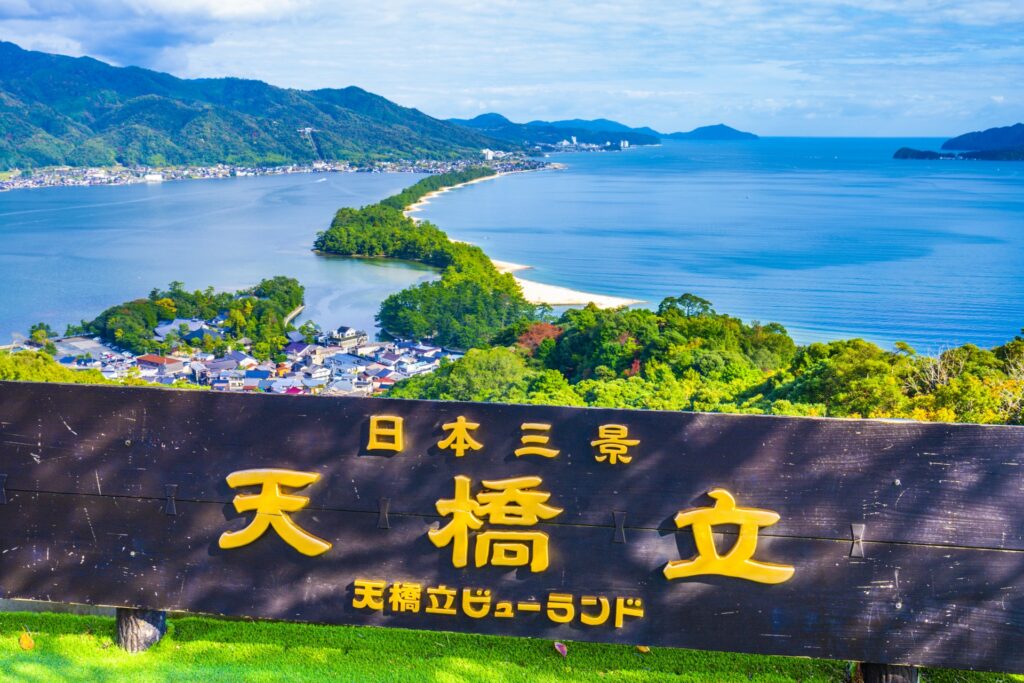
In northern Kyoto, the sights are spread across a wide area. Traveling by car not only reduces the need for transfers and waiting but also makes it easier to move around with large luggage, so it’s a great option for families and groups traveling together. On the way from Kyoto City to Amanohashidate, you can choose to stop in Miyama, Maizuru, Fukuchiyama, or Ayabe, depending on your preferences, and enjoy a trip featuring a whole variety of lush nature, ocean views, history, and hot springs.

There’s no need to visit all these areas in a single day. If you’re planning a day trip, we suggest stopping at Amanohashidate and one other area. If you have two or more days, consider staying overnight along the way to include more stops, giving you ample time to immerse yourself in the nature, culture, and local lifestyle of northern Kyoto.
Stopover Route 1: The Miyama Area: Traditional Rural Japanese Landscapes, Full of Stillness

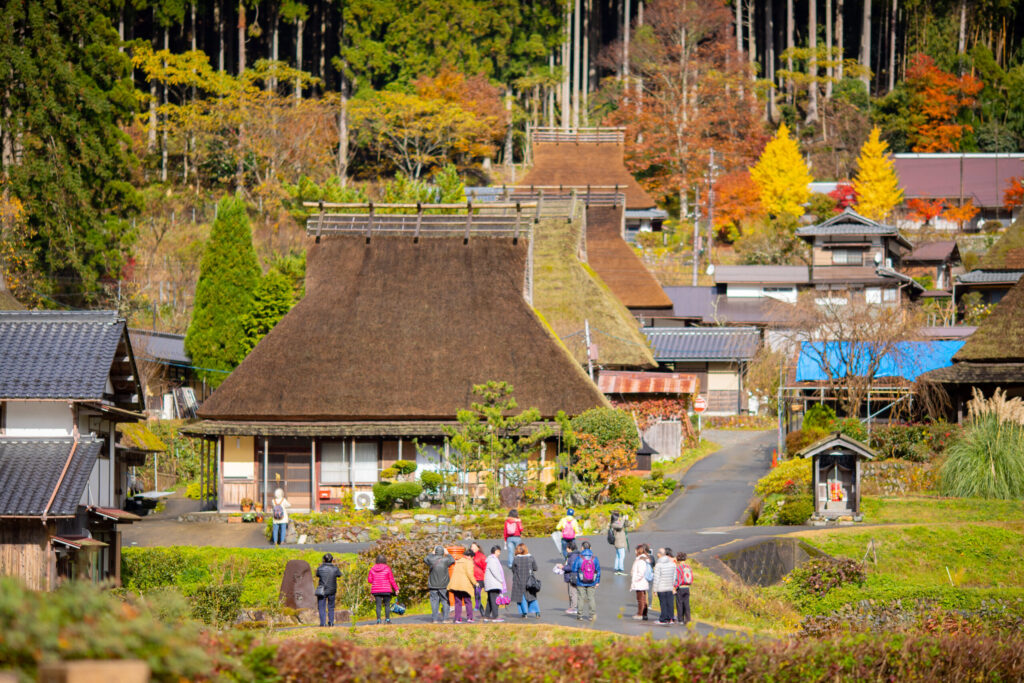
On your way to Amanohashidate from downtown Kyoto, why not take a stopover in the mountain-encircled town of Miyama? Along the way, you can enjoy the natural scenery of forests, rivers, and rice fields, and once you arrive, you can enjoy a stroll through a village of thatched roof homes and taste local cuisine – a kind of peaceful experience that’s a bit different than what you’ll find in Kyoto City.

Miyama’s Thatched Roof Village | Traditional Homes, Beautiful in Every Season

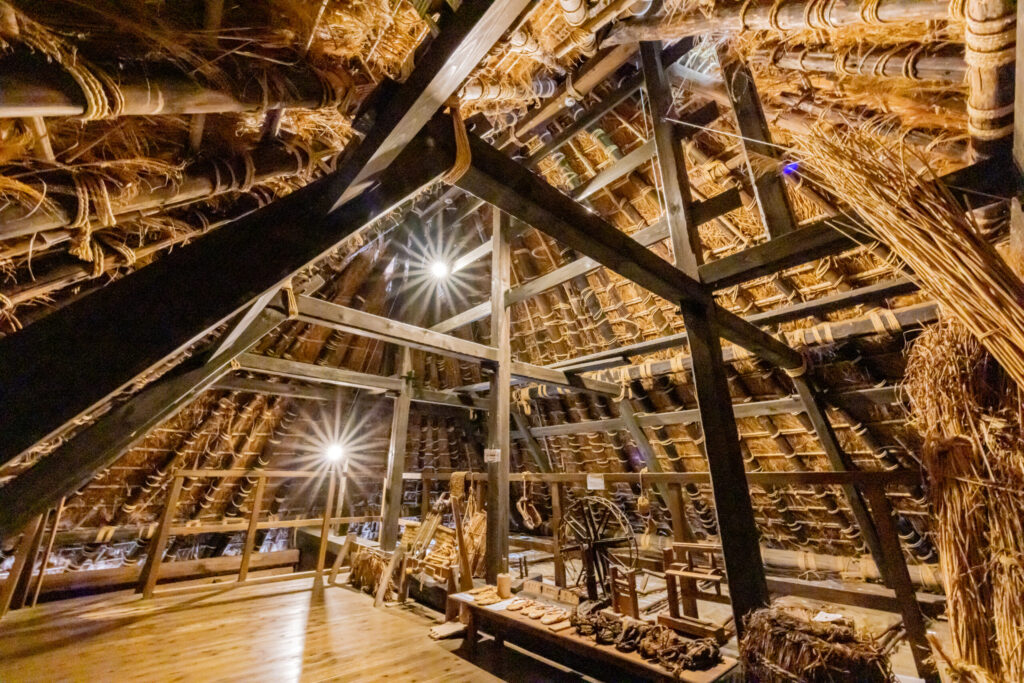
At Miyama’s Thatched Roof Village (Kayabuki no Sato), one of Miyama’s most iconic attractions, thatched-roof houses nestle amongst the foothills to create a picture of old-time Japan, with rice fields, clear streams, and the mountains nearby. The northern “kita” district where the village is located was selected as a nationally important preservation district for groups of traditional buildings in 1993, and it’s still home to residents to this day, preserving its traditional appearance. With cherry blossoms in spring, lush greenery in summer, autumn foliage, and, if you’re lucky, snowy scenery in winter, Miyama is a lovely area to visit in any season.

Miyama’s thatched village

Miyama’s thatched village

The Miyama area is well known for its farmhouses that still use traditional thatched roofs. Kita is an area with a particularly large number of such houses, all positioned together in a village. The t …


Miyama Nature & Culture Village | Enjoy everything from riverside walks to hot springs and lodging all in one place

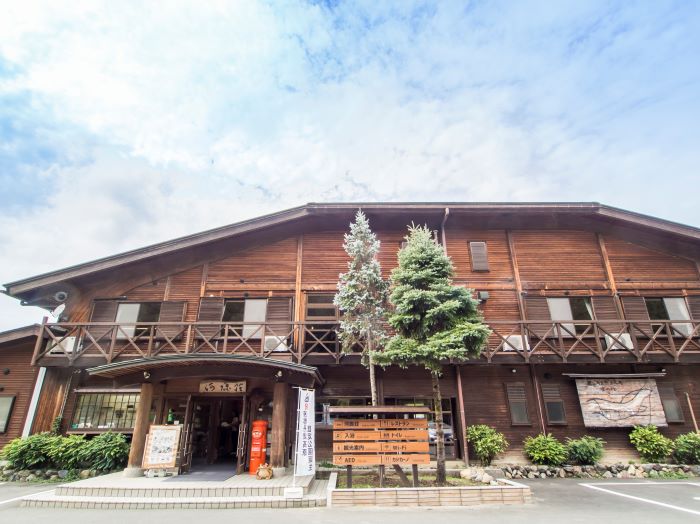
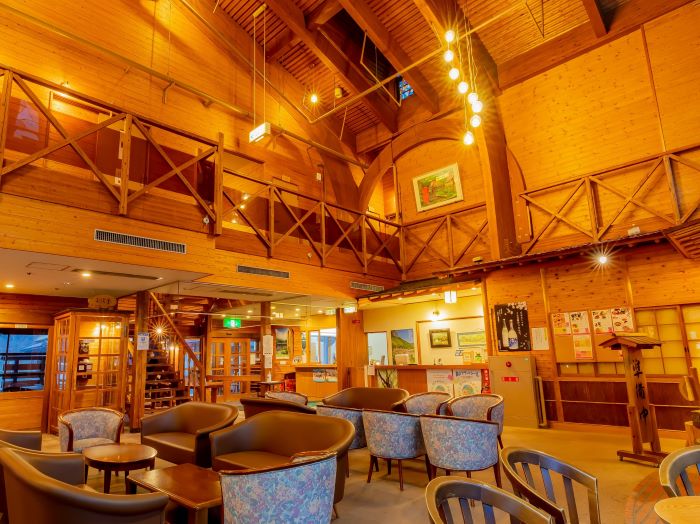
Near Miyama’s thatched roof village, on the banks of the Yura River, the Miyama Natural and Culture Village is a leisure complex with an inn called Kajikasou. During the day, you can enjoy the scenery of the mountain village with a stroll or cycling along the river; in the evening, unwind in a traditional Japanese-style room or wash away the day’s fatigue in the large public bath with an open-air hot spring. The on-site restaurant serves local dishes made with wild game from the area, locally raised chicken, and seasonal wild mountain vegetables. It’s an ideal place to take a break or enjoy a meal during your drive, and an excellent choice for an overnight stay if you’d like to experience life in the countryside here.

Miyama Nature & Culture Village Kajikaso Inn - Main

Miyama Nature & Culture Village Kajikaso Inn – Main

The ancient village of Miyama in northern Kyoto is located in a woodland where humans coexist with nature against the idyllic Japanese-landscape backdrop. In Miyama, you get a sense of nostalgia that …

Stopover Route 2: The Maizuru Area: Coastal Scenery and Port Town Charm

Facing the Sea of Japan, Maizuru is known for its beautiful bay views, historic modern-era buildings, and distinctive port town atmosphere. With a car, you’ll also easily be able to travel between East and West Maizuru. Here, you can enjoy a road trip that includes both nature and history, like the spectacular scenery from Mt. Goro, and Maizuru’s famous red brick warehouses.

Goro Sky Tower | Panoramic Views of Maizuru Bay, Plus East and West Maizuru

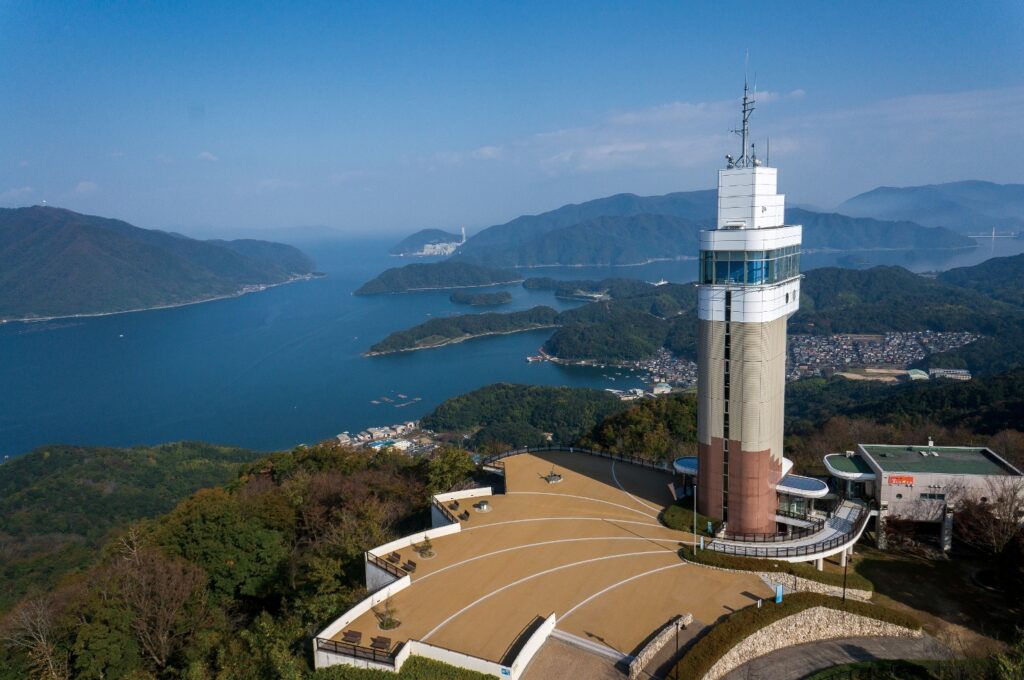
Located between East Maizuru (Higashi-Maizuru) and West Maizuru (Nishi-Maizuru), Goro Sky Tower is an incredible viewpoint overlooking Maizuru’s distinctive geography. From the observation tower’s elevation of 301.2 meters, you can see the winding ria coastline, nearby islands, and the townscape of the port city. Its beautiful views have earned it the top spot in the Kinki Region’s 100 Best Landscapes. There’s also a café next to the tower, where you can enjoy a meal while taking in the shifting views of Maizuru Bay throughout the day.

Goro Sky Tower

Goro Sky Tower

Mt. Goro-dake is situated between Higashi Maizuru and Nishi Maizuru. A panorama of the deeply indented shoreline and scattered islands—part of the beauty of Maizuru Bay, which has been chosen as the m …


Maizuru Red Brick Park | Explore Warehouses with Over a Century of History

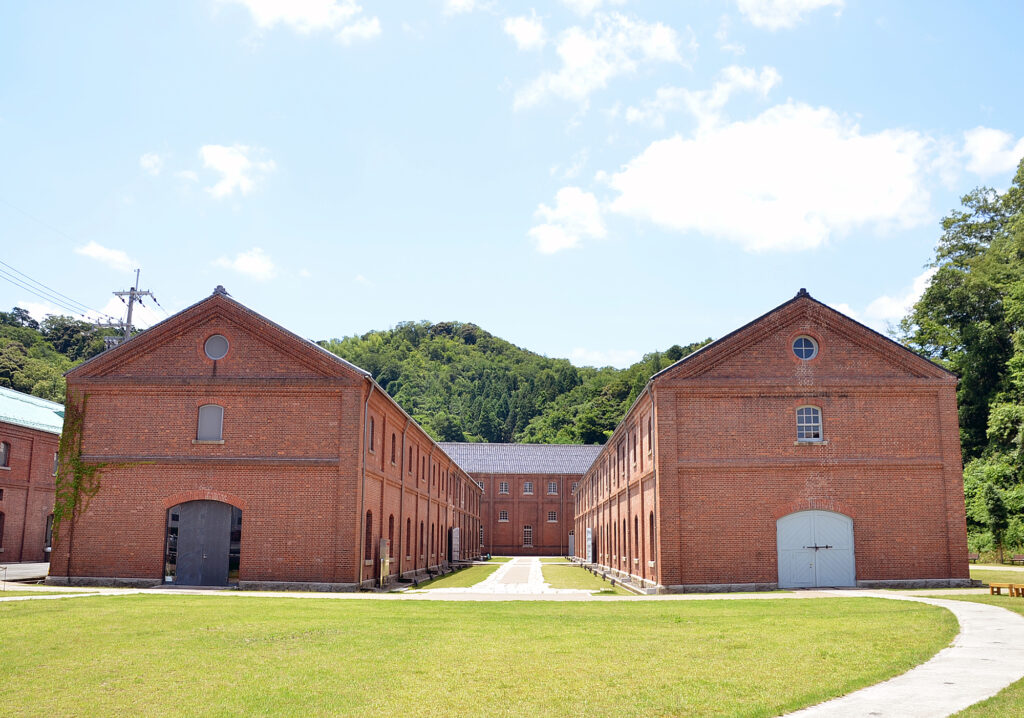
Maizuru Red Brick Park is home to seven red-brick warehouses built between 1901 and 1921. Once used as munitions depots for the Maizuru Naval District, these buildings are now popular tourist attractions where visitors can enjoy history and art. The atmospheric grounds include cafés and exhibition spaces, where events are also held. Stroll through the grounds and soak up Maizuru’s unique historical charm with some photos of the red brick walls against the backdrop of the bay.

Maizuru Red Brick Park

Maizuru Red Brick Park

The red brick warehouses of Maizuru Red Brick Park in Kitasui District, Maizuru City, when used as storehouses for the pre-war Maizuru Naval District, and were built one after another between 1900 and …

Stopover Route 3: The Fukuchiyama Area: A Journey Through History and Legend

Fukuchiyama is known not only for its castle town atmosphere but also for the ancient beliefs and oni (the demons or ogres of Japanese folklore) legends passed down in the city’s Oe district. Head into the mountains by car to visit a shrine associated with Amaterasu and Mt. Oe, where the legend of the fearsome oni Shuten Doji lives on, for a cultural journey full of mystery and wonder.

Motoise Naiku and Amanoiwato Shrine | An Ancient Place of Worship Deep in the Mountain Forest

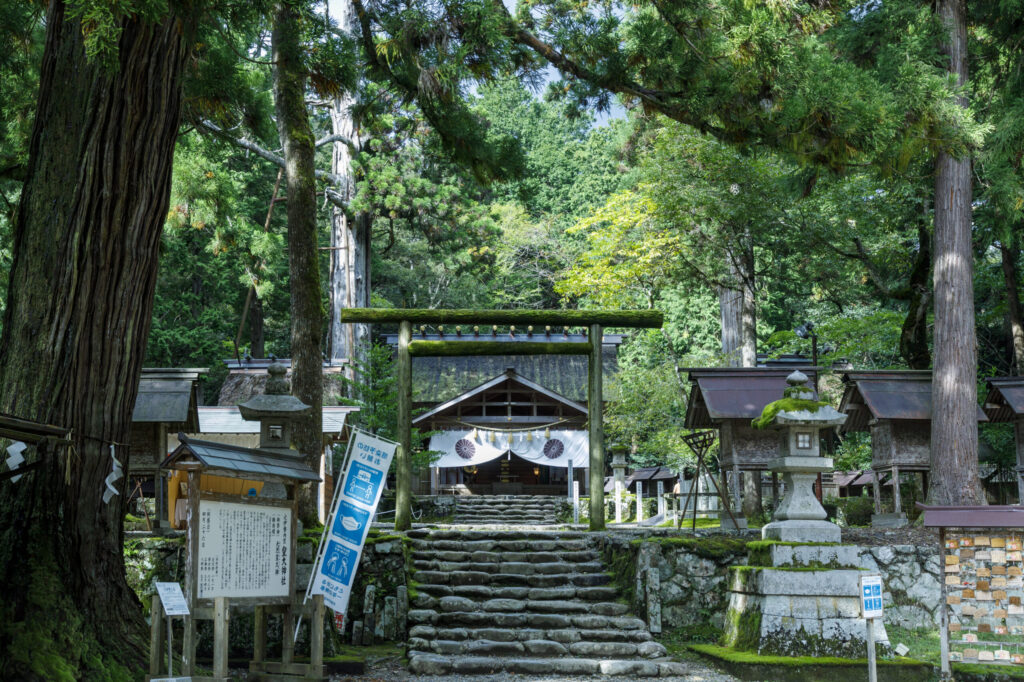
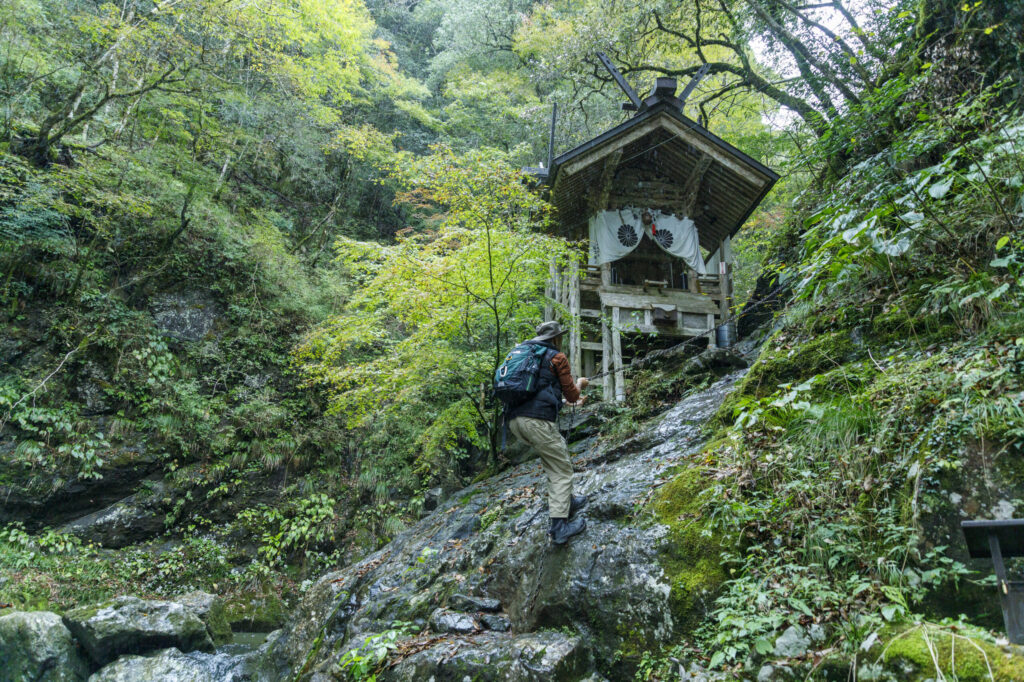
Located in the town of Oe, Fukuchiyama, Motoise Naiku Shrine takes its name from the belief that the sacred spirit of Amaterasu, the sun goddess, was enshrined here before being enshrined at Ise Jingu Shrine in Mie Prefecture. Pass through the distinctive “black tree torii gate,” an unusual, rustic shrine gate made from logs with bark still attached, and climb the stone steps. You’ll find a solemn shrine building surrounded by tranquil, towering cedar trees. Nearby, Amanoiwato Shrine stands atop a large rock in a gorge. To pay their respects, visitors climb the rock, holding onto a chain for support. The ground can be slippery, and the slope is steep, so be sure to wear sturdy, non-slip shoes while visiting.

Motoise Naiku, Amanoiwato Shrine

Motoise Naiku, Amanoiwato Shrine

This ancient shrine is one of the locations at which Amaterasu, the Shinto Goddess of the Sun, was enshrined before moving to Ise-jingu Grand Shrine in Mie Prefecture. In fact, this shrine predates Is …


Mt. Oe, Home of the Oni | Follow the Legend of Shuten Doji

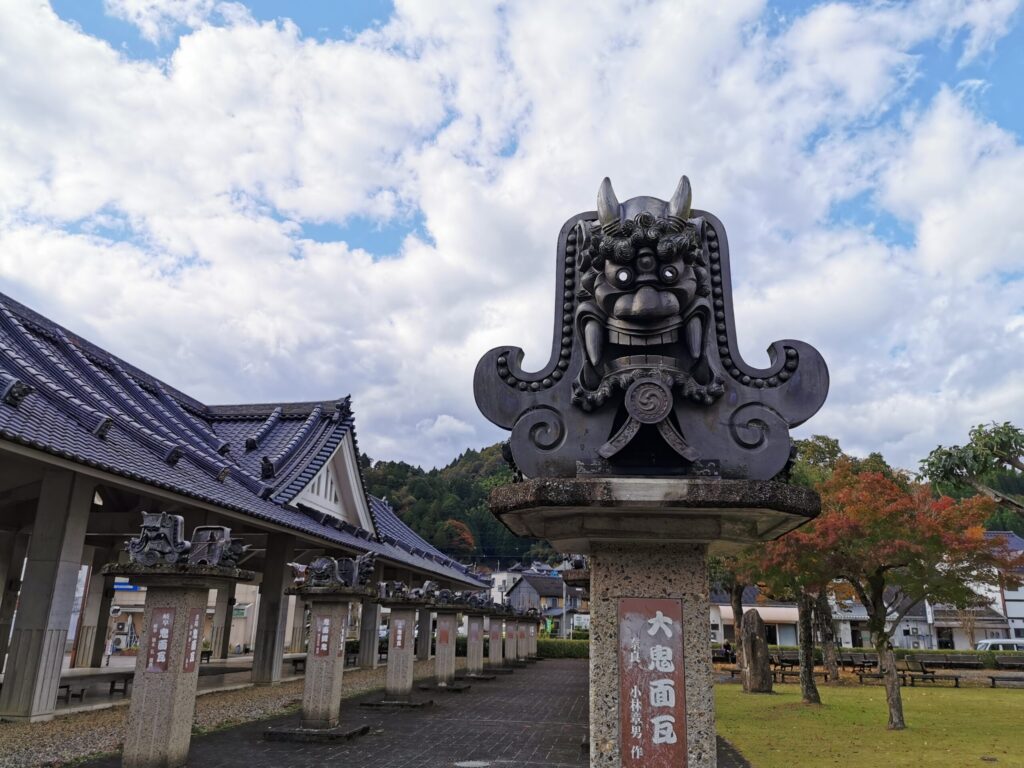
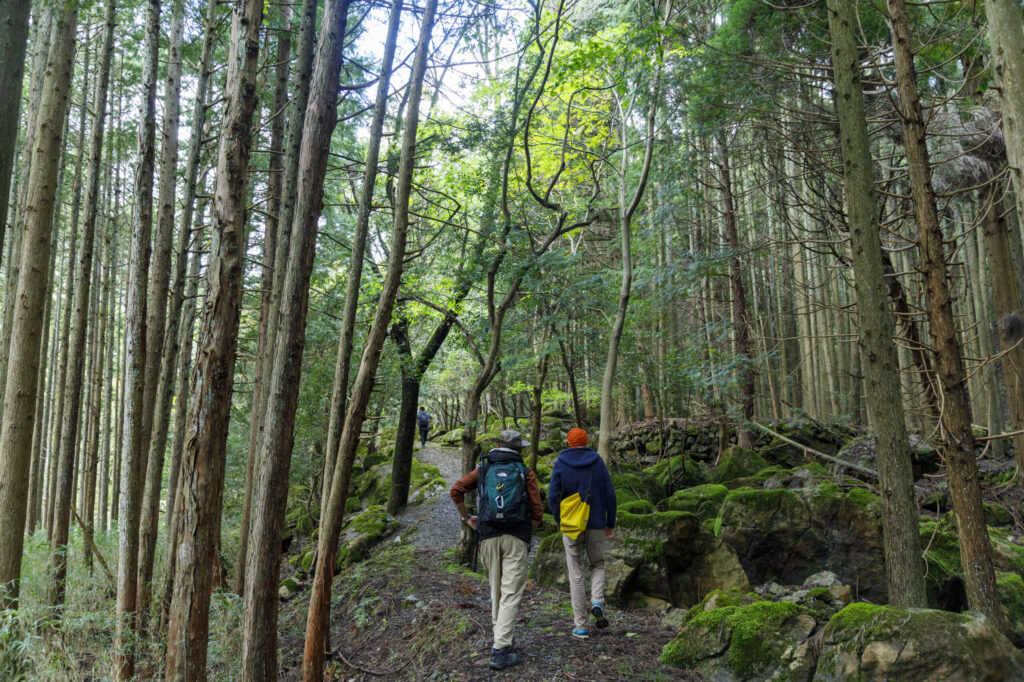
「Mt. Oe is famous for its many legends of oni-slaying, and especially the story of the great Shuten Doji. At the mountain’s foot, you’ll find spots like Mt. Oe Kawara Park, the Japan Oni Cultural Museum, and a number of oni statues, where you can get to know a bit more about Japan’s unique oni culture through masks, decorative oni roof tiles, and folk tales. If nature is more your scene, head to the walking trail along the Futasegawa River Gorge. It’s wonderful to hike here among the fresh greenery or autumn foliage, as part of a driving experience unique to Fukuchiyama, with its blend of history, legends, and mountain scenery.

Stopover Route 4: The Ayabe Area: Refresh Yourself With Seasonal Flowers and Hot Springs

Tucked away in the mountains of northern Kyoto Prefecture, Ayabe is a city of beautiful flower gardens, industrial heritage, and peaceful rural scenery. Spend the day viewing flowers and shopping for local specialties in the city center, then head out to the Kamibayashi area to visit hot springs and a building designated a National Treasure. It’s the perfect place to refresh yourself after driving and bring your trip to a close.

Ayabe Gunze Square | A Rose Garden, History Museum and Local Specialties All in One Spot

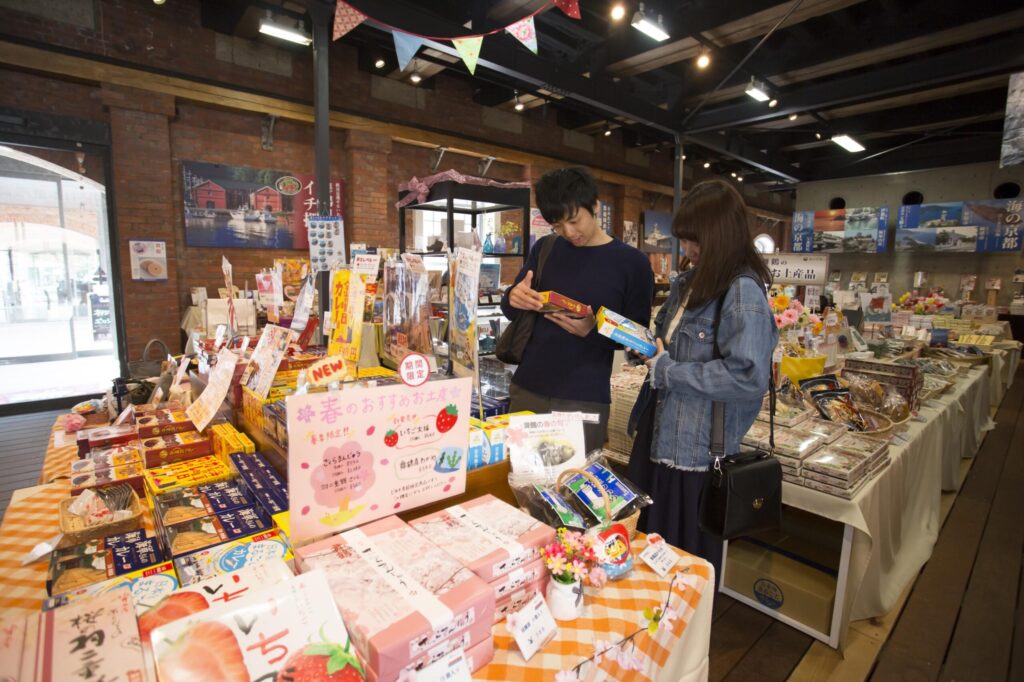
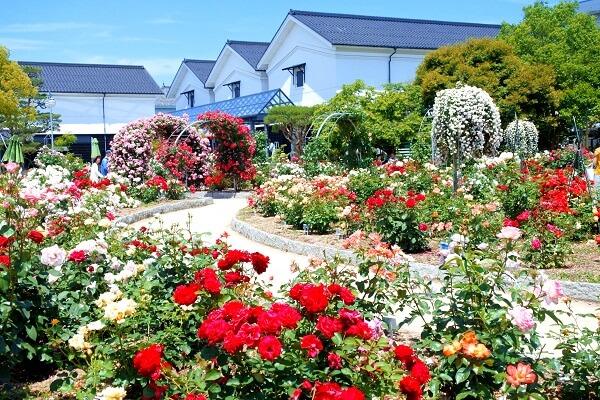
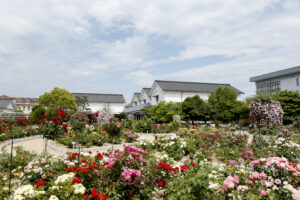
Ayabe Gunze Square encompasses three different facilities: the Ayabe Rose Garden, Gunze Museum, and the Ayabe Specialty Products Hall. It’s a great place to discover the area’s natural environment and industrial heritage – plus shop for some souvenirs. In addition to learning about the town’s history and unique traditions through the exhibits inside the buildings, you can enjoy a stroll through the beautiful gardens, which burst into color during the flowering season. The area also features a café and a tourist information center, making this spacious, pleasant complex an ideal place to take a break during your drive.

Ayabe Gunze Square

Ayabe Gunze Square

Ayabe Gunze Square consists of three facilities, Ayabe Specialty Store, Gunze Museums, and Ayabe Rose Garden. People who visit Ayabe’s Gunze Square will have plenty to do, from touring the flower gard …


Komyo-ji Temple’s Niomon Gate & Ayabe Onsen | Visit a National Treasure, Then Relax in a Mountain Hot Spring

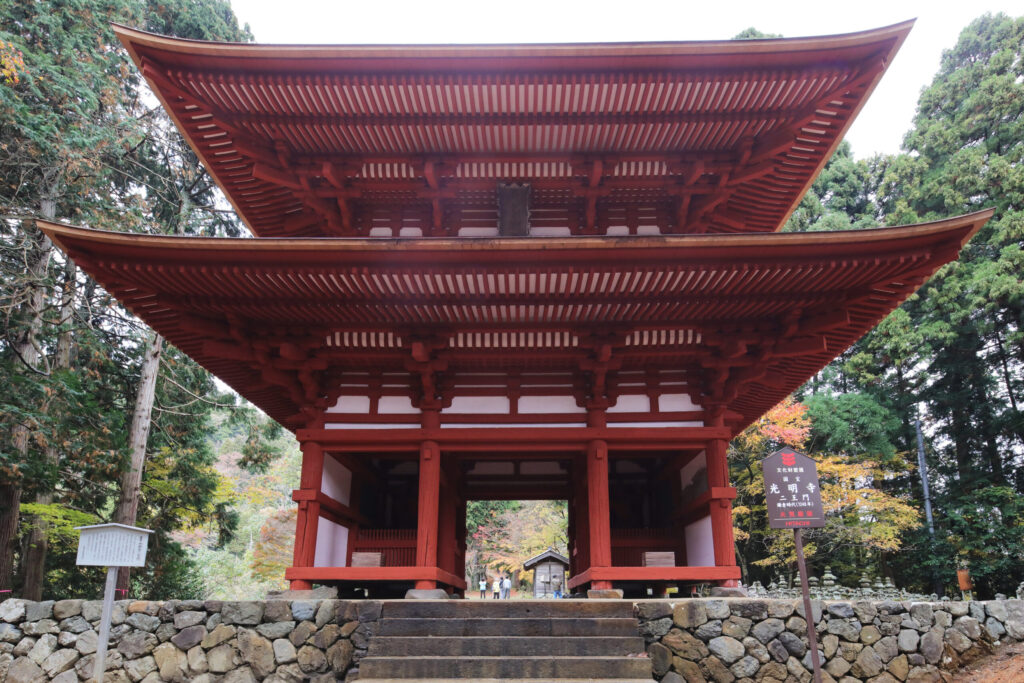
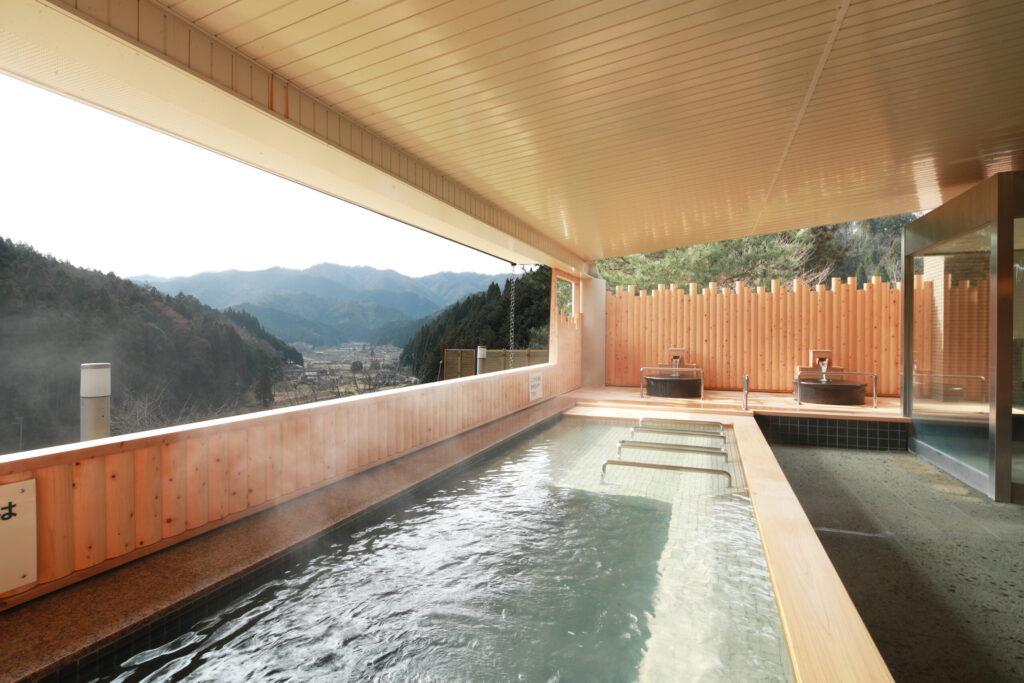
Located deep in the forested mountains of the Kamibayashi area, Komyo-ji is an ancient temple said to have been founded by Prince Shotoku. Among its structures, the Niomon Gate, built in 1248, is designated as a National Treasure. The contrast between the dignified, vermilion-lacquered gate and the lush, verdant forest creates a picturesque scene that shifts beautifully with the changing seasons. After your visit to the temple, head to the nearby Ayabe Onsen Nio-kan Hall. Here, you can soak in open-air baths or medicinal hot springs as you take in the views of the surrounding mountains, and enjoy tasty dishes made with locally raised chicken and locally grown Koshihikari rice. A stroll through this historic temple plus a relaxing soak in a hot spring is the perfect way to relax at the end of your road trip.

Driving Through Kyoto Outskirts: The Best Itineraries for a Day Trip or 2 Day 1 Night Trip

On a drive from Kyoto City to Amanohashidate, you can combine stops in Miyama, Maizuru, Fukuchiyama, and Ayabe depending on the length of your trip and your preferences. For a day trip, we recommend focusing on just one area, but on a two day, one night trip, you’ll be able to enjoy the mountain and ocean scenery of northern Kyoto at a more leisurely pace.

【Day Trip】Recommended Itinerary

Trip ThemeRecommended Routes
Enjoy classic natural sceneryKyoto City → Miyama → Amanohashidate → Kyoto City
Coastal views and port town explorationKyoto City → Amanohashidate → Maizuru → Kyoto City
Discover history and legendsKyoto City → Fukuchiyama → Amanohashidate → Kyoto City
Flowers and hot springs in the countrysideKyoto City → Amanohashidate → Ayabe → Kyoto City

Since a day trip from Kyoto City involves a fair amount of driving, you’ll want to head out early and limit any additional stops along the way (aside from Amanohashidate) to one or two locations. Routes that include Maizuru or Ayabe can easily become overly packed, so be sure to check the business hours of any places you want to visit, so you can make a manageable itinerary that accounts for the season, weather, and traffic conditions.


【2 Day 1 Night Trip】Recommended Itinerary

Travel Style/PreferencesRecommended Routes
Classic mountain and coastal scenery【DAY 1】Kyoto City → Miyama → Amanohashidate
【DAY 2】Amanohashidate → Maizuru → Kyoto City
History, culture, and hot springs【DAY 1】Kyoto City → Fukuchiyama → Amanohashidate
【DAY 2】Amanohashidate → Ayabe → Kyoto City

For a two day trip, an overnight stay in the Amanohashidate area can help make driving a long distance less tiring. On the second day of the “Classic Mountain and Coastal Scenery” itinerary, we recommend focusing on enjoying the ocean views of Maizuru and the unique charm of this port town. In the Ayabe area of the “History, Culture, and Hot Springs” itinerary, you’ll find the local sights are scattered throughout the region, so be sure to check opening hours in advance and allow plenty of time for your return trip.

Frequently Asked Questions About Driving from Kyoto to Amanohashidate

Q1: How long does it take to drive from Kyoto City to Amanohashidate?
It’s about two hours one-way (depending on your departure point, traffic conditions, and weather). If you plan to stop by Miyama, Maizuru, Fukuchiyama, Ayabe, or other locations along the way, be sure to give yourself plenty of time and check the expressway exits, parking lot information, and business hours of the places you’ll be visiting in advance.

Q2: Is there parking around Amanohashidate? Is it convenient to go there by car?
There are several paid parking lots around Amanohashidate. You can walk to Amanohashidate’s sandbar and sightseeing spots from the municipal Amanohashidate parking lot in the Monju area and the Chion-ji Temple parking lot. During longer holidays like cherry blossom and autumn leaf season, Golden Week, and summer holidays, though, the parking lot tends to get crowded and full, so it’s best to arrive early and have alternative parking spots in mind. If you’re only visiting Amanohashidate, the limited-express train is a convenient way to get there, but if you plan to explore the surrounding areas like Miyama and Maizuru too, a car offers more freedom and flexibility.

Q3: Should I drive from Kyoto City to Amanohashidate in the winter?
Winter can bring snowfall and icy roads. If you’re not used to driving on snowy roads, it’s better not to take any unnecessary risks. If you’re renting a car, choose one with winter tires and have tire chains ready depending on the road conditions. Before you head out, be sure to check the latest weather, road conditions, and whether each spot you’re planning to visit will be open. Drive slowly and give yourself plenty of extra time. If the snowfall is heavy, public transportation is the safer option.


One of the best parts of a trip by rental car is the freedom and flexibility it gives you for travel time and scheduling. Next time you’re visiting Amanohashidate in Kyoto, try renting a car, venturing farther afield to explore Miyama’s thatched-roof village, the beautiful views of Maizuru Bay, Fukuchiyama’s ancient legends, and Ayabe’s hot springs. An even more captivating side of Kyoto’s beauty is waiting for you!

*This article includes excerpts from and has been edited and adapted from a previously published article on Another Kyoto.

Another Kyoto Partners