
Kyoto Tea Country Area
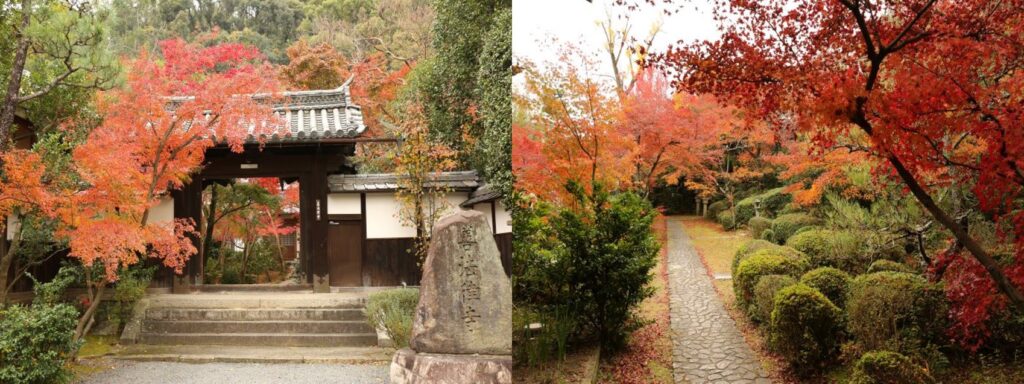
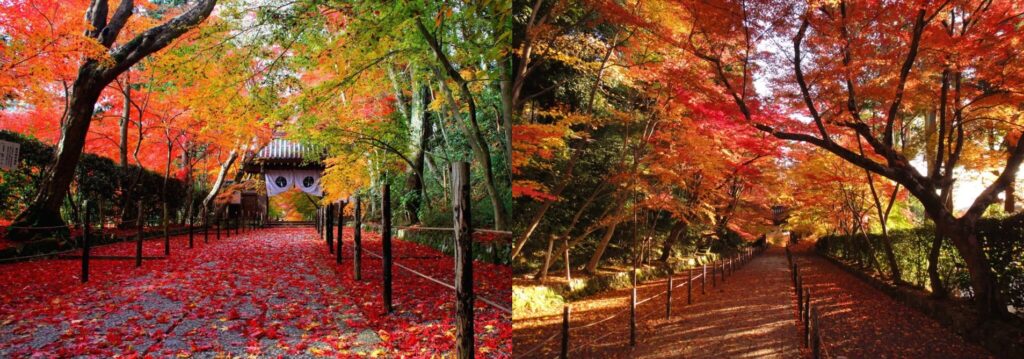
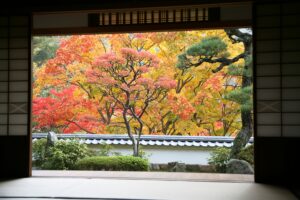
Zenporitsuji Temple in Yawata City is a serene fall foliage spot even though it’s just a 15-minute walk from Keihan Iwashimizu-hachimangu Station. Ki no Yoshiko is a great-granddaughter of Zenpoji Kyusei who donated his residence to establish the temple. She donated many momiji (Japanese maple) trees to the temple, and even today, about 100 momiji trees adorn the precincts including its stone paved pathway and quaint gate. The dazzling display of the vivid orange and ruby red fall leaves earned the temple the nickname Momijidera (the maple tree temple). No wonder it deserves a place on this list!
Zenporitsuji Temple (The Maple Tree Temple)
Zenporitsuji Temple, located in the southeast of Iwashimizu Hachimangu, was founded in the mid-thirteenth century, as Zenpoji Kyusei, the top administrative official of Iwashimizu Hachimangu at that t …
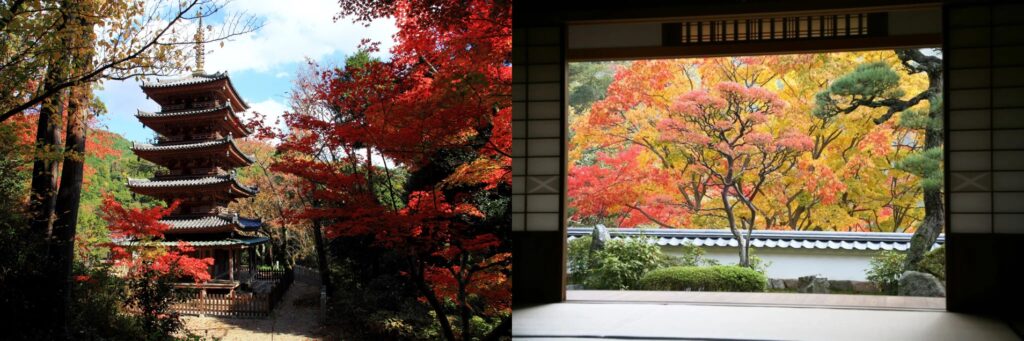
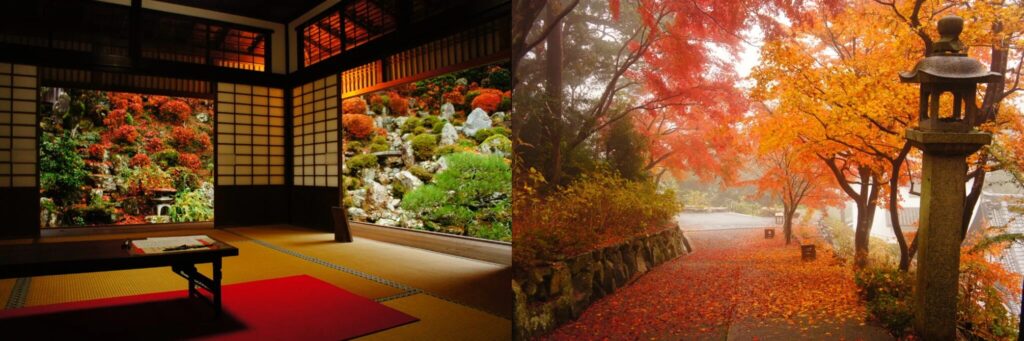
Kaijusenji Temple, a hidden gem in Kizugawa City, was founded in 735. Though it was burnt down in 1137, Jokei, a monk of Kasagidera Temple, moved to the ruins and built a hermitage for Buddhist practice in 1208. The place was renamed Fudarakusan Kaijusenji Temple and revived. Its ancient five-storied pagoda (a National Treasure), 17.7 meters tall, is the second smallest among all outdoor five-storied pagodas in Japan. Every fall, the temple hosts a special exhibition, offering a great opportunity to view the interior of the five-storied pagoda. From mid-November to early December, the fall foliage is also beautiful here (though the exact timing varies each year). From the temple, you can view the area where the “phantom capital” of Kunikyo was located. On a clear day, you can see the ruins of Heijo Palace in Nara, as well. Enjoy the view with the colored leaves!
Kaijusenji Temple
Legend has it that Fujioyama Kannonji Temple was founded in 735 when Emperor Shomu ordered the Buddhist monk Roben to build a hall and enshrined the Eleven-Headed Kannon Bodhisattva to pray for the sa …