Term archive
投稿タイプ:sightseeing
Tanabe Castle
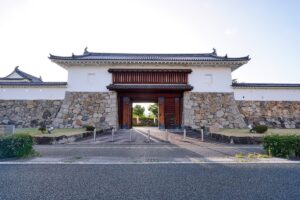
The western district, Nishi-Maizuru, is the historical center of the city. It grew up around Tanabe Castle built by Samurai lord Hosokawa Yusai in 1582 and flourished for some 290 years until the castle was deserted with the end of samurai reign in the latter half of the 19th century.
Sections of the walls and foundations are all that remain of the original structure, but the main gate and turret have been reconstructed and the grounds made into a park. It’s a lovely place to take a stroll and get a hint of bygone days.
The museum has displays about successive lords of the castle, armor and swords worn by historical military commanders, and a diorama of the castle town. Most of the information is in Japanese, so consider bringing an interpreter with you.

投稿タイプ:sightseeing
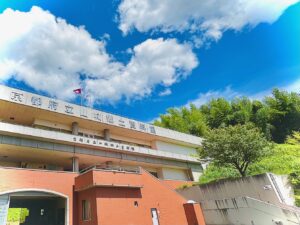
Kyoto Prefectural Yamashiro Local History Museum (Hometown Museum Yamashiro)
They explore the unique history and culture of southern Yamashiro through research in archaeology, history, and folklore. They clarify the historical background and changes that have shaped the culture and atmosphere of this region, and systematically exhibit and publicize the results of their research.
In addition to permanent exhibitions, you can enjoy various exhibitions and events throughout the year.
Visit this magical place. There are a lot of wonders waiting for you.

投稿タイプ:sightseeing
Natural Whetstone and Hone Museum
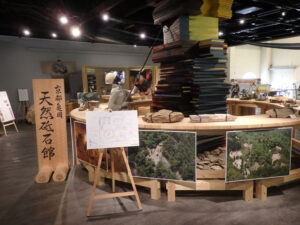
Kameoka Kyoto is a sanctuary of natural whetstones and hones, blessed by ancient crustal movements. Kameoka-sourced high-quality Tamba Aoto and Awasedo stones have supported Japanese culture, including Japanese cuisine, Japanese swords, and Japanese-style architecture, with their exquisite sharpening ability. The Natural Whetstone and Hone Museum is an experiential museum that allows visitors to get up close and personal with natural whetstones. In addition to the Tamba Aoto and Awasedo stones produced in Kameoka City, the museum exhibits precious natural whetstones from all over Japan and the world (admission is free). There is also a shopping corner and knife sharpening workshop. The sharpening workshop includes lessons on knife sharpening and the creation of your own original whetstones.

投稿タイプ:sightseeing
Yakuno-ki-to-urushi-no-yakata (Yakuno Woodware and Lacquerware)
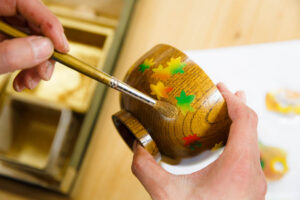
The Yakuno area of Fukuchiyama City produces "Tamba Urushi", a high-quality lacquer product of Kyoto Prefecture. We opened our shop to convey the charm of Yakuno's traditional culture and lacquer. We sell and display of a wide variety of works and products, including lacquered wooden soup bowls, chopsticks, and other everyday items. We also introduce the process of extracting lacquer from trees. We also have a workshop where you can experience lacquer painting (reservations required).
投稿タイプ:sightseeing
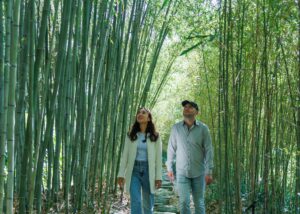
Kyoto City Rakusai Bamboo Park
This is an establishment that primarily deals with bamboo, which is rarely done even on a global level.
Here, you can find a bamboo museum, a children's plaza, and an ecological garden where various bamboo and bamboo grass are planted. In addition, there are also historical stone Buddhist statues in the garden.

投稿タイプ:sightseeing
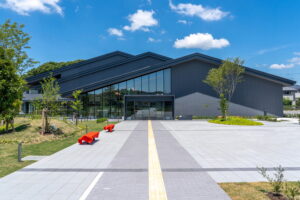
Historical Park of Tea and Uji Land (Chazuna)
If you want to learn about Uji tea and the history and culture of Uji, this is the perfect place to start.
With the rich history of Uji, the park is located among several historical sites, including the Uji-bashi Bridge and the Ujinowakiiratsuko Gobo tomb, housing the historic site Ujigawataikotsutsumiato (remains of the dike of Uji River that were constructed by Toyotomi Hideyoshi).
At the Communication Center of Tea and Uji Land called Chazuna, you can enjoy the museum and various experience programs related to Uji and Uji tea. Chazuna also has a museum shop, restaurant, observation terrace, and so on. The modernized Uji Meishozue (a compilation of the Edo-period pictures depicting the sights of Uji) on a large 4K HD screen is a must-see. The experience programs include matcha making from leaf-grinding, tea caddy making, tea leaf picking, and more. Through these activities, you can connect with the local people, history, and culture of Uji.
Chazuna offers various sightseeing information, too. This information and your own experiences will make your exploration of Uji even more interesting.
投稿タイプ:sightseeing
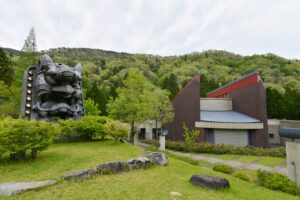
Japan Oni Cultural Museum
The Japan Oni Cultural Museum is appropriately located at the foot of the Oeyama mountain range, home to the most notorious "oni" (demon or ogre) in Japan, Shuten Doji. The museum explains local folklore and has displays of both national and international oni masks and artifacts. There is a large collection of onigawara, or oni-shaped roof tiles, which were used on buildings throughout history. The surrounding area has parks, places for families to explore on foot, including small waterfalls, rivers, hiking paths, and of course, friendly oni all over the place!
投稿タイプ:sightseeing
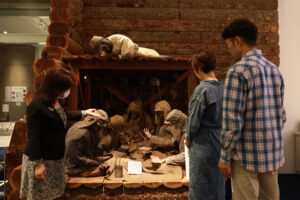
Maizuru Repatriation Memorial Museum
After the end of the Second World War, the Port of Maizuru was designated by the government as one of several ports through which repatriates could enter their homeland. Over 13 years it has received repatriates from old Manchuria, Korea, and Siberia, the majority of whom (around 600,000) were kept in forced-labour camps in Siberia. The Maizuru Repatriation Memorial Museum tells the story of this period, shows the warm welcome of the Maizuru people towards the returning soldiers, and proclaims the value of peace to the world. Clothes from the labour camps are exhibited, as well as letters and diaries written by soldiers to their families. In 2015, 570 items, including the famous Shirakaba Diary (a diary written on the bark of Siberian silver birch), were inscribed on the UNESCO Memory of the World Register.
投稿タイプ:sightseeing
Maizuru Red Brick Park
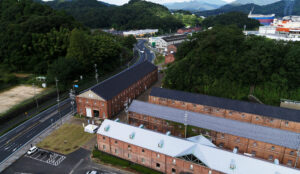
The red brick warehouses of Maizuru Red Brick Park in Kitasui District, Maizuru City, when used as storehouses for the pre-war Maizuru Naval District, and were built one after another between 1900 and 1921. In order to make use of these red brick buildings, the city of Maizuru opened them as tourist attractions in 2012 as "Maizuru Red Brick Park."
The seven red brick warehouses here have been rennovated, and are designated as Important Cultural Properties. Buildings 2 and 3 contain a café and exhibition space, and buildings 4 and 5 are used for live events, art festivals, and more.
投稿タイプ:sightseeing
Wachi Wildflower Forest
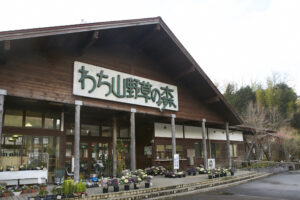
This park makes use of the natural environment as-is across its area of 12 hectares. There are 900 differents types of plants, trees, and fruit trees growing in Wachi Wildflower Forest, making for some dramatic changes in appearance throughout the four seasons, and for many flowers to enjoy.
Wachi Wildflower Forest also offers a variety of experiential options, including 15 wildflower exhibitions a year, woodworking crafts, moss ball-making, flower-planting, and more. It's a wonderful place to take in the changing seasonal scenery of the wild plants and flowers.
投稿タイプ:sightseeing
Omoto Headquarters (Ruins of Tamba Kameyama Castle)
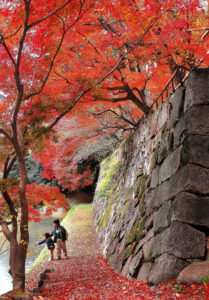
In 1577, the samurai Akechi Mitsuhide, known as the assassin of warlord Oda Nobunaga, built a castle here as his base for his Tamba invasion. Hirayama Castle was built on a hill (Mt. Arazuka) overlooking the Hozu-gawa River, and it is said that Mitsuhide set forth from this castle at the time of the so-called Honno-ji Incident, during which Nobunaga was assassinated.
After the Meiji Restoration (restoration of imperial rule in 1868), the castle was destroyed in accordance with Meiji ordinances to destroy castle, but the castle's stone wall has been restored by the current owners, the religious organization Omoto. Visitors may enter via reservation, and take a look at the moss-covered stones in the middle of this tranquil forest to discover the vestiges that supported the castle for many years.
For reservations, please inquire with the Omoto Headquarters general reception.
投稿タイプ:sightseeing
“The Tale Of Genji Museum, UJI”
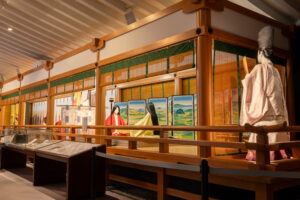
The Tale of Genji is a worldwide-known masterpiece of classical Japanese literature written by Murasaki Shikibu in the Heian Period (794-1185). It depicts the romantic entanglements of a fictional character Hikaru Genji, an extraordinarily handsome nobleman. The final 10 chapters of the tale, after his death, are set in Uji. At this museum, there is a touchscreen display with comprehensive English explanations, a fun interactive game in English, and various other attractions, such as colorful exhibits and animated movies, allowing you to experience the glamorous world of The Tale of Genji. The museum offers fascinating glimpses into various aspects of Japanese culture in the Heian Period, including fashion, architecture, and vehicles.